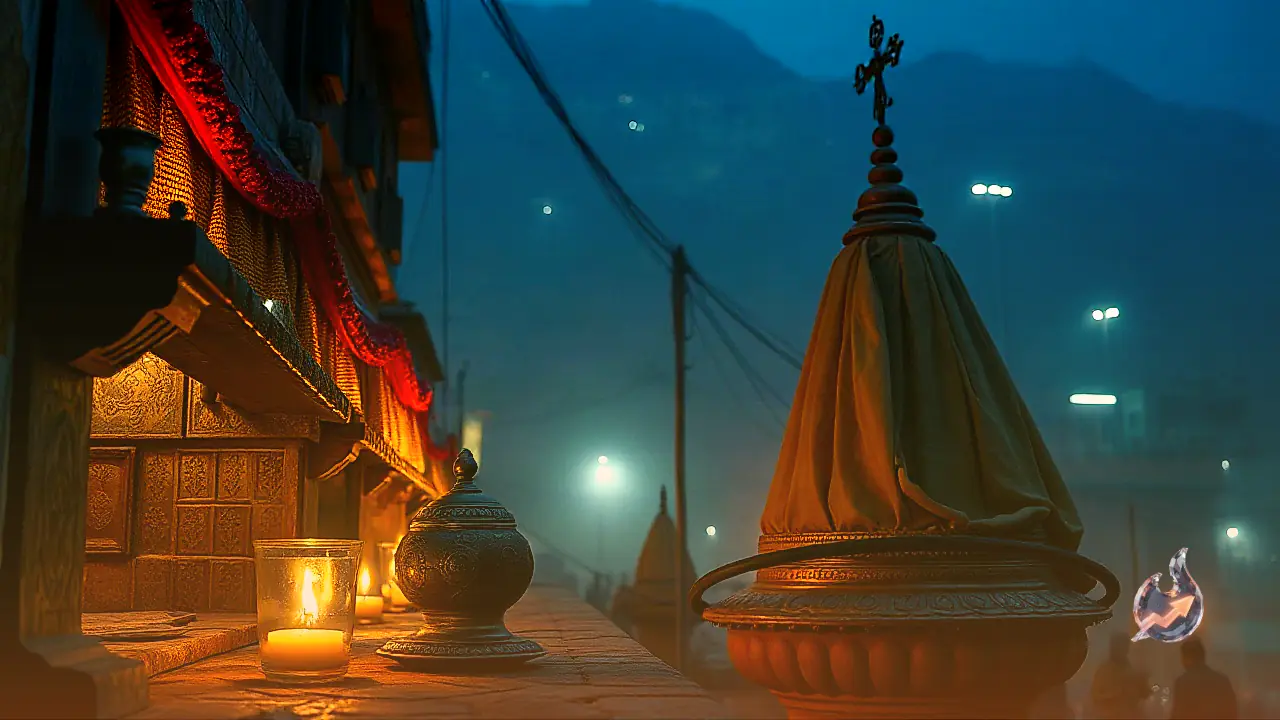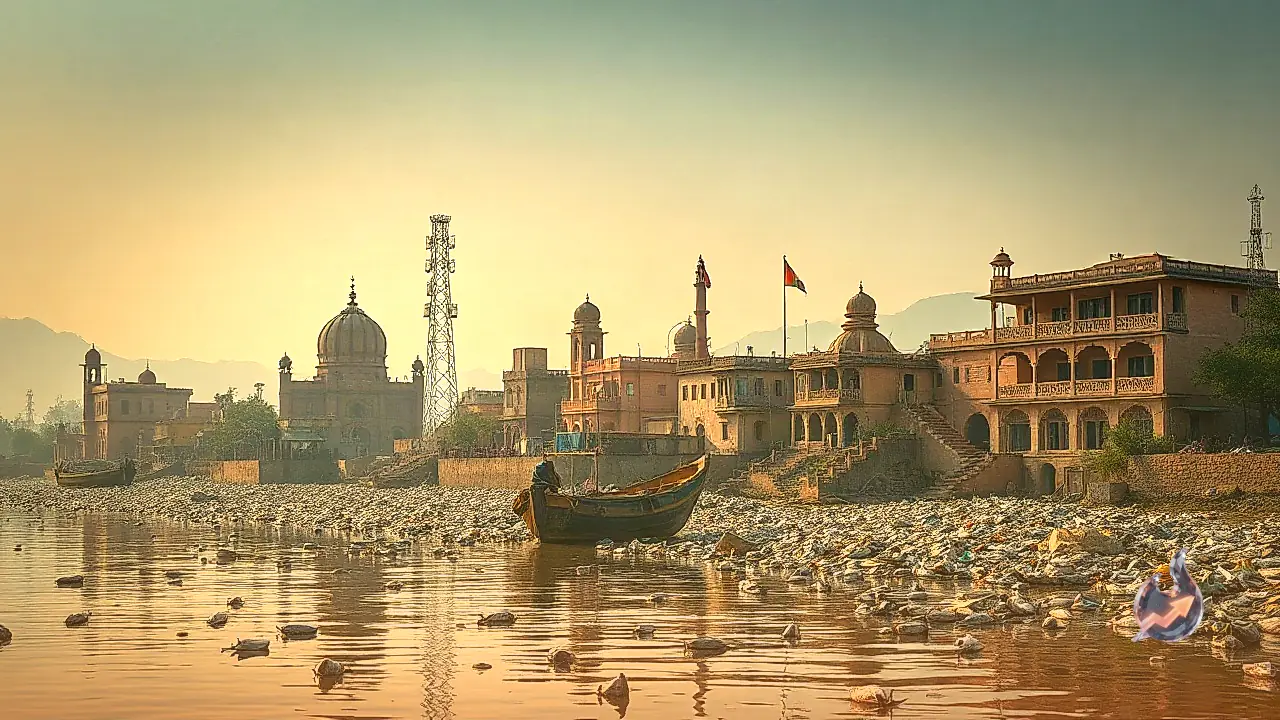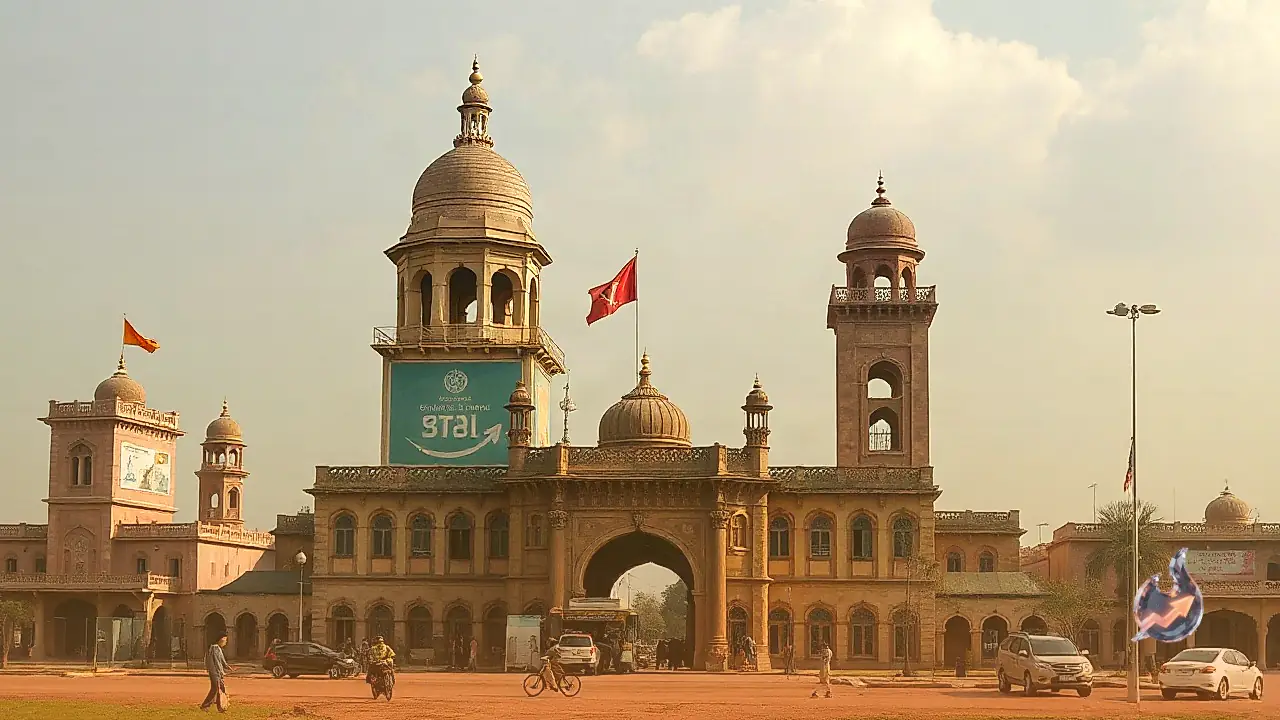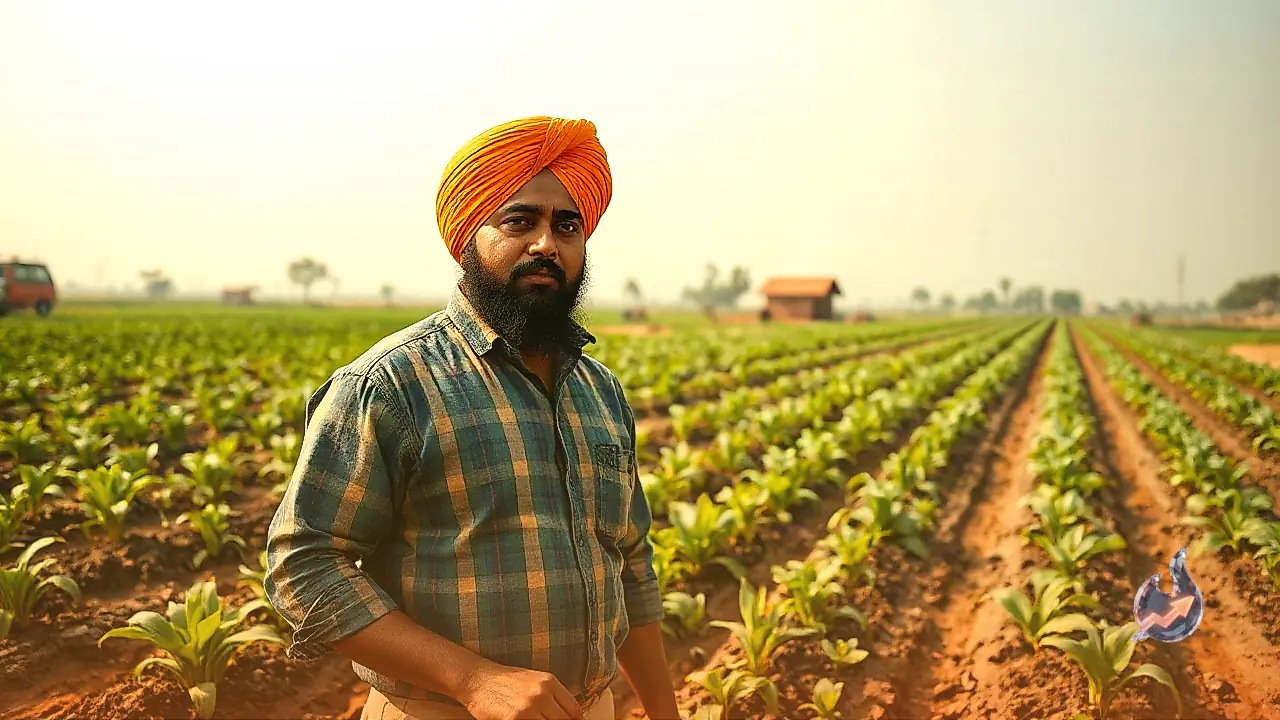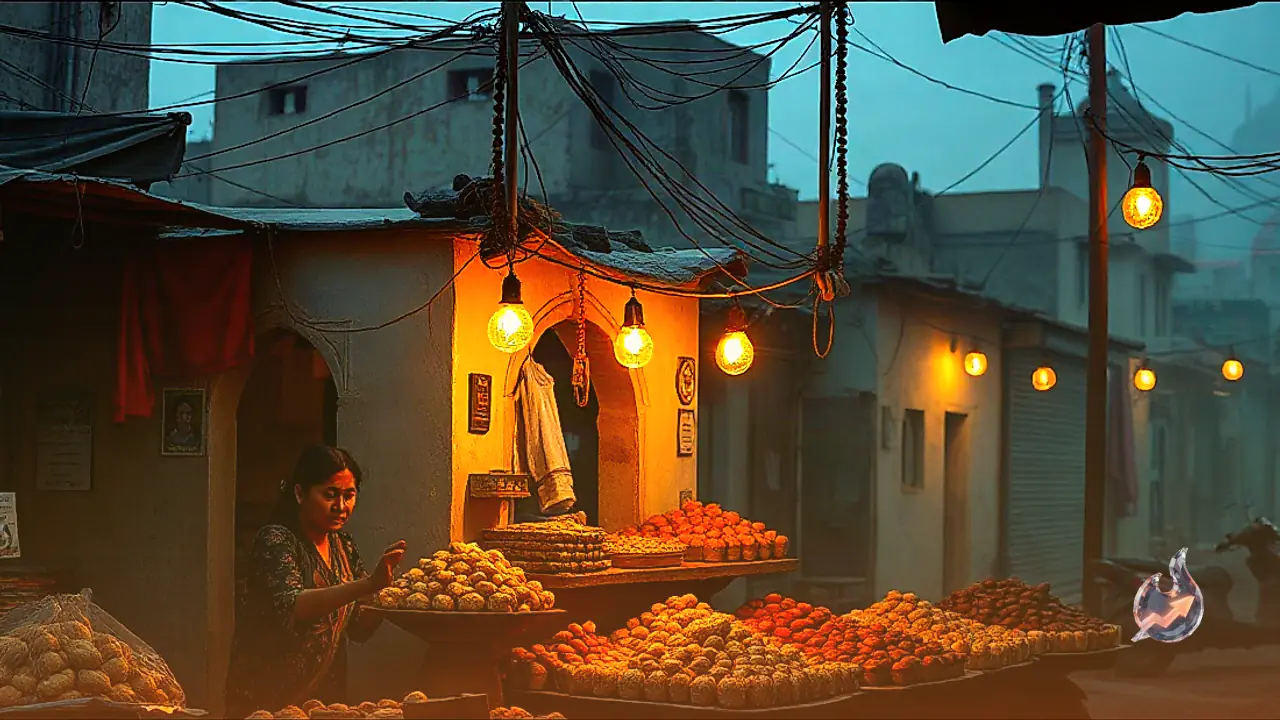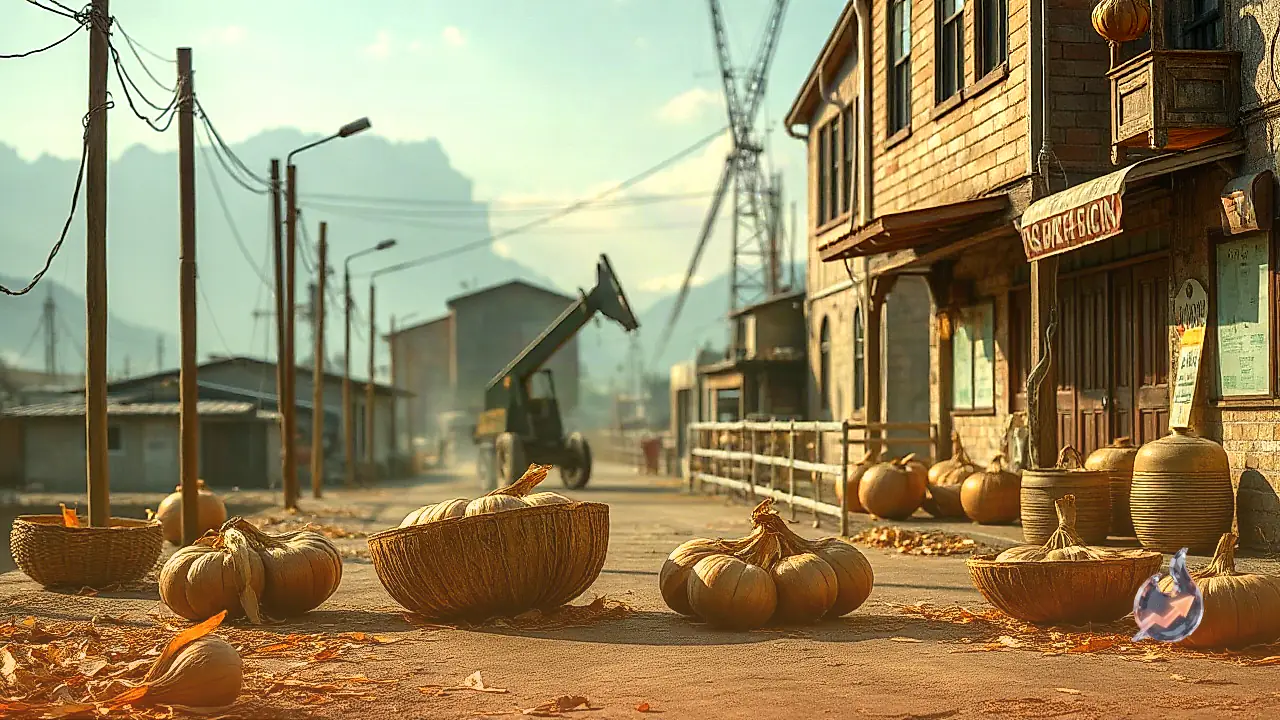


















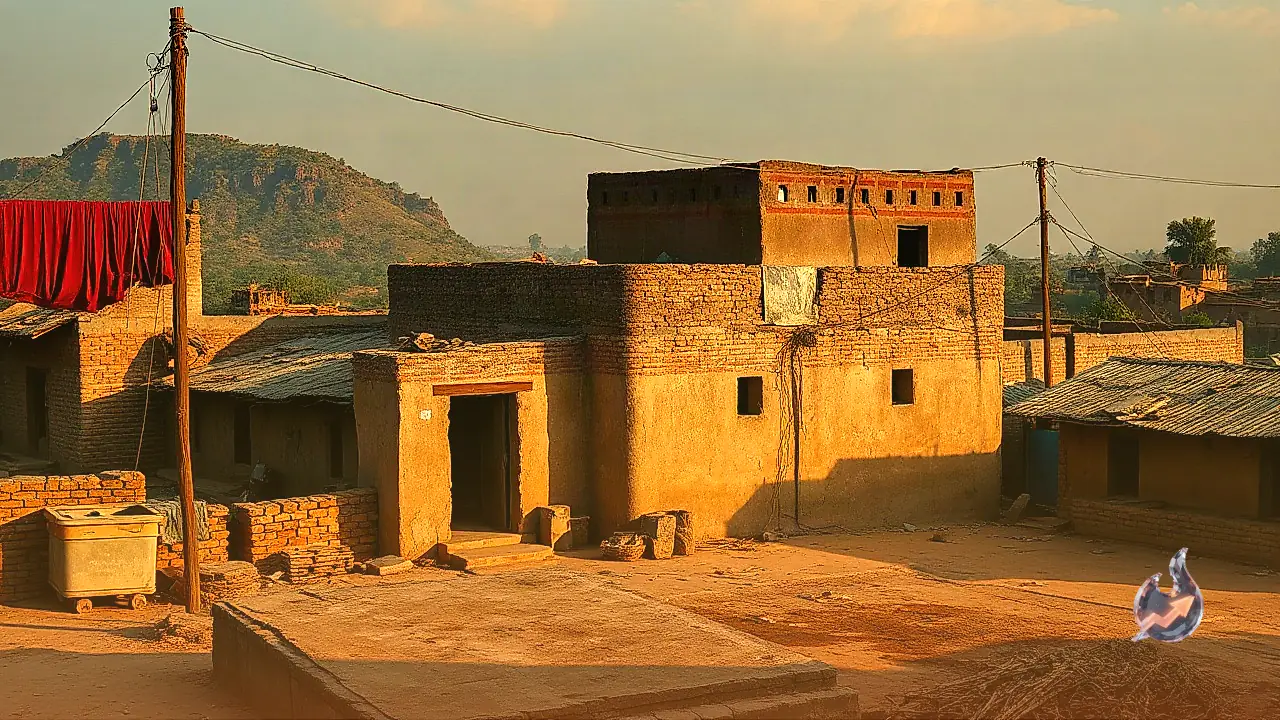

Rajasthan's Dholpur district has long enjoyed widespread recognition for its storied past, remarkable architecture, and martial heritage, yet its distinct identity has equally rested upon a sweet, ancestral spoken dialect. For generations, traditional phrases echoed across village courtyards and household verandas, establishing an intimate community rhythm that is now steadily giving way to silence. Rapid modern influences and lifestyle shifts have alienated the younger generation from the very vocabulary on which earlier generations were raised. While senior citizens in rural pockets still converse using these rare expressions, the looming question of who will inherit and preserve this linguistic legacy once they are gone is troubling local cultural observers.
Modern Education Trends and the Widening Cultural Divide
The social landscape across rural settlements is transforming at an unprecedented pace, marked notably by the rapid spread of English-medium education in village schools. Exposure to urban lifestyles and modern career demands has caused younger residents to become increasingly detached from their indigenous dialect and roots. Expressing deep concern over this widening gulf, local resident Vishambhar Dayal Sharma pointed out that anyone wishing to hear authentic, ancient expressions today must seek out the gatherings of elderly men at village meeting platforms. Sharma stressed that while mastering English and other foreign languages is undeniably essential in today's interconnected world, abandoning one's native linguistic heritage in the blind rush toward modernity represents an irreplaceable cultural setback.
Everyday Rural Vocabulary Turning Alien to Younger Generations
Elderly residents across Dholpur still casually employ vintage regional terminology in their daily routines, often leaving youngsters puzzled and searching for meanings. For instance, the traditional vessel used for drinking water was historically known as 'gadua.' Weather descriptions carried their own rich idioms: the scorching summer wind or heatwave was termed 'taati byaar,' while the piercing, bone-chilling winter breeze was called 'chiri byaar.' A tiny fraction or small amount was referred to as 'nek,' and everyday garments or clothing were simply called 'odhna.'
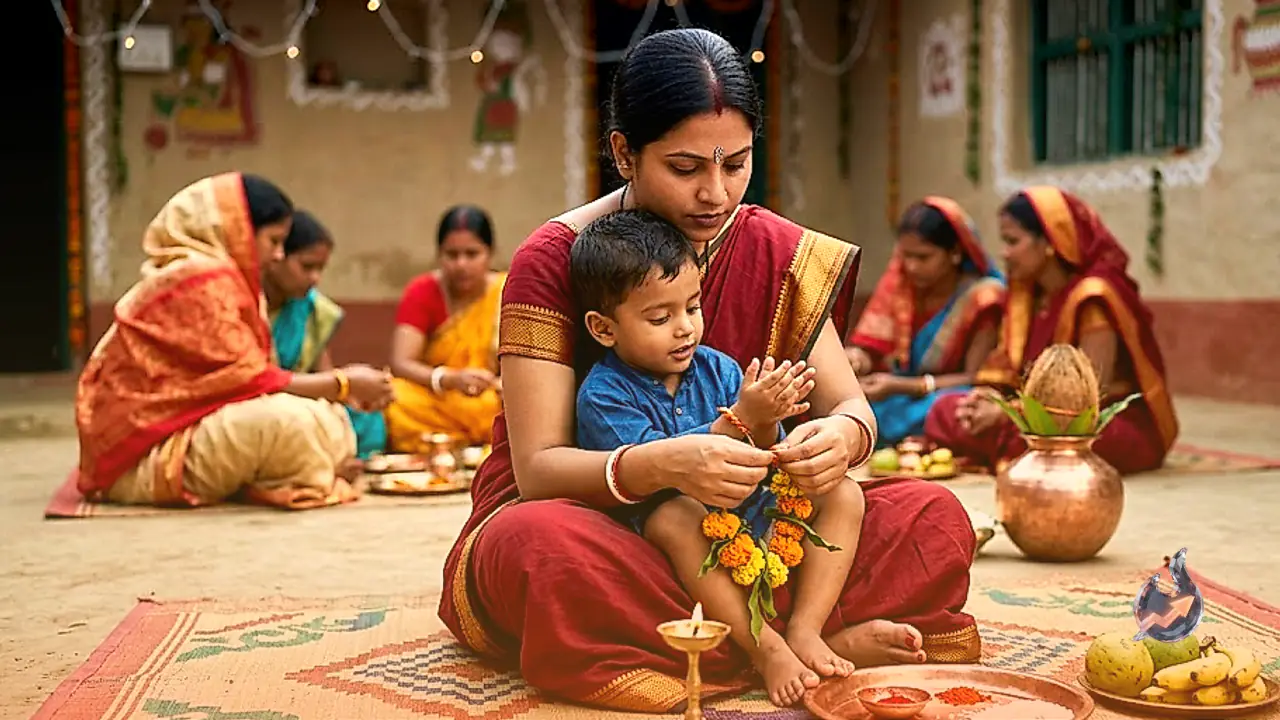
Architectural elements and everyday household objects carried equally distinctive names. The open front veranda of a rural home was termed 'tiwaaro,' while a looking glass or mirror was known as 'batta.' The sturdy rope utilized to draw water from deep wells was identified as 'leju,' and a small bowl was called 'biliya.' Furthermore, a large earthen water pitcher went by the name 'mathna,' a building wall was referred to as 'bheet,' and young boys and girls were affectionately addressed as 'moda-modi.' Today, these everyday expressions have largely vanished from the regular vernacular of younger households.
Preserving an Oral Legacy Through the Domestic Sphere
A major vulnerability of this linguistic tradition is that these unique terms are not catalogued in modern school textbooks or across digital media platforms; they endure strictly in the living memories and spontaneous conversations of older villagers. The most pressing fear among locals is that when these elderly speakers pass on, this vibrant linguistic repository may disappear into historical obscurity forever. Residents like Vishambhar Dayal Sharma urge that while young minds should fully embrace modern technology, science, and English proficiency, they must never sever ties with their native speech and ancestral customs. Fulfilling this duty, they argue, begins directly within the family home.
If parents and grandparents consciously introduce these indigenous words into everyday household interactions and teach children the cultural weight they carry, this multi-century tradition can successfully transition to future generations. Within the rural expanses of Dholpur, the regional dialect still survives in the voices of its elders. The critical challenge now is for the younger generation to attentively listen to those voices, understand the deep heritage behind the words, and safeguard an irreplaceable cultural treasure before it vanishes completely.