
The historical Kirti Stambh located inside Chittorgarh Fort is once again being meticulously restored using advanced scientific methods. This is not a routine paint job or simple cleaning exercise, but rather a specialized scientific conservation effort designed to maintain the structural strength of centuries-old stones and minimize natural damage over time. A special team from the Science Branch of the Archaeological Department has arrived from the Jaipur headquarters to execute this vital task. Scheduled to last for about two and a half to three months, the primary objective of this project is to clean the outer surface of the Kirti Stambh, eliminate stubborn stone stains, and significantly extend the monument's lifespan.
Deployment of scientific conservation and mild solvents
The entire restoration procedure utilizes dedicated scientific conservation and preservation techniques. As part of this process, the exterior surface of the pillar is undergoing a scientific chemical wash. Mild solvents and specialized chemicals are being utilized to clean the ancient stones without causing any structural damage. This delicate procedure is performed with extreme precision and caution, ensuring that the original appearance, texture, and intricate carvings of the historical monument remain completely unaltered. The intervention solely targets accumulated dust, grime, moss, and harmful corrosive elements that undermine the integrity of the stones.
Removing dark patches caused by monkey urine and environmental grime
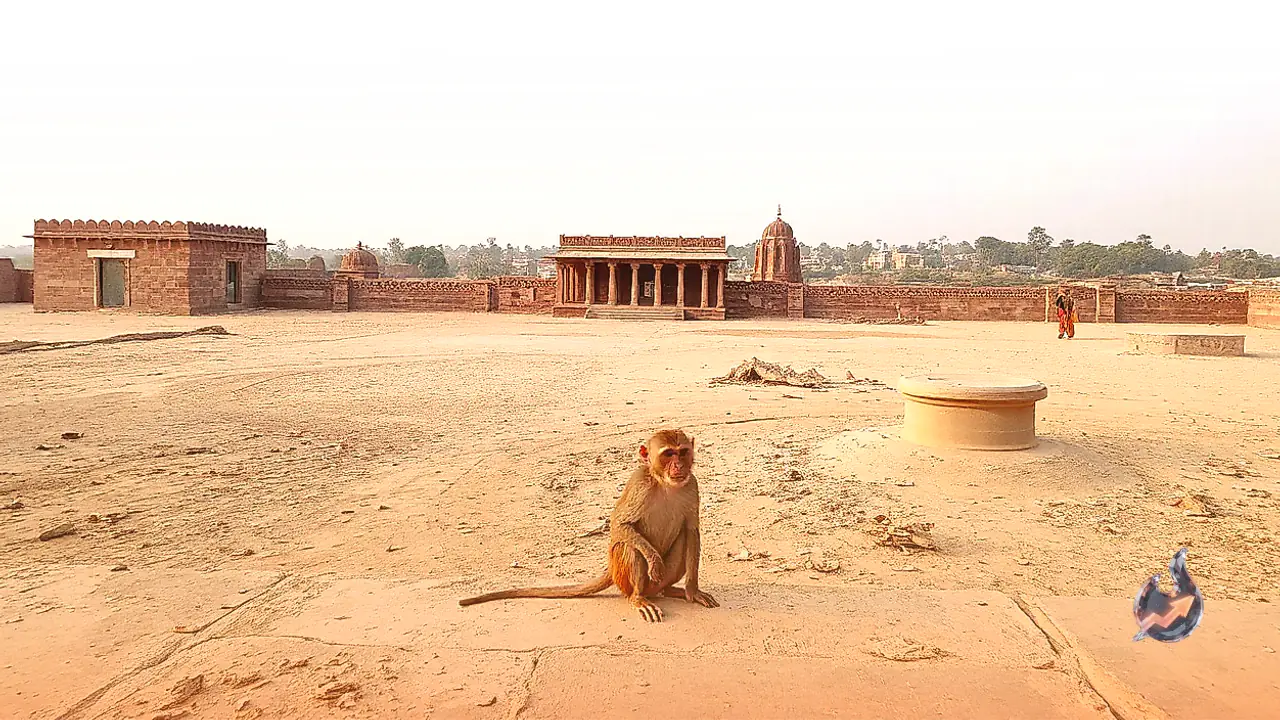
Multiple sections of the outer walls of Kirti Stambh had developed unsightly black and brown patches due to monkey urine and various environmental pollutants. Over time, these chemical deposits exert a detrimental effect on the stones, gradually weakening their upper layers. During the ongoing scientific conservation, all such blemishes and patches will be thoroughly removed, allowing the entire surface of the pillar to regain its uniform, original color. This will not only revive the historical aesthetic appeal of the monument but also ensure the long-term preservation of the natural quality of the stone.
Special maintenance conducted once every decade and a half
According to experts, much like human health requires periodic medical attention, the stones of historical edifices demand regular and systematic care. Such extensive scientific conservation is not executed annually; instead, it is undertaken roughly once every 15 to 20 years based on requirement and wear. If such preservation is neglected for extended periods, the stones begin to erode internally, accelerating their natural deterioration. Although the department has not disclosed any official figures regarding the budget, upon completion of the work over the next two to three months, the Kirti Stambh is expected to appear much cleaner and structurally secure than before.