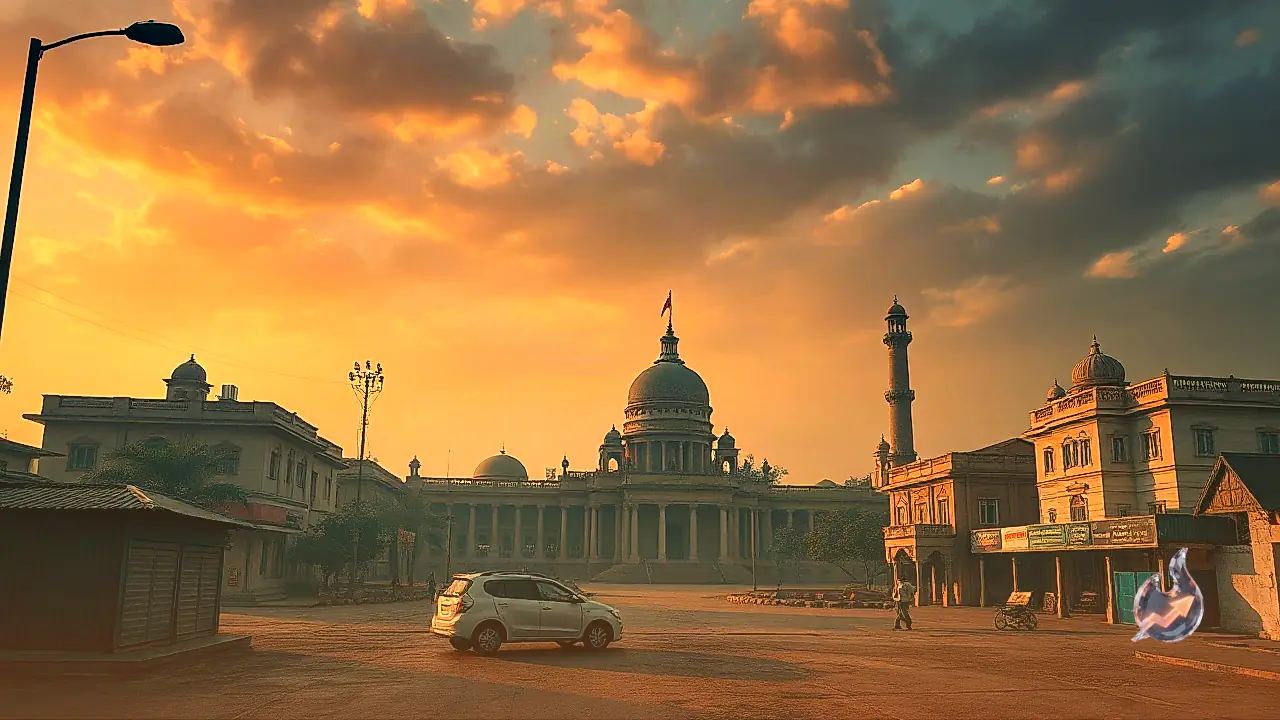

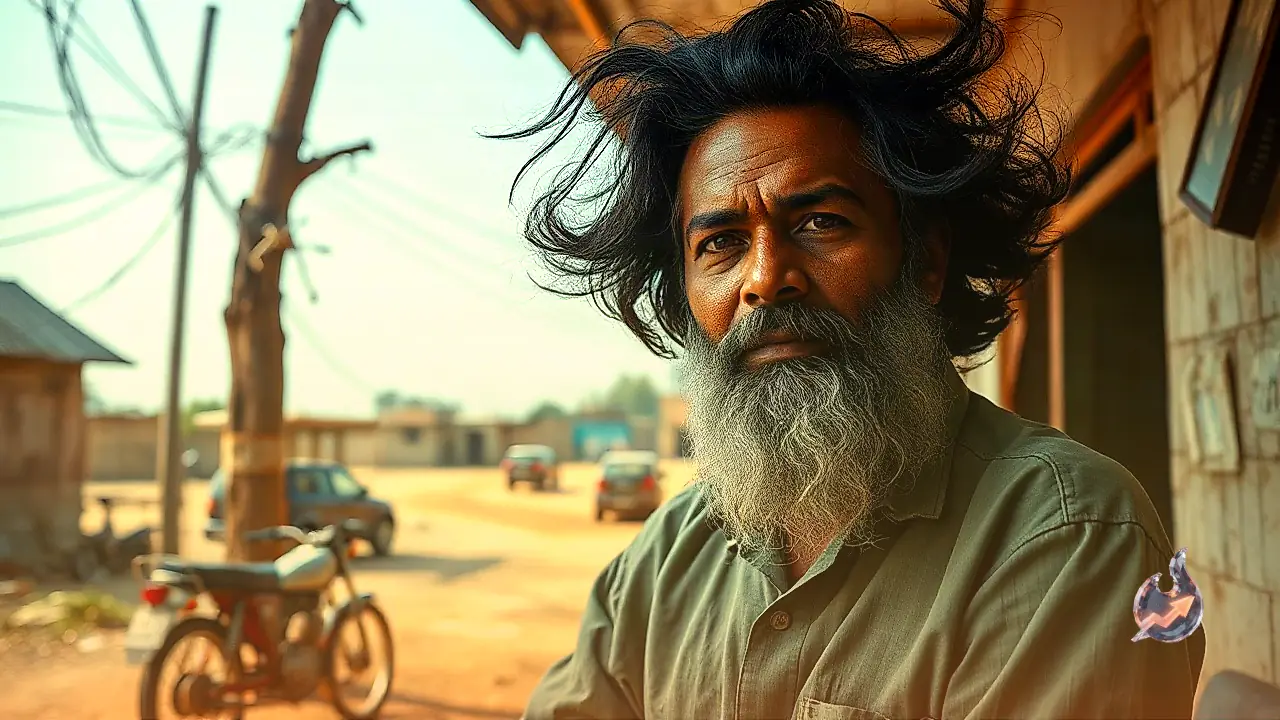
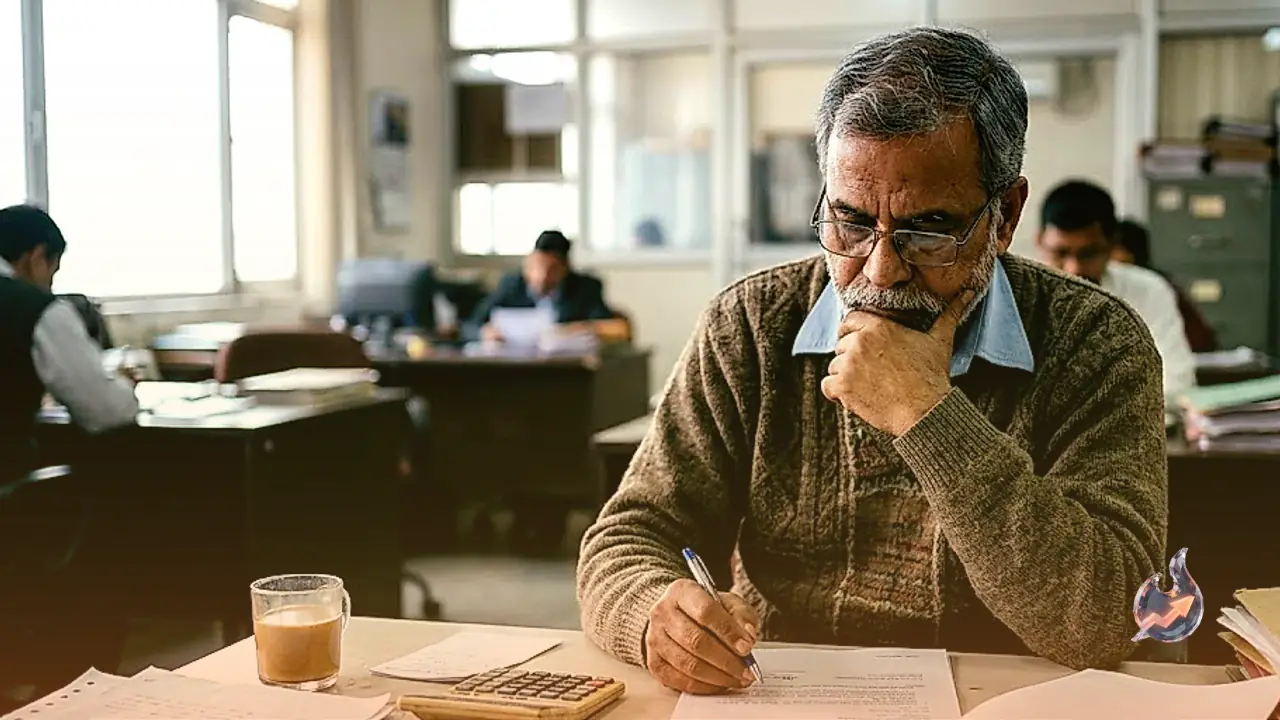














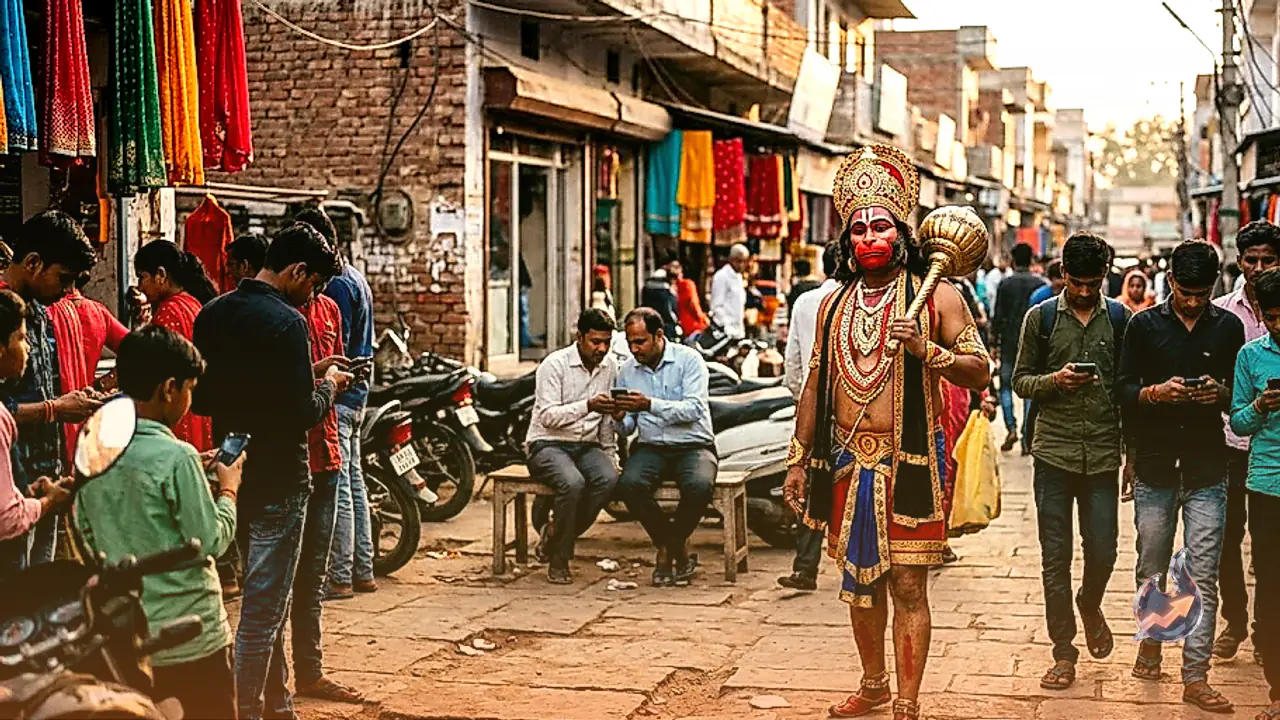

A performer who could turn into a king, a sadhu or a deity within minutes once turned every village fair in Rajasthan into a stage. That performer, known as a bahurupiya, is now struggling to find an audience at all as digital entertainment takes over daily life.
An art built on becoming someone else
Bahurupiya art has long been recognised as one of Rajasthan's distinct folk traditions, one of the customs that gives the state a separate cultural identity across the country. Bahurupiya performers would dress up and act out a wide range of characters, using dialogue, expressions and acting skill to entertain crowds. For years, this was one of the main sources of entertainment in villages and in the lanes of towns.
In the Brij region around Bharatpur, the art form has carried particular weight. Bahurupiyas were a regular and welcome sight at fairs, religious events and public functions held in villages, and their arrival was often the biggest draw of the occasion. A single performer might appear as a king or emperor one day, a sadhu or saint the next, and take the form of a deity or a historical figure on another occasion. Whichever character they chose, their acting and entertaining style was enough to pull large crowds together to watch.
Talent over resources
What set bahurupiya performers apart was never just their costumes or make-up. The real skill lay in how completely they lived a character through their acting, holding an audience's attention for hours with very limited resources at their disposal. That talent is precisely what turned bahurupiya performances into such a significant part of Rajasthan's folk culture over the years.
Mobile screens replace the village crowd
The nature of entertainment itself has since changed completely. Mobile phones, internet access, social media, television and other digital platforms have reshaped how people choose to spend their leisure time. Where audiences once stepped out of their homes specifically to watch a performer, entertainment today arrives directly on a mobile screen, removing much of the need to go looking for it.
This shift has hit bahurupiya artists directly, affecting both their livelihood and the standing of their art form. A number of performers still dress up and go out among people to keep the tradition going, but they no longer receive the same enthusiasm or respect from audiences that earlier generations once did. Younger people, too, are steadily drifting away from the art form, leaving fewer prospects for it to be carried forward.
A tradition that needs protection
The case being made now is that bahurupiya art should no longer be treated only as a form of entertainment but recognised and protected as part of Rajasthan's folk heritage. That would mean giving performers proper platforms to showcase their skills, along with financial support and fresh opportunities to reach new audiences, so the art can be passed on to future generations. Without that support, the tradition that once echoed through village after village risks being drowned out entirely by digital noise.