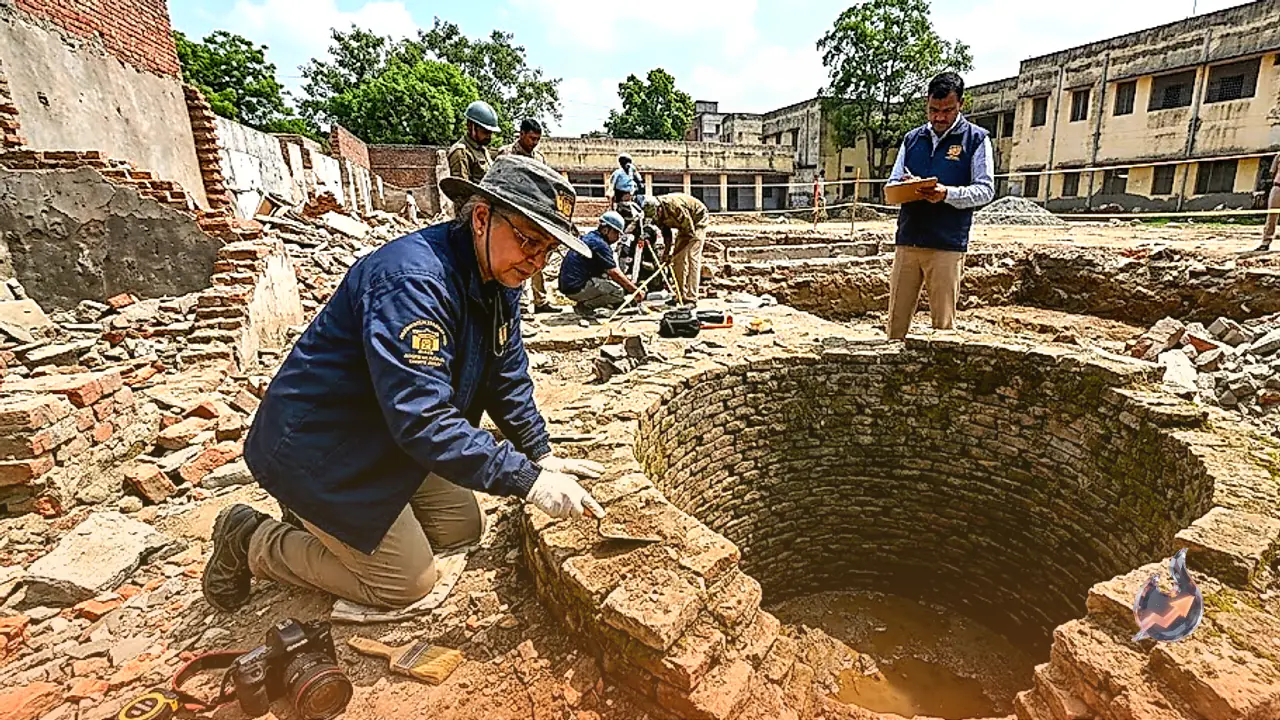
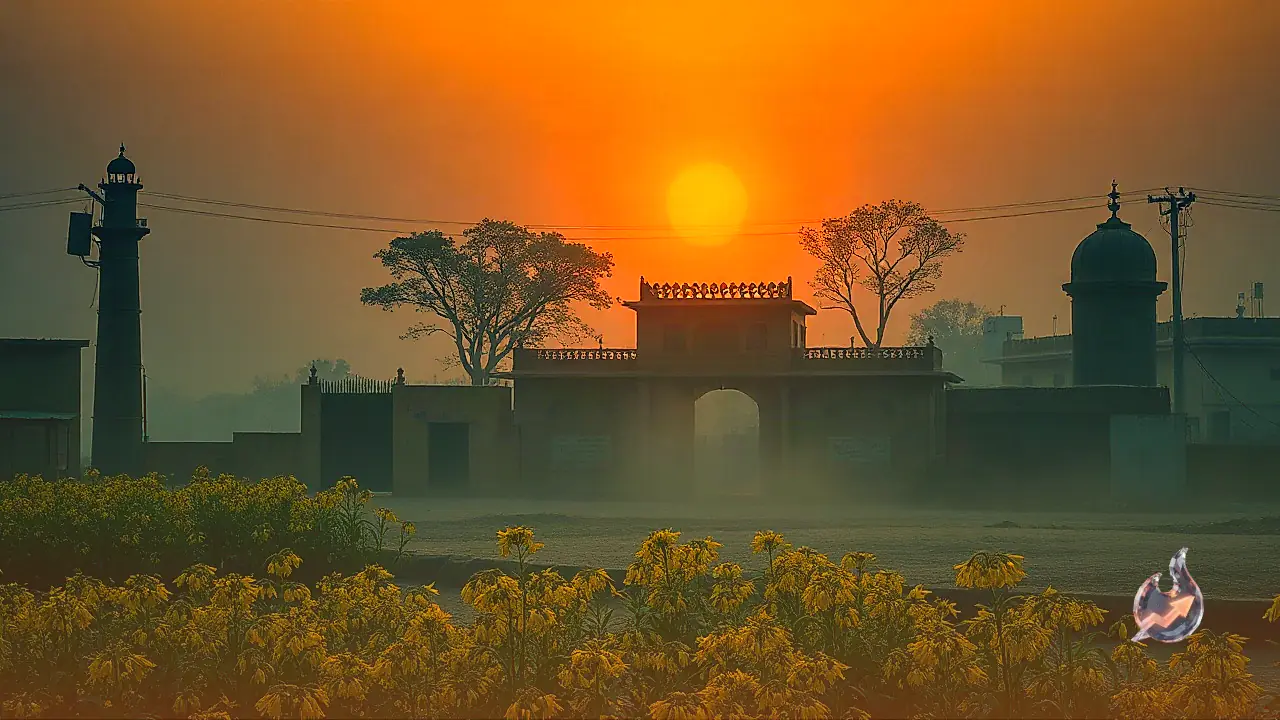
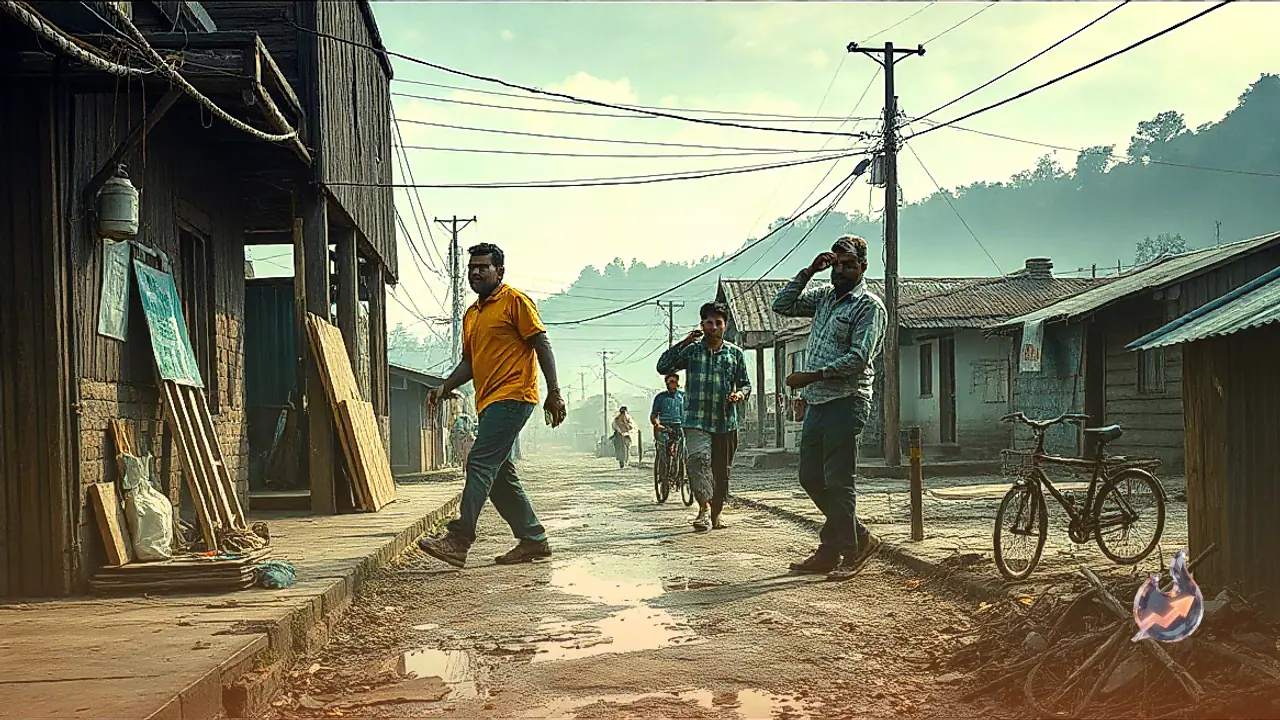


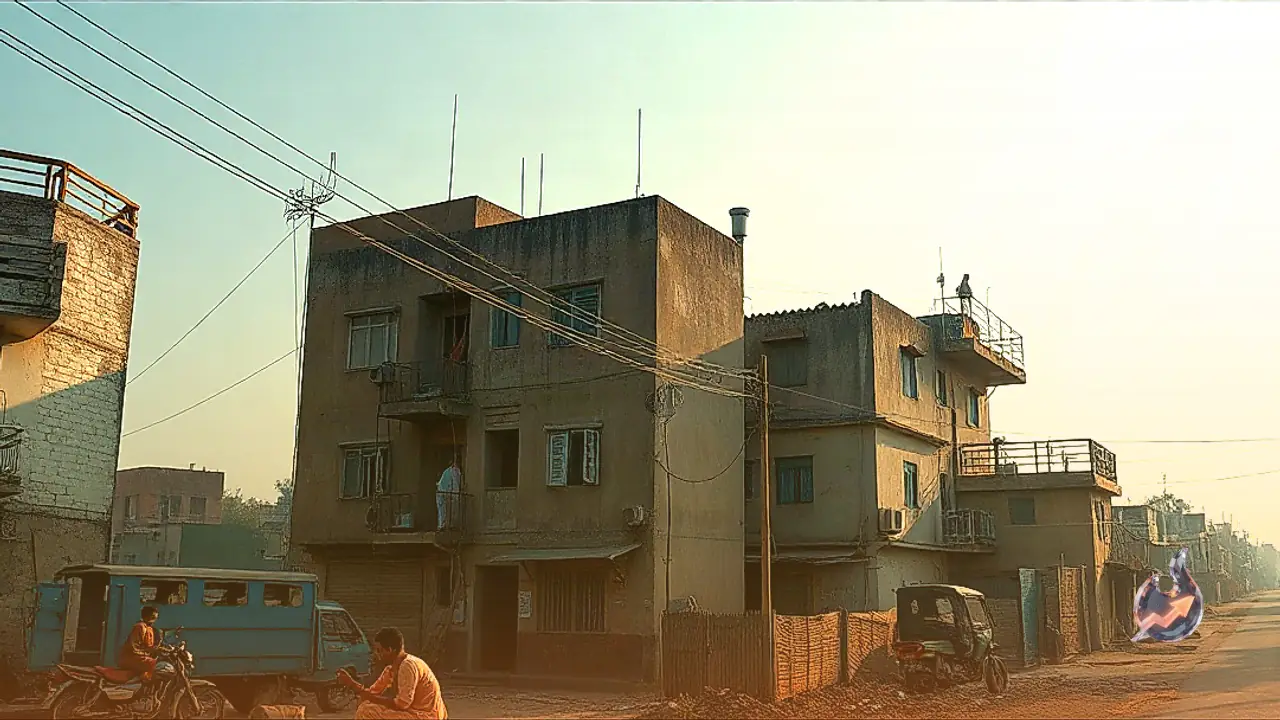
















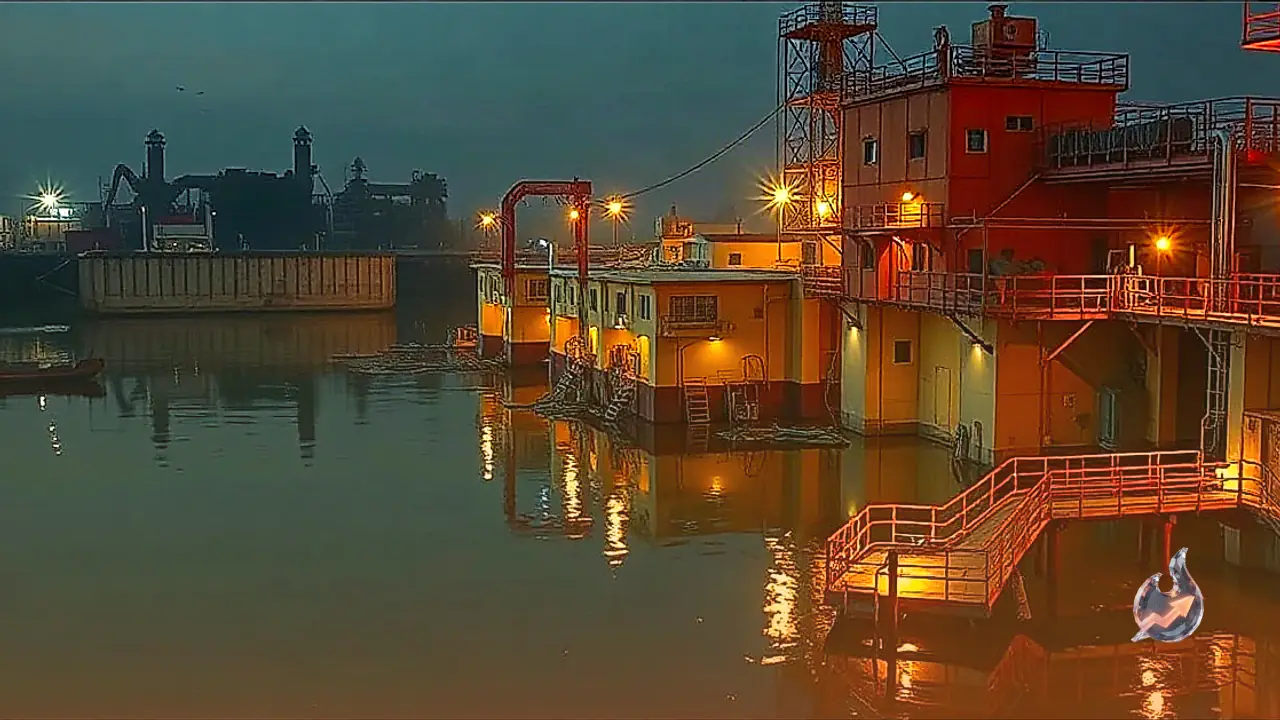

For years, the Jajmau neighbourhood of Kanpur carried a grim reputation, seen as one of the most polluted parts of the city, largely because of the tanneries whose untreated discharge used to flow straight into the Ganga. To break that cycle, authorities built a Common Effluent Treatment Plant, or CETP, with a 20 MLD capacity in Jajmau at a cost of around Rs 450 crore, aimed squarely at intercepting that flow before it could reach the river. Construction finished in 2019, but the plant only began running at full capacity from 2024. Today, roughly 10 to 12 MLD of contaminated water arrives at the plant every day, and it passes through several treatment stages before being sent further downstream.
How wastewater from four zones reaches the plant
Jajmau currently has 276 tanneries in operation, and none of them are allowed to discharge waste directly into the river. Instead, the area is split into four zones, and effluent is piped to separate pumping stations. Water from pumping stations one, two and four is funnelled into pumping station three, which functions as the master pumping station. From there, all the wastewater is sent to the CETP's inlet, where actual treatment begins. Vikas Tiwari, a project engineer with the National Mission for Clean Ganga, said the plant relies on the activated sludge process. Large debris and heavy particles, referred to as grit, are removed first, after which the water moves into a TSS tank where suspended solids are filtered out.
Multiple stages needed to strip out chromium and other toxins
Tannery effluent typically contains chromium and other chemicals that can be hazardous to the environment if released untreated, which is why the CETP relies on a multi-stage process rather than a single treatment step. After grit removal and the TSS tank, the water undergoes chemical dosing followed by biological treatment. It is then refined further using ultra-filtration and other techniques. An extended aeration system also plays a key part in this chain, using biological processes to cut down pollutant levels in the water. That layered approach is meant to ensure no single stage becomes a weak link that lets untreated effluent slip through. Once treated water clears every stage, it is channelled to farmland through an irrigation channel. Officials from the National Mission for Clean Ganga say that since the CETP became operational, tannery effluent is no longer flowing directly into the Ganga.
A 20 MLD capacity, but only half the water is arriving
The plant is built to treat 20 MLD, or about two crore litres, of contaminated water every day, though at present only around 10 to 12 MLD is reaching it. One reason is that most tanneries in Jajmau are running at half their capacity. Ajit Suman, a regional officer with the Uttar Pradesh Pollution Control Board, said operating tanneries have only been permitted to function at half capacity. Current figures show 65 tanneries are completely shut, 13 are allowed to carry out only dry processes, and 46 fall in the dismantled category. That gap between the plant's built capacity and the volume it currently handles reflects just how much of Jajmau's tannery output is still constrained.
Breaking the biggest link in the pollution chain
The Jajmau plant matters because it targets the single biggest link connecting the leather industry to pollution in the Ganga. Its location, at the exact point where tannery discharge once entered the river, underlines why officials consider it central to the broader effort against pollution. A neighbourhood once synonymous with the river's contamination is now home to a treatment facility, built at a cost running into hundreds of crores, that intercepts and cleans wastewater before it ever reaches the Ganga.