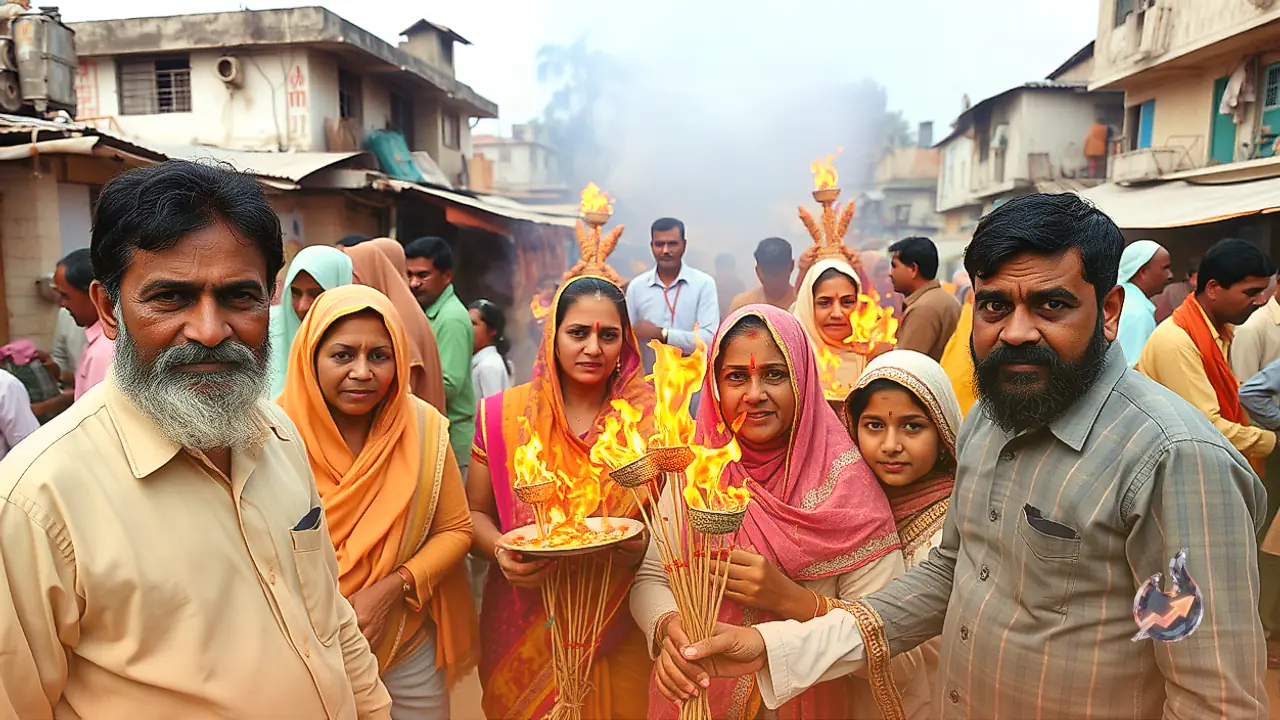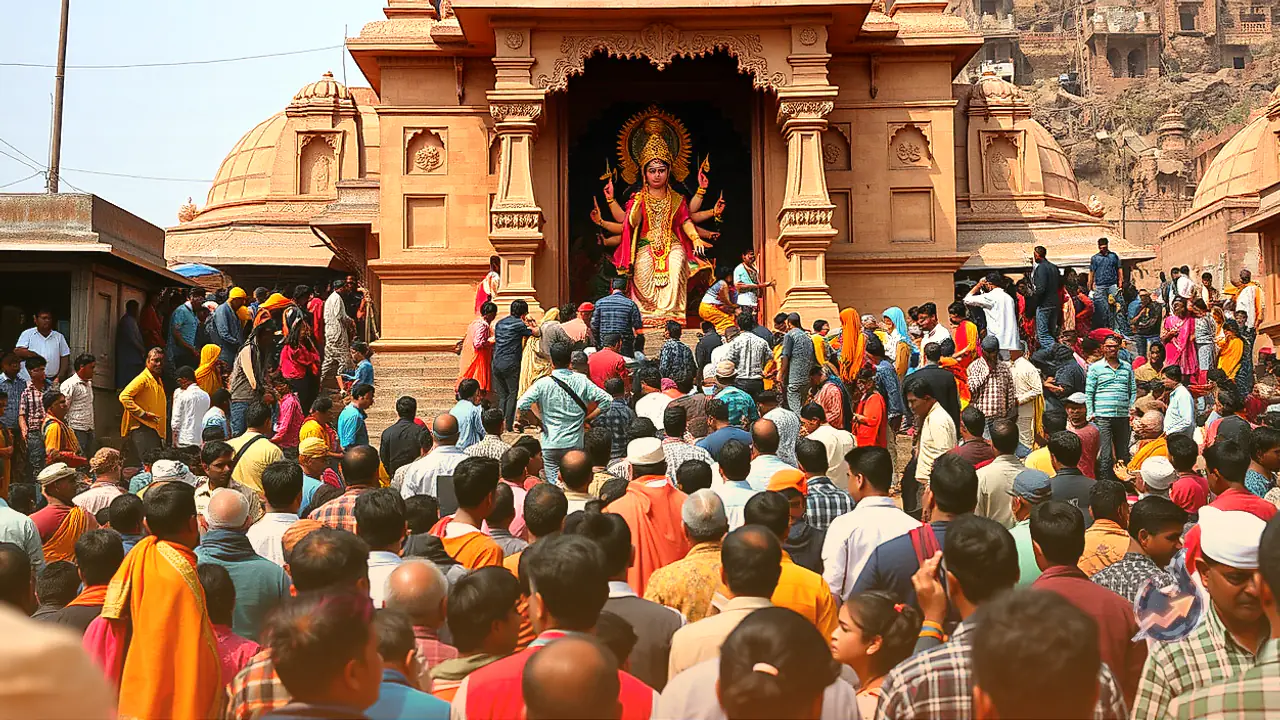


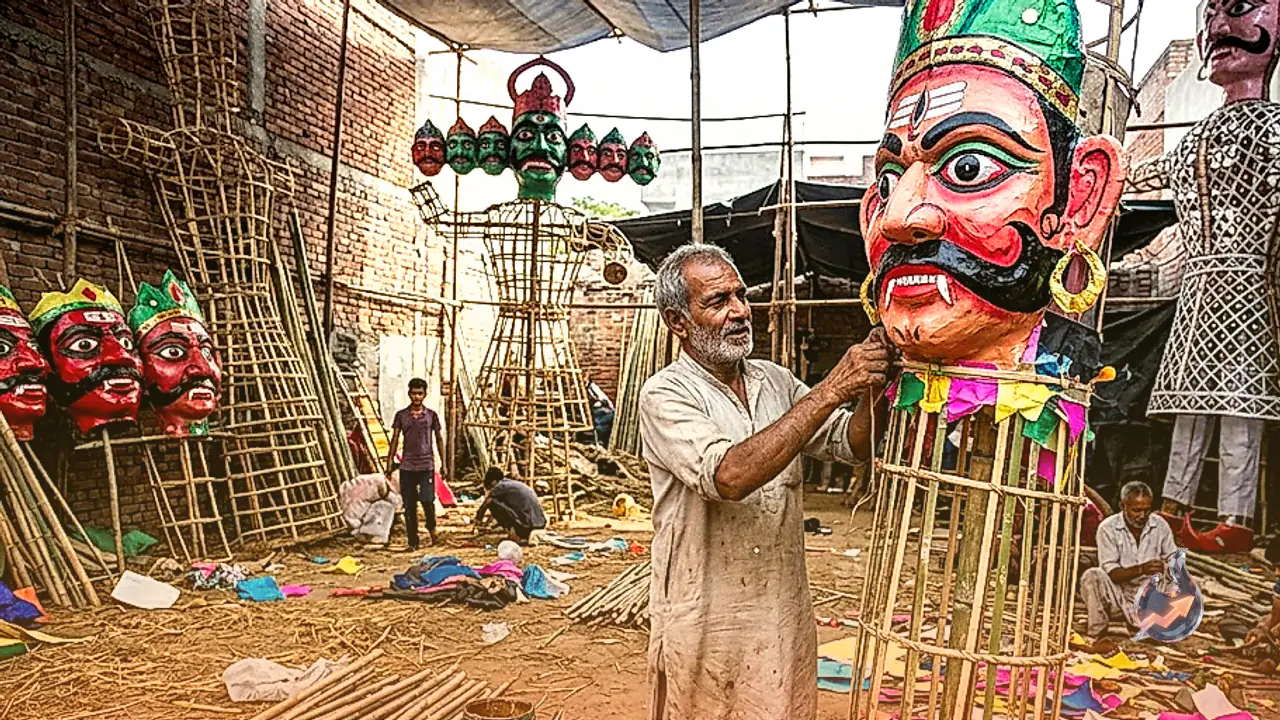
















The festival celebrating the victory of good over evil carries a profound message of communal harmony in Bhilwara, Rajasthan. In this region, the families of Rajesh Kumar Ganchha and Samad Bhai Shoragar have been joining forces for the past four generations to construct effigies of Ravan, Meghnath, and Kumbhkaran. This enduring partnership goes far beyond mere craftsmanship, standing instead as a shining example of mutual trust, shared heritage, and deep-rooted brotherhood.
A Tradition Rooted in Lifelong Friendship
According to Rajesh Kumar Ganchha, the tradition was originally forged by his father, Gyarsilal Ji Ganchha, and his close friend Suleman Ji Shoragar, who spent long years working side by side to build these festive structures. Although the original artisans are no longer alive, their descendants have successfully kept the legacy alive. The families have been collaborating on this craft for nearly 50 years, with the current generation seeing Rajesh Kumar working hand in hand with Suleman Ji's son, Samad Bhai Shoragar.
Passing the Legacy Down to the Fourth Generation
Even as the years have passed and the elders have departed, both families maintain the same spirit of cooperation that marked the beginning of their journey. The collaborative effort has now reached its fourth generation, with younger family members actively participating in the workshop and lending a helping hand. Throughout decades of working together, the participants note that they have never encountered any friction, maintaining a seamless environment defined by mutual affection and community spirit.
Effigies Distributed Across Multiple Locations
The collaborative workload involves supplying large structures to prominent venues across the city. At Tejaji Chowk, a towering 51-foot effigy of Ravan is erected alongside 35-foot effigies of Kumbhkaran and Meghnath for the customary burning ritual. Additionally, pairs of effigies accompanied by animal structures are dispatched to various surrounding localities, including Mazdoor Colony, Labour Colony, Sanganer, Salera, and Pur, to meet local festive demands.