





















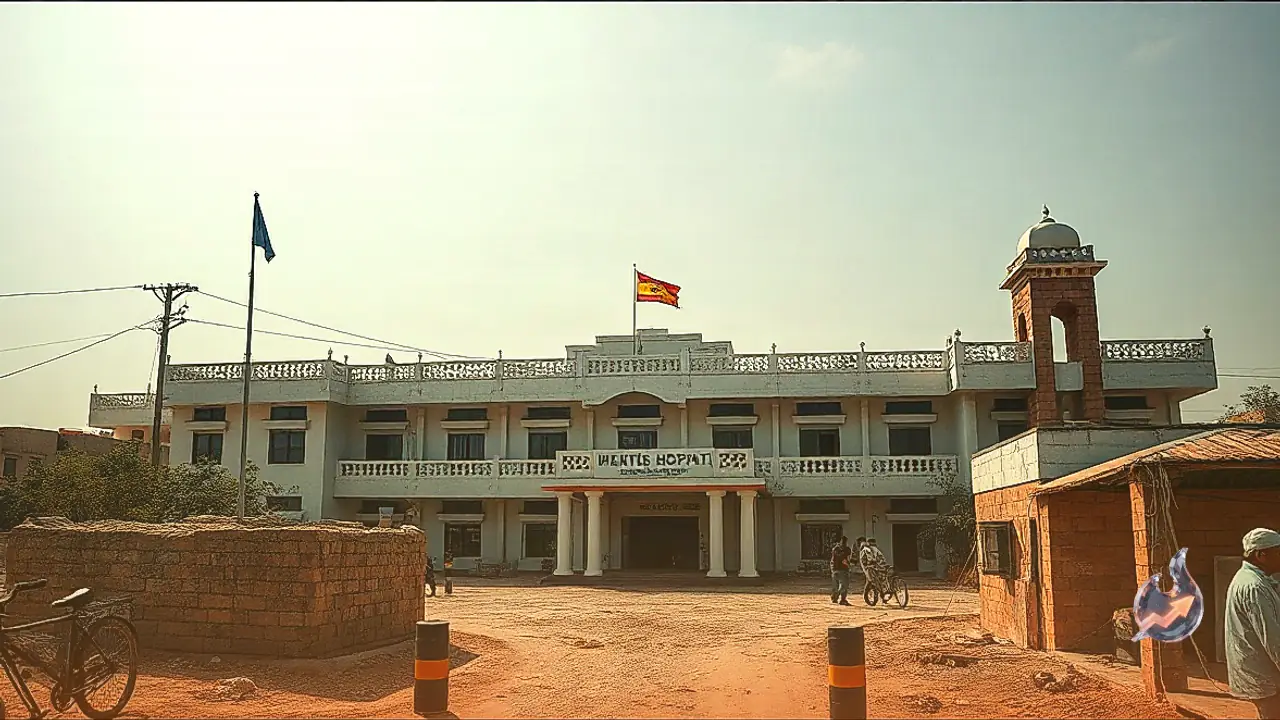

In a deeply concerning development at the Maternal and Child Health Unit of Bundi District Hospital in Rajasthan, a wave of panic has swept through both the local administration and the healthcare department following the tragic deaths of two postpartum women. The victims were among four women who underwent cesarean section deliveries within a forty-eight-hour window on September 16 and September 17. Shortly after their respective surgeries, the clinical conditions of all four patients began to decline rapidly, prompting hospital authorities to transfer them to advanced medical facilities. Regrettably, two of these women, identified as thirty-two-year-old Kavita and thirty-three-year-old Varsha, succumbed during their treatment, raising serious questions about the safety of the medical procedures and pharmaceuticals utilized at the district facility.
A Timeline of the C-Section Deliveries and Transfers
According to the established timeline of events, the crisis began unfolding on September 16, when medical staff at the Maternal and Child Health Unit performed cesarean deliveries on two pregnant women. Post-surgery, both patients showed severe complications, necessitating immediate referral to other healthcare facilities for specialized intervention. Among them, thirty-two-year-old Kavita was moved to a private hospital, where she unfortunately passed away while receiving treatment.
Undeterred by the complications of the previous day, the hospital team proceeded with two more cesarean surgeries on September 17. In an alarming repetition of events, the health of these two patients also deteriorated rapidly post-delivery. They were quickly referred out, and thirty-three-year-old Varsha lost her life during the emergency treatment. The sudden cluster of life-threatening complications in four consecutive surgical patients over just two days has sent shockwaves through the district hospital's medical team and management.
Suspected Medical Causes: Kidney Failure and Urine Retention
Preliminary clinical observations indicate that the critical complications experienced by the four mothers were characterized by acute urine retention and subsequent kidney failure. Medical experts are currently investigating whether these life-threatening physiological reactions were triggered by severe side effects of specific medications administered during or after the surgeries, or if they were the result of procedural complications related to the surgical interventions themselves.
Despite these initial assessments, the exact biological cause of the deaths remains unconfirmed. Healthcare authorities have emphasized that the definitive reasons behind this medical tragedy will only be established once the comprehensive laboratory reports and clinical investigation findings are officially released.
Immediate Sealing of the Operation Theater
Recognizing the severity of the situation and the potential risk to other patients, the district administration has taken immediate preventative action. The operation theater of the Maternal and Child Health Unit has been locked and sealed, halting all surgical operations, including scheduled and emergency cesareans, until a thorough investigation is completed. Specialized teams have been dispatched to collect diverse environmental and medical samples from the facility. The investigation will scrutinize the operation theater's sterility, the inventory of drugs administered to the patients, the surgical instruments used, and other environmental factors that could have introduced contamination or caused adverse reactions.
Following the escalation of the incident, Additional District Collector H.D. Singh visited the district hospital to review the situation firsthand. During his visit, the senior administrative officer engaged in detailed discussions with the operating theater staff, attending physicians, and the Principal Medical Officer. He gathered extensive feedback regarding the exact treatment protocols followed for each of the four women, the chronological progression of their clinical deterioration post-operation, and the administrative decision-making process involved in referring them to external facilities.
Formulation of Joint High-Level Inquiry Teams
To ensure a transparent and unbiased probe, two separate high-level inquiry committees have been officially constituted. The first committee consists of medical experts appointed by the health department, while the second is an administrative inquiry team formed by the district administration. These dual panels are tasked with conducting an exhaustive investigation into every facet of the incident. This includes reviewing the surgical techniques employed, auditing the specific batches of medicines and anesthetics administered, examining the post-operative monitoring standards, and evaluating the response times during the crisis.
PMO N.L. Meena stated that the hospital administration is treating the matter with utmost gravity and is cooperating fully with the investigators. He reiterated that the true nature of the complications and the definitive cause of the deaths will only be clarified after the inquiry committees submit their formal reports.