




















Natural Rock Formation on a 1200-Foot Hill in Magriwada Resembles Lord Ganesha, Drawing Devotees in SirohiRajasthan
19 Sept 2026, 2:30 pm (29 min ago)· 0

Natural Rock Formation on a 1200-Foot Hill in Magriwada Resembles Lord Ganesha, Drawing Devotees in Sirohi

A 1200-foot natural hill in Magriwada village in Rajasthan's Sirohi district naturally resembles Lord Ganesha, drawing pilgrims who also visit an ancient cave shrine dedicated to Aapeshwar Mahadev.

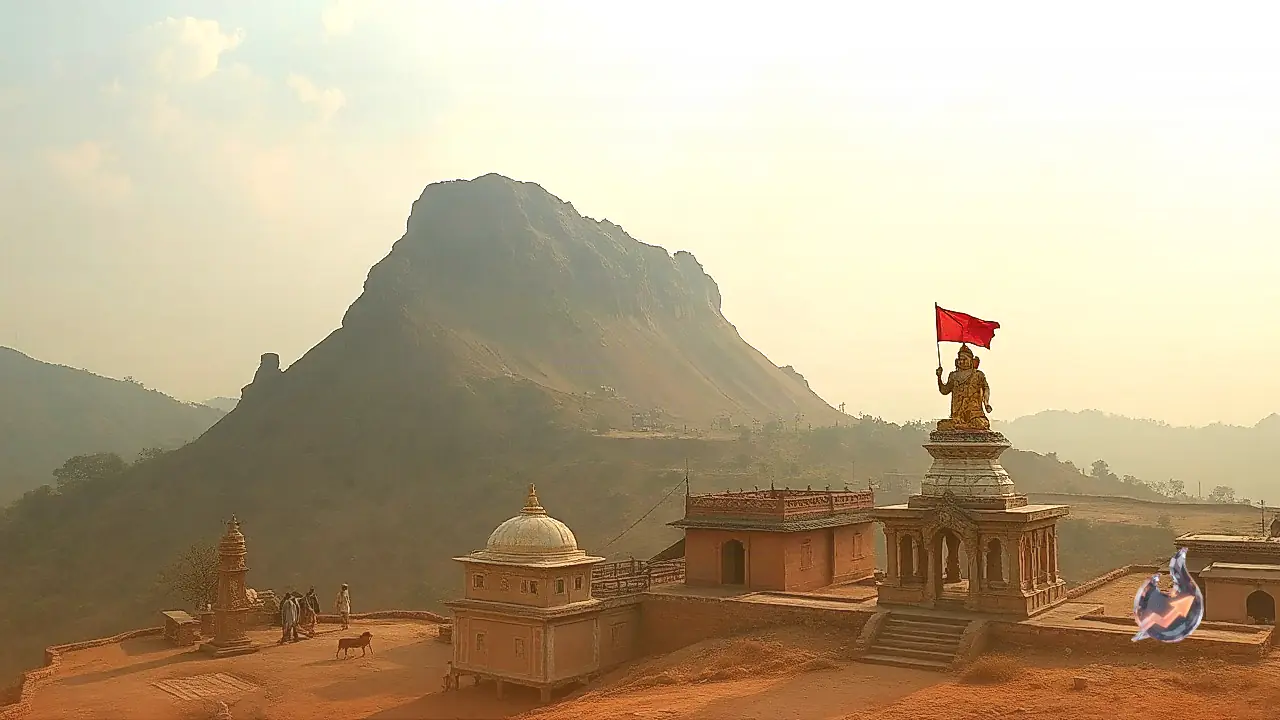
In Magriwada village, situated in the Reodar subdivision of Rajasthan's Sirohi district, nature has carved an extraordinary landmark amidst the Aravalli hills. Rising approximately 1,200 feet high, a distinct rocky hill displays the complete silhouette of Lord Ganesha without any chisel or hammer ever touching its stone. The formation is entirely natural, where weathering and rock arrangements seamlessly mirror the elephant-headed deity's head, trunk, ears, and prominent abdomen. The outline is so clear and prominent that observers can identify it from a distance of 3 to 4 kilometres across the plains.

Discovery by Local Herders and Growing Veneration

Ramsingh, a devotee residing in nearby Mandar, explained that the village derived its name from the numerous small hills in the area, referred to as 'magri' in the regional dialect. Over time, the village became known as Magriwada, and the landmark came to be reverently called 'Magri Wale Ganesh'. Decades ago, local goat herders who grazed their livestock on these remote slopes were the first to notice the uncanny divine shape formed by the boulders. What began as a local curiosity gradually transformed into an established pilgrimage destination. Starting in 2006, an annual tradition began where devotees traverse the rugged and rocky path to the hilltop to hoist a ceremonial flag.

Also read

Ancient Aapeshwar Mahadev Temple Located in a Cave

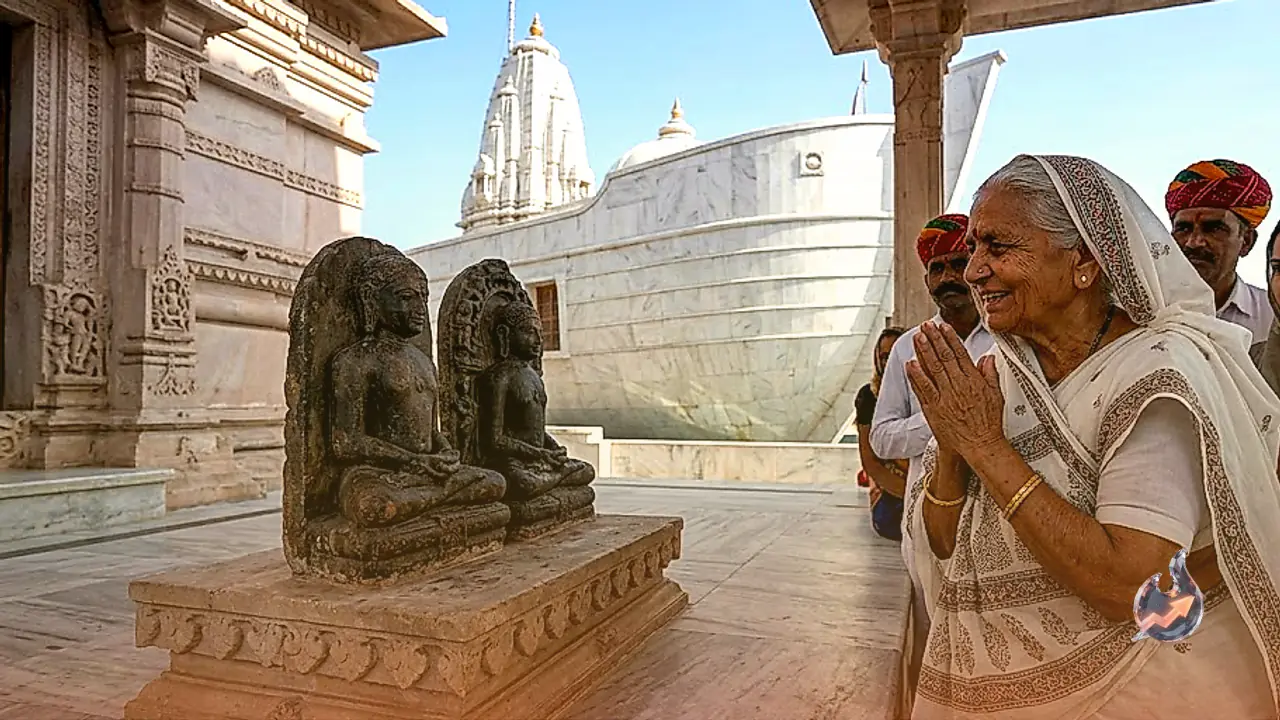
Close to this natural formation, a historic cave houses the Aapeshwar Mahadev temple, marking the location as a sanctuary for spiritual seekers. The spot holds deep spiritual significance, having served as a retreat for ascetics over generations. Around 80 years ago, a revered ascetic, Muniji Maharaj, undertook intense penance within this very cave for a continuous period of 12 years. Popular faith holds that visiting this sanctified ground dispels troubles and blesses families with peace, happiness, and prosperity.

Annual Rituals by the Priest Community and Regular Pilgrims

Every year, members of the Raval Pujari Brahmin community, joined by local villagers, climb the hill to conduct elaborate traditional prayers and rituals. Beyond Magriwada, hundreds of visitors travel from Reodar, Mandar, and several neighbouring hamlets to pay their respects. Navigating steep and narrow trails worn into the rocky terrain, worshippers make the strenuous ascent to worship both the natural Ganesha formation and the ancient cave shrine.


Questions & Answers

Where is Magriwada village located?
Magriwada village is situated in the Reodar subdivision of Sirohi district in Rajasthan.
What makes the hill in Magriwada unique?
The 1,200-foot hill features naturally formed rock patterns resembling Lord Ganesha's head, trunk, ears, and belly, clearly visible from 3 to 4 kilometres away.
How did Magriwada village get its name?
In the local dialect, hills are called 'magri', and the presence of numerous hills in the area led to the village being named Magriwada.
Which ancient shrine is located on this hill?
An ancient cave on the hill houses the Aapeshwar Mahadev temple.
Which ascetic meditated in the hill's cave?
The revered ascetic Muniji Maharaj undertook penance in the cave for 12 years approximately 80 years ago.
When did the annual tradition of hoisting a flag on the hill begin?
The practice of climbing the rocky hilltop to hoist a ceremonial flag began in the year 2006.

Comments 2

Rohan Verma@rohan-verma·just now

This report highlights a unique intersection of religious tourism and natural heritage in Rajasthan's Sirohi district. Such sites hold immense potential to stimulate the local rural economy while fostering eco-faith tourism. If the administration develops basic infrastructure along these rugged trails, it will significantly ease the movement of pilgrims visiting the region.

Karan Malhotra@karan-malhotra·just now

This site holds immense religious and cultural significance, but the rugged terrain and rocky trails also highlight a critical need for robust public safety and disaster management arrangements. Since hundreds of devotees navigate narrow paths every year, the local administration and police department must formulate a dedicated action plan focusing on crowd control, emergency medical services, and trekking safety to prevent any untoward incidents.

Citizen journalism

Become a TrendKia journalist

Voice of the people

Share news, photos and videos from your area with TrendKia and let your voice reach the nation. Every citizen a journalist.

Join now
CH 01 LIVE
TrendKia TV ON AIR
Chamar no WhatsApp