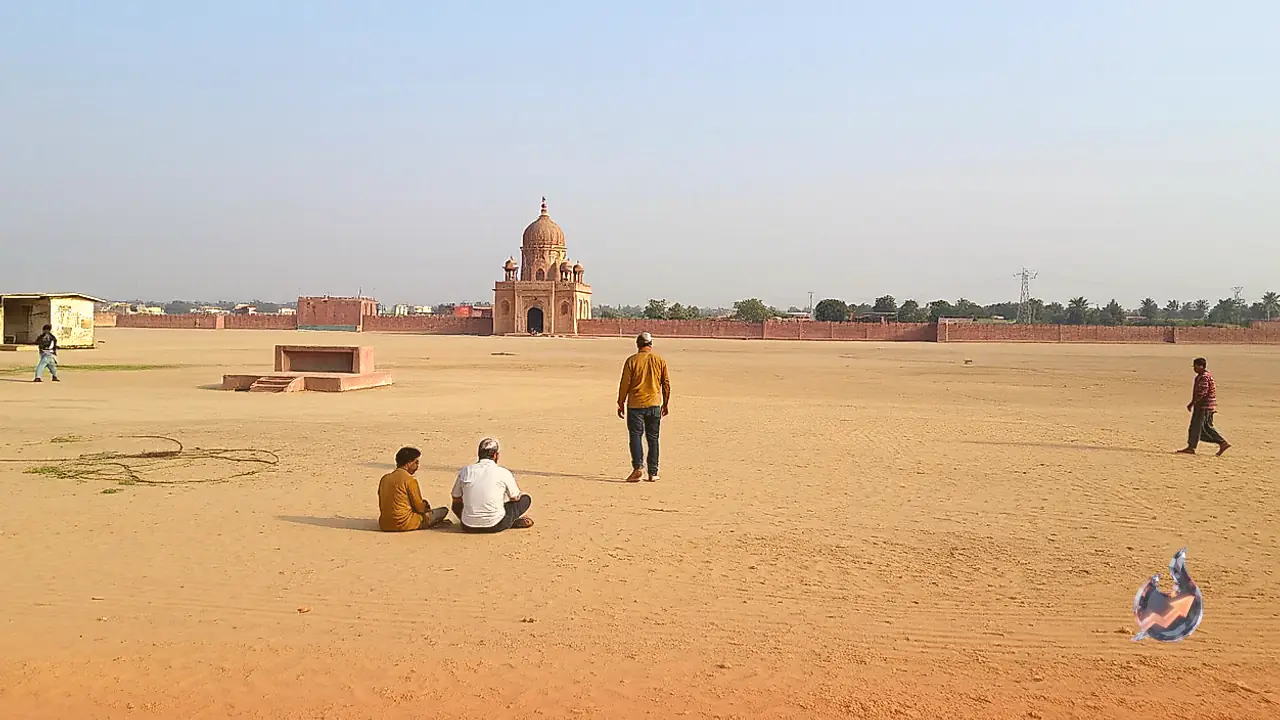



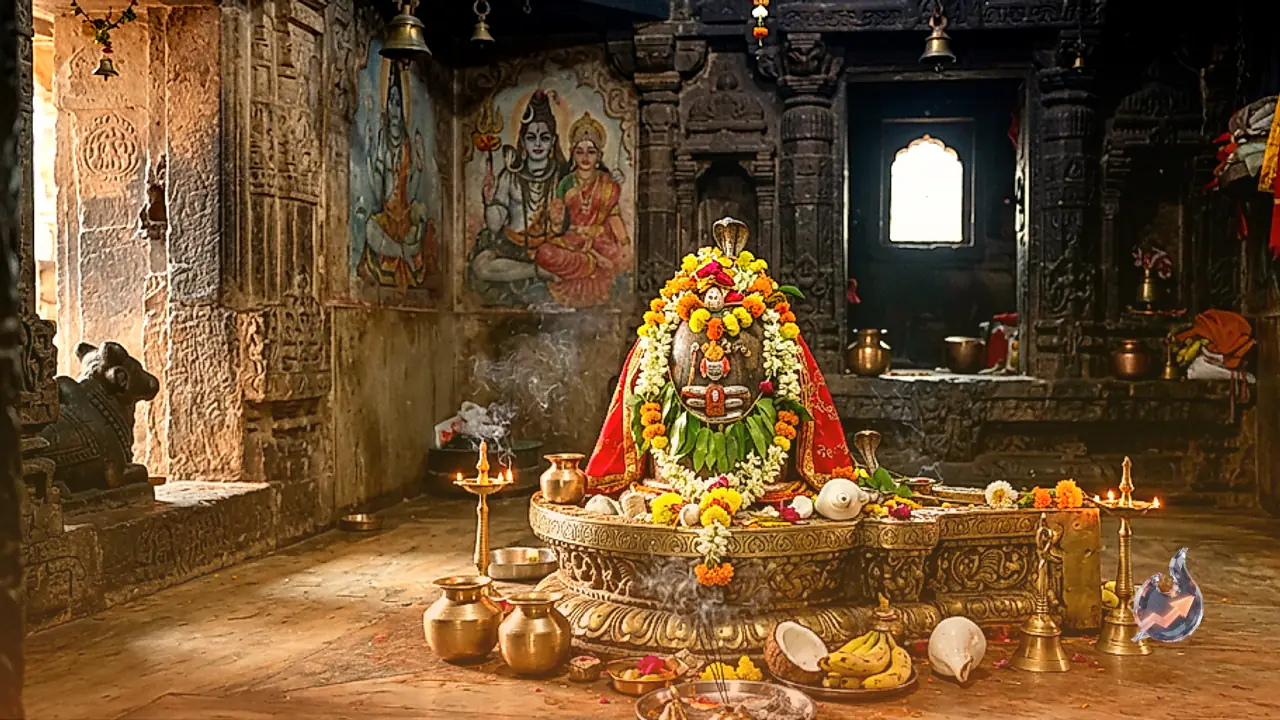














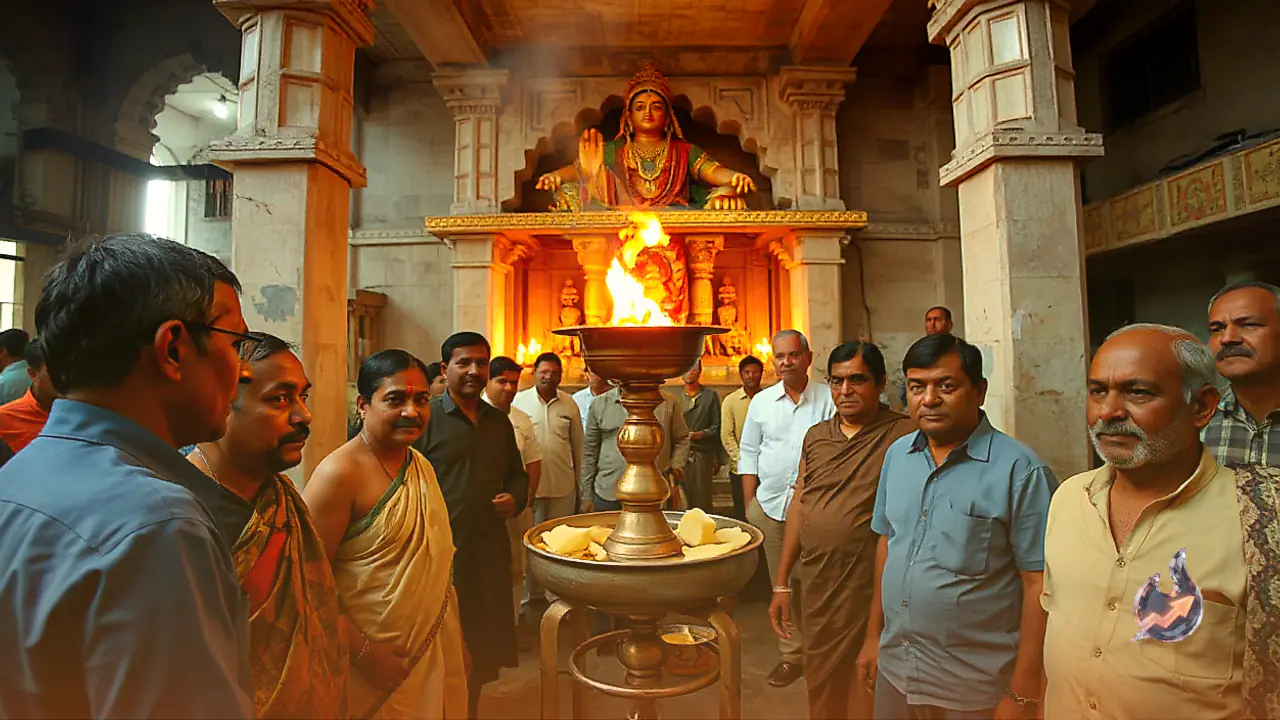

Tucked away in Edulabad village of Ghatkesar mandal within the Medchal district of Telangana, very close to the bustling city of Hyderabad, stands a remarkable monument of sacred heritage and distinct architecture. The Sri Ranganayaka Swamy temple, housing the divine presence alongside Goda Devi, carries six centuries of living traditions. Locally revered also as Garudadri Kshetram and celebrated as Uttara Srivilliputhur, this heritage shrine stands out across the subcontinent for ritual practices and sanctum arrangements that can barely be found anywhere else.
The Eternal Flame Fed by White Butter for Six Hundred Years
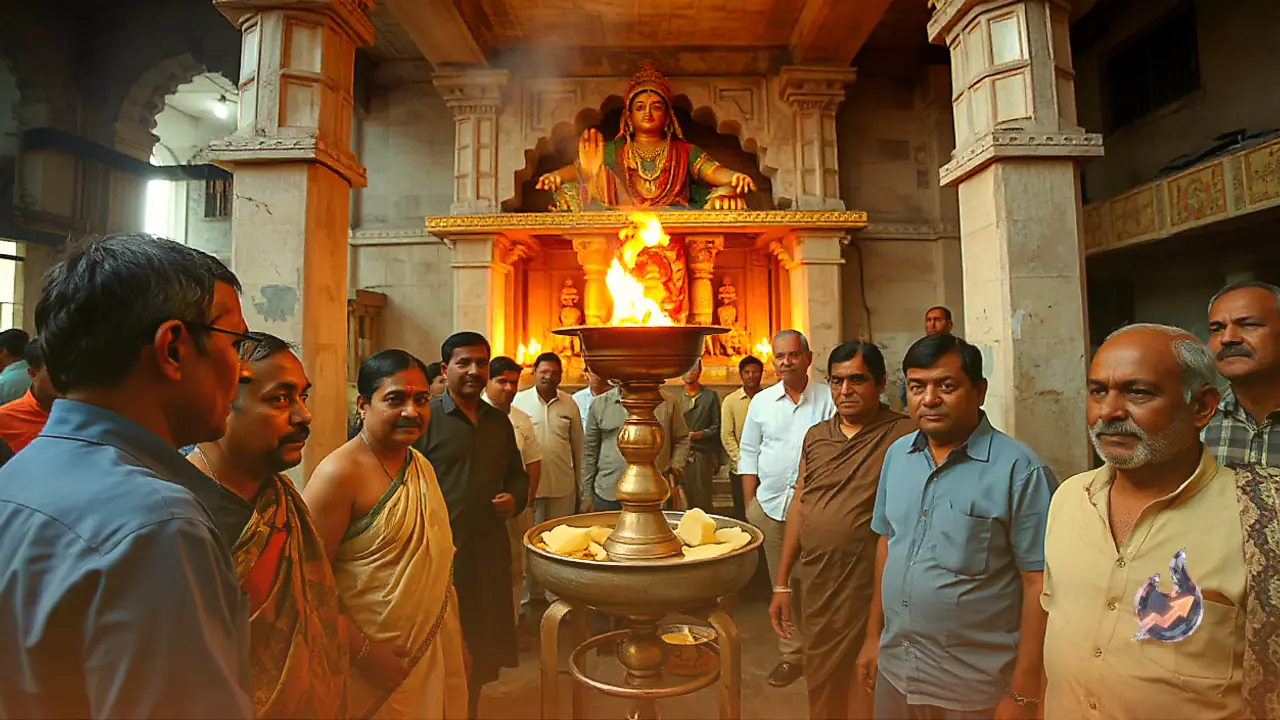
The foremost distinction of this sacred site is its unbroken ritual lamp, known locally as the Nandadeepam, housed in the central sanctum. According to longstanding belief among residents and custodians, this eternal light has remained continuously lit ever since the founding of the shrine approximately six hundred years ago. Unlike standard temple lamps that rely purely on conventional oils, this sanctum lamp is sustained uninterrupted through pure clarified butter and freshly prepared white butter. For six continuous centuries, generations of attendants have ensured that this unique fuel source keeps the inner sanctum luminous without ever letting the flame flicker out.
A Rare Divine Presence alongside the Divine Father-in-Law
Beyond its ancient lamp, the shrine shares a spiritual distinction matched only by the famed Srivilliputhur temple in Tamil Nadu. Across India, it is the sole other site where Lord Ranganayaka Swamy and Mother Goda Devi, also addressed as Andal Amma, are consecrated right beside Goda Devi's revered father, Vishnuchitta. Because Vishnuchitta is the father of the Goddess, he stands as the divine father-in-law to Lord Ranganayaka Swamy Himself. This divine family presence has shaped the cultural fabric of Edulabad village, where generations of locals have looked upon Mother Goda Devi not merely as a distant deity, but as their own cherished daughter.
Constructed under Golconda Rule Following a Devotee's Dream
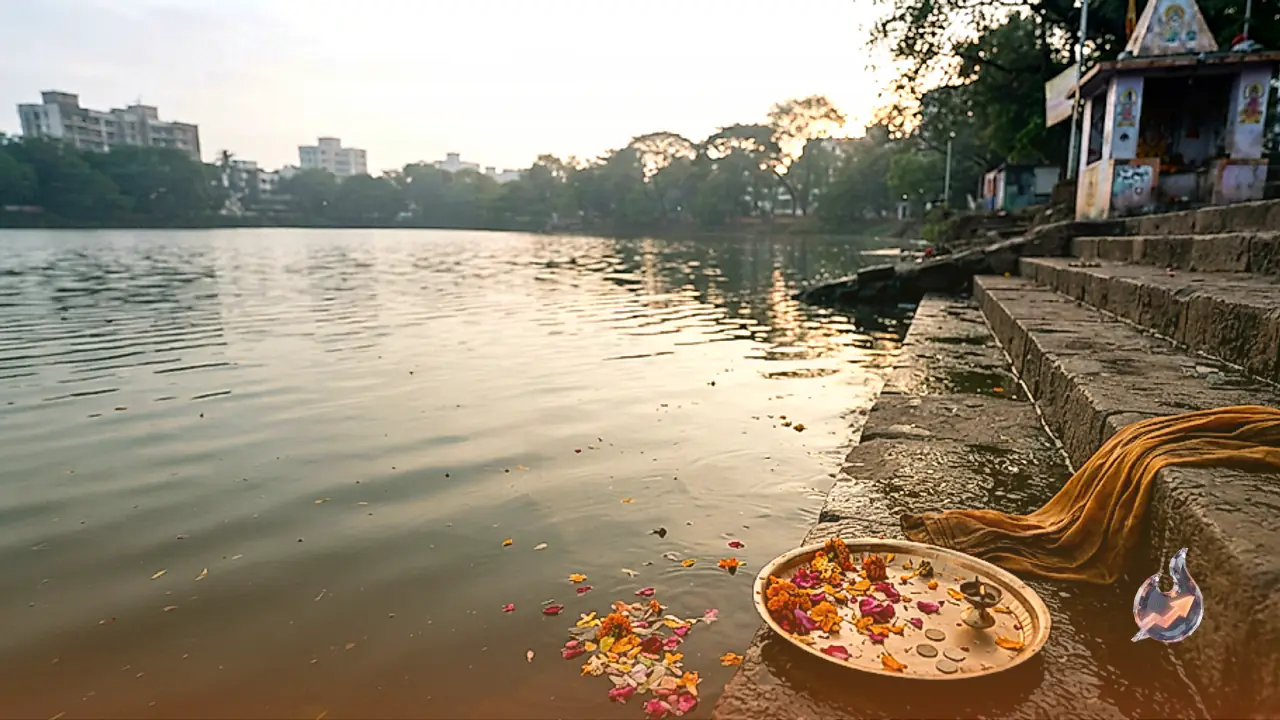
According to Rana Swamy of the temple administrative committee, the historic structure dates back roughly six hundred years to the reign of Golconda ruler Quli Qutb Shah. Traditional accounts narrate that an ardent devotee named Appalacharya received a direct spiritual command when the Mother appeared before him in a vivid dream, directing him to build a temple at this precise location. Obeying the divine vision, Appalacharya spearheaded the shrine's construction. The building features mesmerizing craftsmanship, most notably an interior hall sculpted from stone to mirror the imposing form of a monumental chariot. Adjacent to the stone complex lies a historic, sacred water tank that enhances the serene aura of the grounds.
The Legend of Gajulamma and the Devout Bangle Seller
The presiding Goddess is also deeply revered here under the beloved title of Gajulamma, meaning the deity of bangles. An ancient local account recounts how the Mother was deeply moved by the quiet, steadfast piety of an impoverished bangle seller centuries ago. Taking the physical form of a young girl, She appeared before the vendor and allowed him to place glass bangles onto Her wrists. In honoring that divine encounter, the temple maintains an enduring protocol during its annual Brahmotsavam celebrations, where the direct descendants of that very bangle merchant are granted the singular honor of offering the inaugural set of glass bangles to the deity. Today, young women and devotees journey here from across the region to present offerings of glass bangles and tie traditional vow bags, praying for early marriages and lifelong marital happiness.