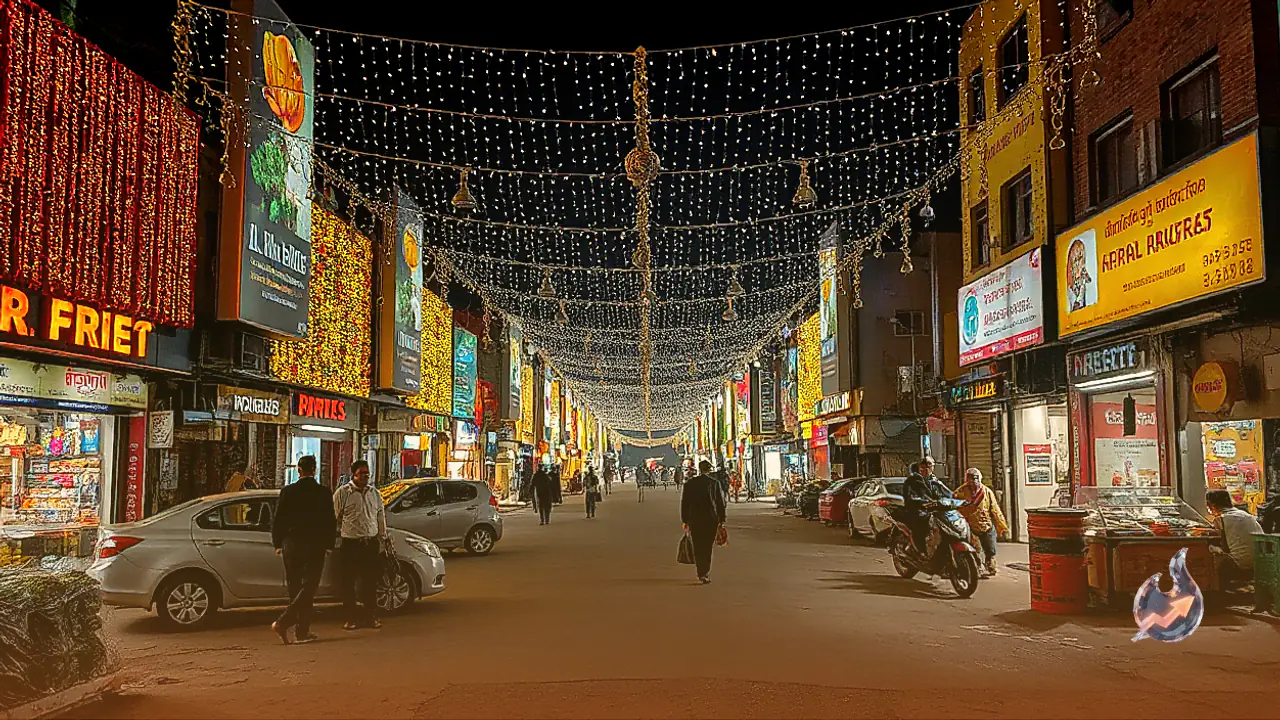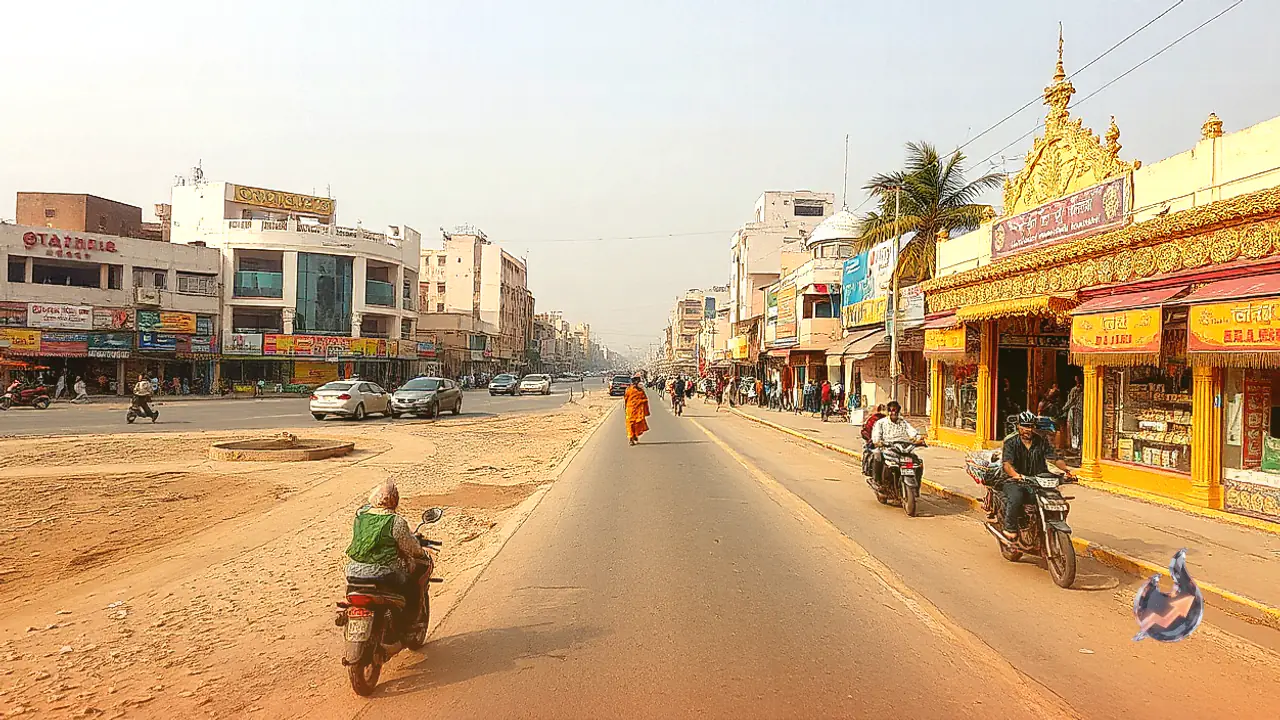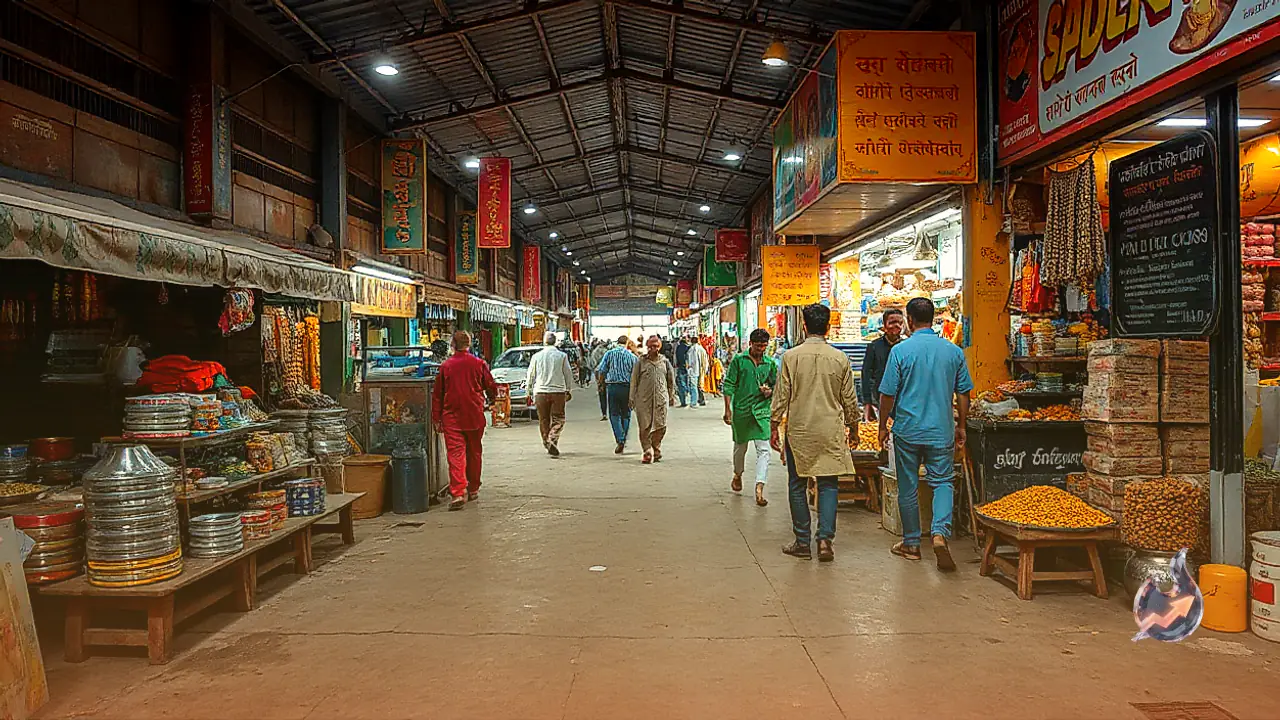
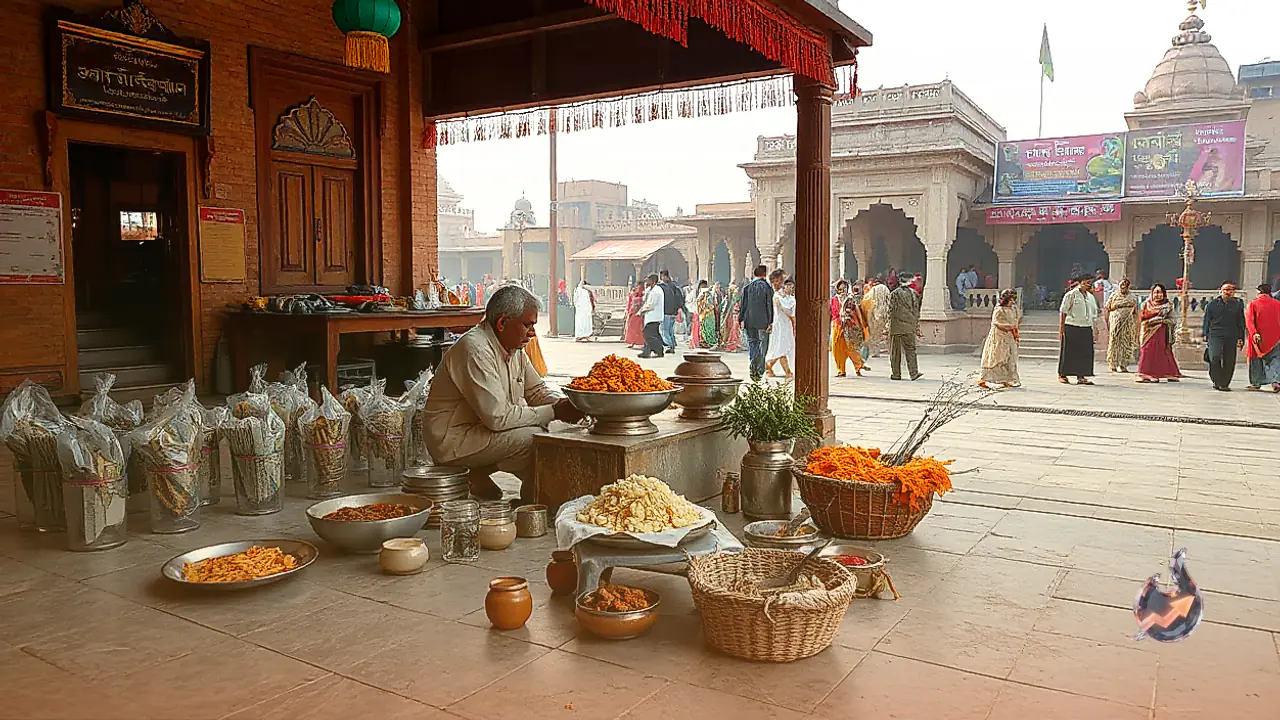

















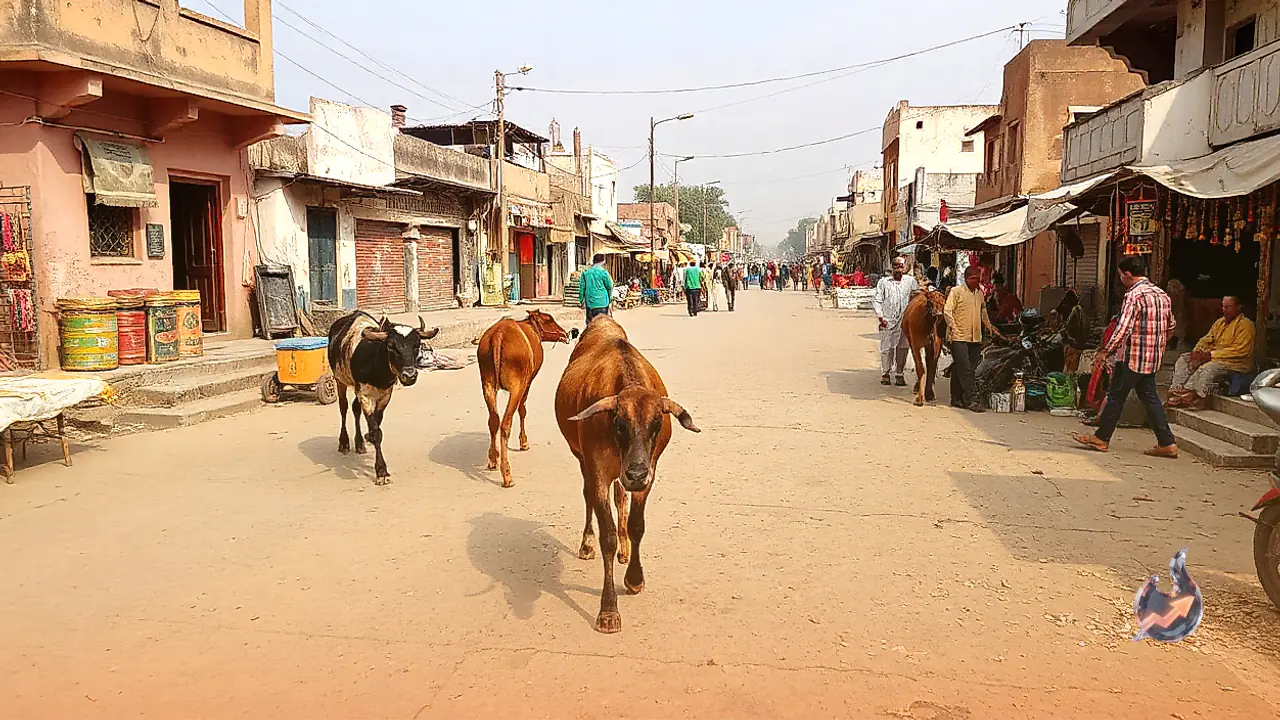

While festive markets across the country bustle with shoppers seeking gold ornaments, apparel, and domestic decorations during Diwali, the town of Karauli in Rajasthan witnesses an entirely different cultural tradition. In the town's Sarafa Bazar, a temporary market emerges specifically for livestock ornamentation. Instead of human jewellery, local stalls display a wide variety of decorative accessories crafted for cows, buffaloes, and oxen. Farmers and cattle herders travel from nearby rural areas to browse through these displays and acquire traditional ornaments to dress up their animals for festive rituals.
A Seven-Day Annual Tradition in Karauli
This dedicated livestock marketplace does not operate year-round. It functions exclusively around Diwali for a short span of seven days. For farming families in the countryside, domestic animals are much more than working beasts or milk providers; they form the core of rural livelihood and household financial security. Observing age-old agrarian customs, farmers use the festival of lights to express gratitude toward their animals for their year-long agricultural contribution. Following the customary Lakshmi Puja rituals, owners bathe their livestock thoroughly, conduct traditional prayers, and decorate the animals with fresh ornaments. Rural households firmly believe that keeping their livestock well-cared for and honored brings sustained peace, prosperity, and joy to the family.
Intricate Varieties from Bells to Traditional Necklaces
Just as mainstream jewellery markets cater to women with diverse assortments of necklaces, bangles, and anklets, this marketplace stocks extensive designs tailored for livestock. Stalls are packed with specially threaded neck garlands, tinkling bells, resonant ghungroos, and decorative headgear. The farmers select items based on traditional preferences, visual design, and their own household budgets, giving their animals a bright, decorated appearance during the celebration.
Price Points Ranging from Ten Rupees to Thousands
The pricing of livestock adornments varies according to the quality of material, design detailing, and decorative finish. While basic decorative pieces remain accessible at nominal prices, handcrafted and elaborate ornaments command much higher sums. Local trader Pankaj Gupta notes that livestock ornaments at Karauli Sarafa Bazar sell from 10 rupees all the way up to a thousand rupees during the Diwali season. Farmers arriving from distant villages frequently buy multiple ornamental pieces to dress several animals across their herds.