




















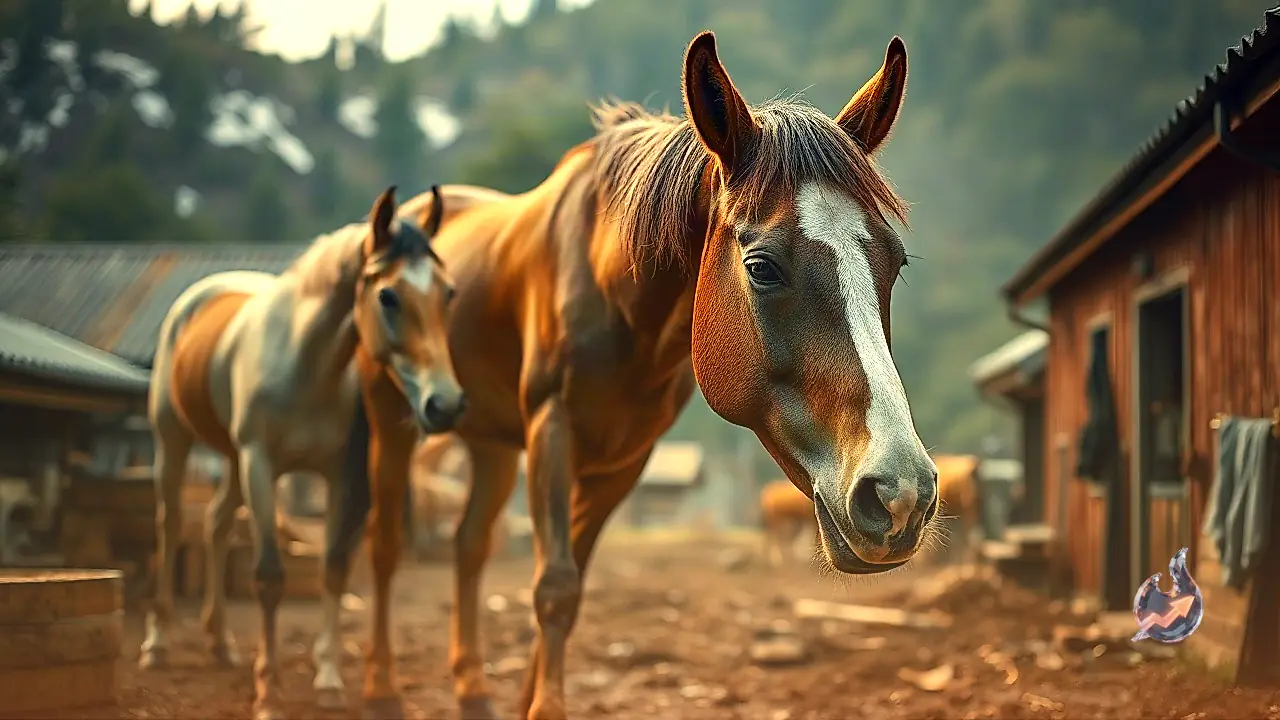

Commonly, a primary concern among horse owners is identifying the most effective methods to build their animals' strength and ensure robust health. Providing a structured and well-balanced diet from an early stage is universally recognized as vital for a horse's long-term well-being. During their formative years, horses experience rapid development in their physical structure, skeletal strength, and muscular density, making high-quality nutrition absolutely essential. Simply piling on vast quantities of fodder is not the right approach; rather, the diet must be strictly tailored to the animal's specific age and the level of physical labor they perform.
The Importance of Balanced Nutrition During Growth
The early developmental years of a horse lay the foundation for its lifetime strength and performance. During this phase, the biological demand for essential nutrients spikes dramatically to support the rapidly growing skeleton and muscle tissues. If there is a nutritional deficit or imbalance during this critical window, it can lead to weaker bones and underdeveloped muscles. Therefore, owners should move away from indiscriminate feeding and focus instead on a scientifically structured, nutrient-dense diet plan.
Dietary Needs and Key Precautions for Young Foals
The dietary requirements for young horses, or foals, demand careful attention. They must have constant access to premium-quality dry fodder, fresh green grass, and pristine, clean drinking water. If you intend to introduce concentrated feeds, it is highly recommended to consult a veterinarian or an animal nutritionist to formulate a balanced feed mix appropriate for their specific age. A crucial precaution to remember is to avoid sudden escalations in feed quantity. Abruptly introducing heavy portions of grains or dense feed can overwhelm a foal's sensitive digestive system, triggering colic or other serious gastrointestinal complications.
How to Correctly Prepare and Administer Traditional Diets
Traditional or indigenous diets remain highly popular for boosting a horse's stamina and strength. These home-prepared rations typically leverage wholesome grains such as barley, chickpeas, maize, and other nutrient-dense cereals. However, these grains must be fed in precise portions that align with the horse’s age and daily physical output. Before feeding, ensure that all grains are meticulously cleaned of debris. It is generally advised to either soak them in water or lightly crush them to make them easier to chew and digest. Furthermore, any modifications to a horse's established diet must be implemented gradually over several days, allowing their gut flora to adjust safely to the new ingredients.
Essential Nutrients Beyond Simple Grain Feeds
Relying solely on grains is a common misconception when it comes to developing robust bones and a powerful physique. While grains provide energy, they are insufficient on their own. A horse requires a diverse intake of dietary fiber, protein, vital minerals, and vitamins to support comprehensive physiological growth. The necessity for salt blocks and specialized mineral supplements varies significantly based on individual factors like age, the primary type of forage provided, and overall health status. Consequently, administering high doses of any single supplement without expert guidance can do more harm than good.
Hygiene Practices and Identifying Warning Signs of Illness
Maintaining clean feeding habits is just as critical as the nutritional value of the food itself. Fresh, clean water must be accessible to the horse at all times. Additionally, stored fodder must be kept completely dry and shielded from mold, moisture, dampness, and external contaminants, as moldy feed can be highly toxic. Horse owners must also remain vigilant for any physical distress signals. If a horse exhibits symptoms like diarrhea, loss of appetite, abdominal pain, lethargy, or sudden weight loss, you should bypass home remedies and immediately seek professional veterinary care.