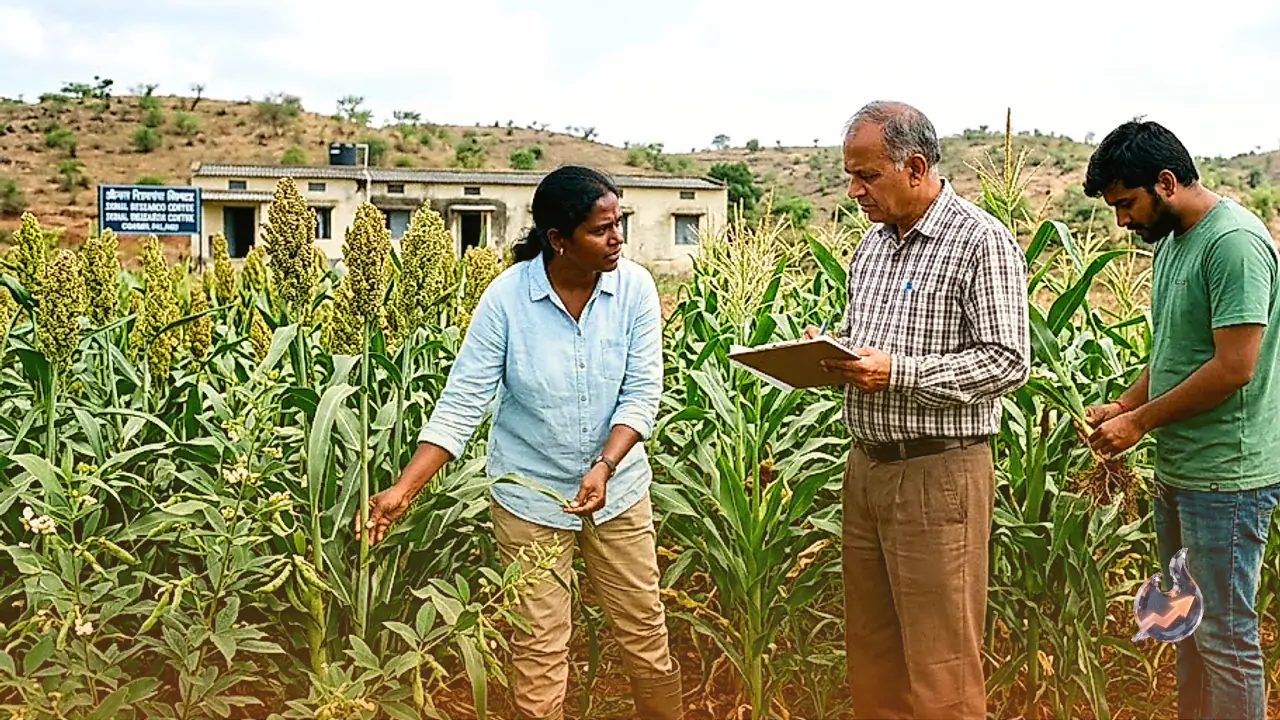






















Farmers across the Bokaro and Chas region cultivate sweet potato on an extensive commercial scale. However, the onset of persistent monsoon rainfall regularly triggers multiple plant diseases that jeopardize crop yield and threaten cultivators with substantial financial setbacks. Addressing these seasonal risks, Technical Agriculture Manager Sandeep Kumar from Bokaro Chas has detailed the prominent crop ailments, their identifiable field symptoms, and the essential agronomic safeguards required to protect yields.
Fusarium Wilt and Rot Disease Management
Among the primary concerns during wet conditions is rot disease, which causes widespread vegetative decline across sweet potato fields. According to technical agriculture manager Sandeep Kumar, this condition largely stems from fungal pathogens such as Fusarium wilt. Once infected, the foliage begins turning distinctly yellow, followed by progressive wilting across the vines, severely stunting the overall vegetative growth of the crop.
Standing water inside the field dramatically elevates the vulnerability of the root zone to fungal attack. Consequently, maintaining dependable field drainage is imperative to prevent water accumulation during continuous showers. Furthermore, growers must treat their seed tubers or vine cuttings with an appropriate fungicide prescribed by farm specialists prior to planting.
Identifying and Preventing Scurf Disease
Scurf disease presents another serious obstacle for cultivators by diminishing the commercial grade and appearance of sweet potatoes. This infection manifests directly on the outer skin of the tuber, producing dark brown to black patches or an irregular mesh like surface coating. The underlying agent responsible for this discoloration is a soil borne fungal pathogen.
Preventing scurf requires strict sanitation protocols regarding planting stocks. Cultivators should exclusively utilize certified healthy seed tubers and vigorous vines sourced from disease free nurseries. Introducing compromised or visibly infected planting stock into clean soil must be strictly avoided to prevent long term soil contamination.
Viral Infections and Sucking Pest Surveillance
Sweet potato crops remain susceptible to damaging viral infections throughout the rainy months. A virus attack typically shows up as mottled mosaic patterns of yellow and green across the leaf surface. In addition, the foliage exhibits severe curling, wrinkling, and crinkling, leaving the entire vine weakened and unproductive.
These viruses proliferate through two primary pathways: previously infected planting stock and sap sucking insect vectors, particularly aphids that transmit pathogens across adjacent plants. Ensuring that only certified virus free vine cuttings are planted serves as the first line of defense. Simultaneously, growers must conduct routine field scouting to detect and suppress sap sucking insect populations before widespread transmission occurs.
Controlling Destructive Black Rot
Black rot represents one of the most destructive post harvest and field diseases, directly causing tubers to decompose. Initial symptoms include the emergence of sunken brown or dark black lesions on the outer skin of the sweet potato, which gradually penetrate inward and cause the internal pulp to decay completely. The primary sources of this affliction are diseased seed material and dormant fungal spores dwelling within the field soil.
The most effective strategy against black rot lies in deploying solely intact, immaculate seed stock. Cut, cracked, or physically injured tubers must never be planted, as entry wounds facilitate immediate pathogen colonization. If any diseased plant material or rotten tuber is detected in the field, it must be removed promptly and destroyed safely away from cultivation plots.
Addressing Soil Moisture and Drainage Needs
Agriculture manager Sandeep Kumar highlighted that chronic excessive soil moisture and waterlogging during the rainy season remain the root cause of elevated disease pressure in sweet potato farming. Prolonged dampness creates optimal microclimatic conditions for pathogenic fungi to multiply and attack root tissues.
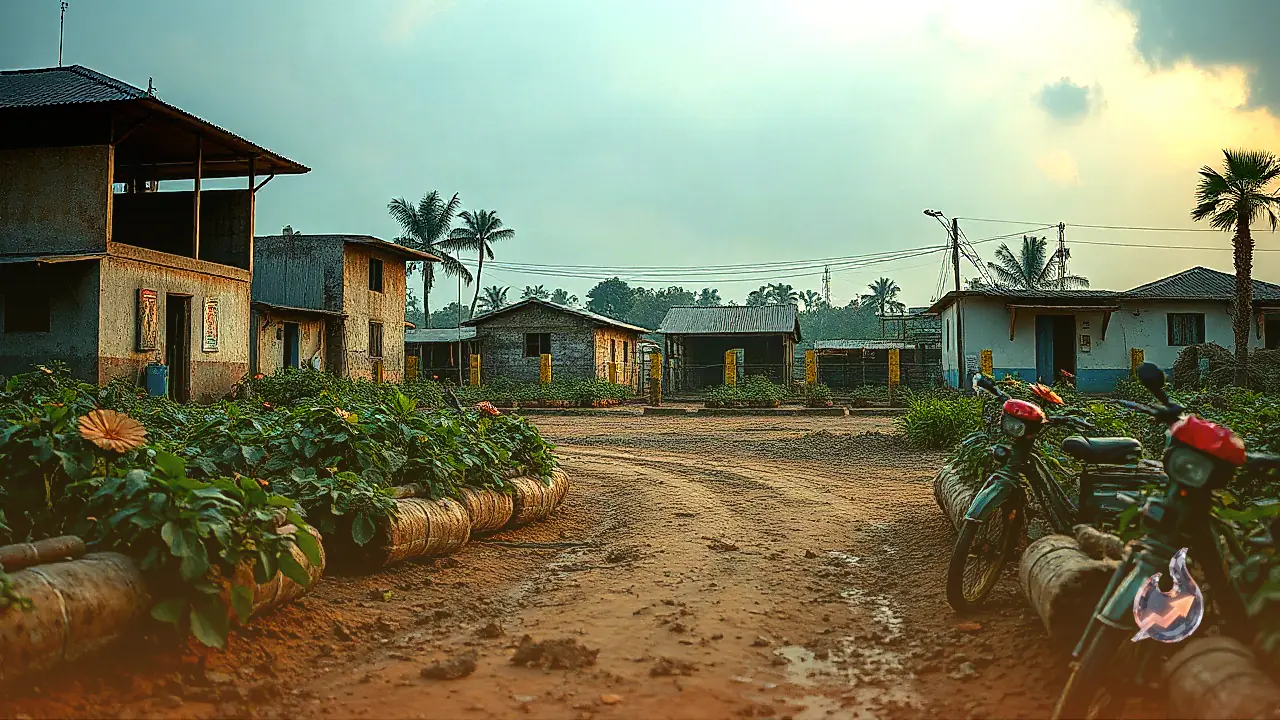
To mitigate these hazards, farmers must prepare robust drainage furrows to keep surplus rainwater moving off the plots rapidly. In addition, agricultural experts recommend selecting certified disease resistant varieties tailored for the local agro climatic conditions. Adhering to these preventive practices will shield sweet potato crops from seasonal destruction and preserve farm revenues.