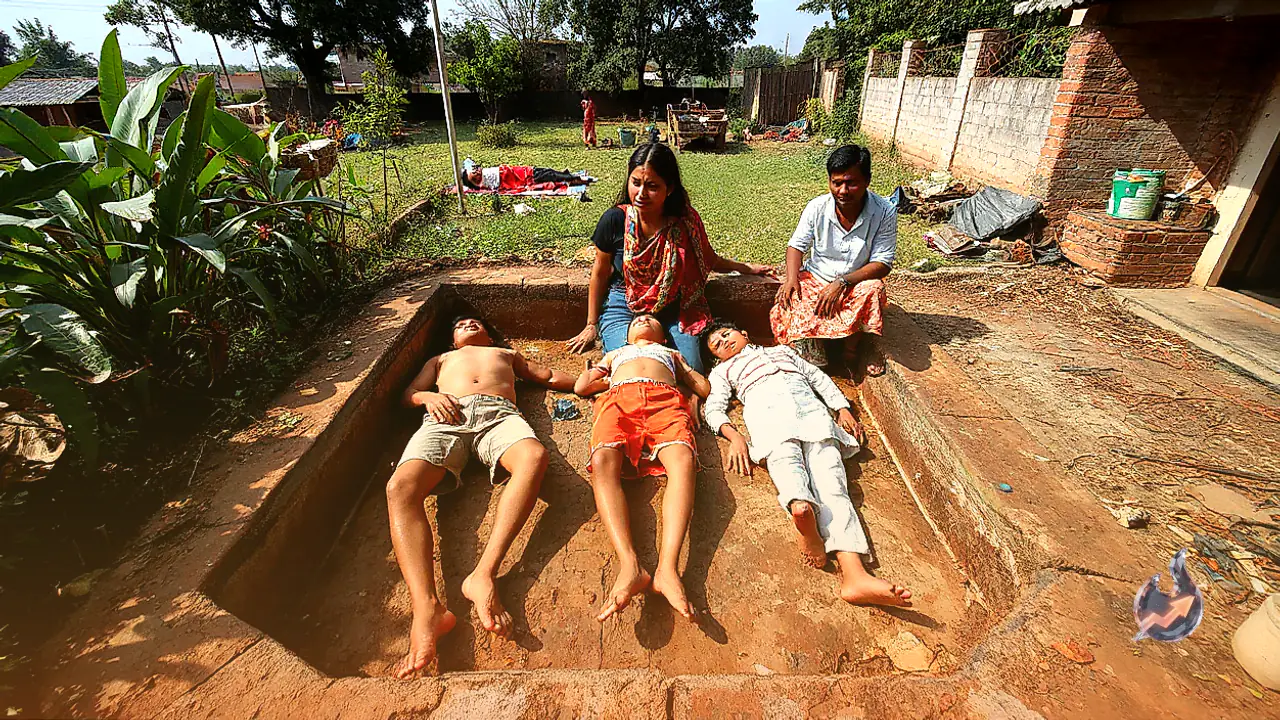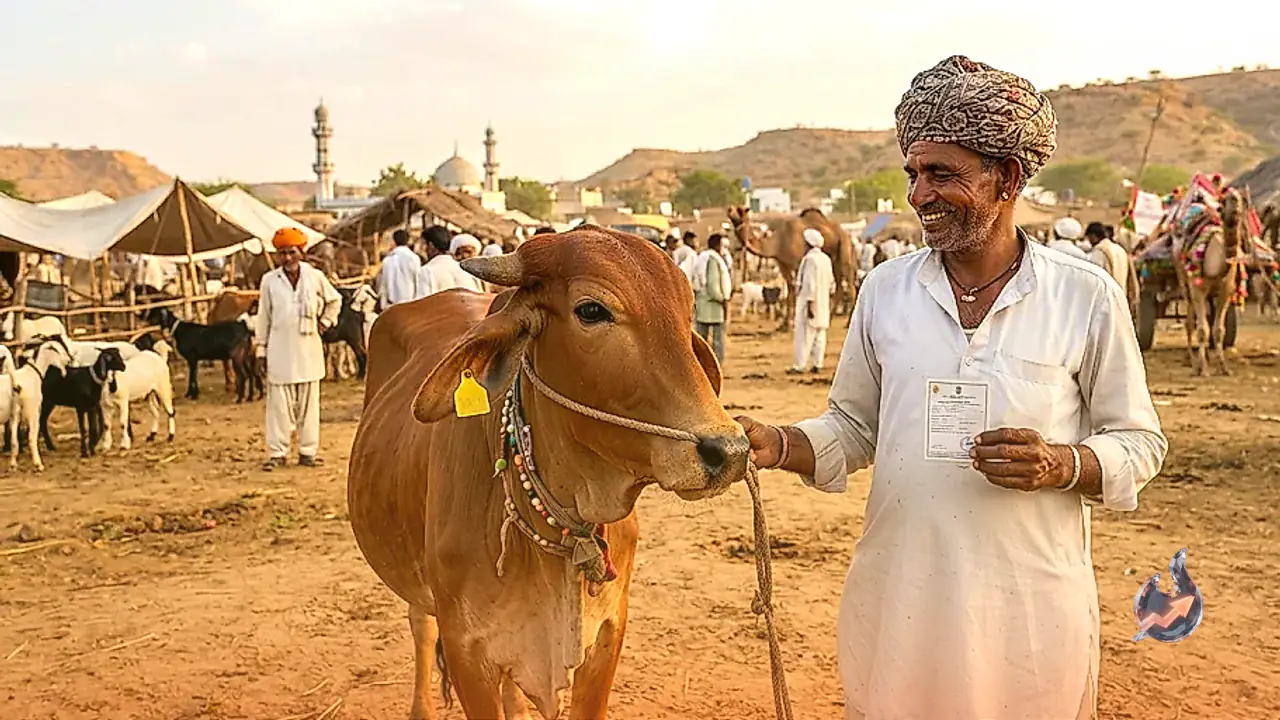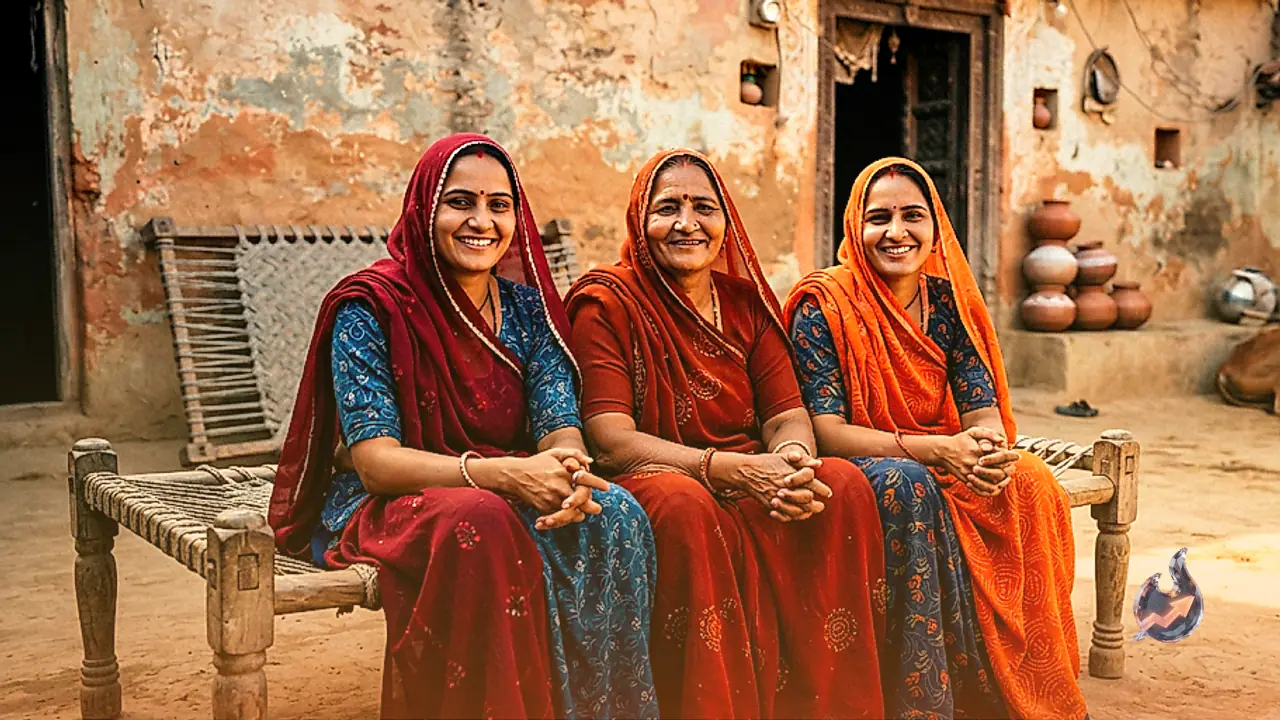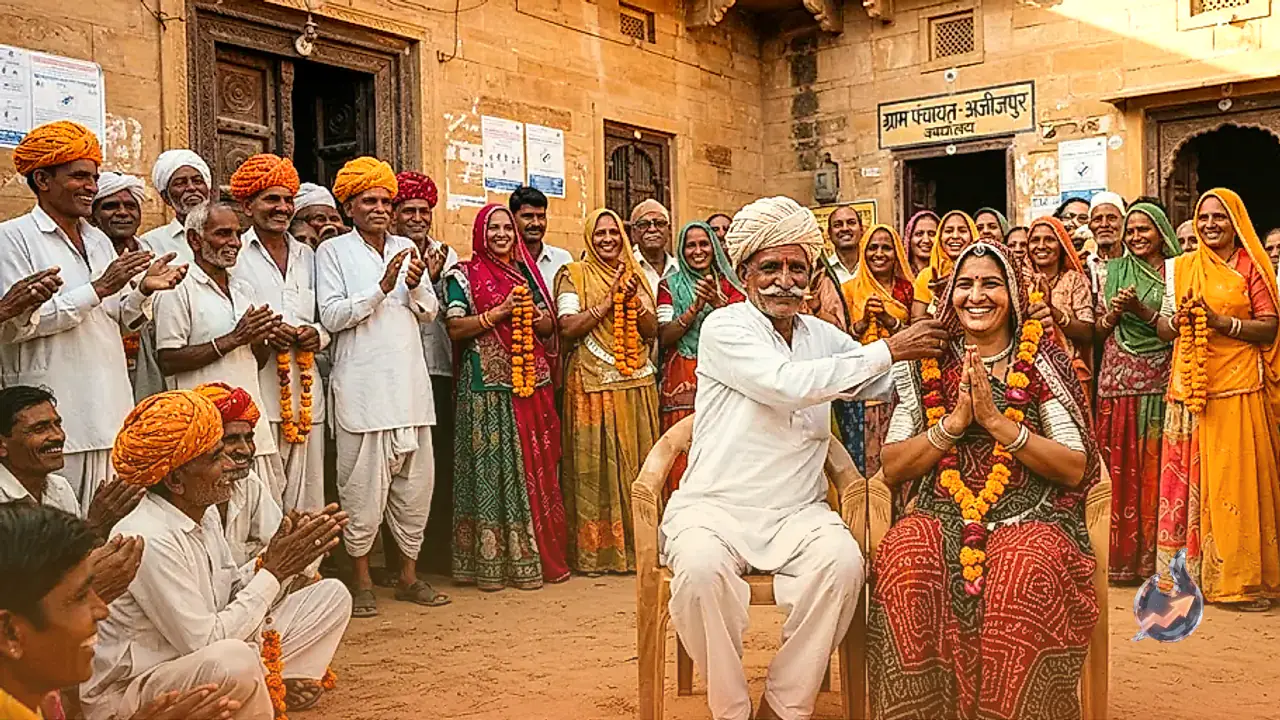

A quiet revolution in rural women's financial independence has firmly taken root in the Pali district of Rajasthan. Jojawar, a village situated within the Marwar Junction subdivision, presents a striking break from conventional social norms. In this community, around 80 percent of women manage their households while simultaneously engaging in various forms of self-employment and small trades. Working side by side with the men of the village, these women have taken direct charge of family finances, turning domestic labor into a powerful engine for local economic stability.
The Shifting Social Fabric of Jojawar
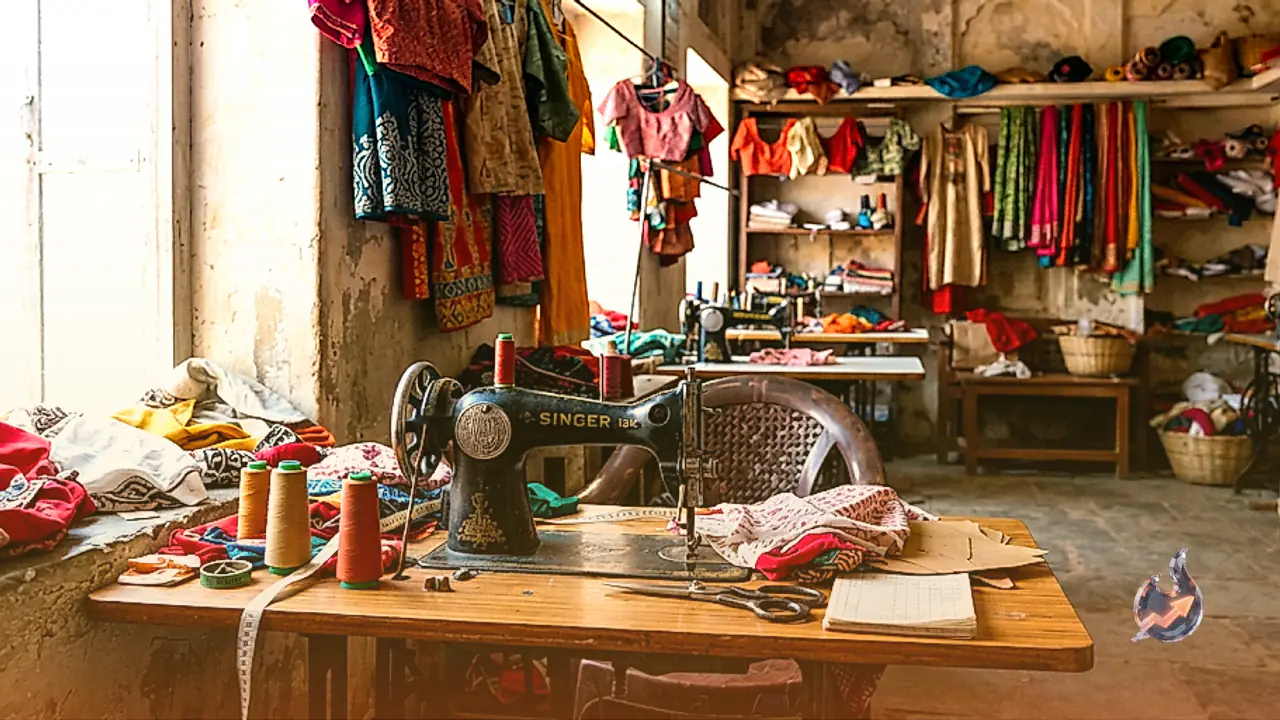
Jojawar has historically been recognized for its cultural traditions, heritage, and hard-working population. Over recent decades, however, the economic dynamics of the area have experienced a profound shift. Women across the village have stepped beyond household boundaries to establish independent vocations. Walking through the village streets and nearby markets, their active presence is evident everywhere. Many are involved in tailoring and embroidery, while others focus on handicrafts and micro-trading. This widespread commercial participation has positioned local women as essential contributors to the rural economy, providing consistent financial buffers for their households.
Thirty Years of Craft with Four Daughters
Among the many women sustaining this economic momentum is Sundara Chauhan, whose life story reflects enduring determination. She has spent approximately 30 years working as a tailor, supported closely by her four daughters. The family sources raw fabric directly from Surat in Gujarat, bringing the materials home to stitch petticoats. Crafting a single petticoat takes about 25 minutes of careful manual work. From cutting and measuring to final sewing, each step involves the coordinated labor of the entire household, creating finished garments through shared daily toil.
Walking from Village to Village with Heavy Bundles
Once the garments are ready, distribution presents the next major hurdle. Lacking a retail shopfront or commercial transport, Sundara Chauhan packs the finished petticoats into large cloth bundles and carries them on her head. She travels on foot across neighboring villages and small towns, selling her products directly to local customers. Even after three decades in the craft, this demanding routine remains unchanged. Her day consists of walking long distances under heavy loads to secure modest earnings that keep her household running, showing remarkable persistence despite the physical toll of the work.
The Barrier of Limited Working Capital
Sundara Chauhan emphasizes that coming from an economically modest background limits her ability to scale up. While she possesses decades of expertise and dependable family assistance, a complete absence of institutional credit prevents any substantial business growth. She explains that if the government provided low-interest loans or accessible credit facilities, she could purchase modern machinery and procure bulk fabric directly at lower costs. Such capital would allow her to convert home-based labor into a small-scale manufacturing setup. In the absence of institutional backing, however, she has no choice but to continue walking village pathways with bundles on her head to sustain daily sales.
Bridging the Gap Between Policy and Grassroots Realities
Both central and state governments actively promote programs designed to foster women's entrepreneurship and self-reliance in rural regions. From specialized loan schemes to self-help group credits, resources are theoretically available. Yet the fact that grassroots workers like Sundara Chauhan remain untouched by these facilities after 30 years highlights significant implementation gaps. For these initiatives to succeed, administrative bodies must proactively identify practicing rural artisans and simplify credit approval procedures. Providing accessible capital to women like Sundara would allow the industrious workforce of Jojawar to expand beyond survival-level micro-enterprise into sustainable commercial ventures.