













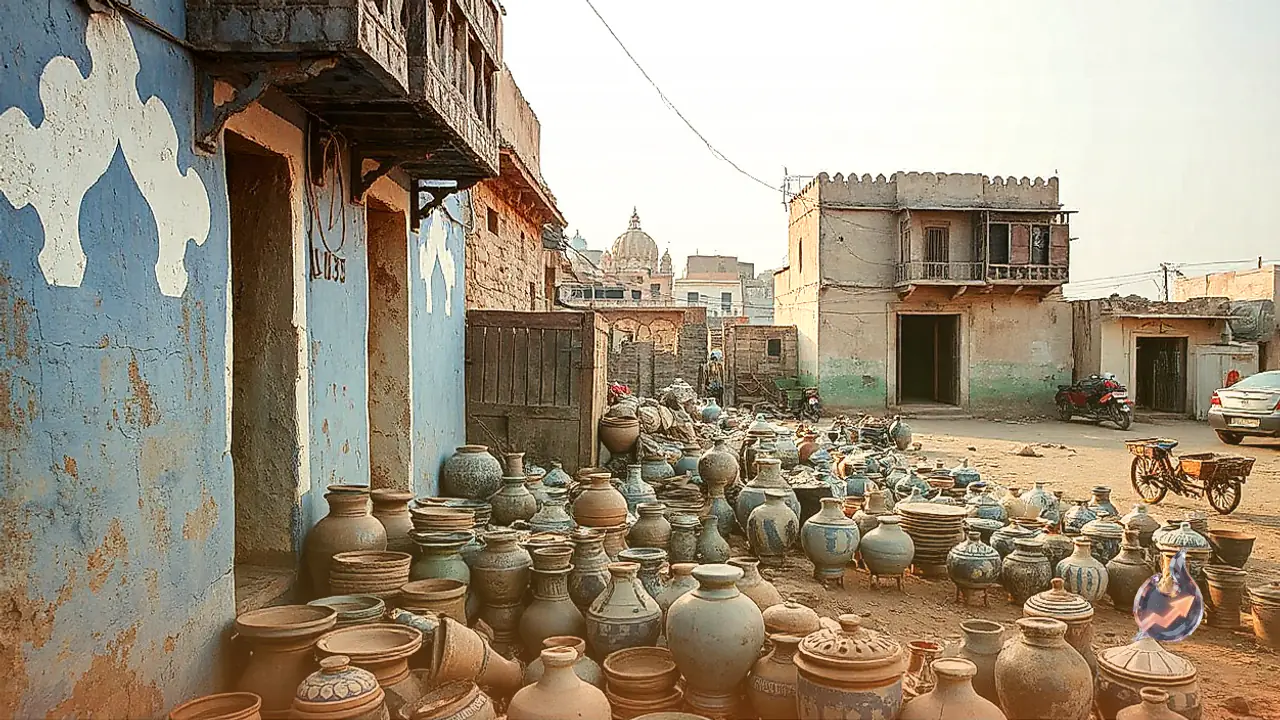

The cultural identity of Rajasthan is defined not only by its majestic historical palaces and grand havelis but also by the unique craft of blue pottery. Renowned across the globe for its captivating designs, striking colors, and intricate craftsmanship, this art form continues to draw international tourists in large numbers. However, despite its widespread fame, this generations-old traditional craft now faces a grave existential crisis. Demanding immense physical labor, time, and patience, the craft fails to attract the younger generation, which has left local artisans deeply worried about the future of their livelihood.
History Rooted in the Royal Era
The history of Jaipur blue pottery dates back to a bygone era, with historical accounts noting that the craft arrived in the city in the year 1886 under the patronage of the then Maharaja Sawai Ram Singh II. Following its introduction, local artisans used their exceptional skill and dedication to give the craft a distinct identity. A defining feature of this art is the remarkable blend of traditional techniques and detailed ornamentation. The creation process involves numerous complex steps, ranging from preparing the special clay and raw materials to shaping the product, painting intricate designs, and glazing it with vibrant colors.
Tourist Season Brings Market Lull and Peak
During major festivals like Diwali, the demand for blue pottery items does not experience a significant surge. However, during the peak holiday season, domestic and foreign travelers visiting Jaipur show a keen interest in purchasing these artifacts. According to Chandra Prakash, a local artisan associated with the craft, the market witnesses peak activity during the winter months of December and January. Large numbers of tourists arrive in the city during this period, taking home traditional masterpieces as cherished souvenirs, which provides a temporary boost to the local trade.
Youth Apathy Threatens the Craft's Future
Producing blue pottery is far from an easy task, as bringing a single piece to its final finished state requires extensive time and relentless effort. Mastering the minute details of the design and achieving the right color combination demands specialized experience and years of practice. Due to the grueling nature of the work and a lack of commensurate financial returns, young people are showing little to no interest in adopting this traditional trade. Artisans fear that if the younger generation continues to distance itself from the craft, the number of practitioners will dwindle rapidly in the coming years.
Urgent Need for Preservation Efforts
Blue pottery is much more than mere decorative items; it represents the cultural heritage of Rajasthan and the accumulated skills of many generations. To rescue this art form from extinction, it is crucial to provide formal training to the youth, ensure fair wages for the artisans, and secure better domestic and international markets for their creations. Furthermore, concerted efforts must be made to promote the craft globally. Only through such comprehensive support can Jaipur's priceless heritage sustain its vibrant charm for future generations.