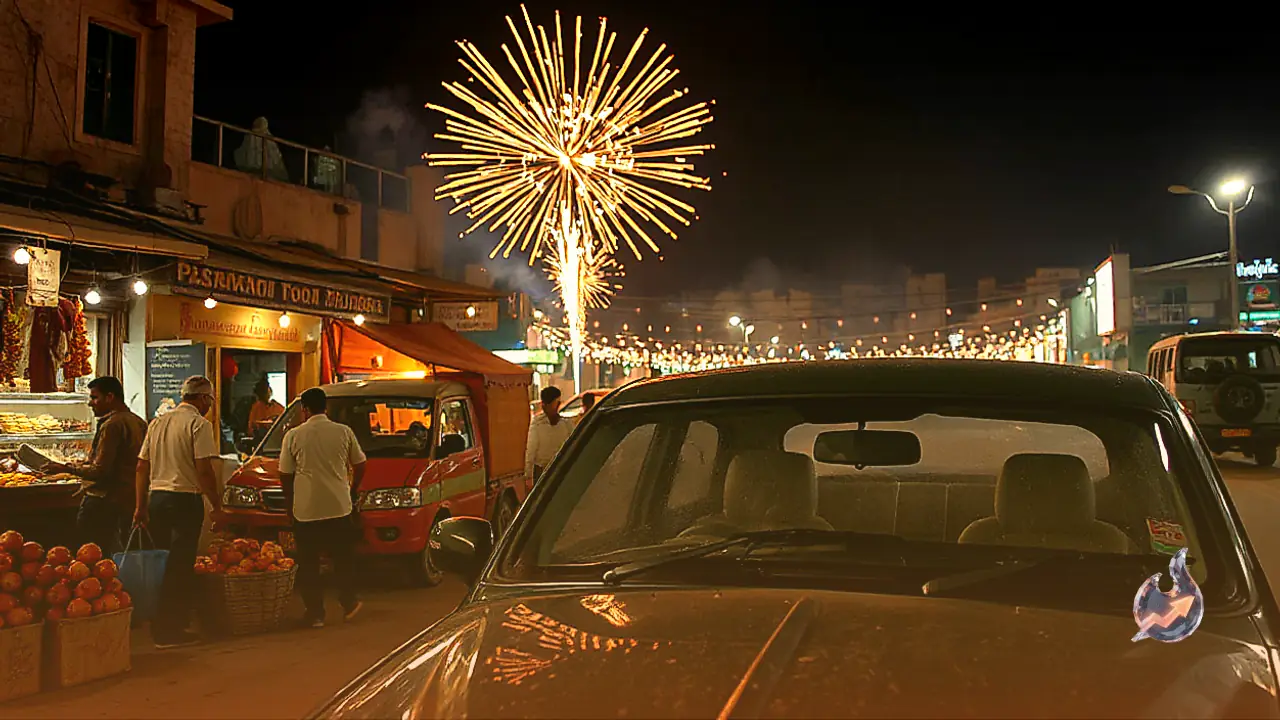

















The festival of Diwali is celebrated across the nation with a wide array of diverse traditions and unique customs. In Karauli, Rajasthan, a particularly distinctive tradition associated with Diwali continues to be observed in homes with unwavering devotion. During Lakshmi worship on Diwali, households here follow the deep-rooted custom of filling an earthen haat. According to locals, the Diwali worship is considered incomplete without this haat, which is why the demand for these earthen items surges alongside traditional lamps in the markets as the festival approaches.
Crafted Through the Dedication of Local Potter Families
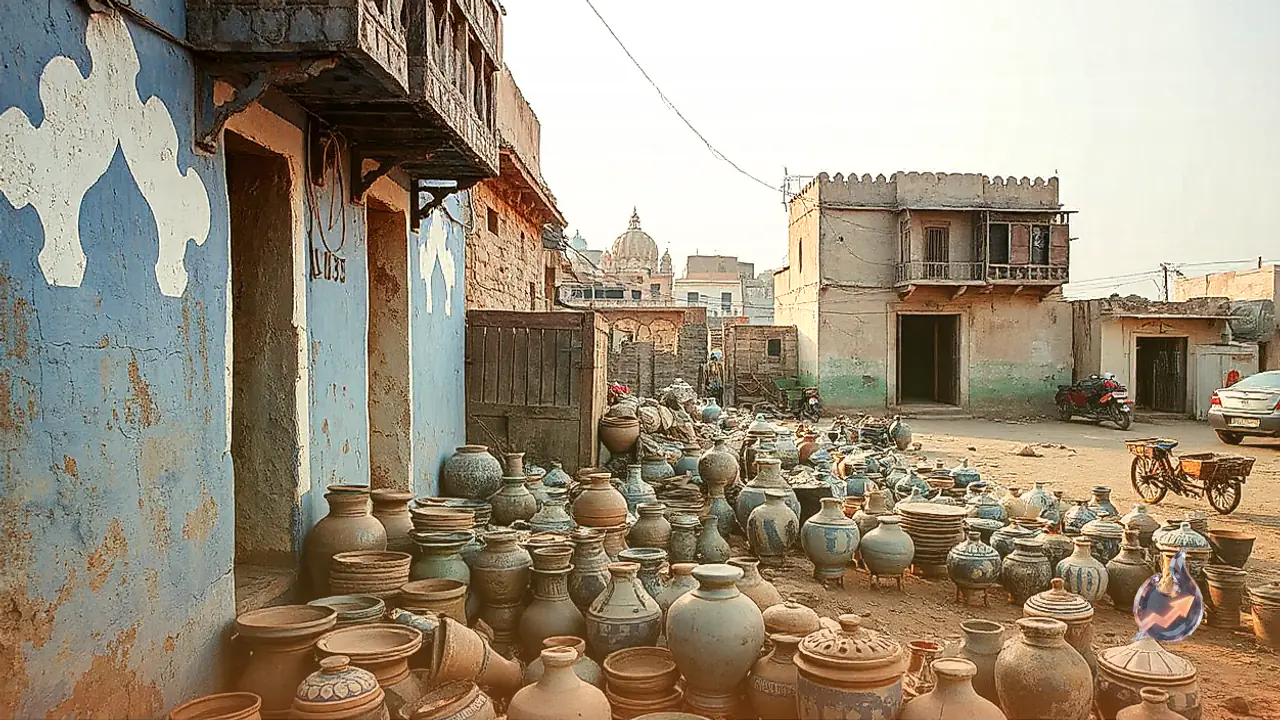
The responsibility of keeping this tradition alive in Karauli rests upon local potter families. The work to fashion these haats begins well in advance of Diwali. They are shaped using a specific mixture of soil and dung, after which they are thoroughly dried and traditionally decorated. Creating a single haat requires considerable effort and a substantial amount of time before it is finalized for the market.
The Unique Composition of Five Earthen Kulhads
While an earthen haat might appear simple at first glance, it is built following a very specific method. It consists of an assembly of five separate clay kulhads. Four of these kulhads are connected together side by side, while the fifth kulad is placed securely on top of them. Once assembled, the potter families embellish the structure using traditional bright colors and indigenous folk art designs, which serves as its defining characteristic.
Filled With Five Varieties of Traditional Sweets
On the auspicious day of Diwali, during the evening Lakshmi worship, this haat is never left empty; instead, it is filled with different types of traditional sweets. As per local custom, the haat is filled with five varieties of sweets, including lattu, barfi, and imarti. This ritual is closely associated with praying for the family's overall prosperity, the long life of children, and the steady continuation of the family lineage.
Gold and Silver Alternatives Fail to Replace Earthen Tradition
The most remarkable aspect of this Karauli tradition is that despite the arrival of numerous modern alternatives in the market, the significance of the traditional earthen haat has not diminished in the slightest. Local belief regards it as a potent symbol of purity and auspiciousness. This is precisely why people still prefer buying an earthen haat for their Lakshmi worship. As Diwali arrives, these handmade creations by potter families flood the local markets, seeing a surge in demand alongside other festive preparations. This enduring custom connects religious faith directly with the livelihoods of local artisans and traditional clay craftsmanship.