













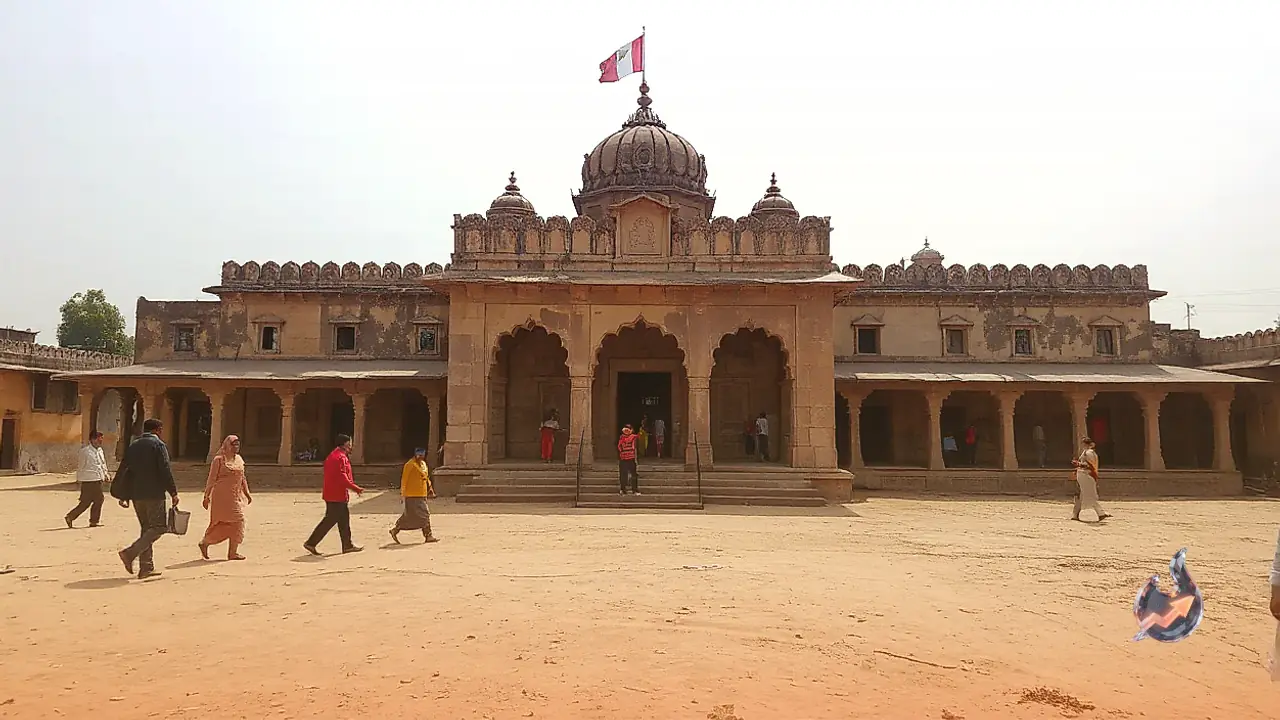

In the town of Surajgarh within Rajasthan's Jhunjhunu district stands a 246-year-old temple dedicated to Lord Ram and Mata Sita that tells an astonishing tale of resilience, enduring faith, and regional heritage. Beyond its striking architecture and historic lineage, the sanctum holds a rare chapter in temple history: when its sacred Ashtadhatu deities disappeared following the sale of the surrounding palace grounds, the local community refused to let worship cease. Instead, devotees reverently placed a paper portrait of the divine couple inside the sanctum and carried on regular liturgical services for 35 uninterrupted years.
Founded in 1780 by the Ruler of Panch Pana Riyasat
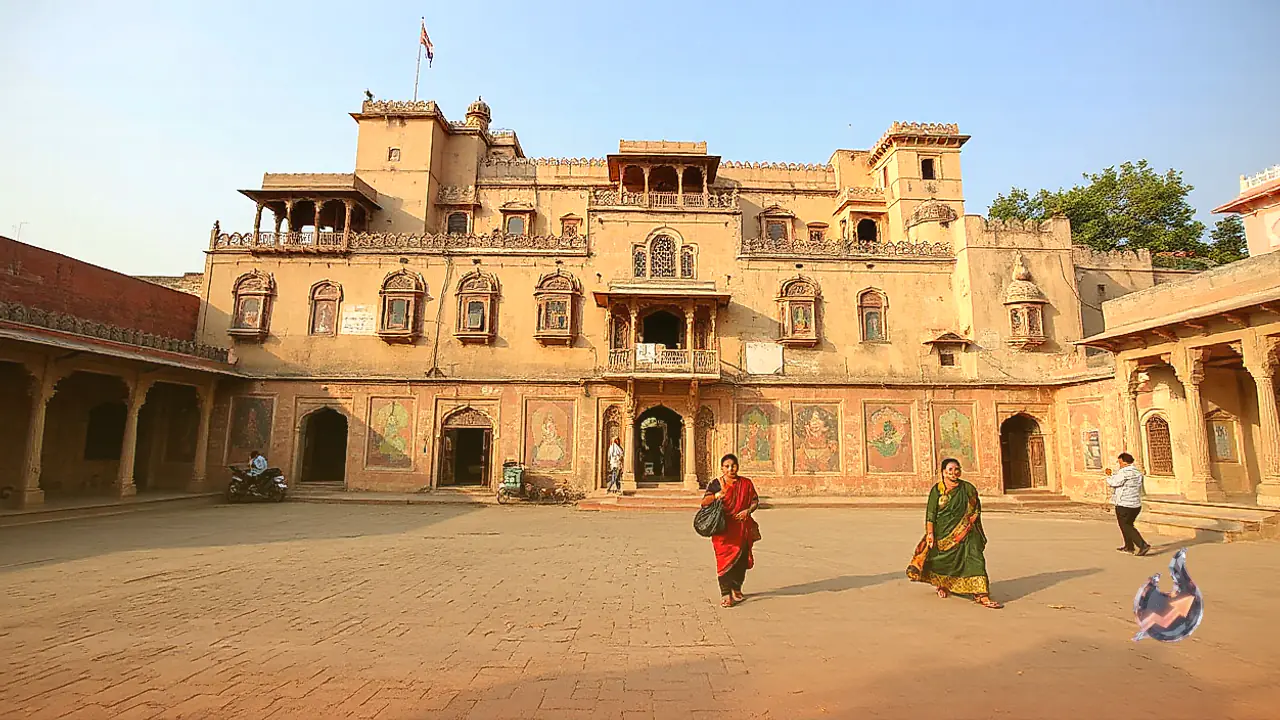
The origins of this historic house of worship trace back to 1780, when Thakur Surajmal, the prominent ruler of the Panch Pana estate, commissioned the construction of a dedicated sanctuary inside the fortified Surajgarh palace complex. Devoted to Lord Ram and Mata Sita, Thakur Surajmal intended the shrine to serve as an intimate spiritual sanctuary for the ruling dynasty's daily prayers.
Master craftsmen fashioned magnificent deities out of Ashtadhatu, the traditional eight-metal sacred alloy, which were formally consecrated in the sanctum sanctorum through elaborate Vedic ceremonies. The ruler instituted an exacting ceremonial timetable, ensuring that prayers, sacred offerings, and recitations were carried out across all four quarters of the day without fail. To preserve this liturgical discipline, an official priestly lineage was appointed to maintain daily custodial and ceremonial responsibilities across successive generations.
The 1975 Palace Sale and the Mysterious Loss of Sacred Idols
For nearly two centuries, the sanctuary flourished under royal patronage. However, the year 1975 marked a dramatic upheaval in the temple's destiny. The descendants of the former ruling family finalized the sale of the surrounding Surajgarh palace property. In the wake of this major transition of ownership, the irreplaceable Ashtadhatu statues of Lord Ram and Mata Sita vanished from the sanctum sanctorum under unexplained circumstances.
The loss sent shockwaves throughout the region, compounded by new logistical obstacles that temporarily restricted devotees from accessing the palace inner grounds. Rather than succumbing to despair, the local faithful mobilized to secure safe access to the holy site. Once the pathway was reopened, the community addressed the empty altar with profound conviction. Devotees placed a paper print depicting Lord Ram and Mata Sita upon the altar seat, declaring that the divine essence transcended physical matter. For the next three and a half decades, morning and evening rituals, offerings, and prayers were performed before this paper picture with identical solemnity.
A Sacred Revival with New Deities Installed in 2010
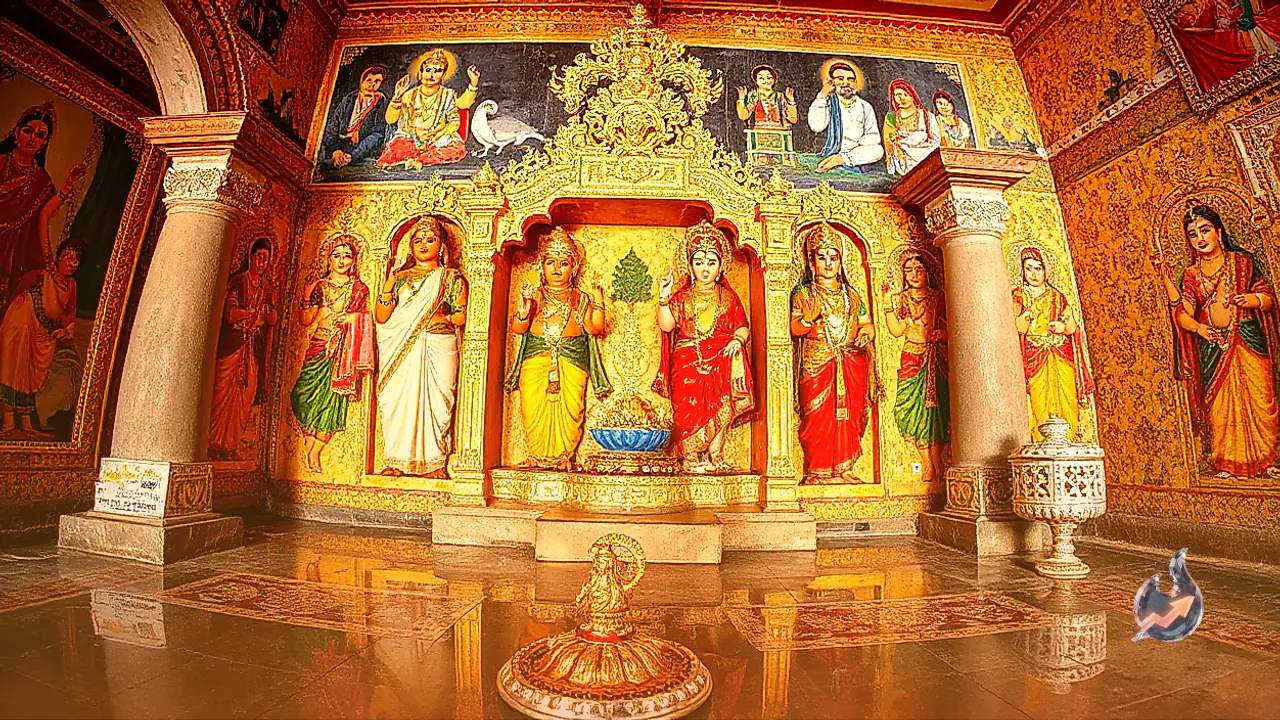
The era of paper worship continued until 2010, when collective community efforts culminated in the commissioning of new stone deities from Jaipur, Rajasthan's historic center of spiritual sculpting. The newly crafted statues of Lord Ram and Mata Sita were brought to Surajgarh and formally enthroned through elaborate consecration rites and purification havans, restoring the traditional three-dimensional murti form to the ancient sanctum after 35 years.
Martial Tradition, Shakti Veneration, and the 10,000 Lamp Deepotsav
The historical significance of the Surajgarh temple extends well beyond customary Vaishnava worship, serving as a rare crossroad where devotional faith intersected with Rajput martial values and Goddess veneration. Alongside the main altar, Thakur Surajmal had established a dedicated stone slab bearing the sacred handprint of Maa Shakti, symbolising Maa Bhavani's protective grace over the estate.
During the nine days of Ashwin Navratri, priests performed rigorous invocations honoring Goddess Shakti. The spiritual cycle culminated on Vijayadashami with Shastra Pujan, the solemn ceremonial blessing of weapons. Immediately following the conclusion of Dussehra arms rituals, the temple initiated its celebrated month of illumination.
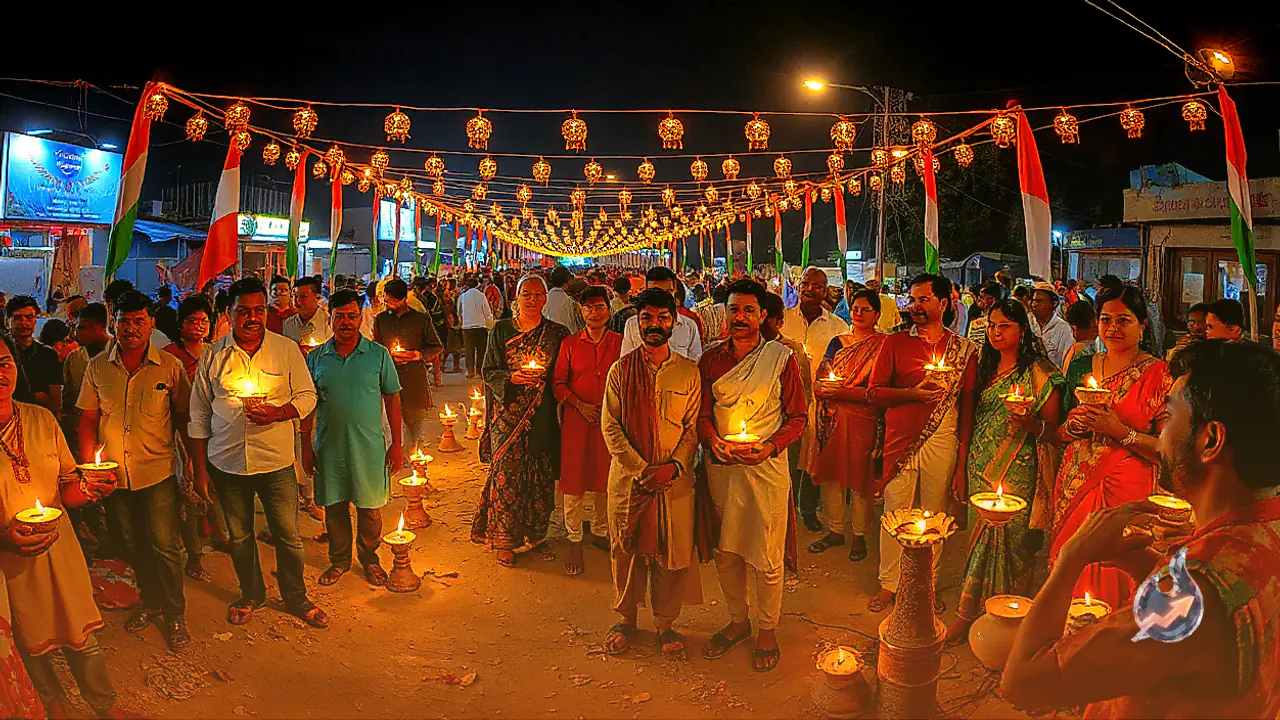
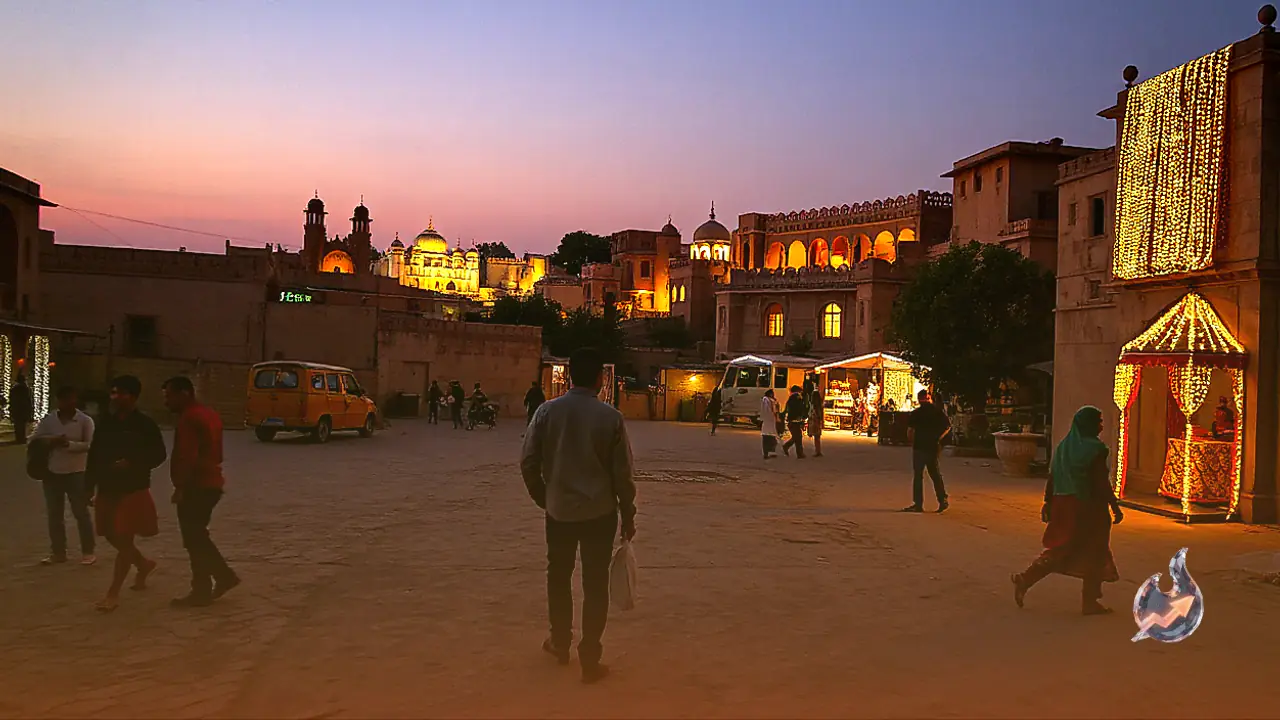
Each evening, priests and royal attendants lit earthen lamps filled with pure ghee, increasing the tally every successive day. By the night of Diwali, the entire sanctuary and sprawling palace courtyard glowed beneath the radiant flames of more than 10,000 ghee-filled diyas. Queens and noble family members actively participated in the ceremonial lighting. This spectacular festival of lights continued through Bhaiya Dooj, when special final ceremonies formally closed the extended celebration.
Preserving Historic Legacy Across Two Major Modern Festivals
According to temple manager Mahesh Kumar (Dhaniwale), the passage of time and structural transitions around the palace grounds mean that the monumental scale of the 10,000-lamp Deepotsav has diminished. Nevertheless, the sacred precinct continues to command deep reverence from pilgrims across the Shekhawati belt.
Today, the calendar centers around two primary annual religious observances. The first major event takes place on June 23, celebrated as the Murti Sthapana Diwas commemorating the 2010 re-enthronement of the deities. The second grand congregation occurs on Ram Navami during Chaitra, marked by special bhajans, scriptural readings, and communal prayers. Surviving imperial shifts, idol theft, and changing eras, this 246-year-old temple stands as a testament to the persistent power of popular faith.