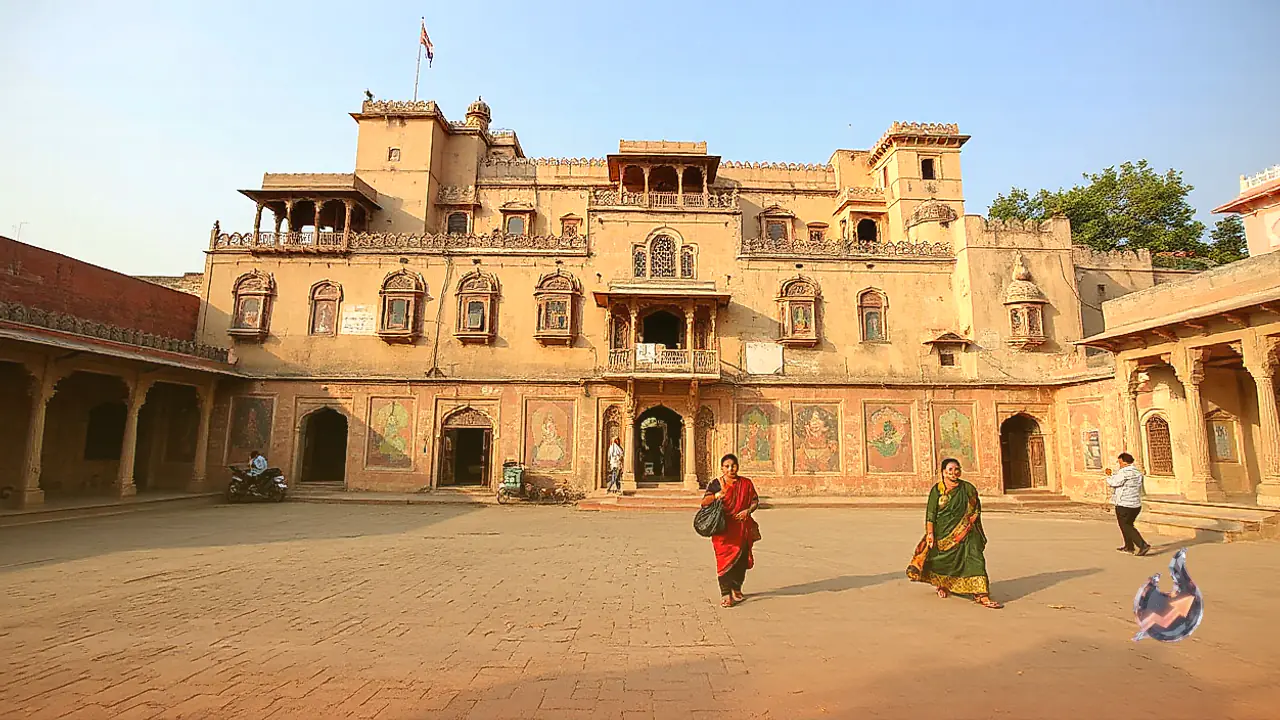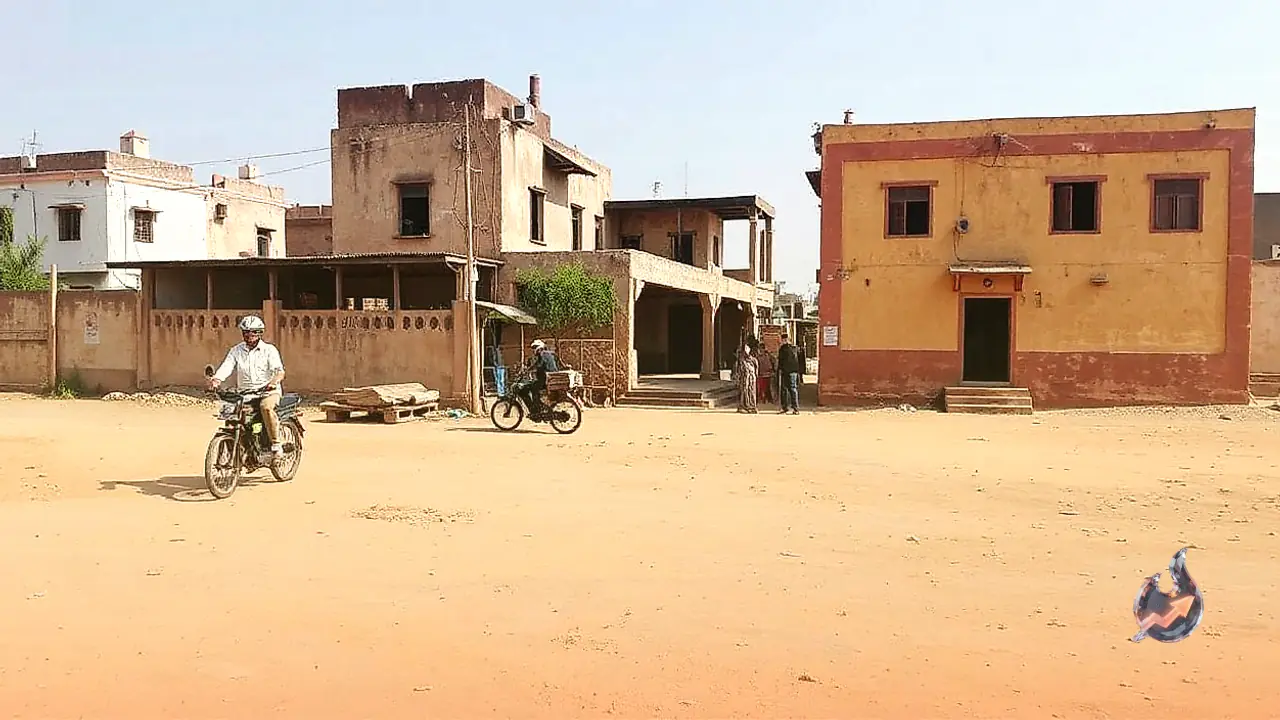
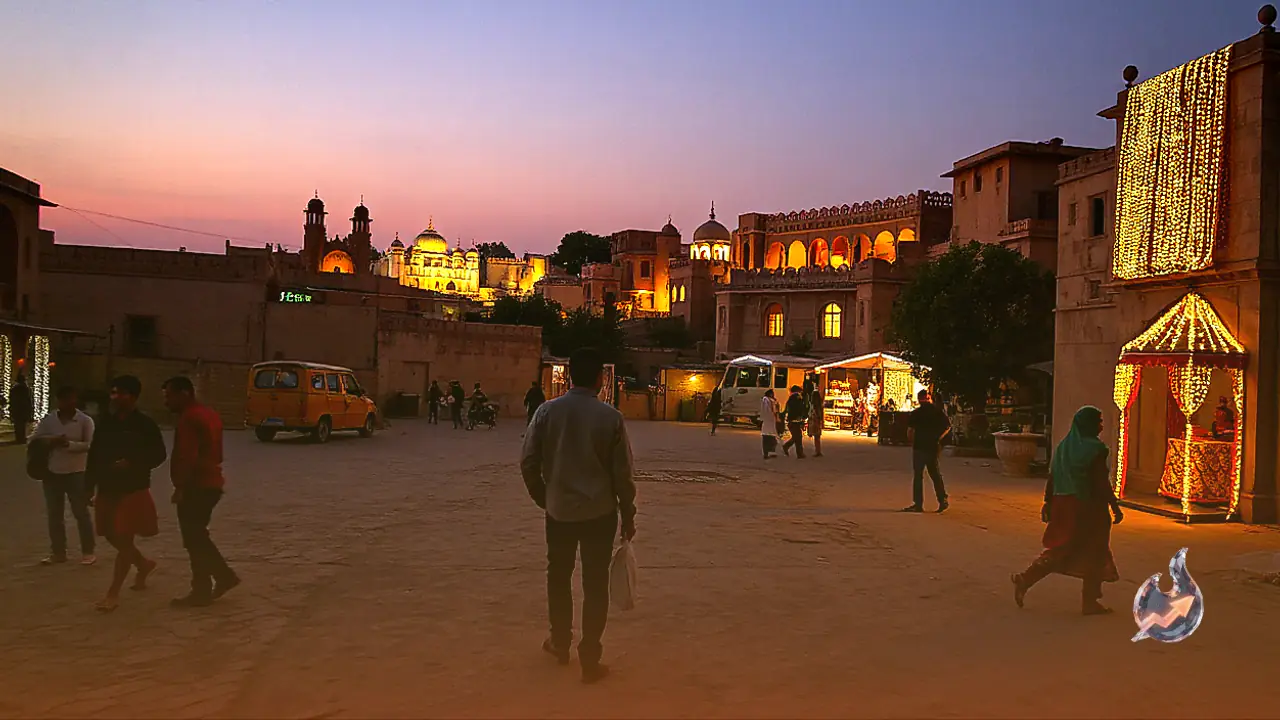















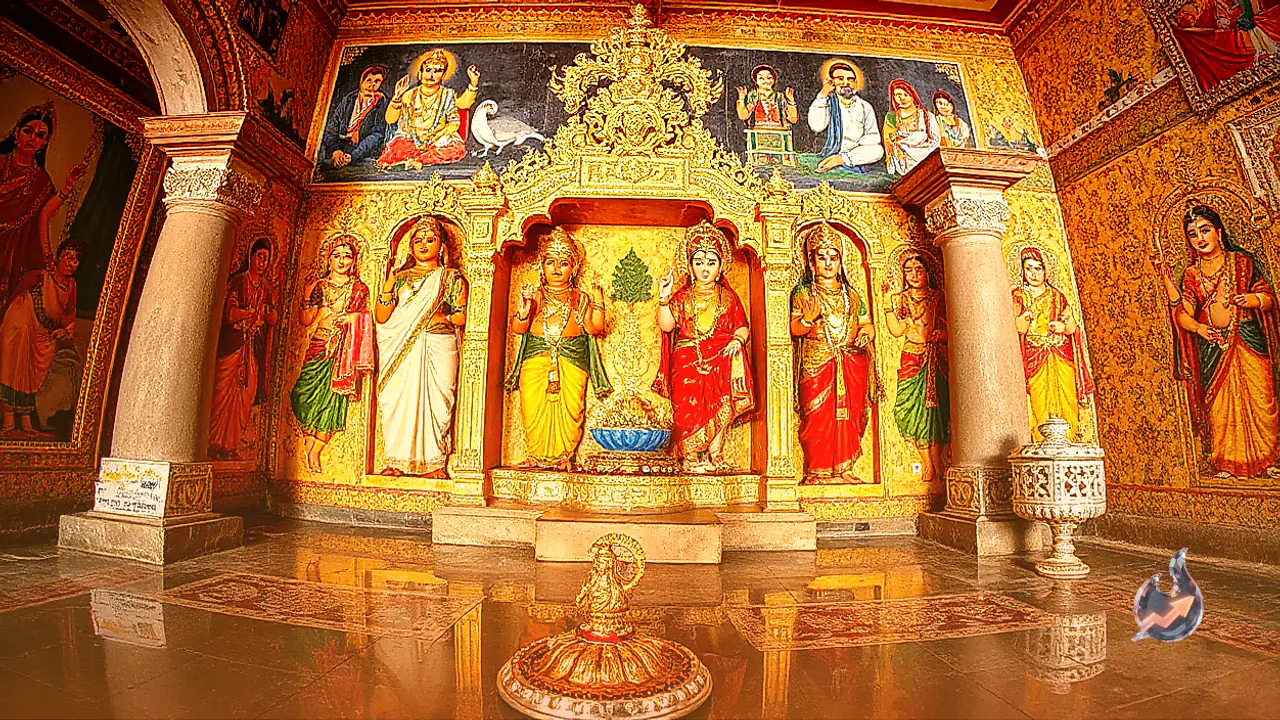

The Shekhawati region of Rajasthan is globally renowned for its magnificent painted Havelis and rich cultural history, with the small town of Mahansar holding a particularly unique treasure. Tucked away in this historic town is a remarkable commercial building where exquisite murals of Goddess Lakshmi and Lord Ganesh were etched onto the walls using genuine gold ink nearly 193 years ago. Even as modern trade practices and lifestyles have evolved dramatically over the centuries, this sacred tradition remains fully alive today. Members of the Podar family continue to uphold the cherished legacy of their ancestors, visiting these ancient golden artworks every Diwali to bow their heads and pray for peace, prosperity, and well-being across the region.
The Historical and Commercial Significance of Sone ki Saal
Known universally as 'Sone ki Saal', this historic establishment was never merely a center for everyday commerce, but rather a glowing symbol of the artistic wealth and grandeur of its era. The grand structure was originally commissioned in 1830 by Seth Harkanthrai Poddar, during a time when the location served as a bustling hub for large-scale gold and silver trade. To visually captivate wealthy merchants arriving from distant parts of the country and abroad, and to unmistakably display their immense business prosperity, the walls were adorned with real gold leaf and gold ink. These magnificent paintings placed a primary emphasis on sacred religious themes, Indian cultural heritage, and unwavering spiritual devotion.
The Intricate Depiction of Goddess Lakshmi on an Eight-Petaled Lotus
Located within a special chamber inside the historic building, the mural of Goddess Lakshmi commands immediate attention due to its exceptionally fine craftsmanship and detailed composition. In this artwork, the deity is seated gracefully upon an eight-petaled lotus throne, surrounded by four majestic elephants accompanied by their mahouts. Two of the elephants are depicted showering water over Goddess Lakshmi in a ritualistic abhiseka, while the remaining two gently wash her feet. The entire visual beautifully captures the divine grace, abundance, and prosperity associated with the goddess. Meanwhile, at the main entrance of the establishment, a gleaming golden portrait of Lord Ganesh is featured, flanked by two women waving chauris and two men standing with folded hands in adoration.
One Hundred Feet of Ramayana and Krishna Leela Murals in Gold
Spanning an impressive length of roughly 100 feet and a width of 20 feet, this historic hall is divided into three distinct sections, each covered in dazzling golden artistry. The first section illustrates the entire narrative of the Ramayana, tracing Lord Rama's journey from his royal birth right up to his coronation. The second section brings to life vivid scenes from the childhood mischievousness and divine dance routines of Lord Krishna. The third section is adorned with charming floral patterns and blooming gardens. The intricate artwork executed across the walls using gold ink reflects the incredible mastery of artisans from that period. However, historians note that calculating the exact quantity of gold utilized across these two-century-old masterpieces remains practically impossible today.
Preserving an Priceless Ancestral Heritage
Today, this remarkable historical landmark is carefully maintained and protected under the auspices of the Shobhaksaray Podar Trust based in Mahansar. According to family representative Kuldeep Poddar, the household continues to observe the traditional rituals established by their forebears with absolute dedication. Every Diwali, sacred prayers and aartis are performed directly before these ancient depictions of Lord Ganesh and Goddess Lakshmi. This magnificent Shekhawati landmark continues to narrate an immortal story of the region's glorious past, artistic patronage, and enduring cultural pride.