
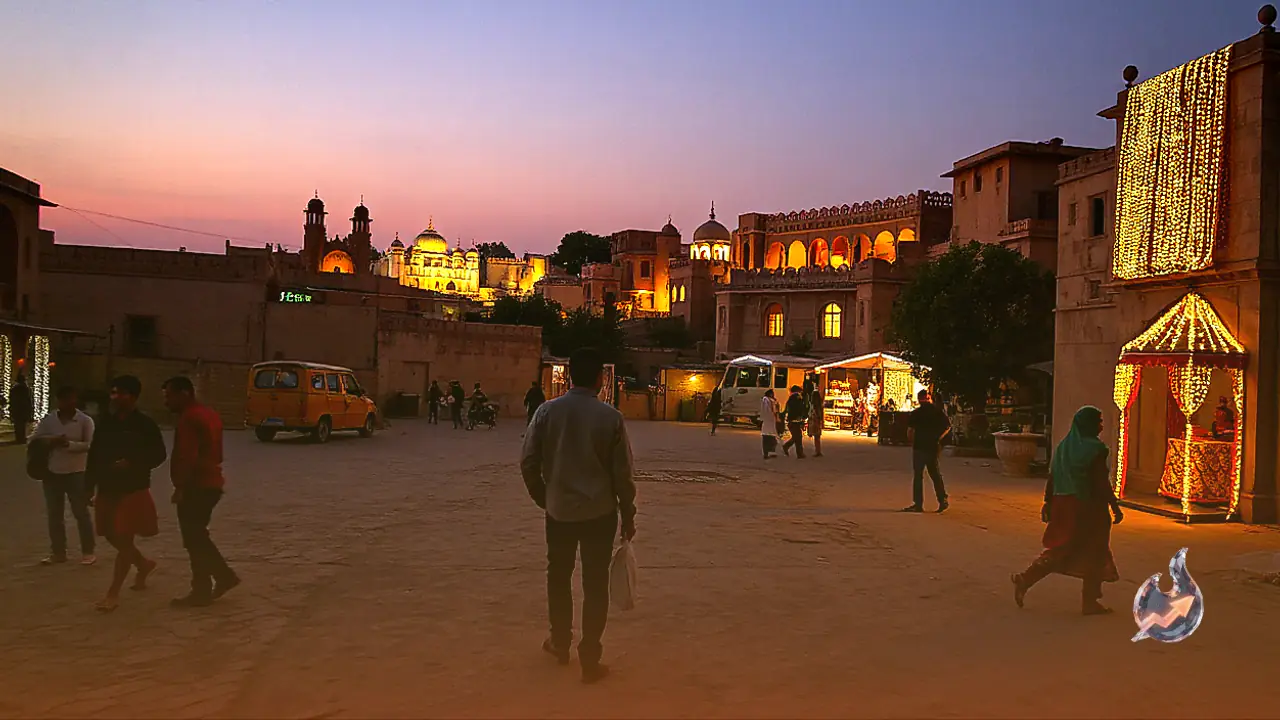
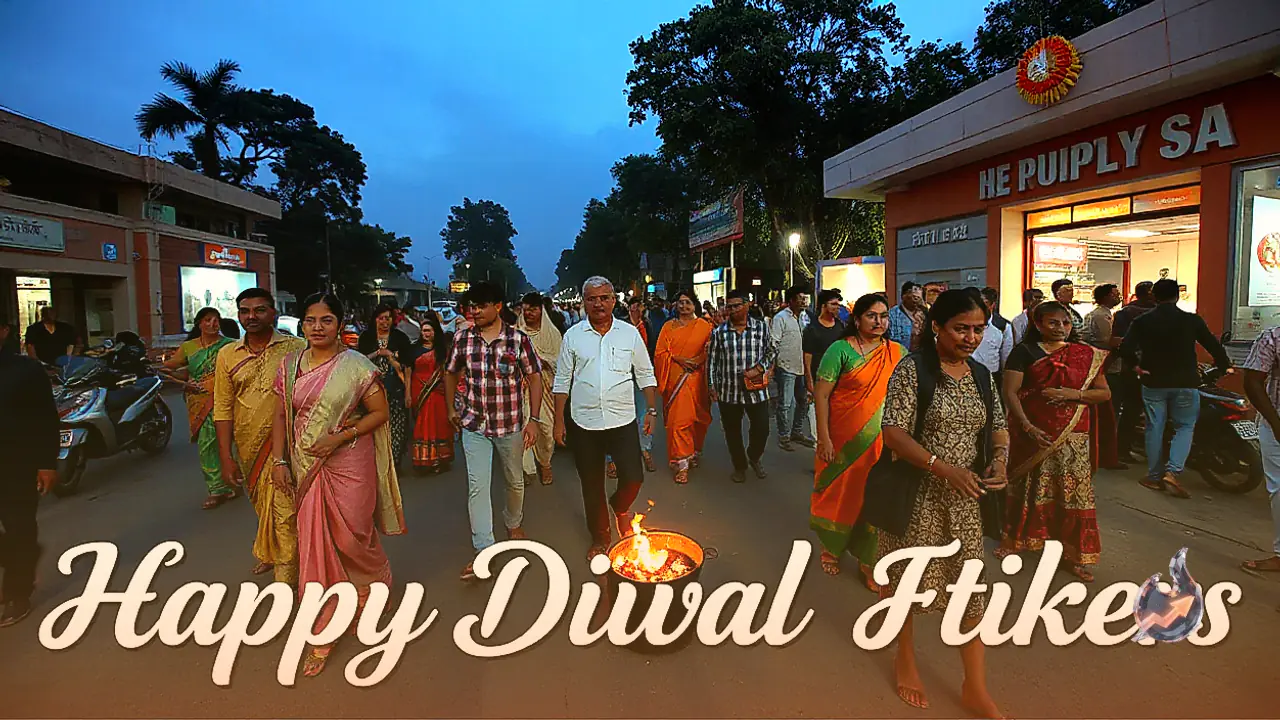















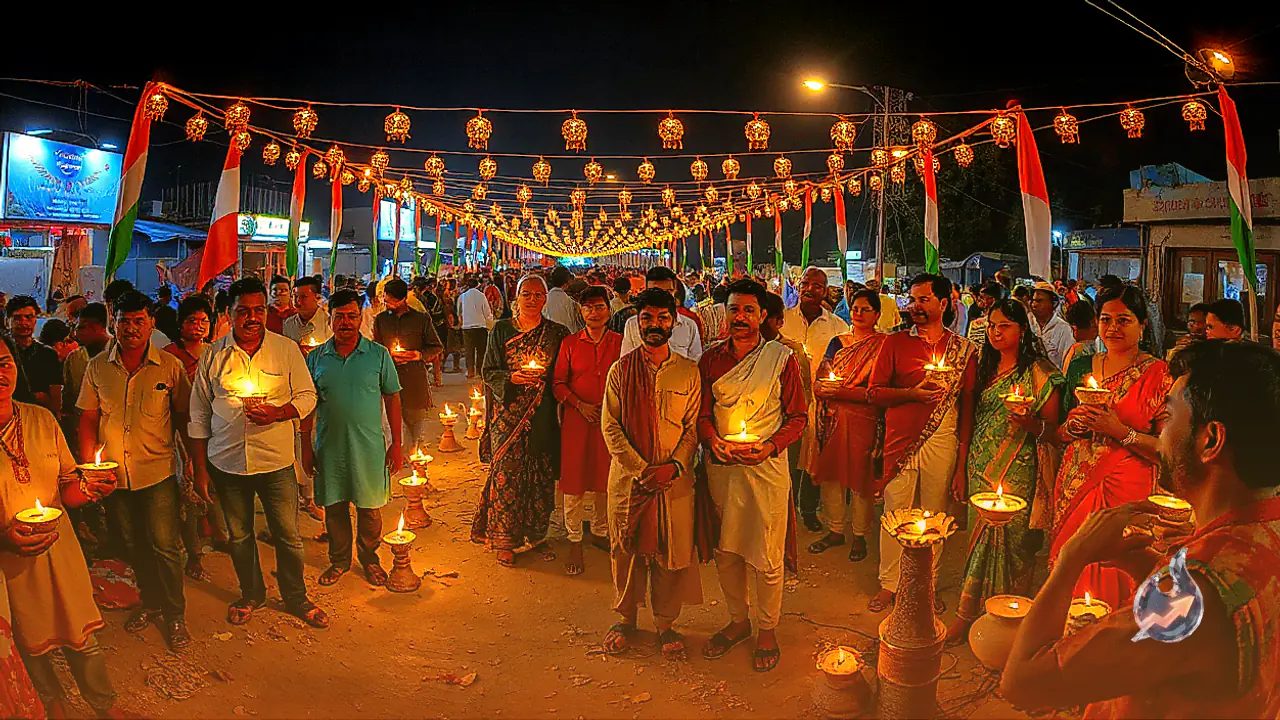

The celebrations of Deepawali have officially commenced with Dhanteras, bringing vibrant festivities and bustling markets across the city of Kota. The streets and local bazaars are glowing with colorful fairy lights, while the earthy scent of traditional clay diyas fills the air, creating a deeply festive atmosphere. Major commercial hubs in the city including Station Area, Chhaoni, Nayapura, Ghantaghar, Rampura, Talawadi, and Mahaveer Nagar are fully prepared to welcome Goddess Lakshmi. Shops run by local potters are adorned with clay lamps, earthen pots, water pitchers, and prosperity hangings made from paddy stalks, capturing the attention and affection of shoppers.
To preserve the age-old tradition of lighting earthen lamps on Diwali, potter families from Kota and surrounding rural villages have brought distinct varieties of handmade diyas to the market. These clay lamps will illuminate not only homes but also local temples. Furthermore, residents of Kota are fulfilling their pledge to spread light to as many households as possible in alignment with the traditional practice of deepdan. This blend of cultural heritage and festive enthusiasm is making the current festive season particularly special.
Amidst this bustling market activity, a unique campaign in Kota is striving to rescue the fading craft of traditional potters. Dr. Durgashankar Saini is spearheading a special tricolour lamp campaign this season. Explaining the initiative, he noted that the preparations took more than 10 days of dedicated effort. Under this campaign, lamps have been crafted in three distinct colors where the saffron lamp symbolizes Indian culture, the white lamp represents peace, and the green lamp stands as a symbol of prosperity and the development of farmers.
According to Dr. Saini, these special lamps are being distributed free of cost to major organizations and households across Kota during Diwali. To make them more convenient to use, the lamps have been pre-filled with wax. He made an earnest appeal to citizens across the country to visit local potters directly and purchase clay lamps so that the light of Diwali can reach the homes of potter families as well.
Dr. Saini has been running this dedicated campaign for approximately 12 years. He personally visits the homes of potters and sits by their pottery wheels to boost their morale. He pointed out that modern consumers often prefer contemporary trends, which led to the creation of smaller, colorful lamps with a modern touch. Prior to this, multi-color, saffron, and plain lamp campaigns have also been successfully organized to support the community.
The manufacturing process of earthen lamps is lengthy and requires immense physical labor. Potters must first procure clay from outside sources, which has increasingly become a major challenge today. The clay is soaked in water and kneaded thoroughly just like dough, after which it is shaped into lamps, pots, and other utensils on a potter wheel. Once shaped, these items are dried in the sun, baked in a traditional kiln, and finally painted before being brought to the market.
Dr. Saini shared that he had placed an order for 5,100 lamps, out of which 2,100 lamps have already been successfully crafted and delivered by the potters. An individual potter can produce around 1,000 lamps in a day, but the complete drying and finishing process takes about five days. If rain occurs, an additional two days are required just for drying. This is followed by kiln baking and coloring processes. Despite putting in such strenuous labor, artisans often fail to receive adequate remuneration, which is precisely why the younger generation is distancing themselves from this occupation.
Dr. Saini noted that the consistent efforts over the past 12 years have gradually revived public interest in traditional potters, but earnings remain critically low. He urged the government to implement periodic campaigns and support programs to encourage and protect the craftsmanship of traditional Indian artisans and potters.