




















Enjoying hot kuttu ki puris alongside flavorful potato curry and fresh curd during a religious fast is a wonderful culinary experience. When preparing these flatbreads at home, the most important factor to monitor is the moisture level within the dough. While rolling kuttu dough, the edges can frequently crack or the disc might stick directly to the rolling board. To successfully prevent both of these common issues, first mash the boiled potatoes thoroughly before incorporating them directly into the buckwheat flour. Potatoes naturally bind the flour together, so before pouring any liquid, squeeze a handful of the mixture to test its consistency. If it begins holding together effortlessly, only a very minimal amount of water will be required.
According to this traditional preparation method, kuttu flour, boiled potato, and rock salt are combined to knead a slightly firm dough. Once mixed, the dough is covered and left to rest for half an hour before being rolled into small puris and fried in ghee. While rolling, keep the thickness uniform across both the center and the edges so that the puri cooks evenly on both sides and puffs up successfully. While the dough is resting, you can simultaneously prepare the accompanying potato curry to serve alongside the meal.
Preparing roughly ten to twelve puris requires precise quantities of ingredients. Gather 240 grams of kuttu flour, 125 grams of boiled and peeled potatoes, one small spoon of rock salt, and water as needed. Keep ghee ready for deep frying. During the rolling process, if the dough ball starts sticking, a little dry kuttu flour will come in handy, so keep it nearby in a separate small bowl. This specific measurement yields around ten to twelve small puris. If you are preparing the soupy potato curry alongside, adjust the total salt content according to your personal taste. When weighing ingredients, ensure the 125-gram measurement strictly applies to the boiled and peeled potatoes.
Potatoes must be completely free of lumps so the puris can be rolled out smoothly. After boiling the potatoes, drain all the water thoroughly. Once they are cool enough to handle, peel them and mash them evenly using a fork or a ladle. If any large chunks remain visible, press them against the side of a bowl until they turn fine. Leaving large potato pieces inside the dough ball will cause the surface of the puri to rupture during rolling. Next, combine the kuttu flour and rock salt together in a broad vessel. Spread the mashed potato gradually into the flour using your hands, blending it carefully with your fingers to ensure the potato does not accumulate in a single spot.
After mixing the potato and flour, squeeze a small portion of the mixture firmly inside your palm. If it continues to crumble despite being squeezed, add a single spoon of water and mix again. Continue adding water in small increments according to necessity and knead the dough. The finished dough should hold its shape securely when rolled into a ball and should not develop deep cracks along the edges when pressed. If the dough feels excessively sticky against your fingers, correct it by mixing in a single spoon of dry kuttu flour. Cover the kneaded dough and let it rest for a minimum of 30 minutes. Afterward, press it gently with your hands once more before dividing it into individual portions.
Divide the rested dough into equal parts to form small individual balls. If a dough ball sticks to your hands, lightly grease your palms with a little ghee. Press one ball gently with your palm, place it on the rolling board, and roll it out evenly into a round shape. Use a pinch of dry kuttu flour on the board if necessary. If you notice a tiny crack along the outer edge, press it gently with your finger to seal it before continuing to roll. Keep the thickness of the puri thin enough to cook quickly, but substantial enough that it does not tear when lifted. Roll out only as many puris at a time as you can comfortably fry in a single batch, keeping the remaining dough balls covered to prevent their surfaces from drying out.
Heat enough ghee in a deep pan so the puri can float easily on top. To test the correct temperature, drop a tiny piece of dough into the fat. If it rises quickly to the surface accompanied by gentle bubbles, carefully slide the first puri into the hot ghee. Once the puri starts floating upward, apply gentle pressure at its center using a slotted spoon. After one side finishes cooking, flip it over and fry the second side until it attains a slightly deeper shade. Because buckwheat flour naturally possesses a darker hue beforehand, there is no need to fry the puri until it turns excessively brown. Hold the fried puri on the slotted spoon for a few seconds to let any excess ghee drain back into the pan before transferring it to a serving plate.
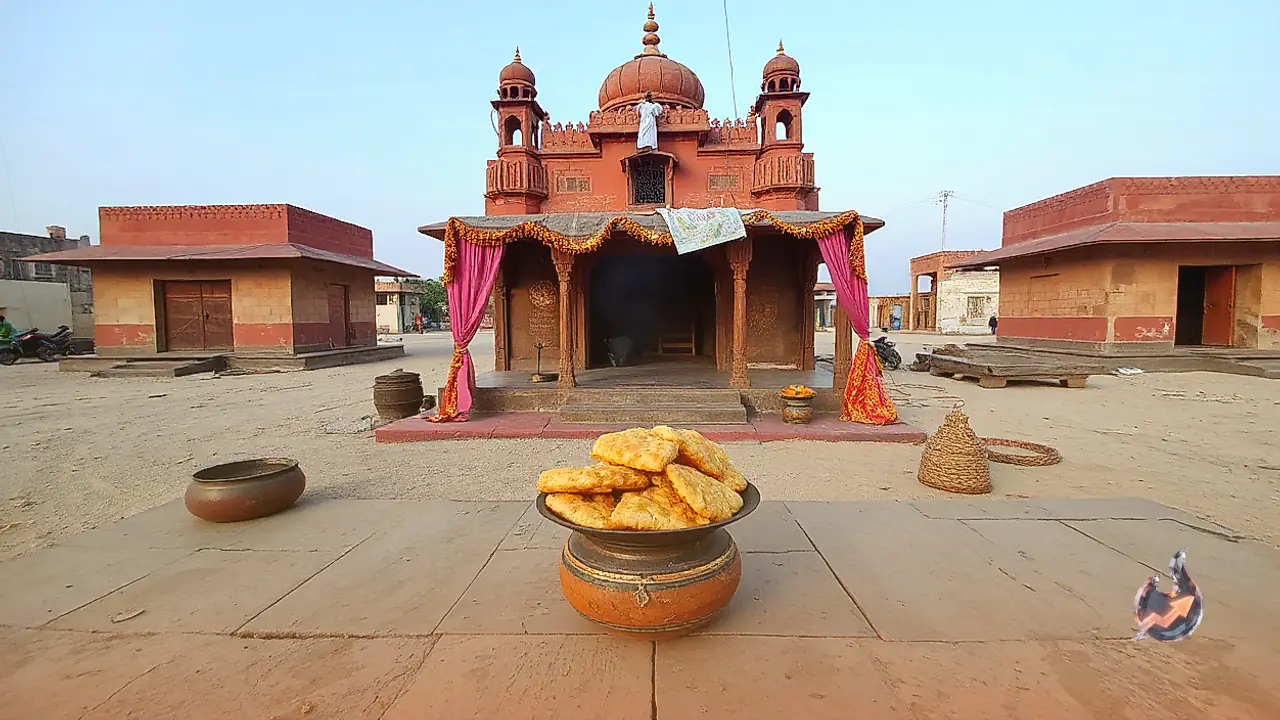
The crispiness of kuttu ki puri tastes best when served piping hot. You can accompany the meal with rock-salt-seasoned potato curry and a small bowl of plain curd. Keep the consistency of the curry light so you can easily dip each bite of the puri into it. If the very first puri fails to puff up adequately, pay closer attention to the thickness of the subsequent dough ball and recheck the temperature of the ghee. Often, this exact minor adjustment causes all the remaining puris to puff up beautifully.