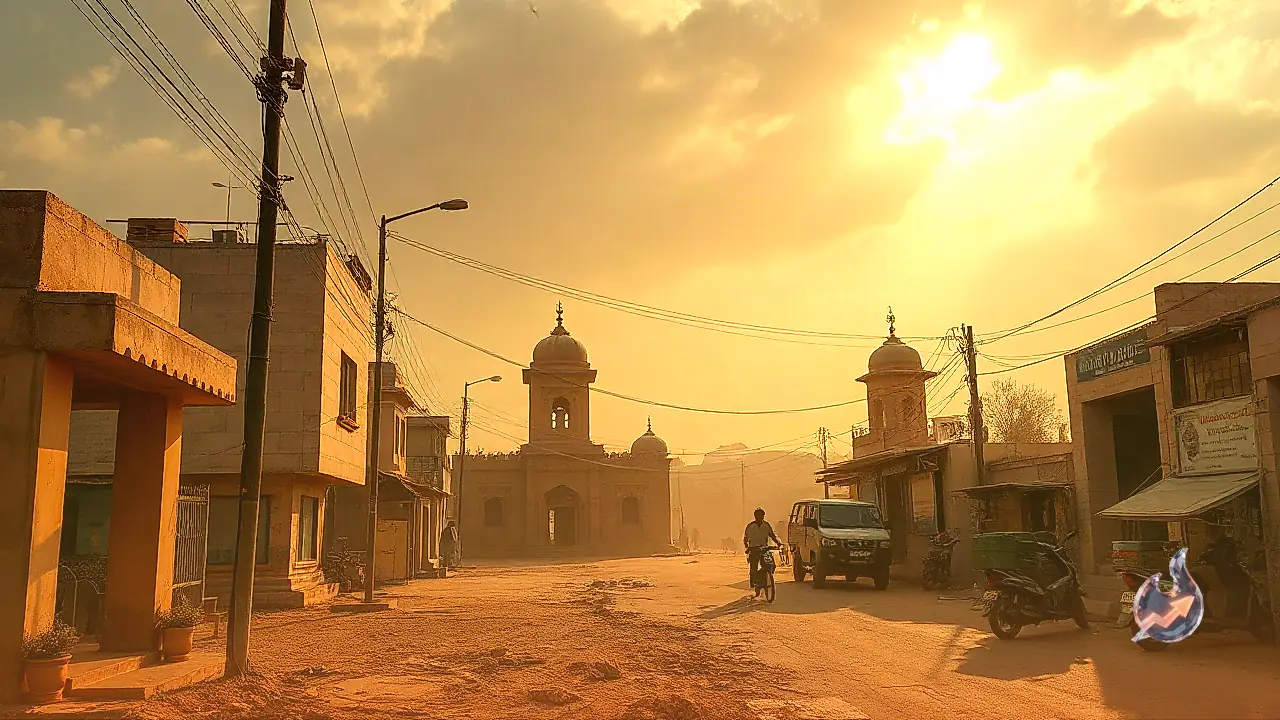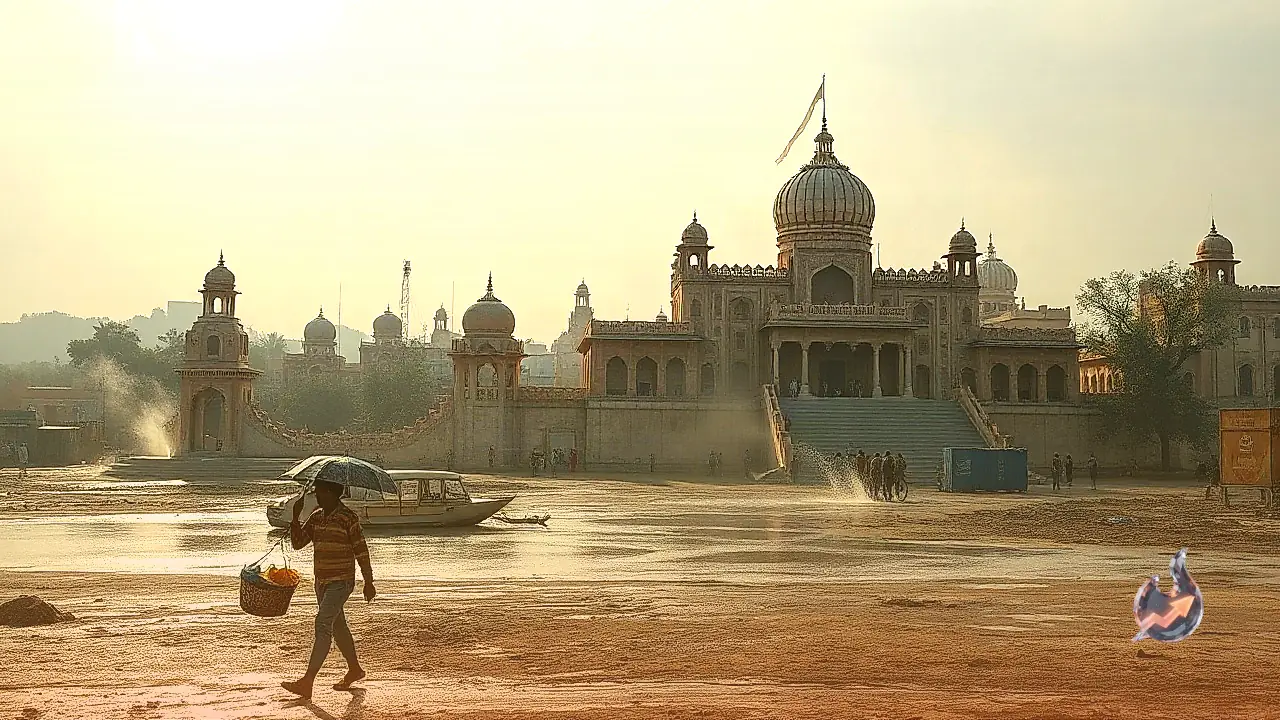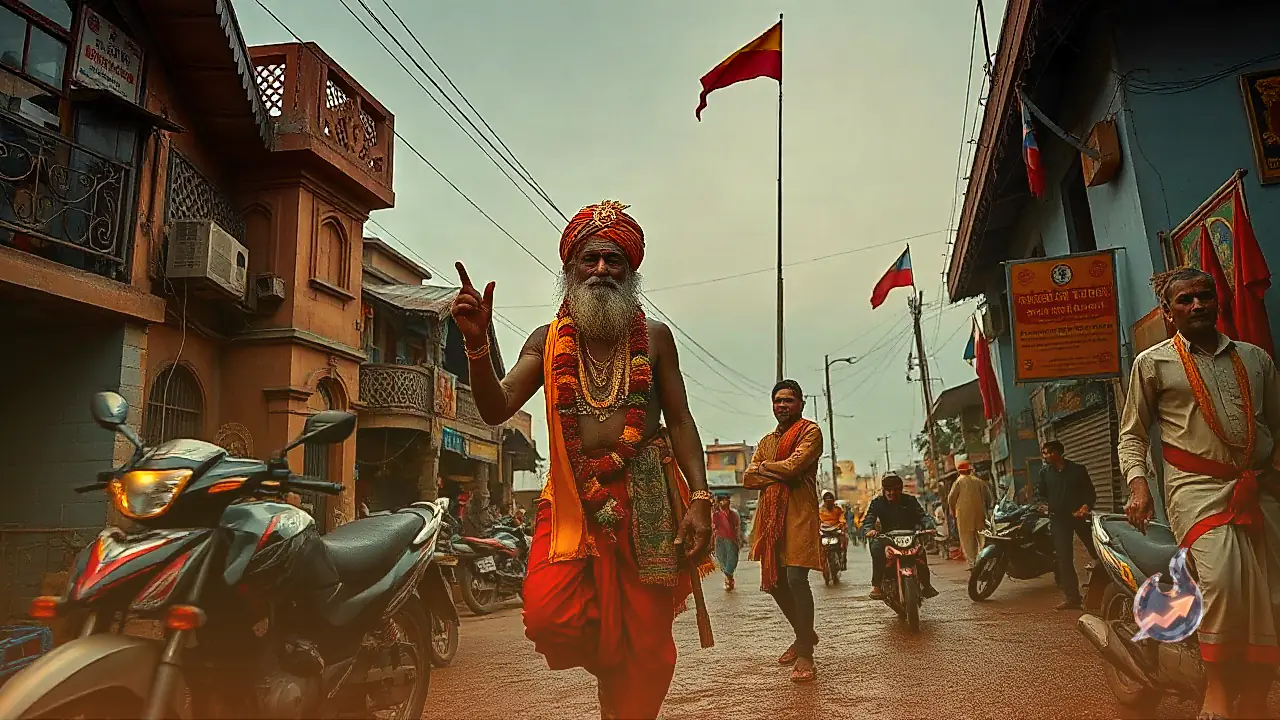






















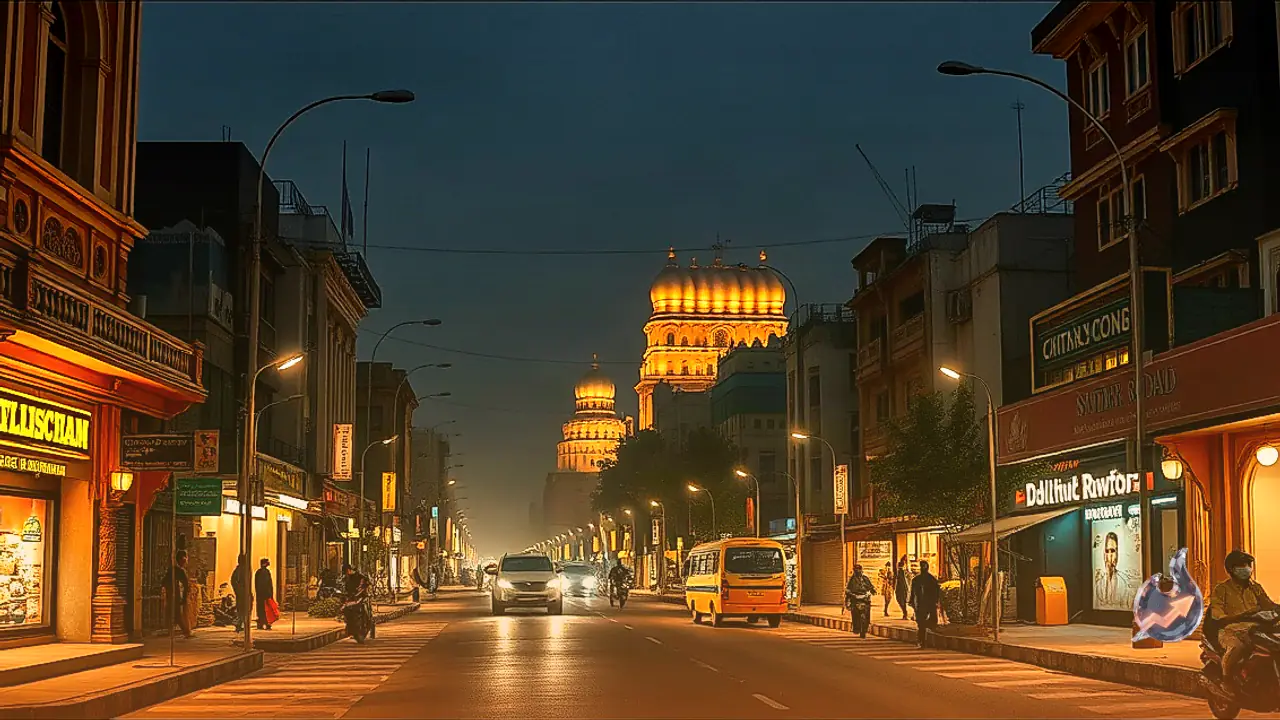

Stepping into the commercial heart of Dholpur immediately leads visitors to Santer Road, widely regarded as the city's largest and most active retail marketplace. Shoppers flock here daily because practically every household necessity and consumer good can be found along its vibrant stretches. Yet, beneath the bustle of modern trade, this thoroughfare remains an open-air archive of the region's royal legacy, preserving architectural footprints and historical milestones from the princely era.
The Transition From Central Road to Everyday Santer Road
The origin of the street's current name is tied directly to royal governance and colloquial speech evolution. According to historian Arvind Sharma, the route was originally designated as Central Road during the princely era. It earned that title because the royal administrative offices and palaces that governed the Dholpur princely state were clustered directly around it. In particular, between 1836 and 1873, during the reign of Maharaj Bhagwant Singh, this zone functioned as the core headquarters of civic and princely operations. Over subsequent decades, as the English phrase Central Road filtered through local spoken dialects, it naturally transitioned into the colloquial form Santer Road, a name that eventually became permanent.
Sharad Mahotsav Traditions and Deep Spiritual Heritage
Commercial activity along this stretch is not merely a modern phenomenon; it traces back well over a century. Beginning around 1892 during the reign of Maharaj Rana Nihal Singh, Santer Road became the venue for a grand fair celebrating the historical Sharad Mahotsav. Drawing travellers and merchants from distant communities, the festival transformed the avenue into a lively commercial destination that ran straight through to Diwali, cementing its status as an indispensable trade hub.
The avenue also holds profound spiritual resonance for the city. It houses the revered temple dedicated to Lord Narsingh Dev, the tutelary deity of Dholpur's ruling dynasty. Close to the shrine lie the historic Narsingh Bagh and royal palaces that once accommodated state functions. Adding to this heritage landscape, the historic Hanuhankar cannon situated along Santer Road continues to offer a striking tangible connection to the state's royal artillery and martial history.
Sandstone Architecture Anchoring a Vibrant Modern Economy
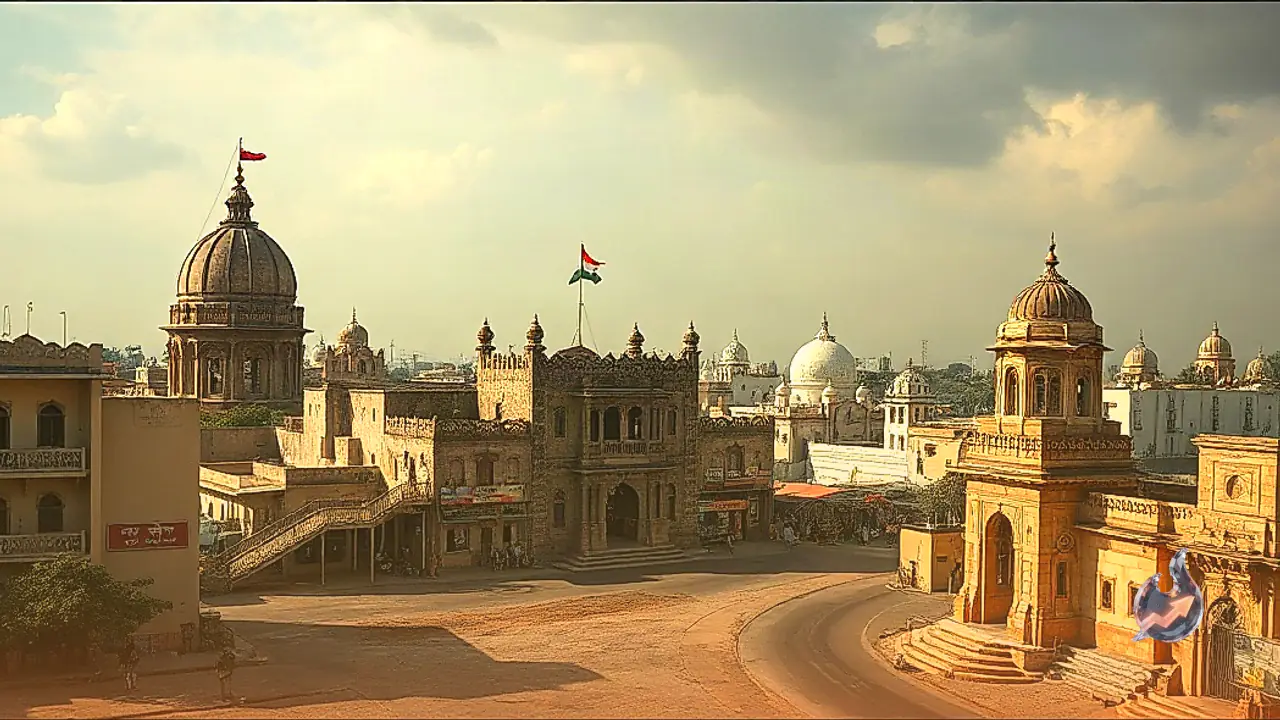
A walk through the Santer Road bazaar reveals towering antique gateways crafted from signature red and white sandstone. These structures reflect the distinctive stonemasonry and architectural traditions for which Dholpur is renowned, showing modern visitors just how vital this route once was to princely movement and state ceremony. While times have advanced, the market's commercial relevance remains completely undiminished. It stands today as Dholpur's premier trading centre, driving the city's local economy forward every single day while serving as a bridge to its celebrated past.