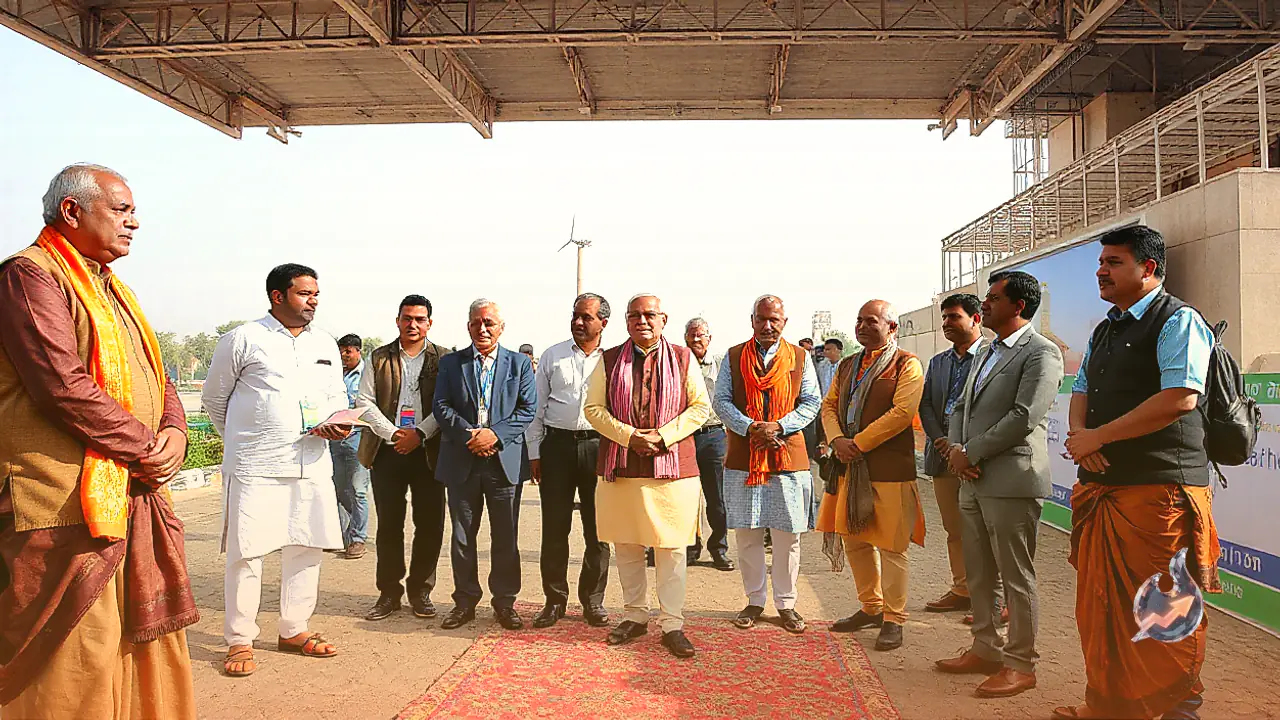


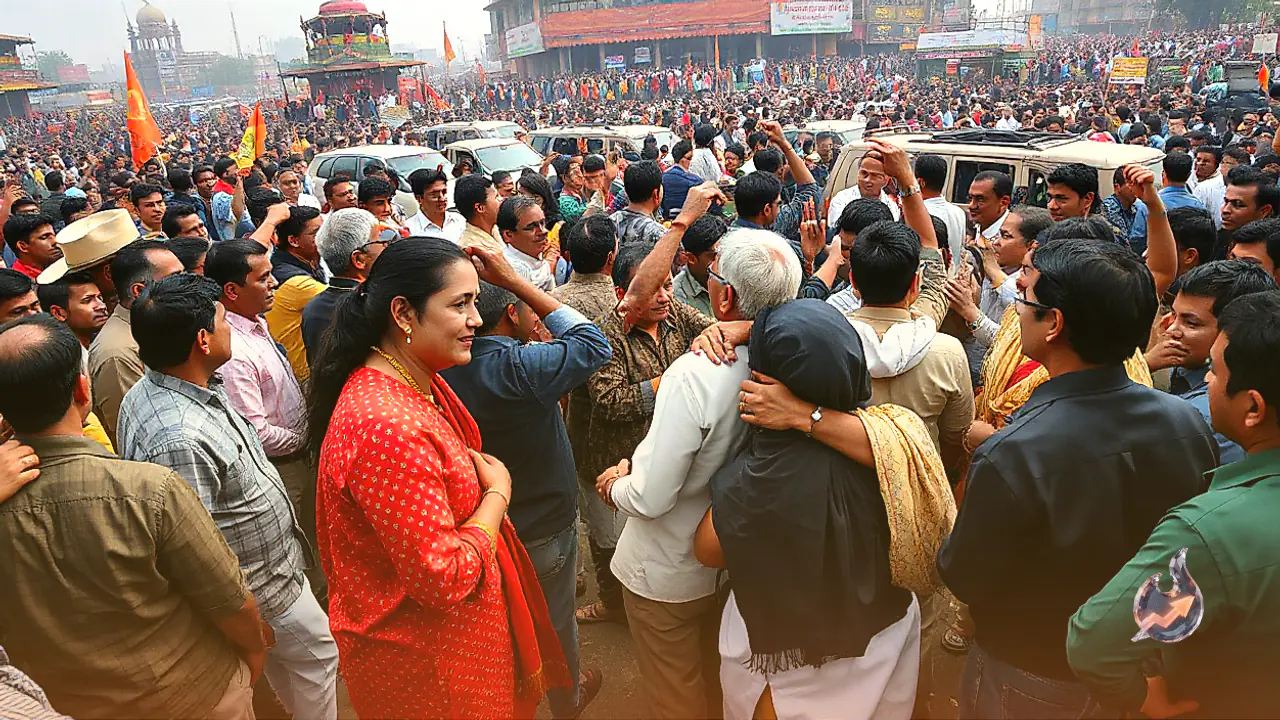
















Mahant Anjan Kumar Goswami, the head priest of the revered Govind Dev Ji Temple in Jaipur, has passed away at the age of 78. He suffered a sudden silent heart attack on Sunday afternoon, after which he was immediately rushed to Durlabhji Hospital. Despite medical intervention and emergency treatment, he breathed his last at the medical facility. News of his demise led to an outpouring of grief across the temple community and among thousands of devotees.
Sudden Deterioration in Health on Sunday
The health of Mahant Anjan Kumar Goswami took a sudden turn for the worse at around 12 noon on Sunday. Following the silent heart attack, caretakers and family members quickly transferred him to the hospital for intensive care. Medical staff made concerted efforts to revive and stabilize him, but he could not be saved. Devotees and community leaders gathered in large numbers to pay their respects following the tragic announcement.
Funeral Rites Performed at Samaj Badi Near Jal Mahal
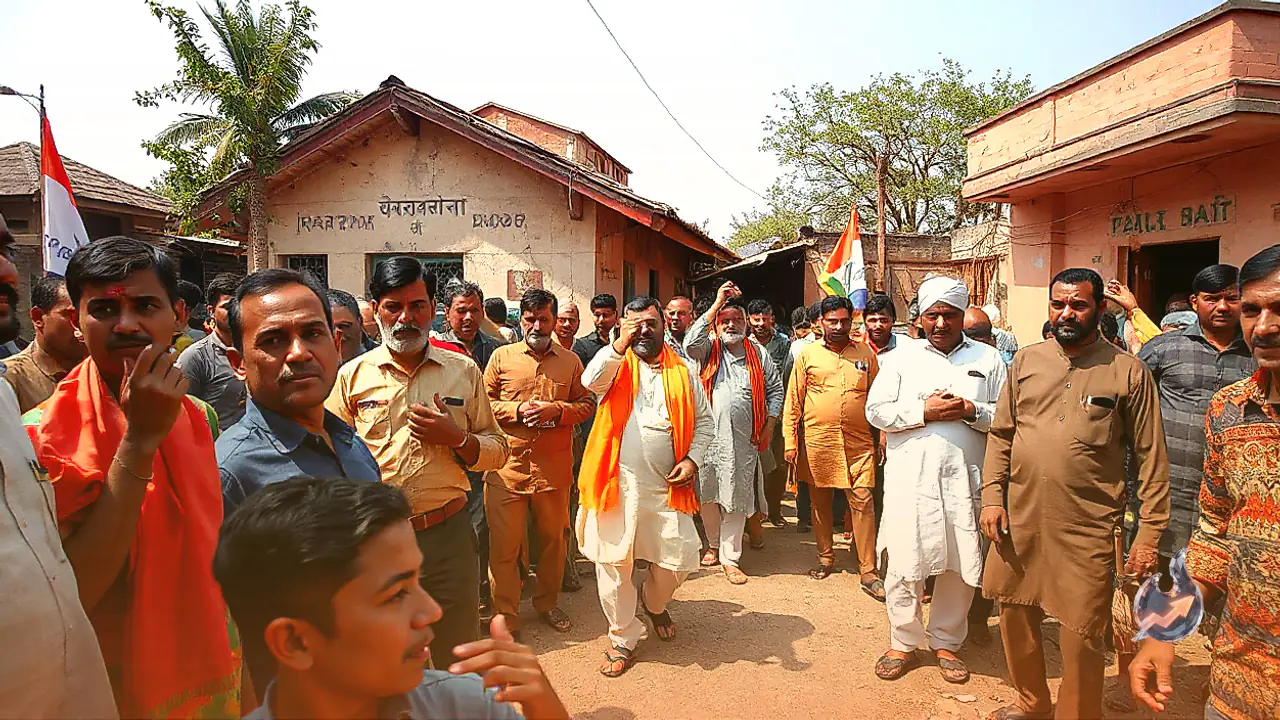
The funeral procession commenced at 4:30 pm on Sunday from his haveli located in the Subhash Chowk area. A large congregation of devotees, religious leaders, and citizens joined the final journey through the historic quarters of the city. His last rites were subsequently performed at Samaj Badi, situated right opposite Jal Mahal. Mahant Anjan Kumar Goswami belonged to the sacred lineage of the Gaudiya Vaishnav tradition, and his passing marks a significant loss for the spiritual community.
The Kachwaha Dynasty and the Spiritual Ruler of Jaipur
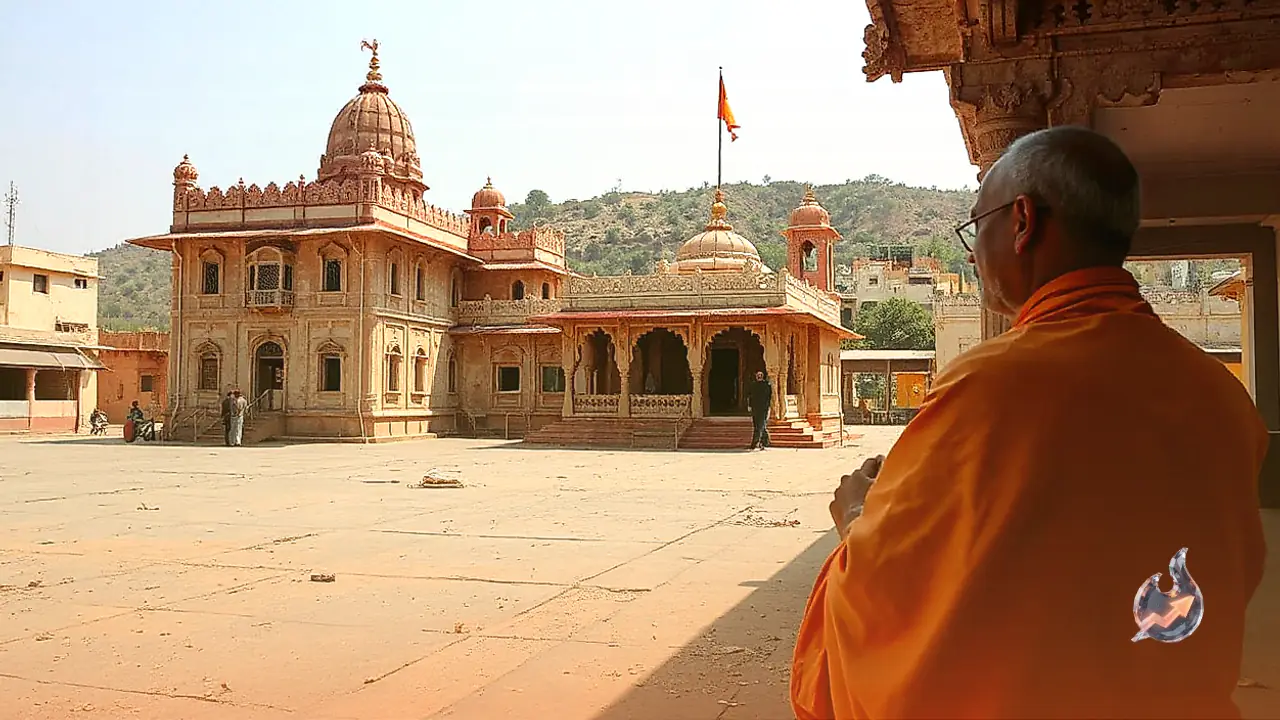
The Govind Dev Ji Temple in Jaipur represents more than just a place of daily worship; it is the spiritual core and cultural heartbeat of the city. The shrine is dedicated to Lord Krishna in his Govind Dev manifestation. Historically, the rulers of the Kachwaha dynasty regarded Lord Govind Dev Ji as the true sovereign of Jaipur. The kings traditionally considered themselves merely his ministers or servants, administering the realm on his divine behalf.
Heritage and Architecture Within the City Palace Complex
The temple is nestled inside the Jai Niwas Garden within the expansive City Palace complex, positioned elegantly between Badal Mahal and Chandra Mahal. It attracts an uninterrupted stream of pilgrims and visitors each day. The foundation of this temple dates back to the 18th century during the reign of Maharaja Sawai Jai Singh II, the visionary founder of Jaipur. The holy idol of Lord Govind Dev Ji was originally brought to the pink city from Vrindavan.
According to historical records, the sacred idol was moved out of Vrindavan during the rule of Mughal emperor Aurangzeb to safeguard it from destruction. After being protected across several locations, it was eventually welcomed into Jaipur and consecrated in the dedicated shrine. The deep devotion of the royal family, who saw state administration as an act of service to the deity, established a tradition that continues to define Jaipur's religious and cultural identity today.