
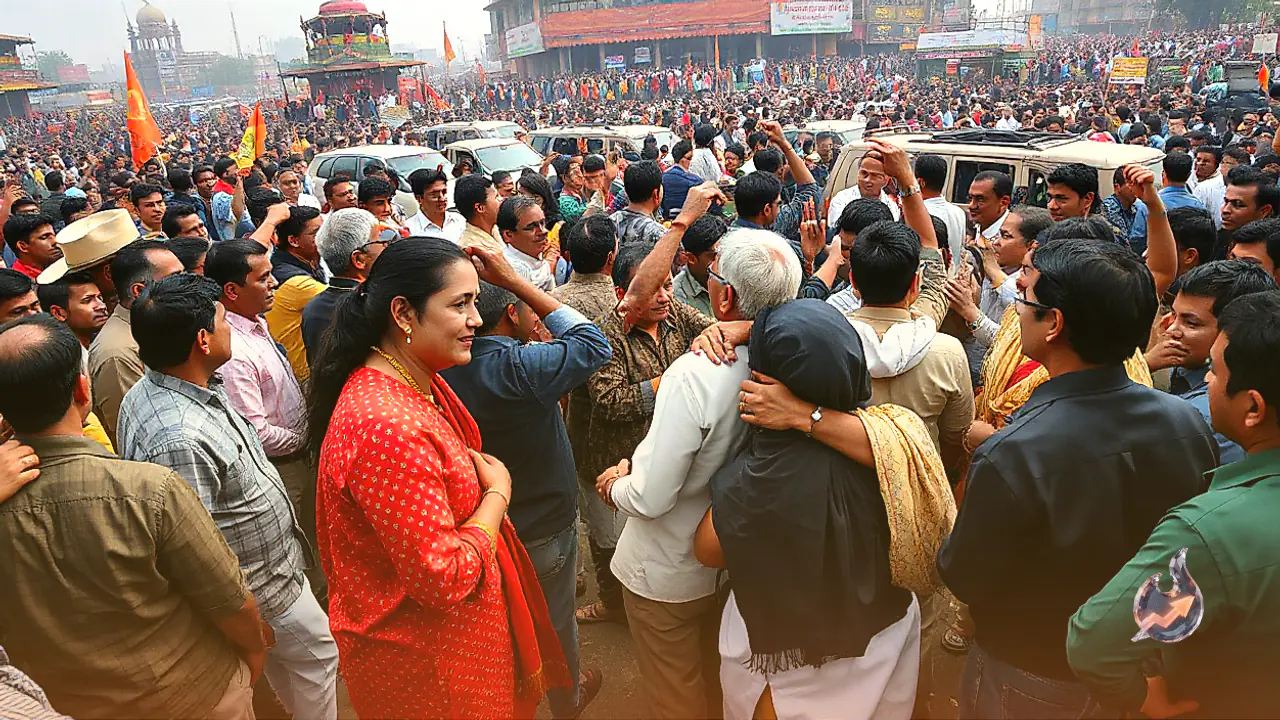















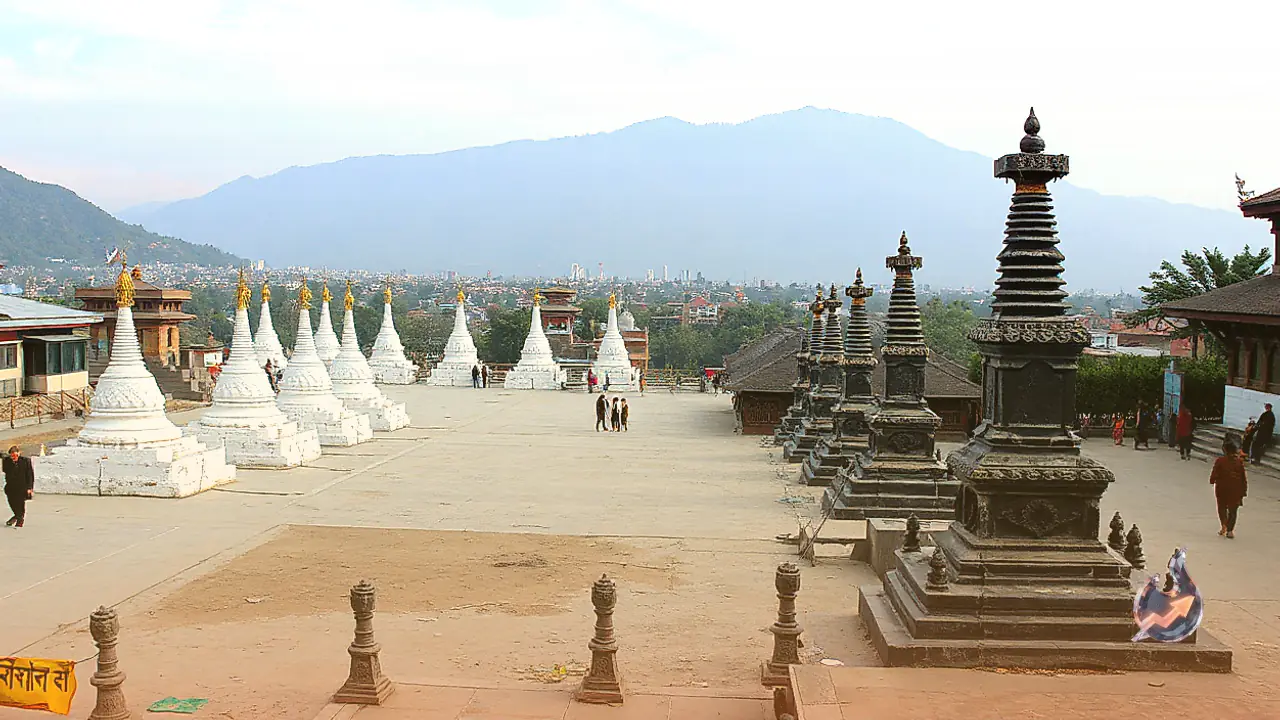

A remarkable construction effort unfolded along the banks of the Mao Chhu river on Sunday, where approximately 40,000 volunteers joined forces to erect the external structures of 108 massive stupas within roughly 12 hours. The event, held in the southern border hub of Gelephu, drew a crowd of around 200,000 attendees alongside Buddhist masters from diverse traditions. These sacred monuments form a fundamental cornerstone of Gelephu Mindfulness City, a special administrative region envisioned by King Jigme Khesar Namgyel Wangchuck of Bhutan. Work commenced in the early morning darkness at 2 am and reached structural completion by 2 pm, concluding well ahead of the anticipated timeframe.
Prefabricated Engineering and Massive Community Mobilisation
Completing the sheer volume of 108 stupas within half a day demanded months of meticulous staging and technical planning. Clad in safety vests and hard hats, volunteer teams systematically lifted and joined prefabricated components on site. Project officials noted that Sunday's milestone concentrated strictly on finishing the outer shells. In subsequent stages, the sealed sanctuaries will be consecrated by enshrining sacred relics, prayers, blessings, and scriptural texts inside, turning each monument into a permanent physical vessel of devotion. As dusk settled, vast gatherings assembled beside the monuments, holding glowing yellow light spheres, chanting sacred verses, and making offerings at the newly established pedestals.
Economic Revival Centred on Gross National Happiness
Presently, Gelephu exists as a quiet border town home to roughly 10,000 residents, situated about 240 kilometres south of the capital city of Thimphu directly along the international border with India. Bhutan currently confronts pressing economic challenges, including rising joblessness, a shrinking fertility rate, and an escalating outward migration of skilled young talent. Project backers expect the new city to invigorate national commerce and provide sustainable domestic livelihoods. The master concept for the mindfulness metropolis was crafted by Danish architects with a clear mandate: build a dynamic commercial and financial hub that elevates ecological preservation and the genuine well-being of citizens above unrestrained corporate revenue.
Project 108 Alignment and Vajrayana Buddhist Principles
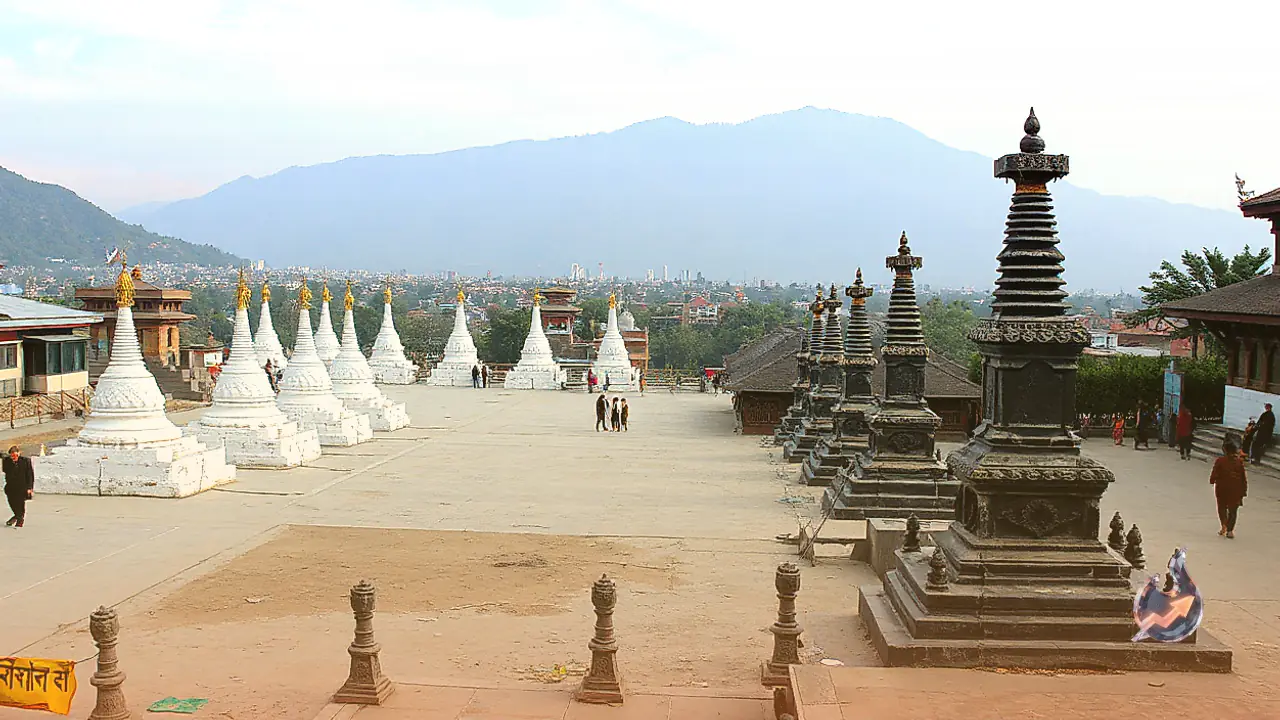
Under the blueprint known as Project 108, each of the 108 monuments stands approximately 50 feet high. According to the project website, the stupas are evenly separated by intervals of roughly 354 feet in a singular alignment along the Mao Chhu river, creating the visual impression of a grand, orderly spiritual procession. The number 108 holds profound spiritual significance throughout Buddhist cosmology. Within Vajrayana Buddhism, these edifices are designated as Jangchub Chortens. Vajrayana took shape as a prominent tradition in India around the 5th and 7th centuries B.C., emphasizing an accelerated path capable of bringing practitioners to full enlightenment within a single lifetime. Project planners stated that the 108 stupas collectively symbolize the enlightenment of the Buddha.
Sacred Ecology and Ancient Monumental Heritage
In an official statement detailing the initiative, organizers stressed that the endeavor represents far more than an engineering triumph. In the Buddhist worldview, building a chorten ranks among the most spiritually virtuous deeds an individual can perform, radiating merit not only to those who assemble it but to all visitors who come into its presence. Bhutan stands uniquely as the sole sovereign state where Vajrayana Buddhism is constitutionally enshrined as the national religion. Spiritual doctrine directly permeates legal structures, societal conduct, and administrative policy, as exemplified by the Gross National Happiness framework that prioritizes communal harmony and peace over raw gross domestic product metrics. Furthermore, Vajrayana theology reveres natural environments as sacred domains inhabited by local spirits in waterways, forests, and peaks, transforming nature conservation into a moral obligation. Bhutan's chorten heritage stretches back more than 2,500 years, tracing back to the earliest reliquaries erected to house the physical remains of the Buddha following his passing.
Global Monastic Gathering and Cross-Border Significance
Kinley Dorji, serving as the official spokesperson for Gelephu Mindfulness City, hailed Sunday's mass gathering as an inflection point in contemporary Bhutanese history. Dorji noted that the riverfront site occupies a symbolic transition zone where the expansive plains of India ascend directly into the Himalayan mountains. Although organizers originally planned for thousands of visitors, attendance surged dramatically past 100,000, bringing together international masters who presented revered relics and traditional blessings. Prominent participants included the Venerable Pannakara, a Theravada monk who earlier completed an arduous 108-day, 2,300-mile Walk for Peace stretching from the Huong Dao Vipassana Bhavana Center in Fort Worth, Texas, all the way to Washington, D.C. The monastic delegation also featured the Most Venerable Ratanaguna. Reflecting on the completed site via social media channels, Pannakara confirmed that the collaborative workforce completed the installation approximately four hours ahead of schedule, completing the external assembly in roughly 12 hours.