














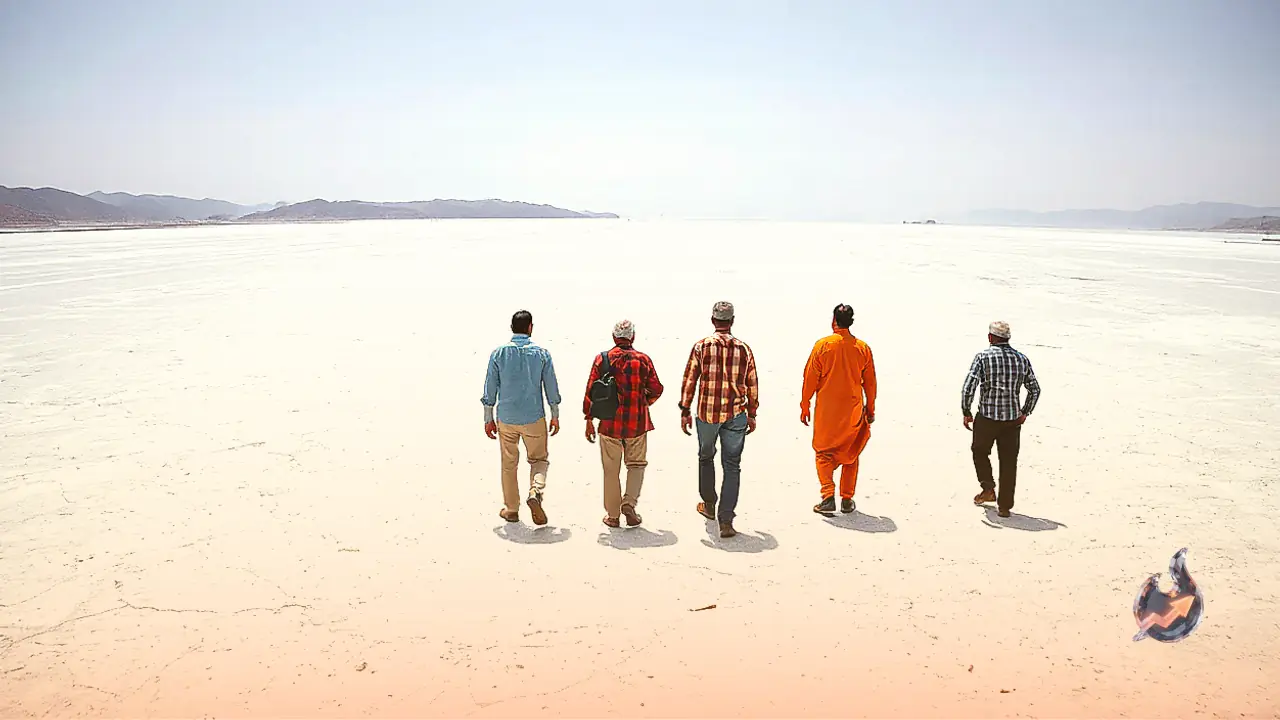

Sambhar Lake in Rajasthan has carved out a unique identity on the country's cultural and tourism map, rapidly establishing itself as a premier destination for India's entertainment industry. Situated near Jaipur, this expansive landscape draws filmmakers with its distinctive natural formation, miles of shimmering white salt flats, and an atmosphere free from urban distractions. Production crews are increasingly choosing the location not only to construct grand cinematic moments for mainstream movies, but also to record music albums and conduct pre-wedding photo sessions. The unobstructed horizon and absence of modern structures provide creators with an exceptional setting to deliver visually stunning scenes at a reasonable production cost.
Open Salt Flats Provide the Ideal Backdrop for Scale and Action
The primary attraction of Sambhar Lake lies in its dried expanse, where white salt deposits stretch across the horizon. This terrain provides directors with a ready-made landscape that closely mimics desert conditions while offering an entirely distinct visual texture. Unlike urban or crowded rural settings, the location features no high-rise buildings, visual obstructions, or crowds, making large-scale production schedules smooth and manageable. Directors frequently select these sweeping flats to film sprawling historical battles, cavalry charges, military troop movements, and high-energy action sequences. On camera, the wide white sheet of salt reflects natural daylight to create a rare sense of grandeur.
Cinematic Heritage Across Shakambhari Mata and Devyani Shrines
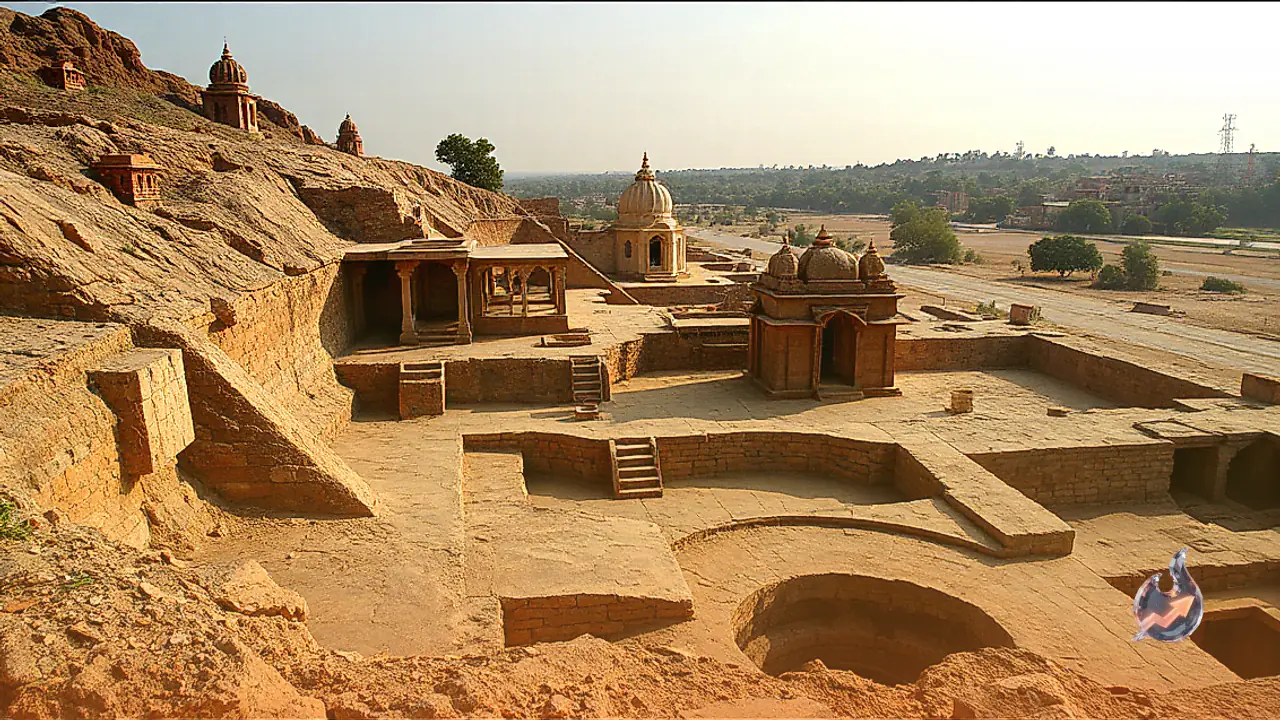
The surroundings of Sambhar Lake include historical and religious landmarks that lend natural depth and authenticity to cinematic sequences. Near the Shakambhari Mata temple, expansive open plains have served as the staging ground for combat and action sequences in major films such as Jodhaa Akbar, Drona, and Veer. The ancient topography around these grounds offers an organic period look for epic historical narratives. Similarly, the vicinity of the historic Devyani temple hosted filming schedules for key sequences in the movie Ram-Leela. The cultural heritage and geographical setting of these shrines have contributed significantly to building memorable cinematic environments on screen.
A Roster of Mainstream Releases and Recognizable Frames
Over the years, Sambhar Lake has formed the setting for several major Hindi cinematic projects. Prominent titles filmed across its flats include Delhi-6, PK, Jodhaa Akbar, Veer, Drona, and Ram-Leela. One of the most recognizable film visuals of recent times, the primary promotional poster for the Aamir Khan starrer PK, was shot directly along the Jhapok railway track passing through Sambhar Lake. In addition, the Sanjay Dutt project titled Sher was filmed across this landscape. Through these widely distributed films, the visual beauty of Sambhar Lake reached audiences across the nation, cementing its position as a reliable open-air studio for the film industry.
Music Productions and Independent Artists Embrace the Setting
Beyond feature films, the lake has become a sought-after backdrop for the music industry and video productions. Punjabi singer Kaka recently travelled to Sambhar Lake to shoot the video for his self-penned song Hijab-e-Haya. The vast white ground, paired with expansive open skies and natural desert lighting, delivers a striking visual atmosphere for music narratives. Because of this natural palette, mainstream Punjabi artists as well as regional performers consistently select Sambhar Lake as their preferred venue for recording music videos and album projects.
Rising Popularity for Pre-Wedding Shoots and Local Tourism
Alongside commercial filming, Sambhar Lake has gained immense popularity among local couples for pre-wedding photography and videography. Newly engaged couples travel to the lake from various regional centres across Rajasthan, including Jaipur, Ajmer, Nagaur, Sikar, and Pushkar. The stark white salt bed naturally diffuses and reflects sunlight, allowing photographers to capture clean, high-contrast imagery from multiple perspectives without requiring elaborate artificial sets, lighting rigs, or heavy decorations. This effortless elegance ensures every shoot achieves an artistic, magazine-quality look.
Salt Production, River Drainage, and the Legend of Shakambhari Mata
Sambhar Lake holds a vital place in regional commerce and cultural traditions alongside its entertainment fame. It stands as India's largest inland saltwater lake, supporting approximately 35 surrounding villages that depend on its historic salt harvesting operations. The lake's basin receives water inflow from three distinct rivers that feed the vast catchment area. According to local religious lore, goddess Shakambhari Mata transformed a precious regional asset into salt to preserve social harmony and benefit the local population. Today, the revered Shakambhari Mata temple remains an important centre of pilgrimage for devotees visiting the lake from across the region.