














A comprehensive transport and traffic management strategy has been rolled out across Jaipur to manage the massive festive rush and vehicular congestion during Diwali. With markets attracting immense foot traffic for holiday shopping and sightseeing, authorities have overhauled mass transit schedules while introducing strict vehicular access limitations in the historic heart of the city to keep movement fluid and orderly.
Metro Services Scaled Up to 214 Daily Trips
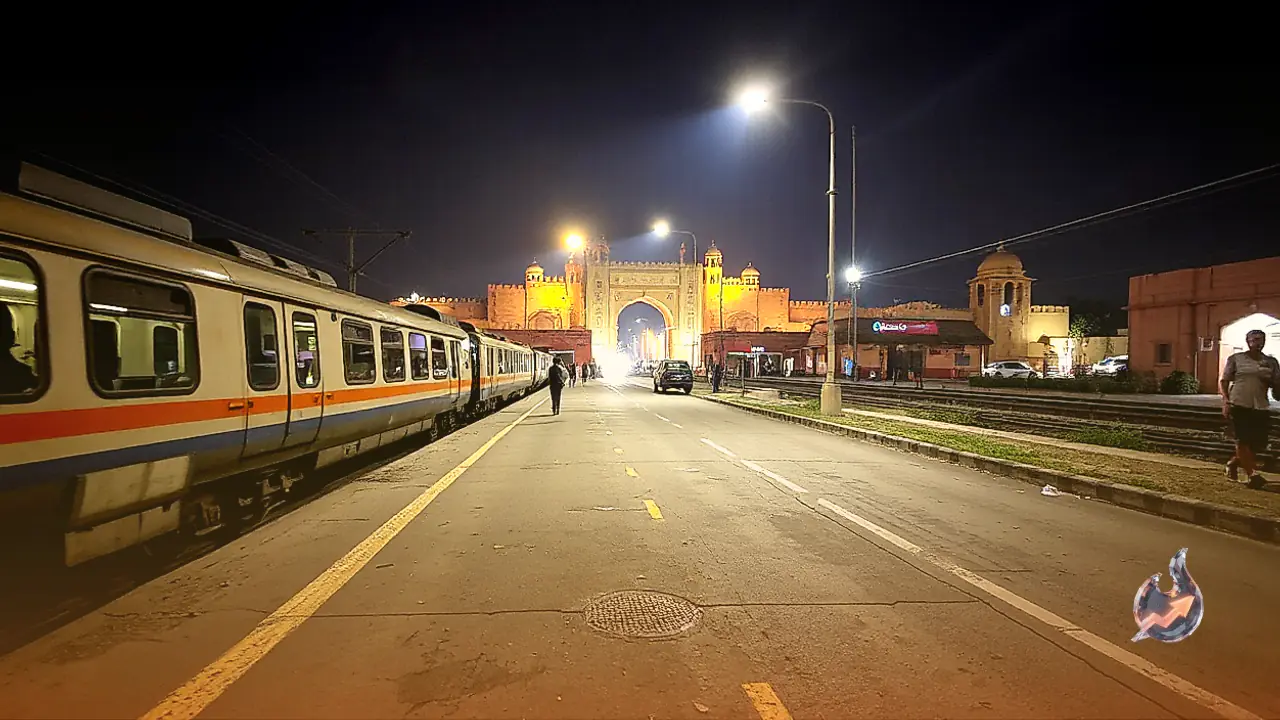
To ease transit across key commercial hubs, the Jaipur Metro administration has decided to significantly step up operational capacity between November 3 and November 11. The network, which routinely operates 202 trips each day, will increase its schedule to 214 daily trips during this festive window. This boost in frequencies is aimed at reducing passenger wait times at platforms and offering consistent, dependable mass transit when road surfaces become increasingly saturated with festive traffic. The move is expected to directly assist tens of thousands of shoppers and visitors navigating the urban core.
Extended Operations with Last Train Departing at 12:30 AM
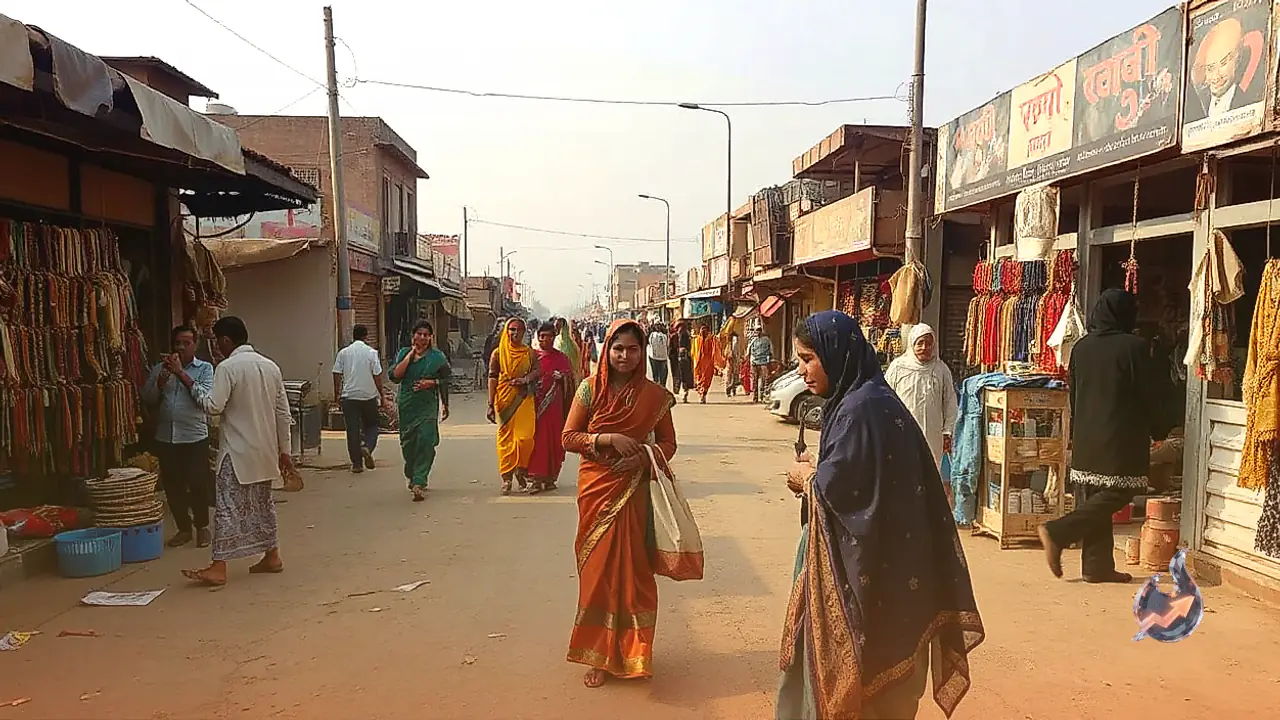
Jaipur's markets, particularly within the historic Walled City, remain lively until the early morning hours during Diwali as residents and tourists gather to witness the illuminated heritage landmarks and shop for the season. Addressing the needs of late-night visitors, the metro operating hours have been extended substantially. The final train from both Mansarovar and Badi Chaupar terminal stations will now depart at 12:30 AM. This late-night extension provides a secure, efficient public transit alternative for shoppers and workers heading home after midnight, eliminating the struggle to find late-night road transport.
Commercial Vehicle Restrictions Inside the Walled City from November 6 to 9
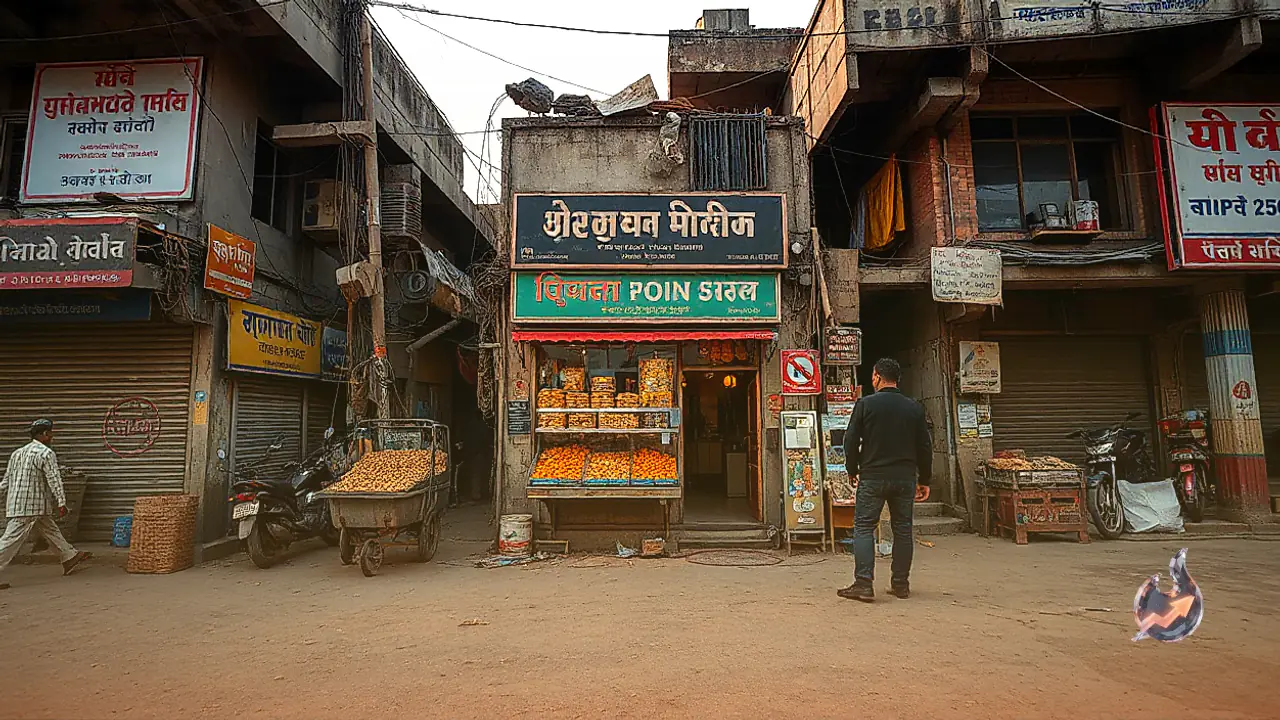
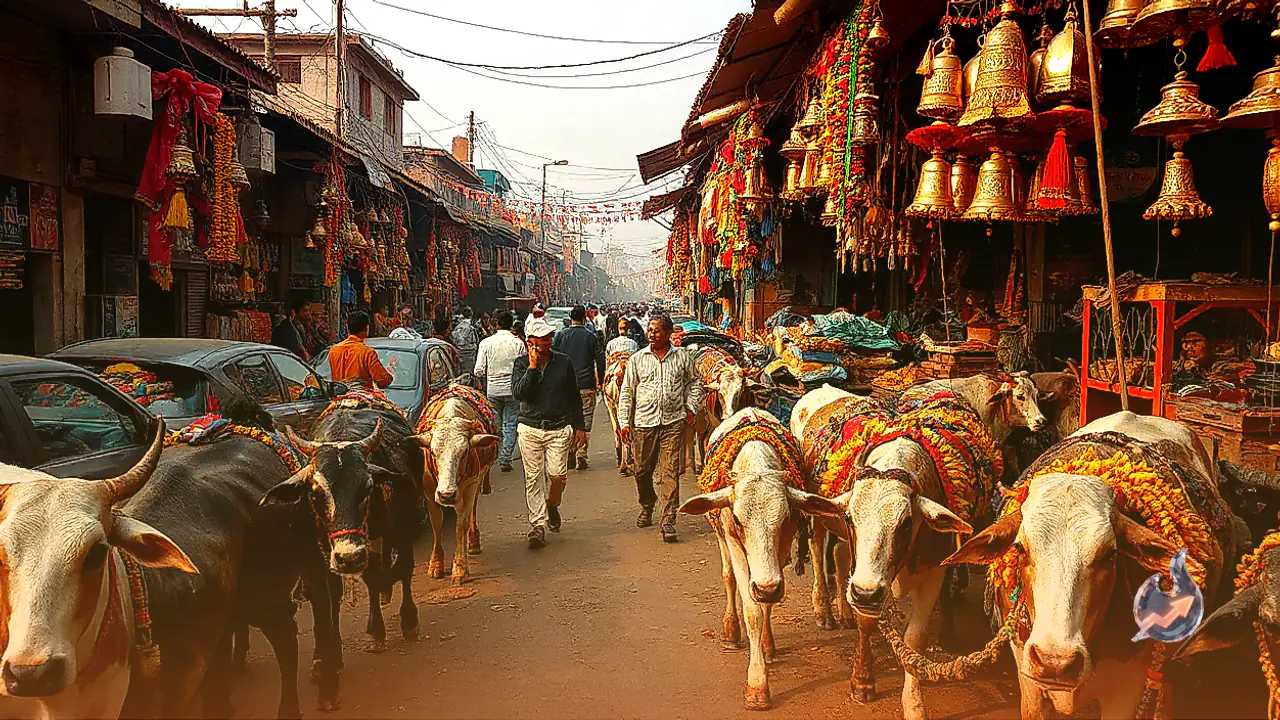
In parallel with the increased metro availability, decisive traffic restrictions will be enforced in the core market areas to prevent bottlenecks. Between November 6 and November 9, city buses, mini buses, auto-rickshaws, and e-rickshaws will be completely barred from entering the Walled City perimeter. Restricting these vehicles aims to unclog narrow historical streets and create safer, more accessible avenues for pedestrians visiting the central bazaars.
The vibrant lighting installations in Jaipur's central districts draw spectators from all corners of the city and beyond. By expanding metro operations and running trains late into the night, commuters can avoid navigating private cars through crowded street junctions. The coordinated transit plan ensures smooth mobility, minimises festive gridlocks, and enhances public convenience throughout the Diwali celebrations.