
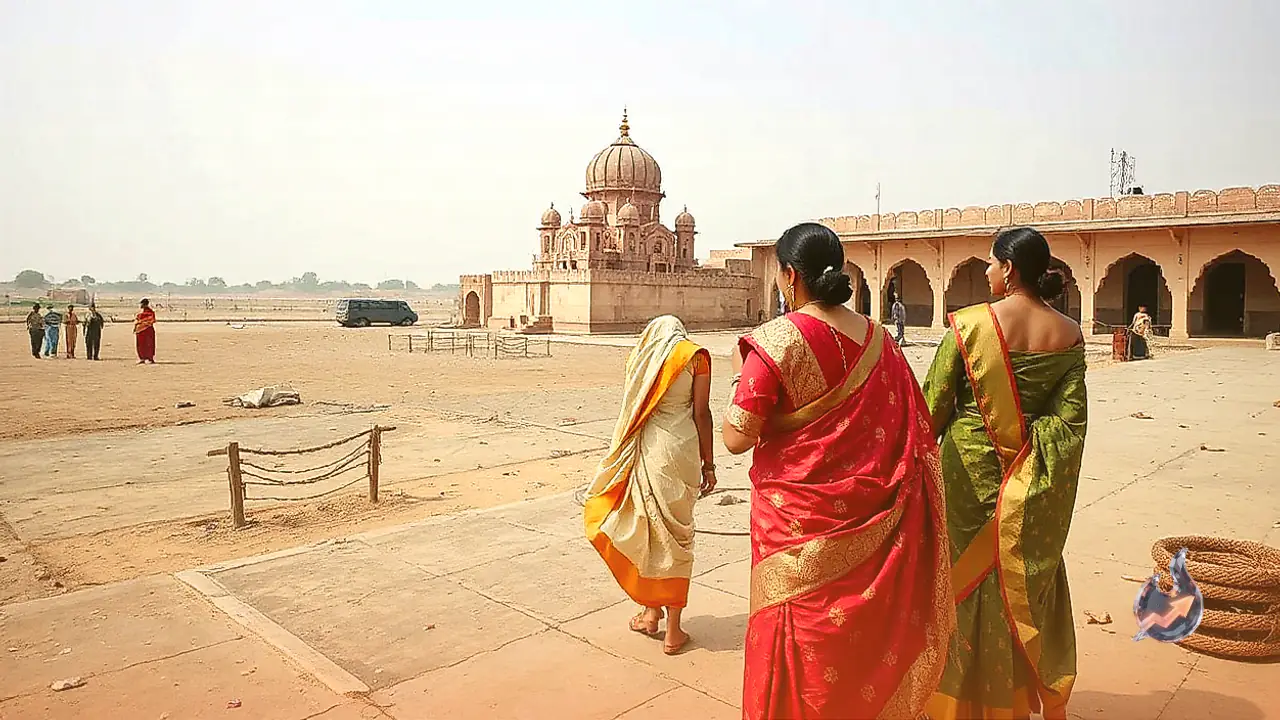

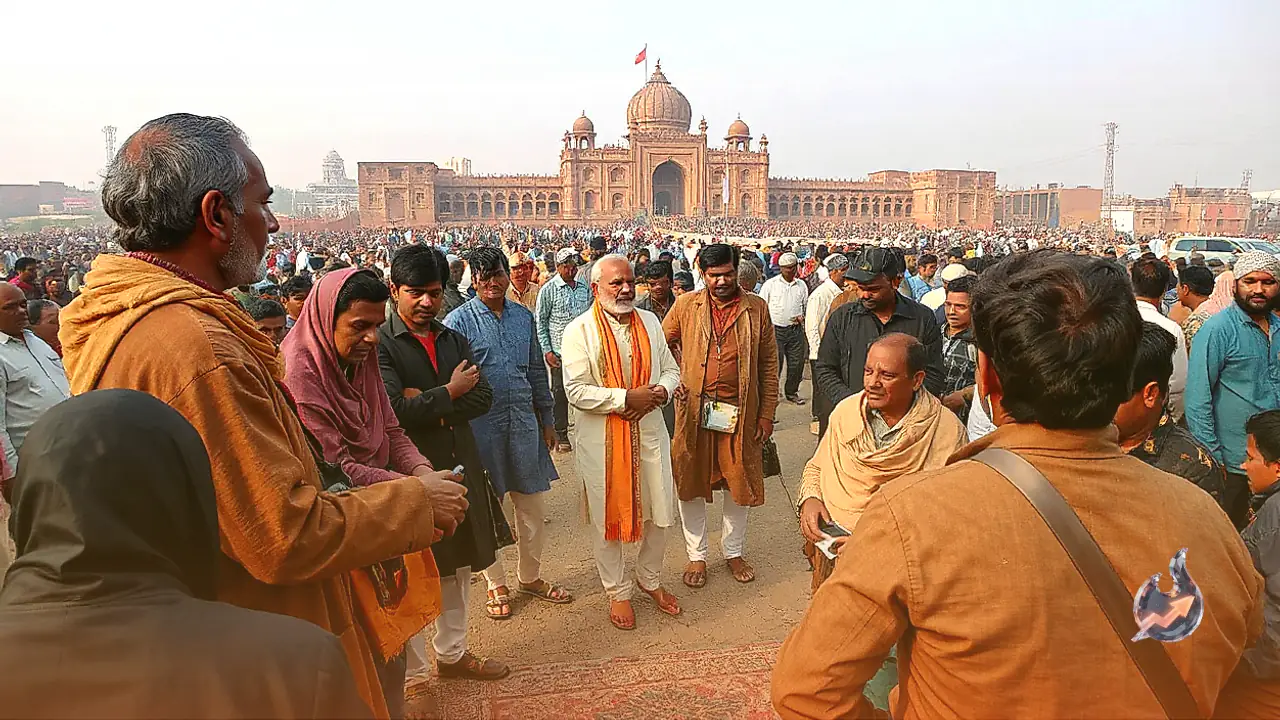
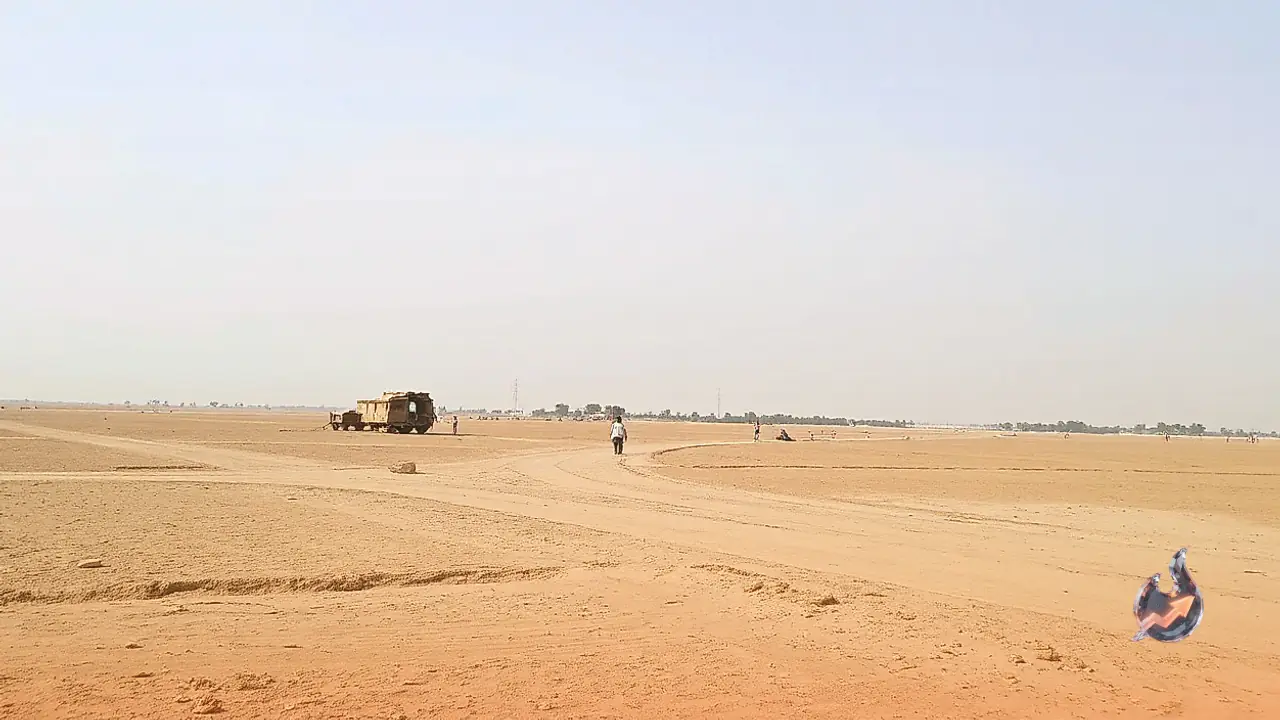















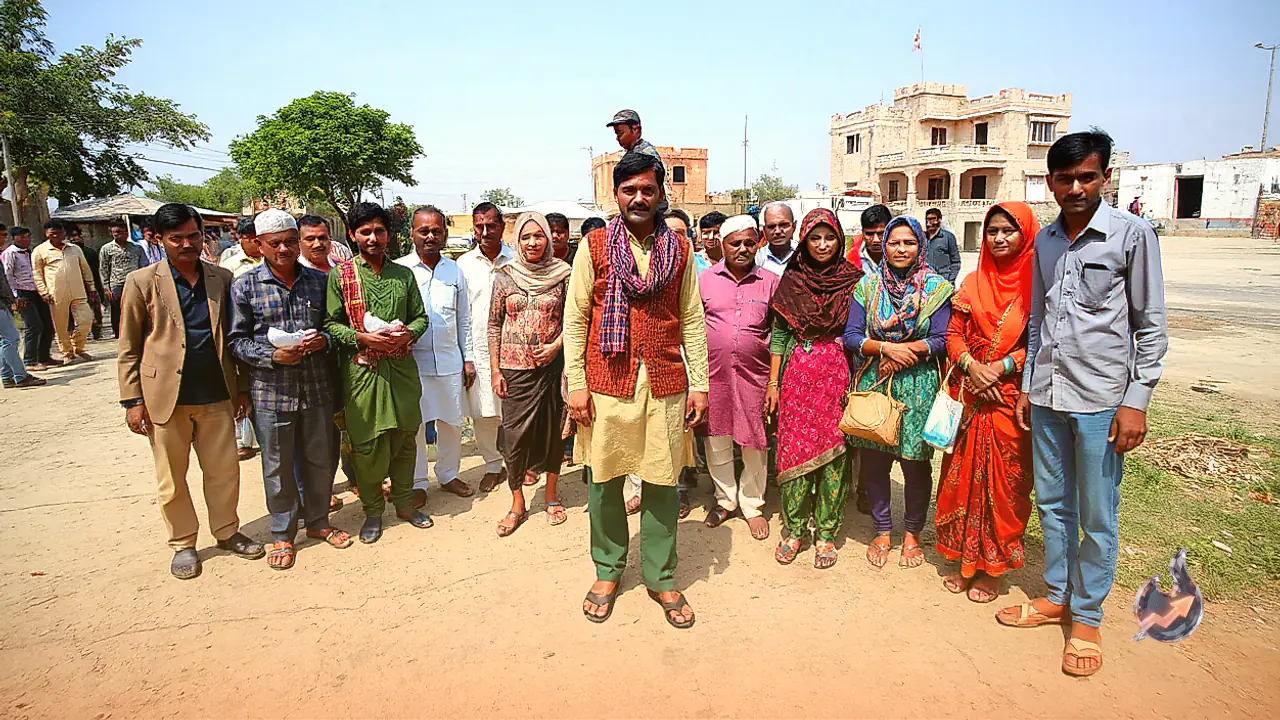

Situated in the Jhunjhunu district of Rajasthan, the village of Bakhtawarpura stands out as a remarkable model of rural transformation, public cleanliness, and civic consciousness. Founded around two and a half centuries ago by King Bakhtawar Singh of the Khetri princely state, the settlement has grown well beyond its traditional agricultural origins. Over the decades, through organized local initiative, it earned statewide prominence in public hygiene and schooling. With a current population of approximately four and a half thousand residents, the village boasts an impressive 100 percent literacy rate, with agriculture and salaried employment forming the backbone of the local economy.
Princely Roots and Gradual Settlement
According to historical lore shared by village elders, the Khetri estate governed 555 villages during the princely rule, and Bakhtawarpura was an integral part of this administrative territory. The residential settlement began when members of the Katewa family moved from the citadel area of Khudana village to cultivate the local land. Gradually, families belonging to diverse communities and occupational groups arrived and established their homes, widening the village's demographic structure. The settlement was formally named Bakhtawarpura in honour of Raja Bakhtawar Singh of Khetri. In subsequent generations, the Katewa family expanded its involvement beyond farming into broader civic and political engagements.
Sanitation Drive and National Recognition
The defining chapter in the village's modern trajectory occurred through a dedicated drive toward total community sanitation. Under the direction of the then sarpanch Mahendra Katewa, extensive civic works were rolled out to elevate rural hygiene standards. Concrete household toilets were constructed across the settlement to eradicate open defecation, alongside specially excavated soak pits designed to treat wastewater and prevent street logging. Simultaneously, rainwater management mechanisms were installed to capture seasonal runoff, and a mini-secretariat building was erected to streamline local administrative functions.
These focused initiatives bore tangible fruit in 2007 when Bakhtawarpura earned the distinction of being declared Rajasthan's first Nirmal village. In recognition of this milestone, the then President Dr. APJ Abdul Kalam presented the national award to sarpanch Mahendra Katewa during an official ceremony at Ambedkar Bhawan in New Delhi. Building on this environmental momentum, the village received another prestigious award in 2008 for its structured water conservation practices.
A Century of Bird Care at Baba Natthuram's Hermitage
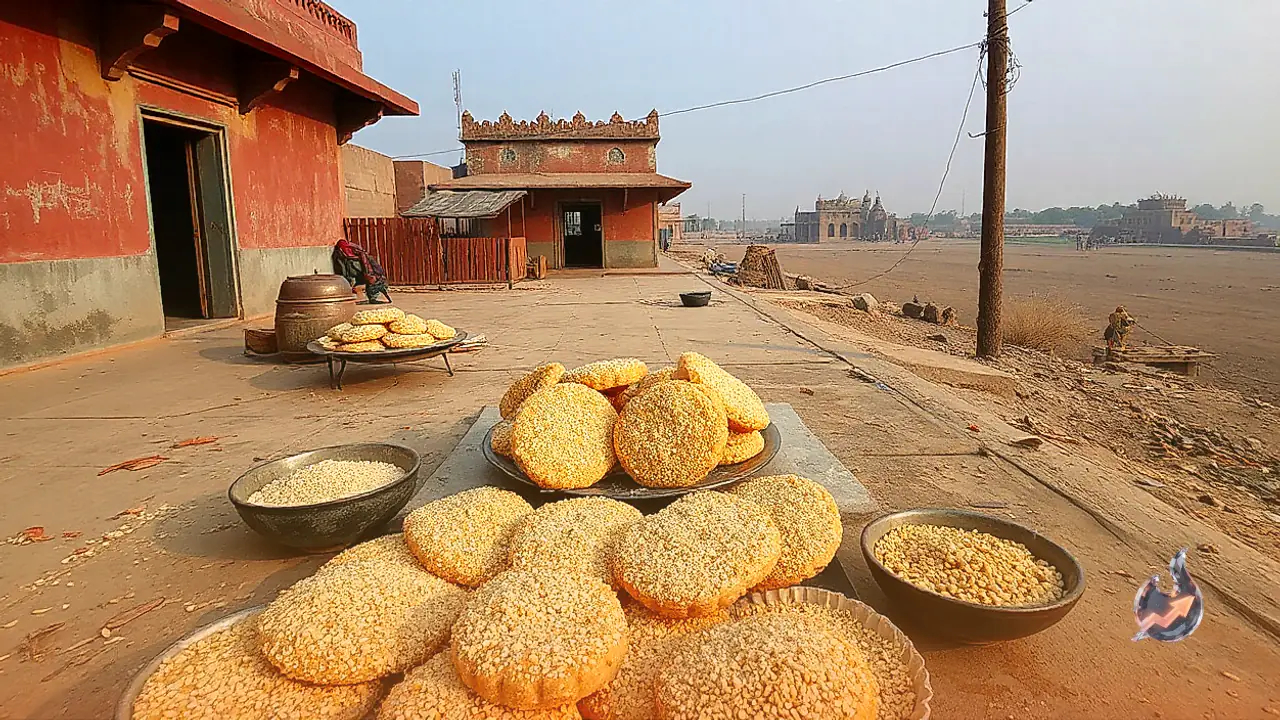
Beyond its infrastructural accolades and academic achievements, Bakhtawarpura maintains an equally deep tradition of wildlife care. Located near the shared boundary of Bakhtawarpura, Kanwarpura, and Vijaypur stands the approximately 100-year-old hermitage of Baba Natthuram. For generations, this site has functioned as a community-supported sanctuary where grain is scattered twice daily, every morning and evening, to nourish thousands of visiting birds. Residents of all three neighboring hamlets actively uphold this shared conservation ritual.
Kapil Katewa Kashi, spokesperson for the hermitage committee, notes that the sustained supply of bird feed relies directly on village participation. Each year during the festival of Makar Sankranti, youth volunteers visit homes across the three villages to gather grain donations. Furthermore, local families celebrate milestones such as weddings or dashothan by contributing quantities of food grain to the hermitage. For the people of Bakhtawarpura, this daily ritual remains an essential civic duty and a living expression of their cultural legacy.