














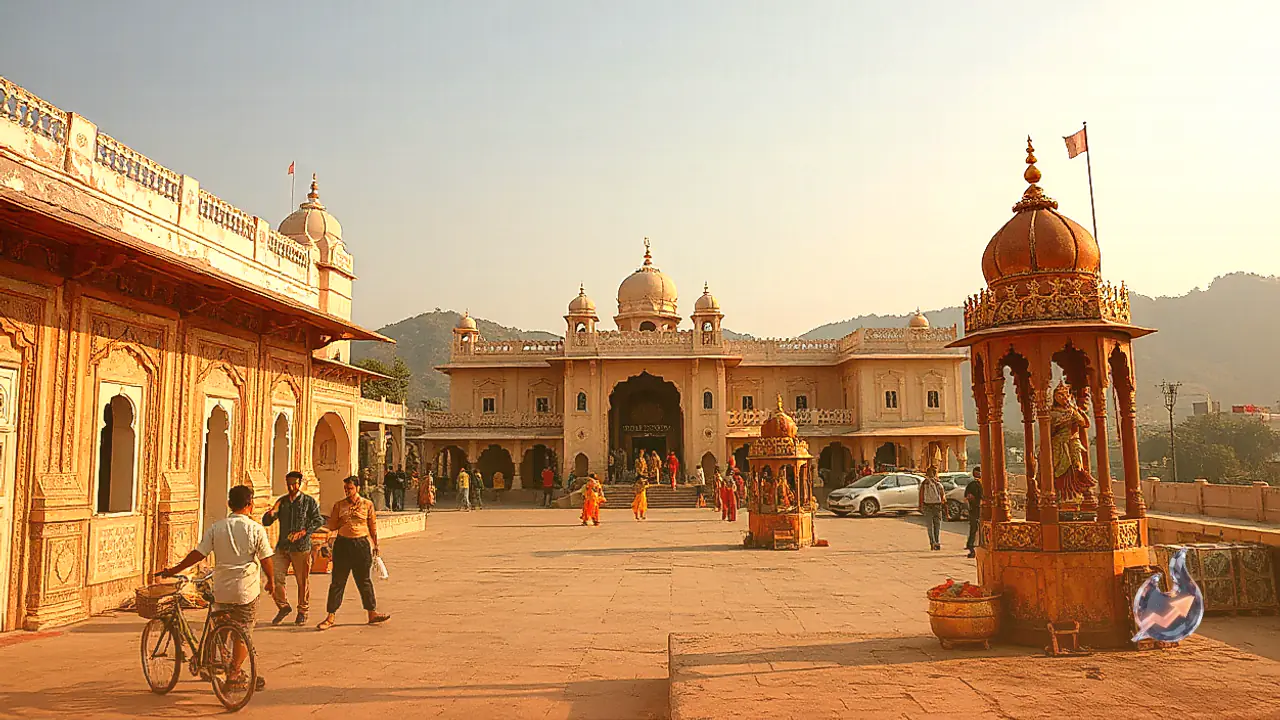

Known worldwide for its picturesque lakes, the city of Udaipur also preserves a remarkable spiritual legacy woven deeply into the historic fabric of the Mewar region. Among its most revered sacred spaces is the ancient temple dedicated to Mata Gaja Lakshmi, situated right in the heart of the city. During the festive period of Diwali, the sanctuary experiences a vibrant surge of devotional activity as visitors arrive to offer prayers to the goddess in her Gaja Lakshmi manifestation, widely revered as the source of happiness, prosperity, and spiritual abundance.
Historical Links to the Era of the Grand Jagdish Temple
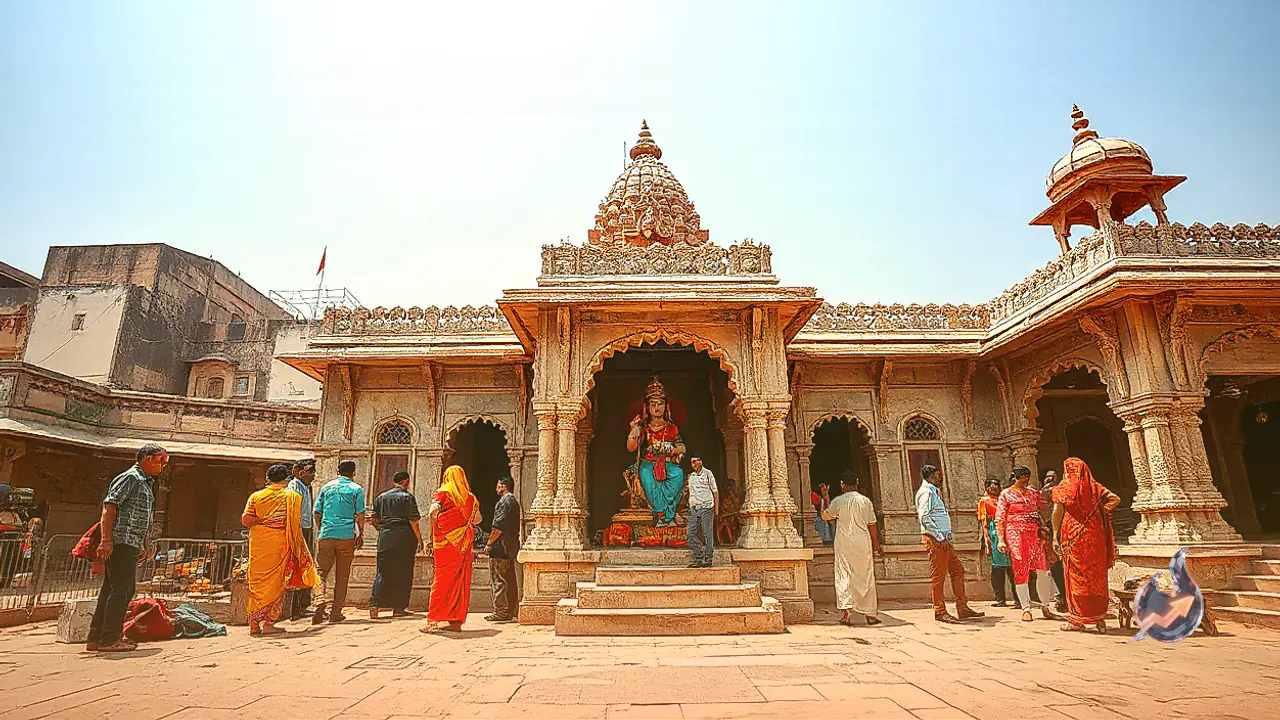
The origins of this sacred shrine trace back to a defining architectural and cultural era of Mewar. Historical accounts indicate that this temple was established during the exact period when the reigning Maharana of Mewar commissioned the famous and magnificent Jagdish temple in Udaipur. This synchronized construction coincided with a broader renaissance in the region, during which the city developed several monumental landmarks of art and worship. Inside the inner sanctum, the idol depicts the goddess seated gracefully upon an elephant. In traditional iconography, this specific form represents wealth, fortune, and enduring blessings, creating an uplifting spiritual atmosphere that draws continuous streams of worshippers.
Five-Day Festive Celebrations and Traditional Adornment
Celebrations at the shrine reach their zenith during the festival of lights. Prakash Nagda, who serves as president of the Udaipur City Deepotsav Committee, explained that a five-day festival is organized annually at the premises to mark Diwali. Throughout this multi-day observance, the temple structure undergoes elaborate decorative work. As part of a long-standing ceremonial tradition, the idol is draped in ceremonial vestments crafted from pure gold and silver, complemented by ornate jewelry fashioned from the same precious metals, creating a breathtaking visual for incoming pilgrims.
Annakut Feast and Congregations from Across the Division
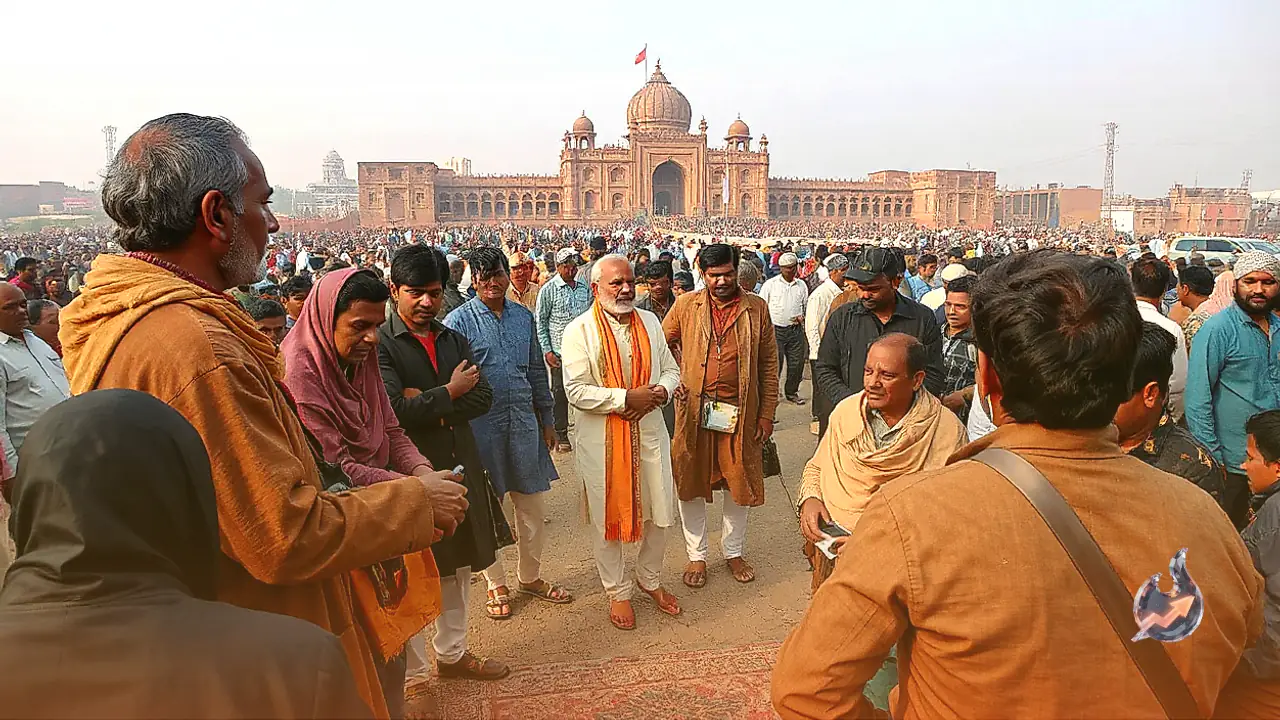
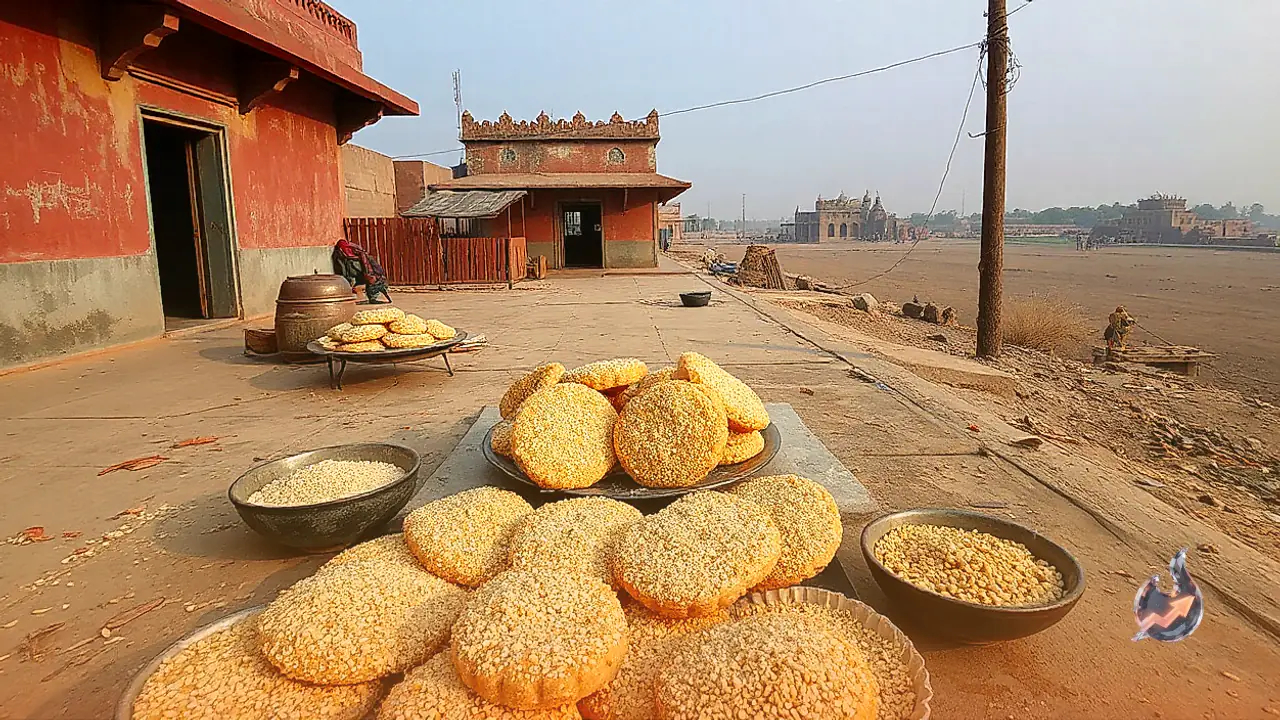
A central spiritual highlight of the festival calendar here is the Annakut Mahotsav, which follows an unbroken lineage of devotional observance. Religious ceremonies commence on the night of Diwali and continue through to the day of Govardhan Puja, when a lavish food offering comprising dozens of traditional culinary preparations is presented to the deity. Devotees travel extensive distances with their families, coming not only from local neighborhoods within Udaipur but also from towns and villages situated across the wider Mewar belt and administrative division. The persistence of these century-old rituals underscores how the sanctuary continues to serve as an enduring pillar of community heritage and faith.