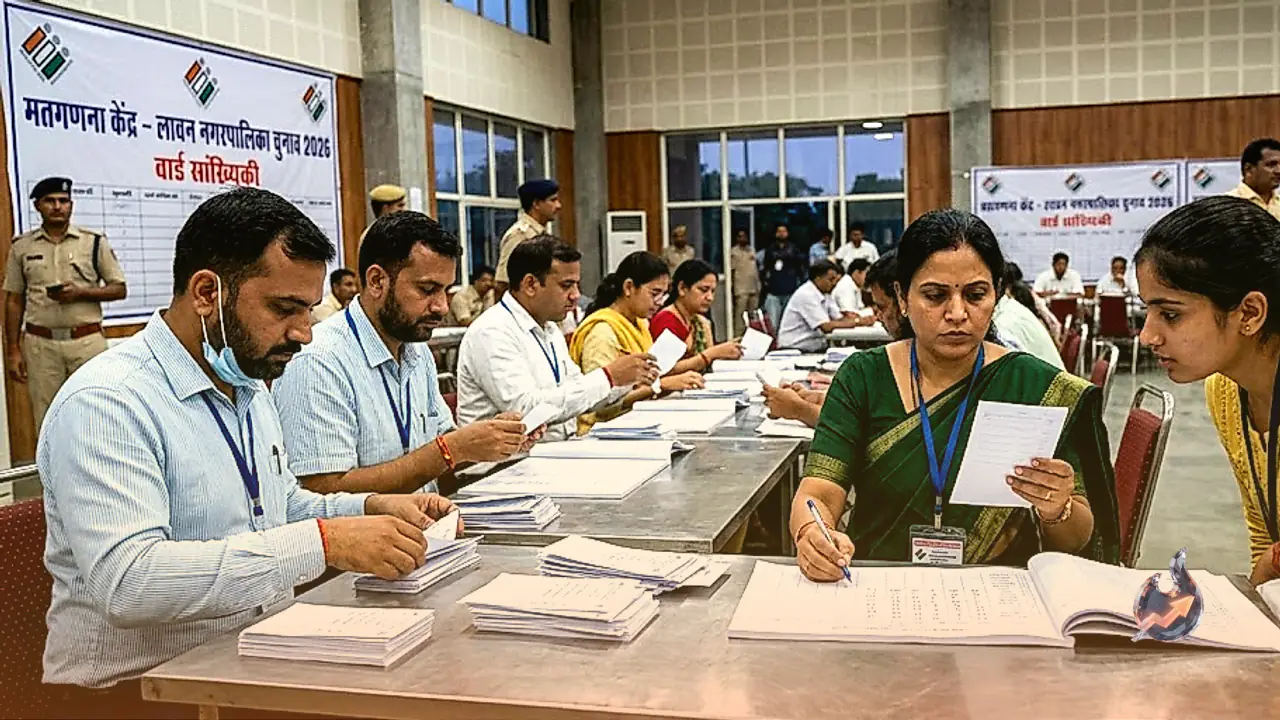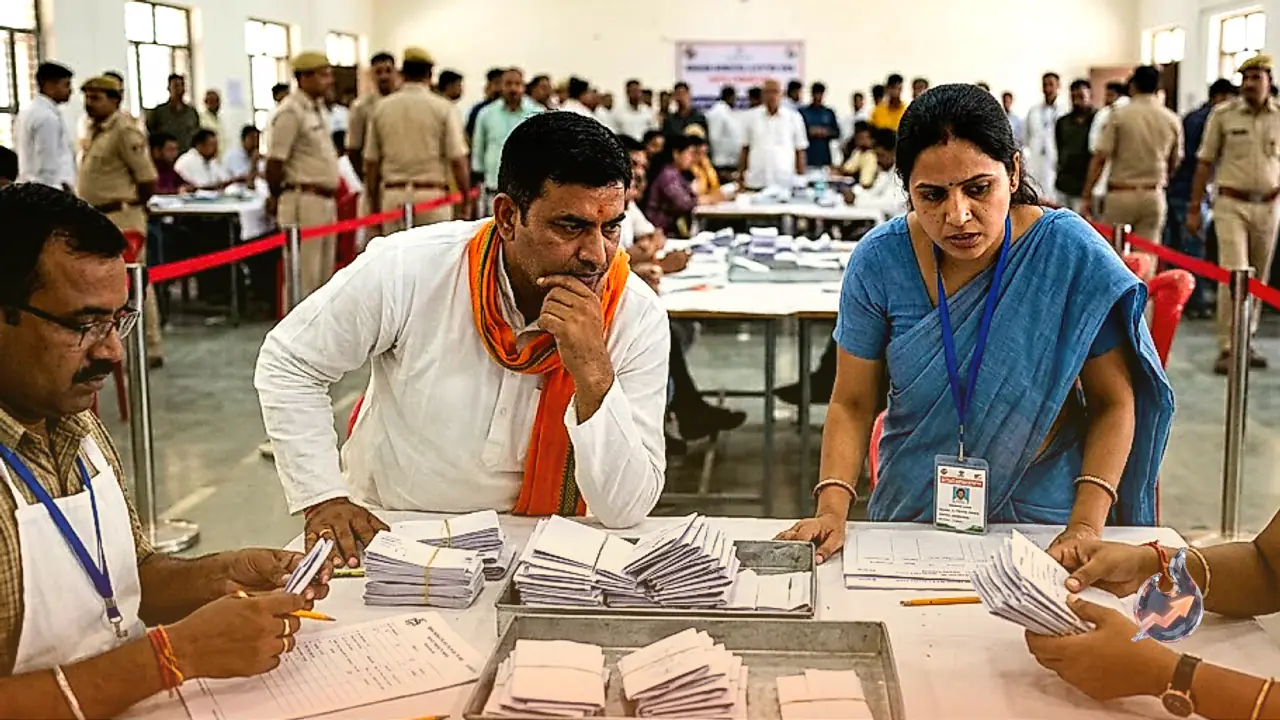
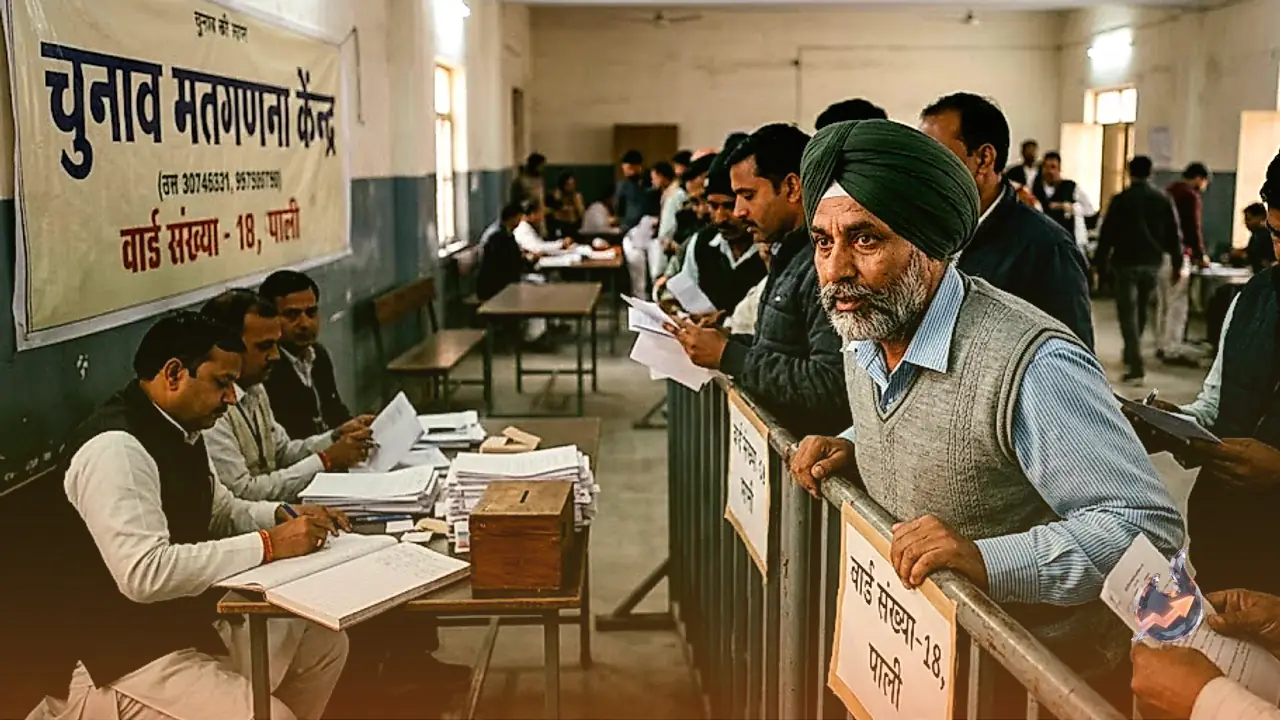

















Polling for the second phase of urban local body elections in Rajasthan, covering municipal corporations in Kota and Udaipur along with other bodies, concluded peacefully on September 11. Across the state, election proceedings are underway for councillor seats spanning a total of 10,245 wards distributed among 309 urban local bodies.
Slow Morning Start Gives Way to Long Queues
In both Kota and Udaipur, the voting process began at 8:00 AM with a sluggish pace during the early hours. However, as the day progressed, long lines of voters formed outside the polling booths. Despite initial discontent during ticket distribution at polling stations in Nayapura and JDB College Road in Kota, a strong voting trend was observed. Meanwhile, residents in urban areas and rural-bordering wards of Udaipur participated enthusiastically in this festival of democracy.
Youth and Women Drive Up Turnout
By 12:00 PM, voting percentages registered a sharp surge. The active participation of first-time young voters and women in Kota's urban seats made the electoral arithmetic fascinating. Discussions centered heavily on local grievances, sanitation management, and basic civic development. Simultaneously, interior wards and tribal-linked regions of Udaipur maintained a brisk polling pace, pushing the overall turnout higher.
Rebels Spark Triangular Contests in Multiple Wards
According to trends reported by 4:00 PM, rebel and independent candidates established a strong foothold in over 10 wards in Kota, disrupting the calculations of both the Bharatiya Janata Party and the Congress. This created triangular contests instead of straight fights in several wards. The influence of senior Congress leader and former UDH minister Shanti Dhariwal is also considered significant in this election. In Udaipur, senior leaders from both major parties monitored booth-wise voting reports closely to counter threats of backstabbing and cross-voting.
EVMs Sealed and Secured in Strongrooms
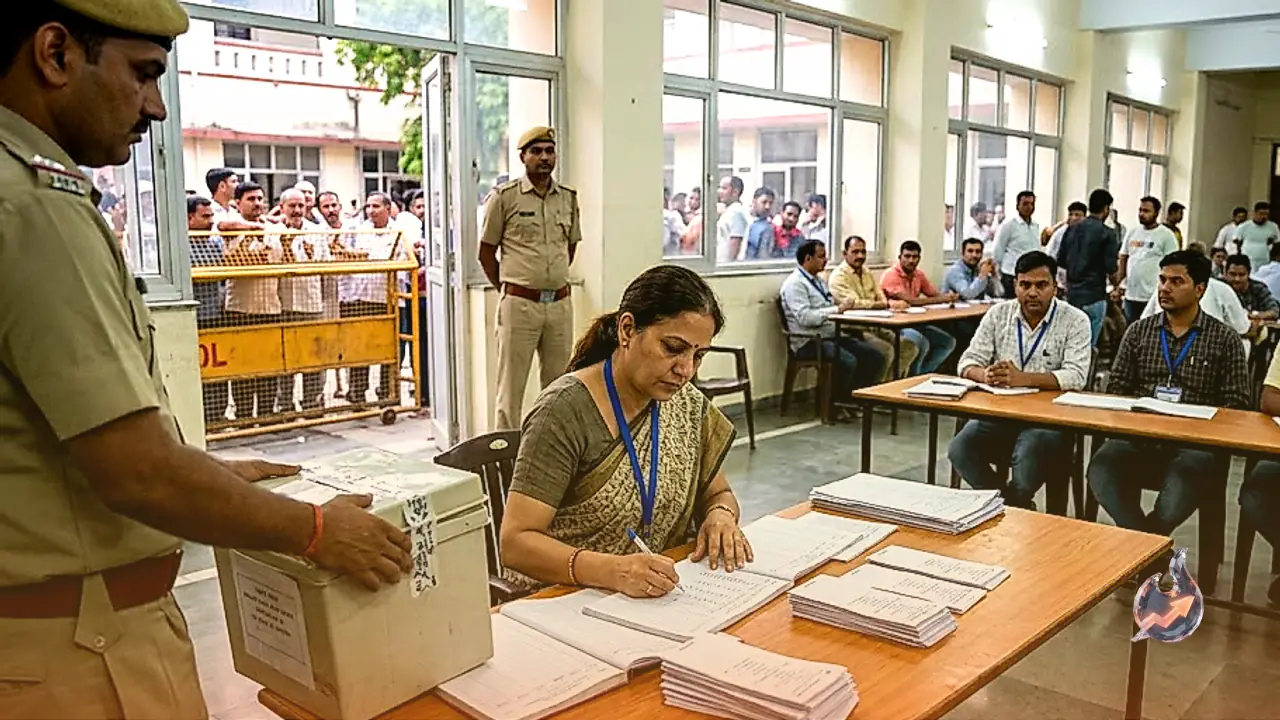
Voting concluded across all wards in Kota and Udaipur at the scheduled time of 6:00 PM. Immediately after polling ended, polling teams sealed the EVMs in the presence of candidates' agents and transported them under tight security to designated strongrooms. With voting finished, leaders from both parties became busy calculating victory and defeat margins.
Badbandi and Courtship of Independents Prior to Results
Ahead of the election results scheduled for September 14, efforts began within political parties to prevent cross-voting and shifting loyalties. The practice of transferring potential winning candidates from Kota and Udaipur to safe locations, known as badbandi, has commenced. According to political analysts, independent candidates could play kingmaker roles in several wards, prompting strategists from the Bharatiya Janata Party and the Congress to intensify efforts in reaching out to independent contenders.