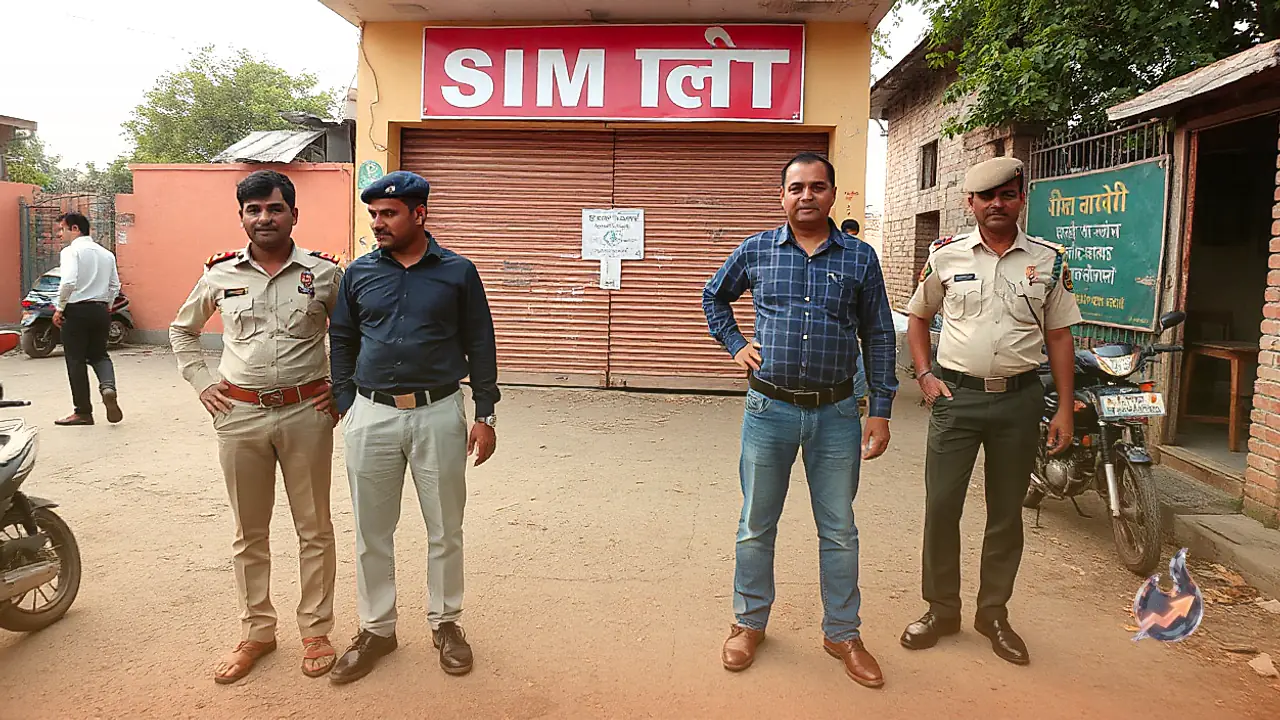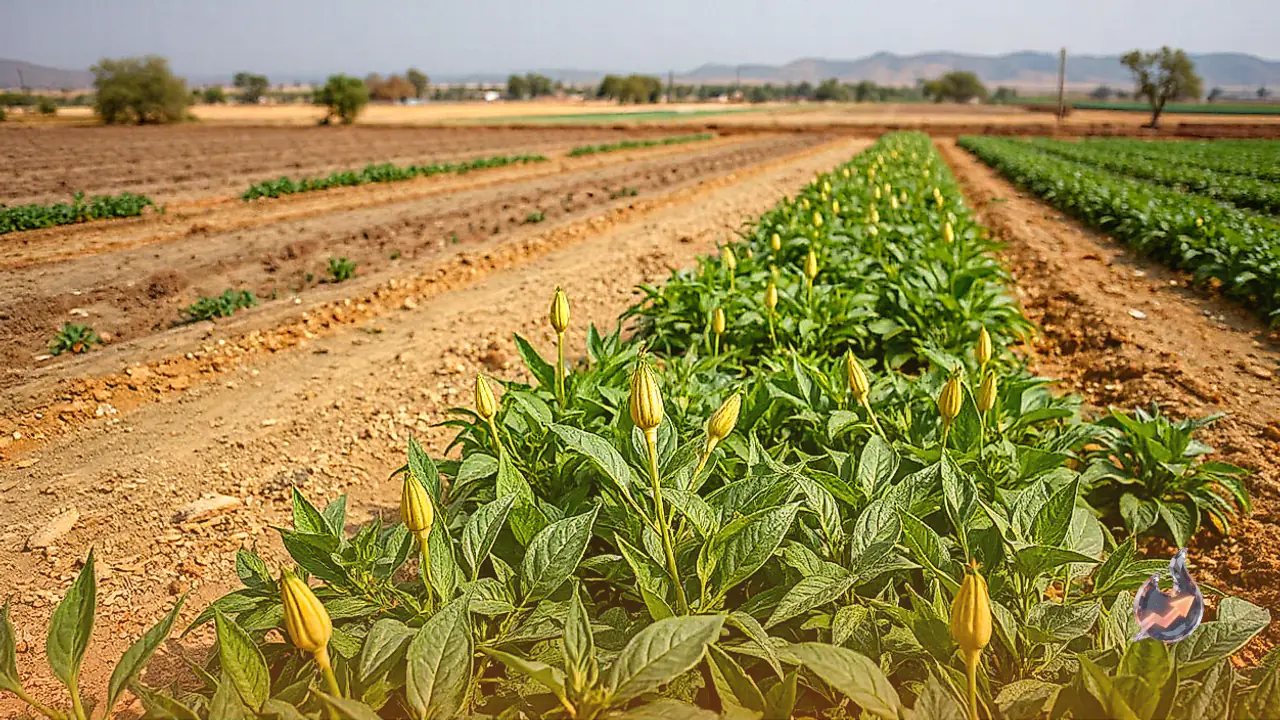

Spice growers in the Nagaur district of Rajasthan have received a major economic boost as they will no longer need to depend entirely on traditional agricultural markets (mandis) or middlemen to sell their harvest. Leading Indian spice manufacturing company MDH has introduced a direct farm-gate procurement initiative in the region. Under this project, the company is offering premium prices above the prevailing local mandi rates to farmers whose spice produce is completely pesticide-free or contains chemical residues well below prescribed limits.
MDH Launches 'Soil to Spice' Awareness Drive
To encourage sustainable farming practices and ensure high crop quality, MDH's Nagaur unit has initiated an awareness campaign titled 'Soil to Spice'. The project officially kicked off with an inaugural camp in Indokali village, organized in collaboration with Vikas Pawadia from the Agriculture University. Over 50 local farmers registered during the opening event. To broaden its reach, MDH has deployed a dedicated awareness vehicle that will traverse villages located within a 150-kilometer radius of Nagaur to educate the farming community.
Direct Purchase Criteria and Quality Standards
Providing details about the procurement policy, Sharad Rathi from MDH's Nagaur unit emphasized that direct field purchases will be contingent on strict adherence to quality benchmarks. Produce that is either entirely free of pesticide residues or stays within allowed threshold levels will qualify for direct buying. Rathi noted that this direct supply chain model empowers farmers by guaranteeing superior financial returns while enabling them to establish direct commercial links with a national brand.
Risks of Excessive Chemical Use in Agriculture
Addressing the farmers during the camp, Dr. S.K. Khinchi, Associate Professor at the College of Agriculture in Nagaur, cautioned against the indiscriminate use of chemical pesticides. He explained that excess spraying leaves harmful chemical residues in the harvest, which often leads to rejection during rigorous quality checks in both domestic and international trade. Such rejections cause substantial financial losses to growers. Furthermore, unnecessary chemical applications drive up input costs, degrade soil fertility over time, and pose severe risks to human health.
5 Recommended Farming Practices for Higher Yields and Profits
To help farmers maximize crop yield while preserving quality and profitability, agricultural experts recommended five essential techniques
- Seed Treatment: Treat seeds with Trichoderma, a biological fungicide, prior to sowing to safeguard crops against early fungal infections.
- Neem-Based Sprays: Apply natural neem-based solutions during the initial stages of crop growth to manage pest infestations safely.
- Yellow Sticky Traps: Install yellow sticky traps across fields to monitor and capture sap-sucking insects effectively.
- Adherence to Correct Dosage: Strictly follow the dosage guidelines printed on pesticide packaging without exceeding recommended quantities.
- Pre-Harvest Waiting Period: Observe the mandatory waiting gap between the final pesticide application and crop harvesting to ensure pesticide residues dissipate.