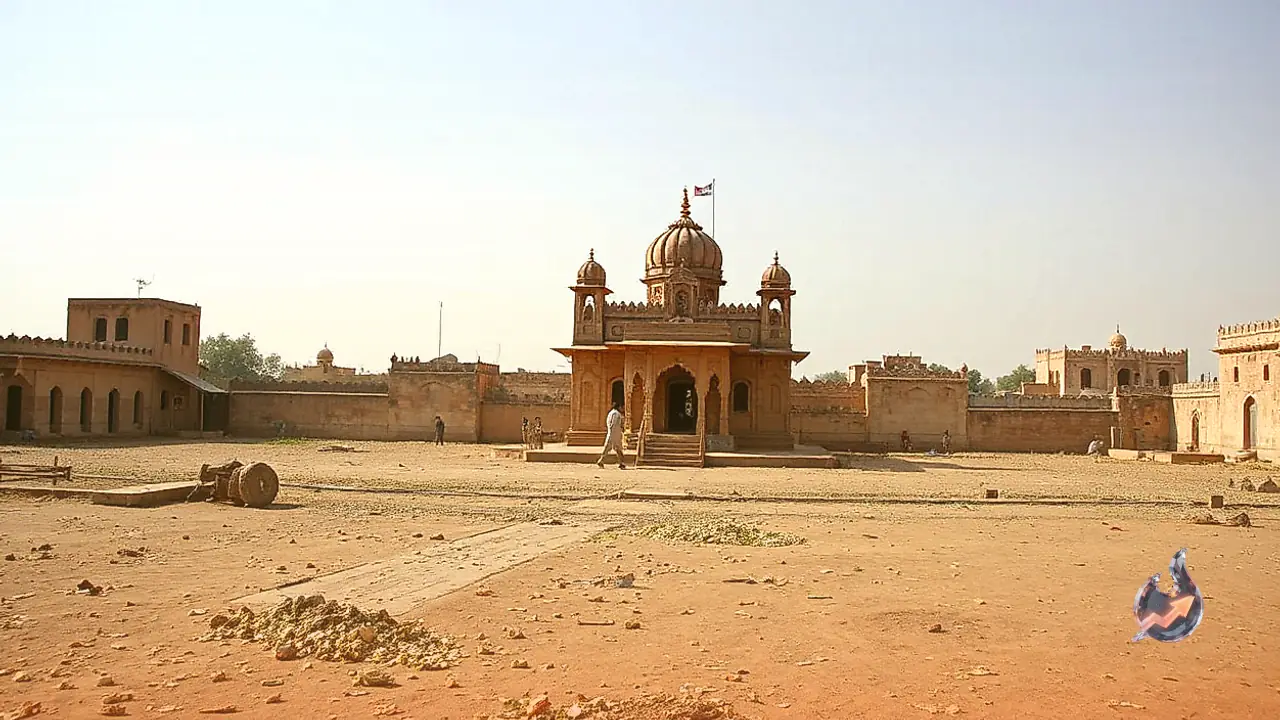

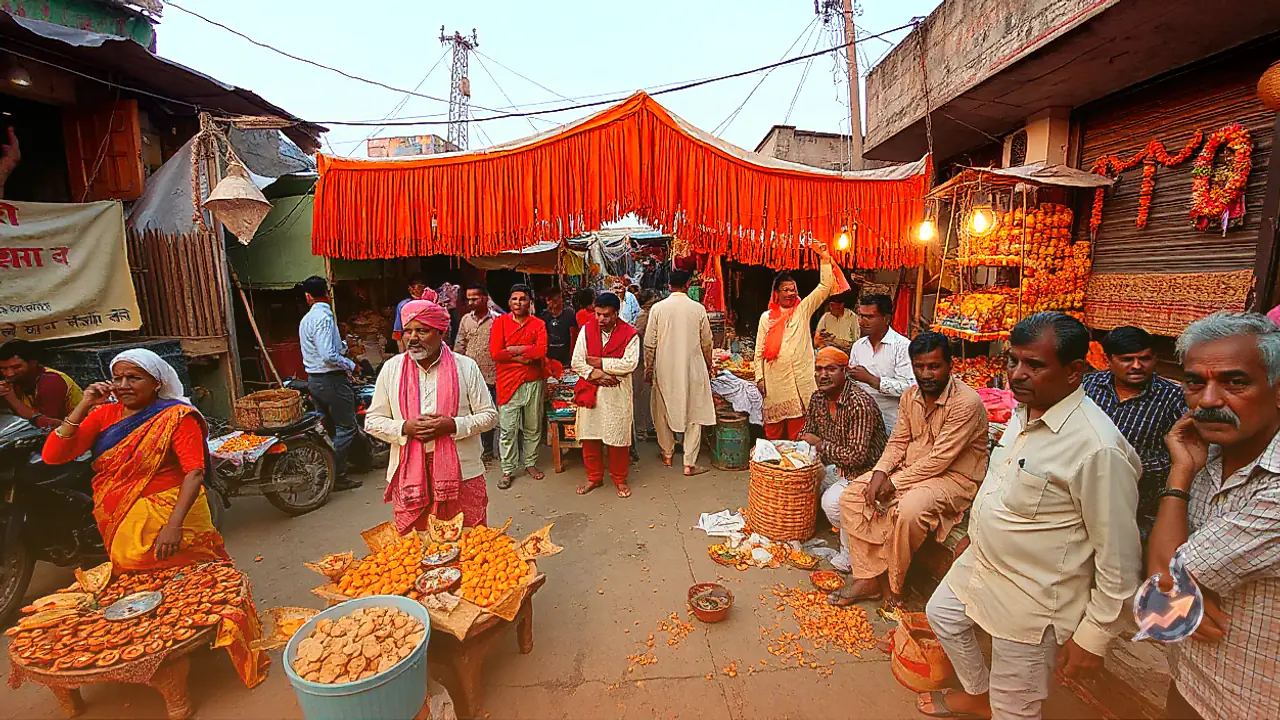
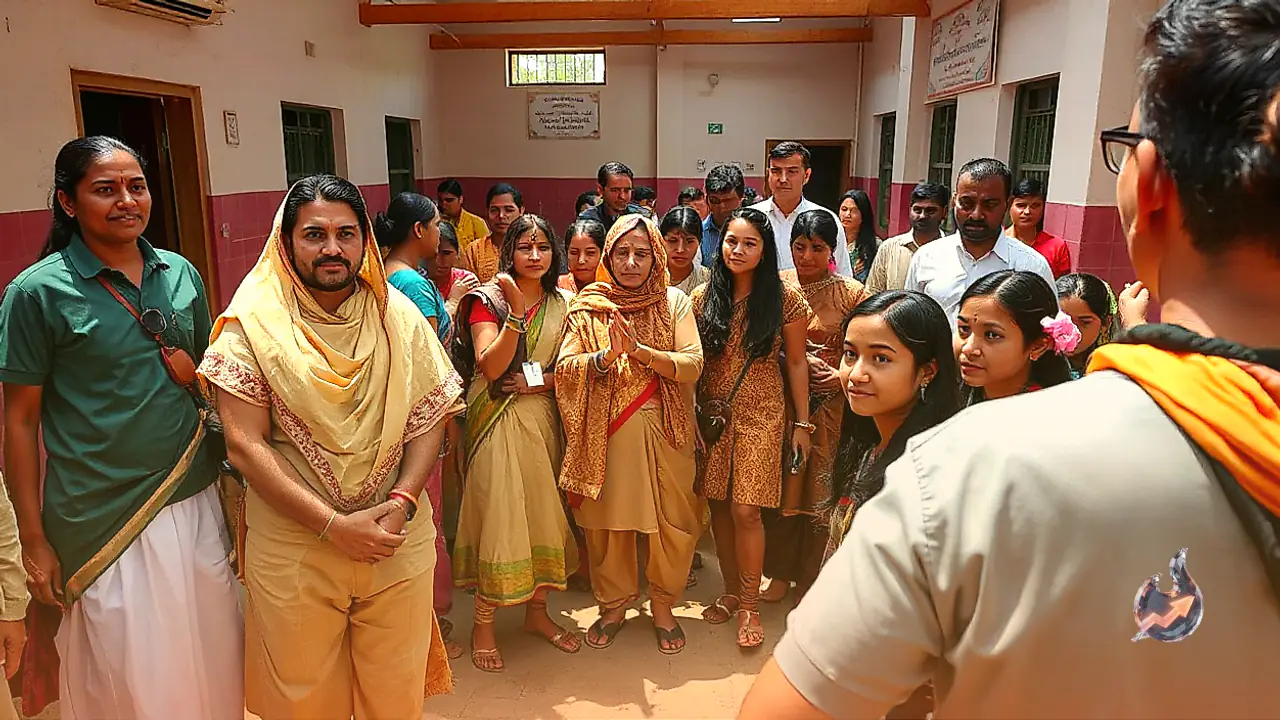















In an era dominated by digital screens and smart wristwatches that track seconds effortlessly, an ingenious temporal tradition from antiquity quietly thrives in the Mewar region of Rajasthan. In certain historic temples across Udaipur, priests and caretakers continue to observe centuries-old water clock rituals to schedule prayers and ceremonial duties. Long before mechanical pendulum timepieces existed, sanctums governed their complex daily routines strictly by periods of the day known as prahars. To ensure every sacred ritual occurred precisely when ordained, traditional water clocks tracked every passing moment, becoming not merely a measurement tool but a cornerstone of devotional discipline.
The Ingenious Design of Timber, Brass, and Copper
Examining this archaic mechanism reveals the deep empirical knowledge and practical craft developed by ancient Indian scholars. The setup begins with a specially built wooden box serving as the outer protective frame. Nestled securely inside this casing sits a massive brass reservoir filled completely with water. Resting atop the surface of this water is a much smaller, precisely crafted copper bowl. The key to the entire operation lies at the bottom of the copper vessel, where a tiny, precise hole allows water to seep gradually into the bowl at a steady and consistent pace.
The Submerged Vessel and the Chime of a Completed Ghati
As the ambient water slowly fills the copper bowl through the tiny perforation, the vessel gradually loses buoyancy. After a fixed, calculated interval, the bowl becomes heavy enough to sink completely to the bottom of the brass tank. The precise moment of submersion marks the completion of an ancient unit of time known as a ghati. Upon witnessing the sinking, attendants immediately ring the temple bell across the complex, signaling to everyone that an exact fraction of the day has elapsed. This audible cue helped temple caretakers track the progression of the multi-hour intervals known as prahars.
Dividing the Day into Prahars and Preserving Cultural Science
Traditionally, both day and night were mapped into distinct prahars, with each period dictating specific religious observances, offerings, musical hymns, and sanctum access. The seamless operation of the water clock ensured that religious life functioned with clockwork precision without modern machinery. Even amid contemporary digital conveniences, the survival of this water-based mechanism in Udaipur stands as living proof of Mewar's enduring cultural and scientific heritage. For modern visitors and historians alike, seeing time measured purely by droplets and sinking metal remains a captivating marvel of historic ingenuity.