
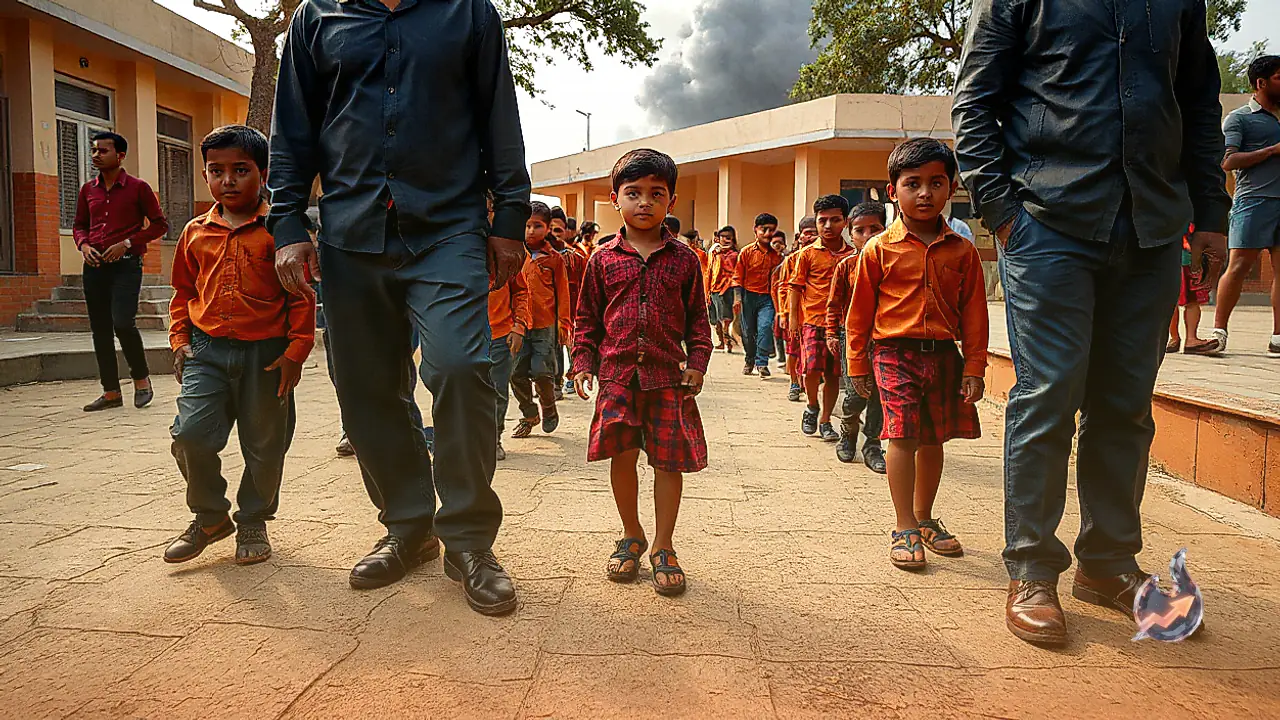















A sweeping campus beautification and renovation drive ordered ahead of Diwali across Rajasthan has triggered sharp resistance among educators and political leaders alike. The state education directorate issued comprehensive guidelines requiring state-run schools to carry out deep cleaning, white-washing, structural repairs, and decorative electrical lighting. However, the directive has drawn widespread scrutiny because the authorities provided no dedicated financial allocation to cover these expenses. Instead, the department instructed teachers to manage the entire financial burden by raising donations and securing community contributions, prompting intense criticism from teachers associations across the region.
Ministerial Mandate Relies on Shramdaan and Community Donations
The contentious circular was issued by the education directorate following direct instructions from Education Minister Madan Dilawar. Under the formal plan, all government schools are required to transform their premises before the festive season by repairing damaged walls, applying fresh coats of paint, ensuring spotless campuses, and putting up bright festive illuminations. For sanitation and basic cleaning duties, the authorities recommended organizing collective voluntary labor, known as shramdaan, involving local residents and students. To fund the capital expenses required for paints, construction supplies, and decorative lighting setups, teachers were explicitly directed to solicit financial assistance from village donors and local philanthropists.
Teaching Versus Fundraising, Educators Raise Integrity Concerns
The directive has sparked vocal frustration among teacher organizations, who argue that their primary professional obligation is classroom instruction rather than soliciting charity. Teachers are already burdened with numerous non-academic assignments while coping with critical vacancies in classrooms. Siyaram Sharma, president of the Rajasthan Teachers Association, denounced the official notification as an arbitrary decree. He emphasized that compelling educators to gather donations and ask individuals for funds fundamentally undermines the dignity and social standing of the teaching profession, warning that academic hours will inevitably suffer if staff are forced into the field to raise capital.
Staff Shortages Threaten Education for 70 Lakh Students
The sheer scale of Rajasthan's school infrastructure highlights the administrative challenge underpinning this mandate. The state runs more than 63,000 government schools from primary through senior secondary levels, catering to roughly 70 lakh enrolled children. While around four lakh teachers are currently employed across these institutions, approximately 1.5 lakh teaching posts remain entirely vacant. Deploying an already strained workforce toward manual supervision, festival decoration, and resource collection threatens to disrupt curriculum delivery for millions of students who rely entirely on government classrooms.
Severe Infrastructure Gaps, 20,000 Crore Need Versus 1,000 Crore Budget
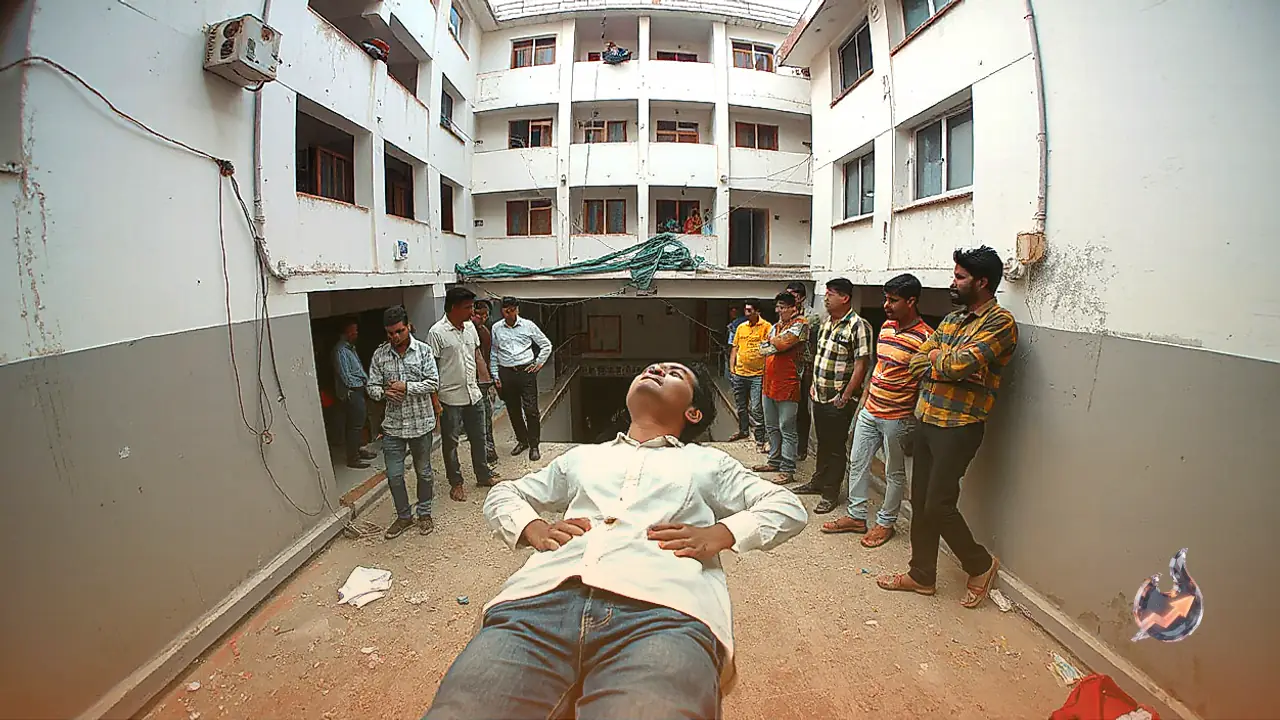
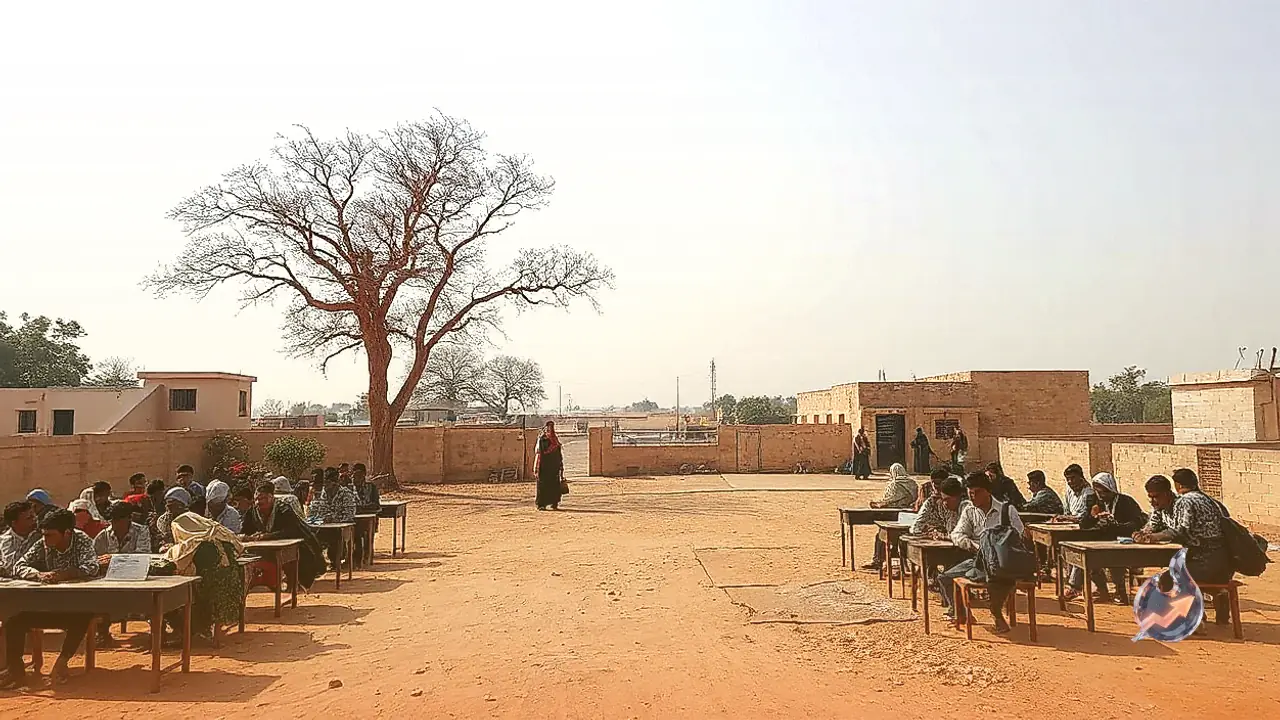
Beyond festival decorations, the debate has reignited serious concerns surrounding the physical safety and structural integrity of government school buildings. Public anxiety escalated significantly after a tragic incident in Jhalawar last year, where an unstable school building collapsed, resulting in the death of seven children. In a subsequent affidavit submitted before the High Court, the state government acknowledged that an estimated 20,000 crore rupees was required to renovate and secure dilapidated school buildings across the state. Despite this immense requirement, the budget sanctioned merely around 1,000 crore rupees, leaving the massive deficit to be bridged by philanthropic patrons and private benefactors.
Political Backlash and Divided Field Reality
Targeting the state administration over the policy, Congress leader and former cabinet minister Pratap Singh Khachariyawas questioned the government's priorities. He demanded to know why authorities are coercing teachers into organizing campus cleanups and decorative lighting instead of securing crumbling classrooms to prevent fatal roof collapses. Across the state, field reports indicate a divided reality: while several teachers continue to stage formal protests against the mandate, others have reluctantly begun gathering local funds and initiating basic whitewashing work under bureaucratic pressure. The overarching controversy continues to challenge the propriety of shifting state infrastructural obligations onto unpaid teachers without providing the necessary financial resources.