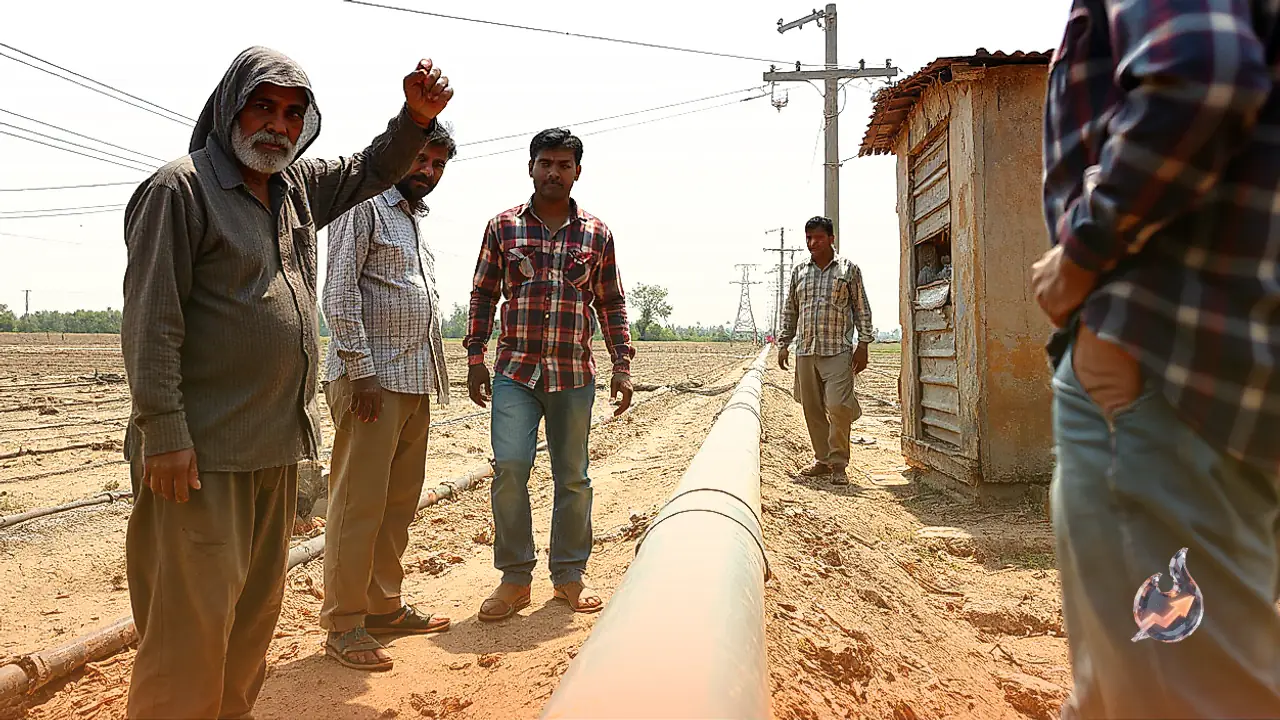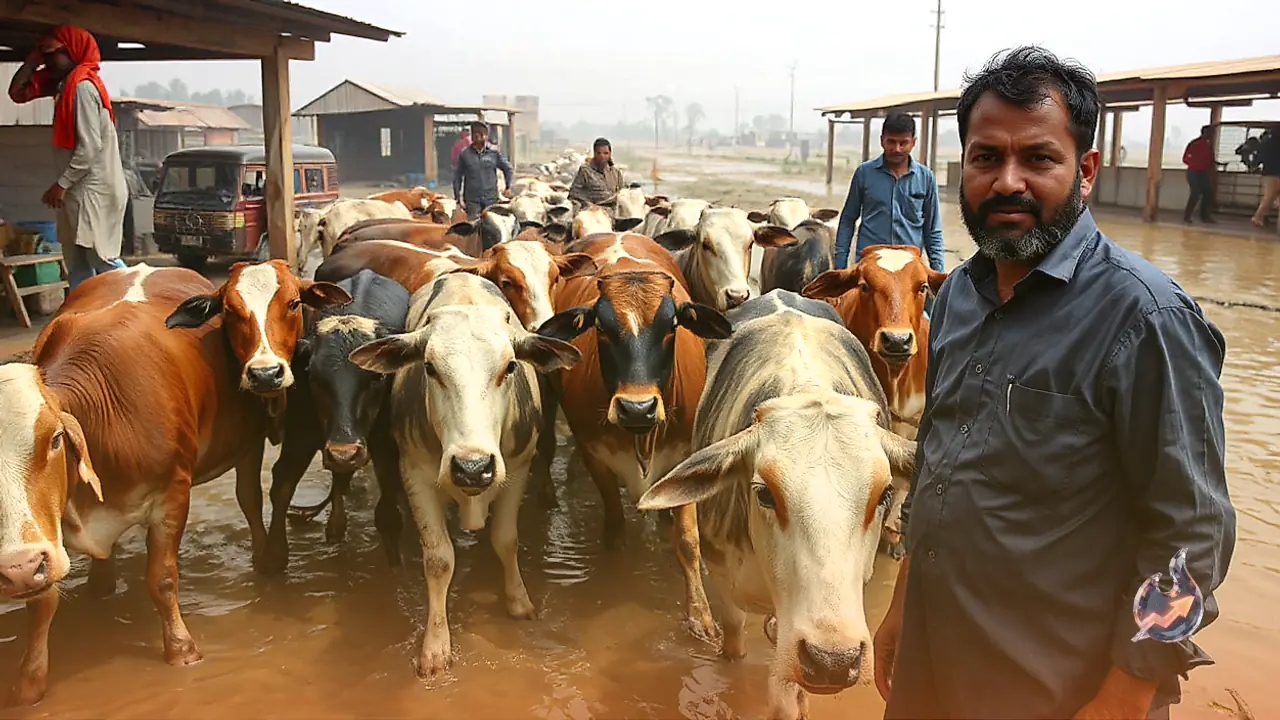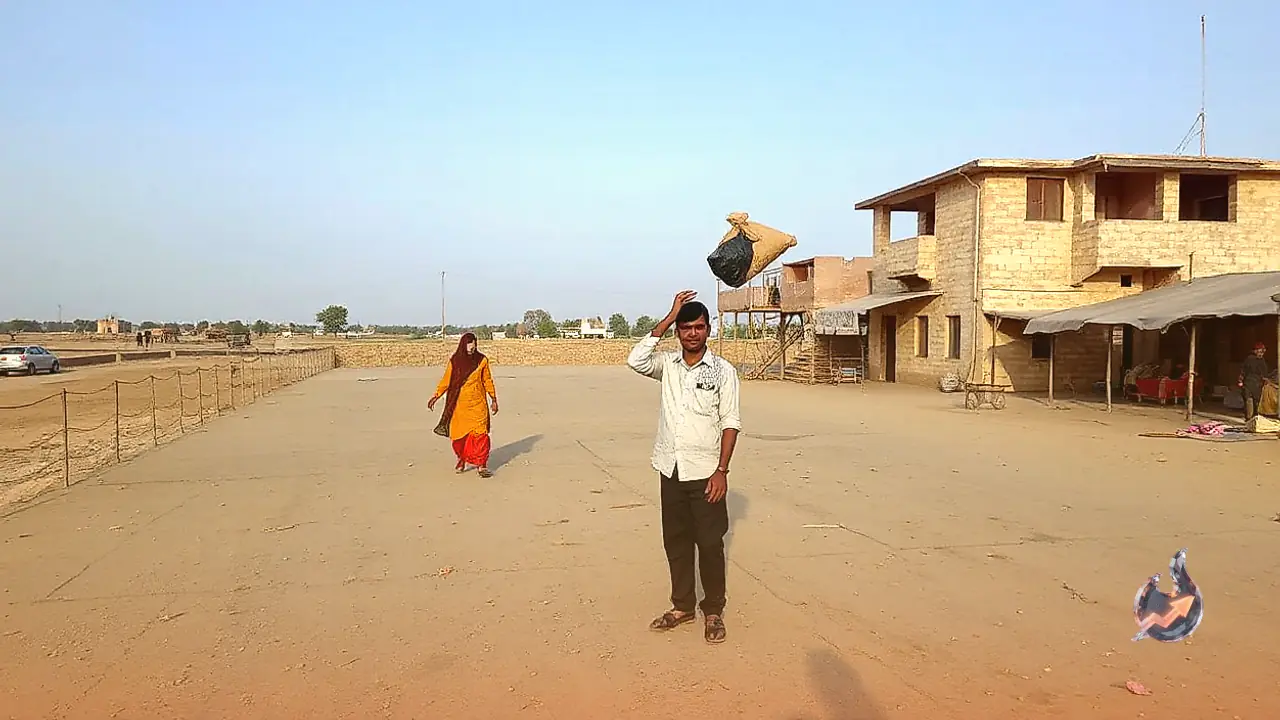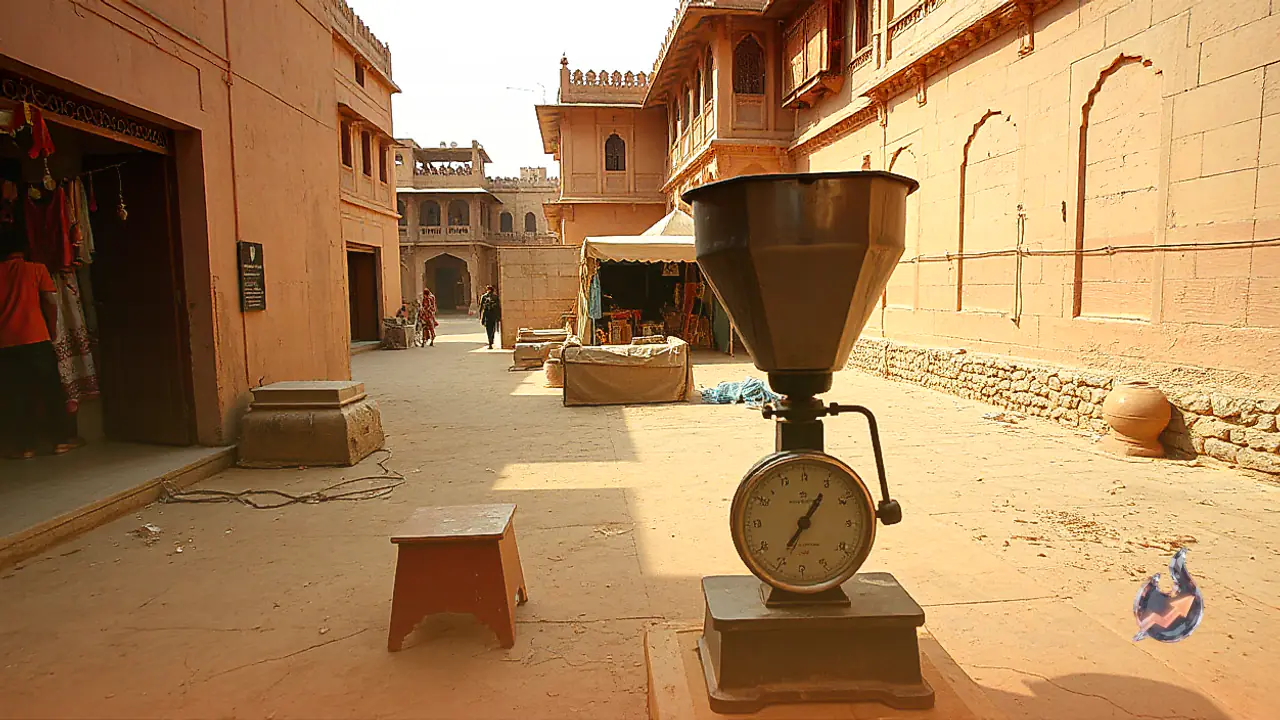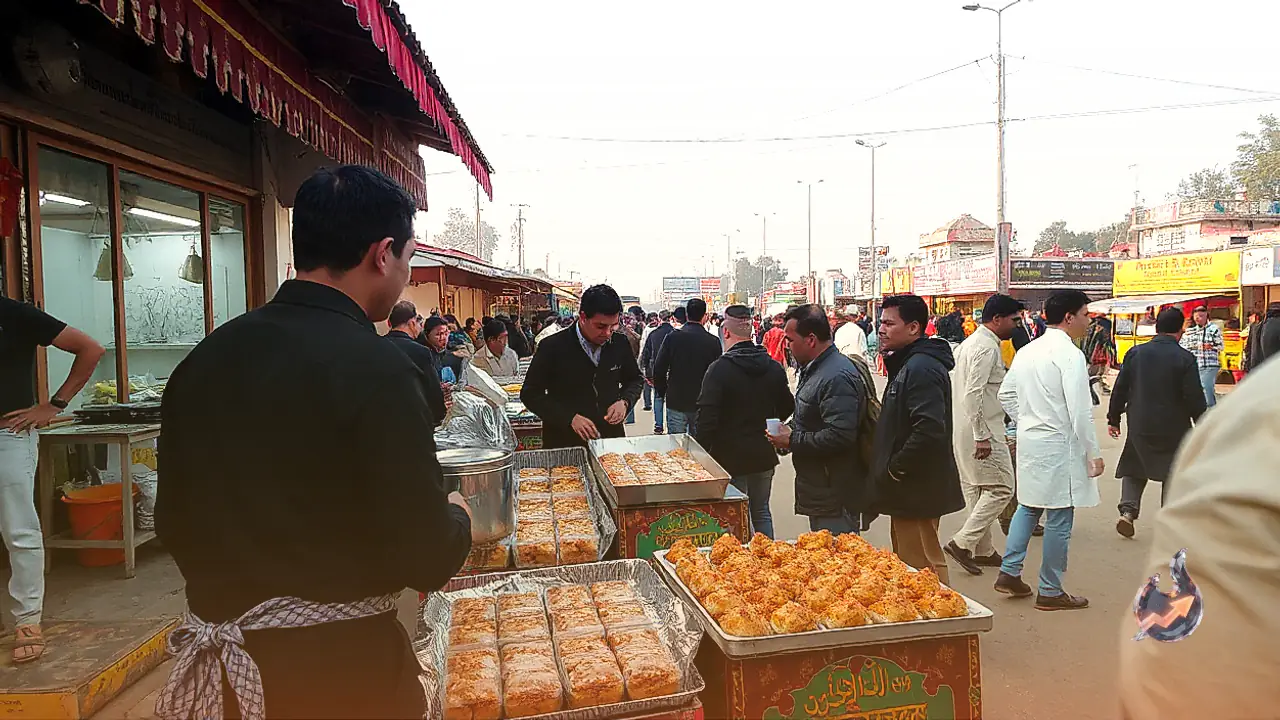




















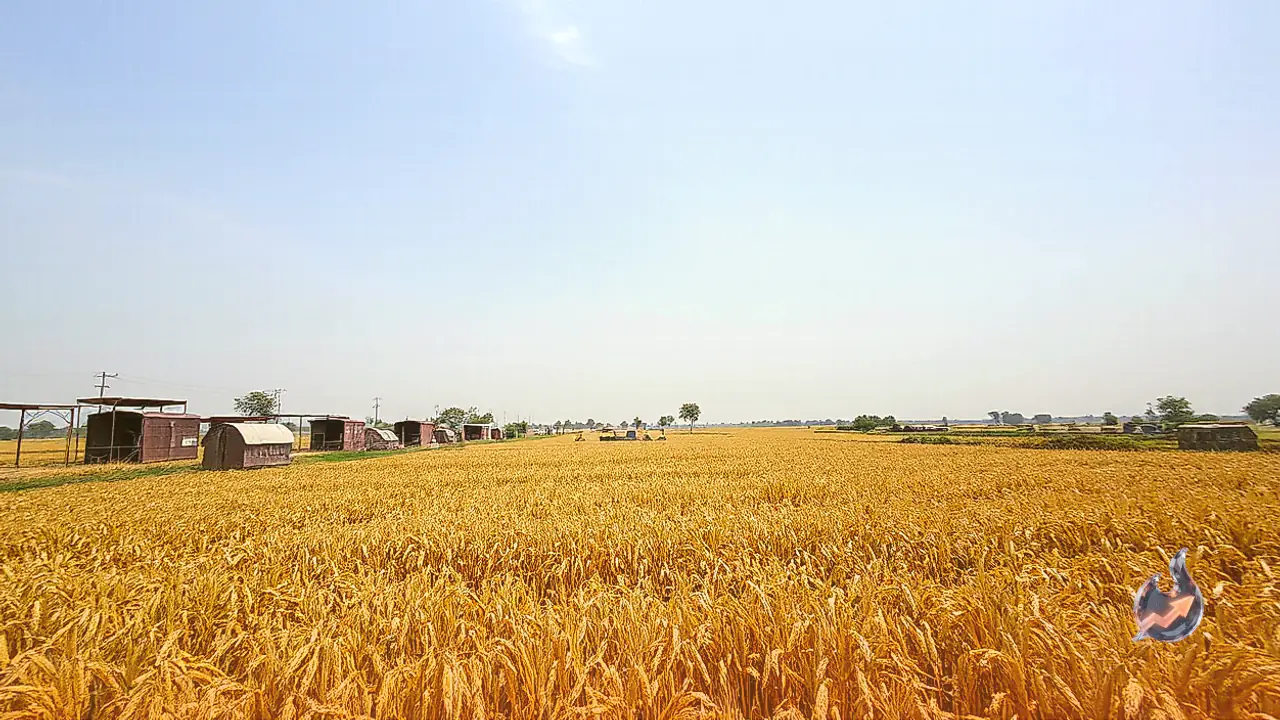

Kota's Bhamashah Agricultural Produce Market, renowned as the largest grain market in Asia, is currently witnessing a massive influx of agricultural commodities. Every single day, approximately 1.5 to 2 lakh bags of produce are pouring into the trade yard from surrounding agricultural belts. Farmers in vast numbers have arrived with their seasonal yields, seeking competitive returns after months of intensive labor in the fields. However, this record-breaking volume has brought along a severe logistical challenge regarding the physical safety of the harvested grain. Owing to an acute shortage of covered tin sheds across the sprawling complex, an enormous quantity of commodities remains stacked directly under the open sky. As weather patterns turn unpredictable with looming threats of sudden showers, the farming community has been pushed into a state of severe anxiety.
Looming Threat of Changing Weather on Crop Quality and Prices
The prospect of unseasonal rainfall presents an immediate danger to the stocks lying exposed across the open yards. Farmers fear that even a single sudden downpour could completely wash away months of relentless toil. When agricultural produce gets soaked, the grain loses its natural luster, moisture levels rise, and the risk of fungal decay escalates rapidly. Any deterioration in crop quality directly hits market realization, forcing farmers to settle for deeply discounted prices from traders. To shield their produce from moisture and rain, farmers have been compelled to arrange and deploy tarpaulins entirely on their own. Across the open market expanse, vast stacks of commodity bags covered hastily with plastic sheets reflect the struggle of growers trying to protect their livelihoods.
Severe Shortage of Covered Sheds Sparks Frustration Among Growers
Farmers waiting at the market have raised serious questions regarding the adequacy of basic infrastructure, voicing frustration against market authorities. According to the growers, the total capacity of permanent tin sheds is vastly inadequate relative to the massive seasonal arrival volumes, leaving them with no alternative but to unload crops in open areas. Farmers pointed out that safeguarding farm yields becomes an exhausting ordeal whenever adverse weather approaches. They emphasized that if rain destroys or dampens their produce, recovering those financial losses is nearly impossible. Growers lamented that adequate compensation is rarely provided for crops ruined on market premises, meaning that any physical damage translates directly into devastating financial hardship for farming families who struggle to recover even baseline operational expenditures.
Market Administration Asserts Adequate Preparations and Smooth Operations
In response to growing farmer concerns, the market administration has maintained that comprehensive logistical arrangements have been put in place to manage the surge. Market Secretary Manoj Meena stated that the market committee has been actively supplying protective tarpaulins to incoming farmers to shield their yields. He added that numerous farmers also bring their own protective coverings as a standard precautionary measure. Manoj Meena explained that arrival volumes saw a sharp spike during the festive period, which created temporary infrastructural strain and space crunches for a few days. However, cleared consignments have now started freeing up yard space, allowing farmers smoother movement for unloading and auctioning their produce. The market secretary also highlighted that farmers are currently securing remunerative and competitive market prices for their commodities. Even so, with daily inflows continuing at peak levels of hundreds of thousands of bags, shielding the exposed produce from unseasonal rain remains the most critical operational test on the ground.