













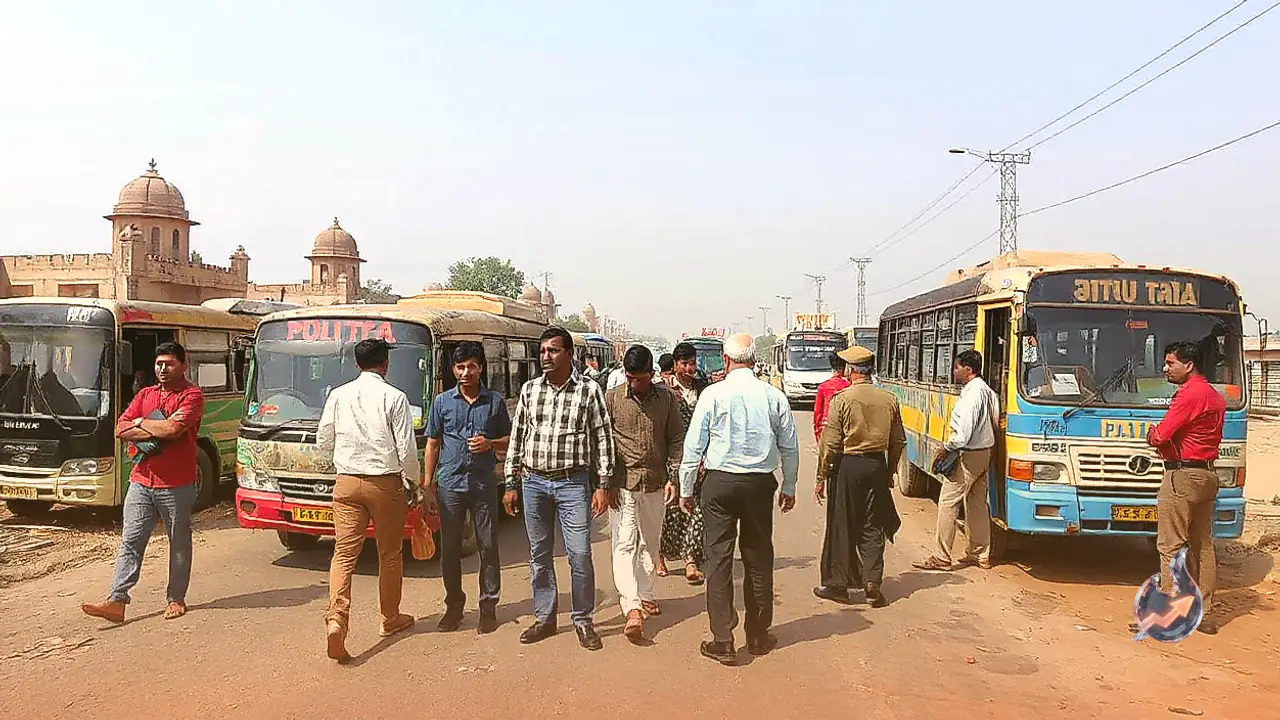

A contentious initiative by the city authorities to shift intercity and private bus operations away from Jaipur's central Sindhi Camp terminal ahead of the festive rush has collapsed. Faced with severe public pushback and structural transit hurdles, the traffic police have completely rescinded the order. Bus movements across the state capital will now proceed under the preexisting arrangement, ensuring that express and Volvo services managed by the state transport corporation, alongside private fleets, retain Sindhi Camp as their primary operating hub.
The Proposed Relocation and Public Backlash
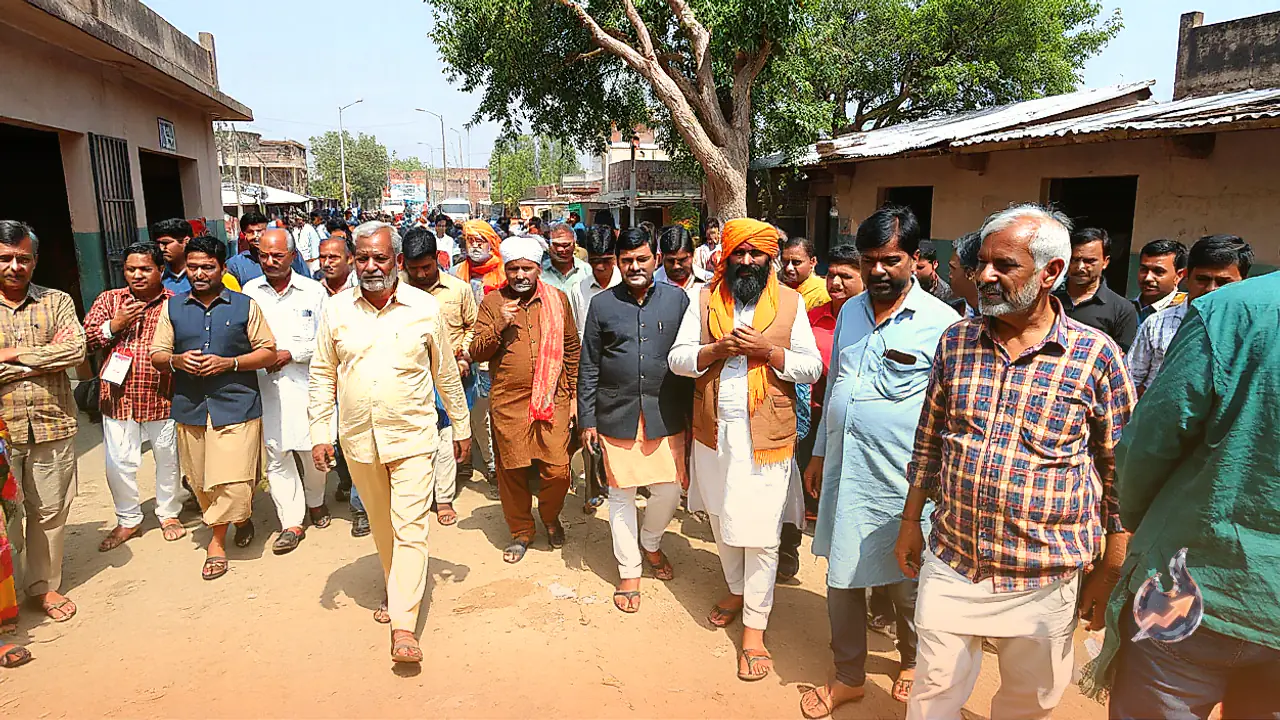
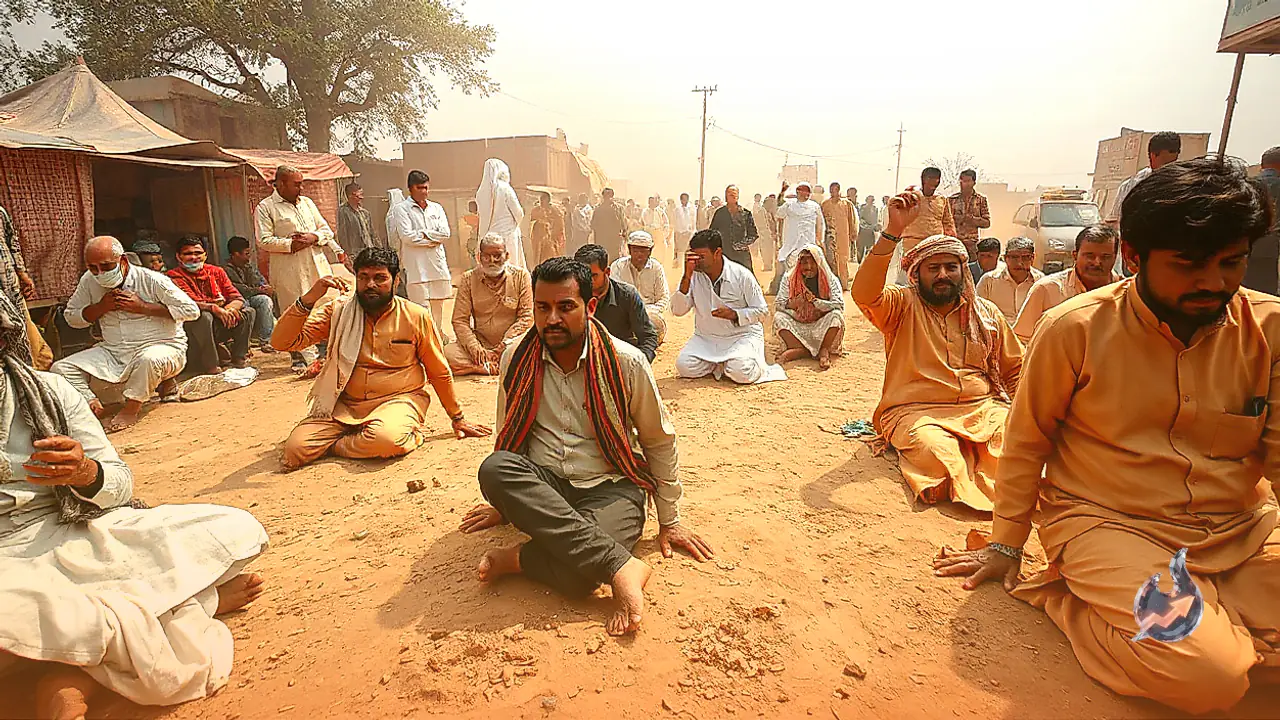
With Diwali shopping and holiday travel driving vehicle density across Jaipur to peak levels, the traffic police had drawn up an ambitious crowd management plan. Under the directives originally slated to run from November 3 to November 9, all state roadways and private passenger buses were ordered to terminate and originate from four designated peripheral hubs outside the urban core. The stated goal was to eliminate choke points in the central business districts by keeping heavy vehicles away from Sindhi Camp. However, the announcement triggered immediate outrage among long-distance commuters and local travelers. Following a wave of protests and public concern on Monday, administrative momentum stalled, forcing the traffic department to revoke the transition entirely.
Roadways Management Stands Firm on Sindhi Camp
The directive swiftly exposed friction between the Rajasthan State Road Transport Corporation and local traffic enforcement. Roadways officials strongly opposed the unilateral shift, asserting that Sindhi Camp is the officially designated principal bus depot and must retain full operations. Management pointed out that tens of thousands of passengers arriving from distant districts across Rajasthan and neighboring states rely entirely on Sindhi Camp for transit connections. Roadways authorities also emphasized that established boarding points already exist at Transport Nagar, Heerapura Terminal, Durgapura, and Sikar Road to disperse passenger volumes, making a sudden forced eviction counterproductive.
Transit Deficits and Financial Burden on Passengers
Serious operational flaws in the relocation blueprint immediately raised red flags regarding end-to-end passenger connectivity. The four proposed peripheral staging grounds lacked basic linkages with the city's urban transport grid. Travelers arriving at the Jaipur junction railway station would have been forced to hire auto rickshaws or app-based cabs, spending up to Rs 500 in additional fares just to reach an out-of-town bus stand. Given the sparse fleet and limited route coverage of local JCTSL city buses, commuters were bound to be left at the mercy of expensive private operators. The prospect of families with luggage, elderly travelers, women, and small children stranded on city borders highlighted the acute logistical shortcomings of the plan.
Absence of Coordination and Scrutiny Over Private Fleets
Critique also centered on procedural neglect, as traffic authorities had implemented the drastic shift without convening an inter-departmental coordination meeting. Key transit partners—including the roadways administration, the city transport corporation JCTSL, auto rickshaw unions, and e-rickshaw operators—were excluded from prior consultations. Concurrently, allowing private luxury buses to continue operations at Sindhi Camp ignited further controversy. Unregulated curbside pick-ups and illegal parking by private operators around Sindhi Camp have historically been a primary trigger for urban gridlock. Granting status quo operations to private coaches amid the reversal prompted observers to question why enforcement against chronic street encroachments remains lax.
Official Reversal Confirms Status Quo
Resolving lingering ambiguities for travelers, Sindhi Camp manager Rakesh Rao stated that formal headquarters directives mandate that all roadways buses continue their regular schedule out of Sindhi Camp without alterations. Traffic DCP Praveen Nayak corroborated the withdrawal, clarifying that the proposed external bus stands will not be operationalized. Following bilateral talks with state transport officials, the administration confirmed that both public roadways fleets and private passenger buses will maintain their standard routes and terminal points throughout the festival period.