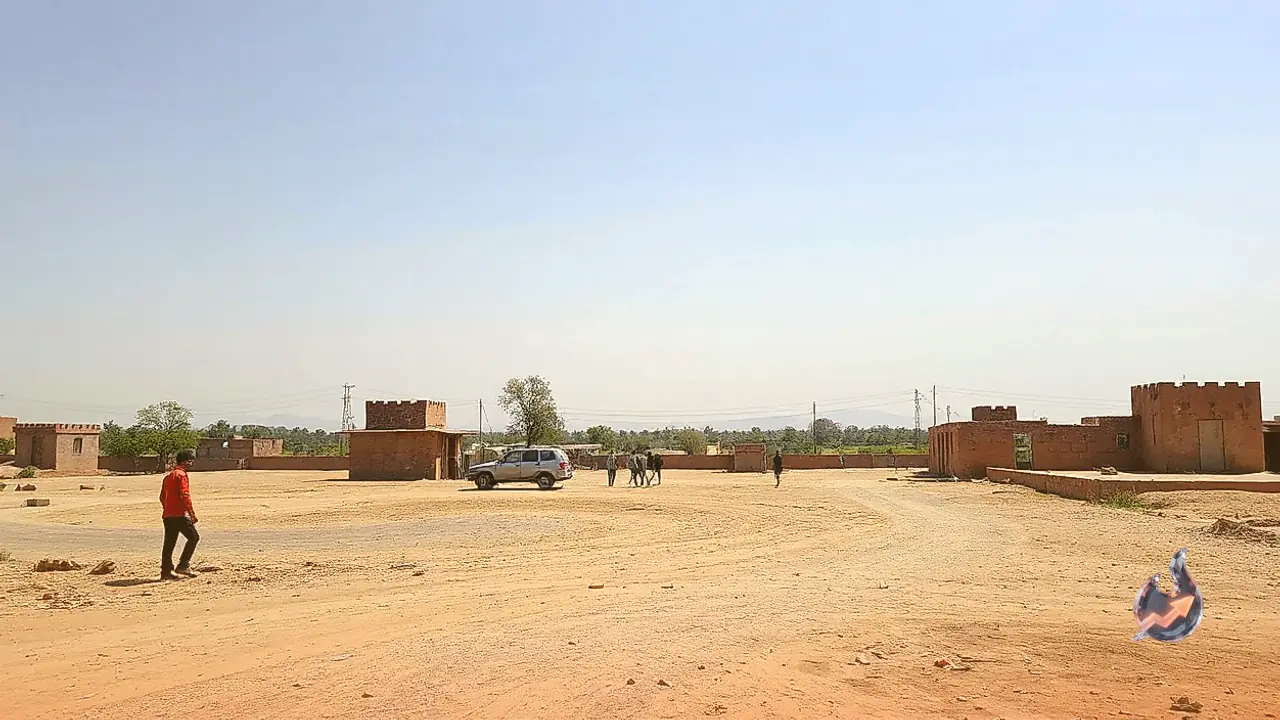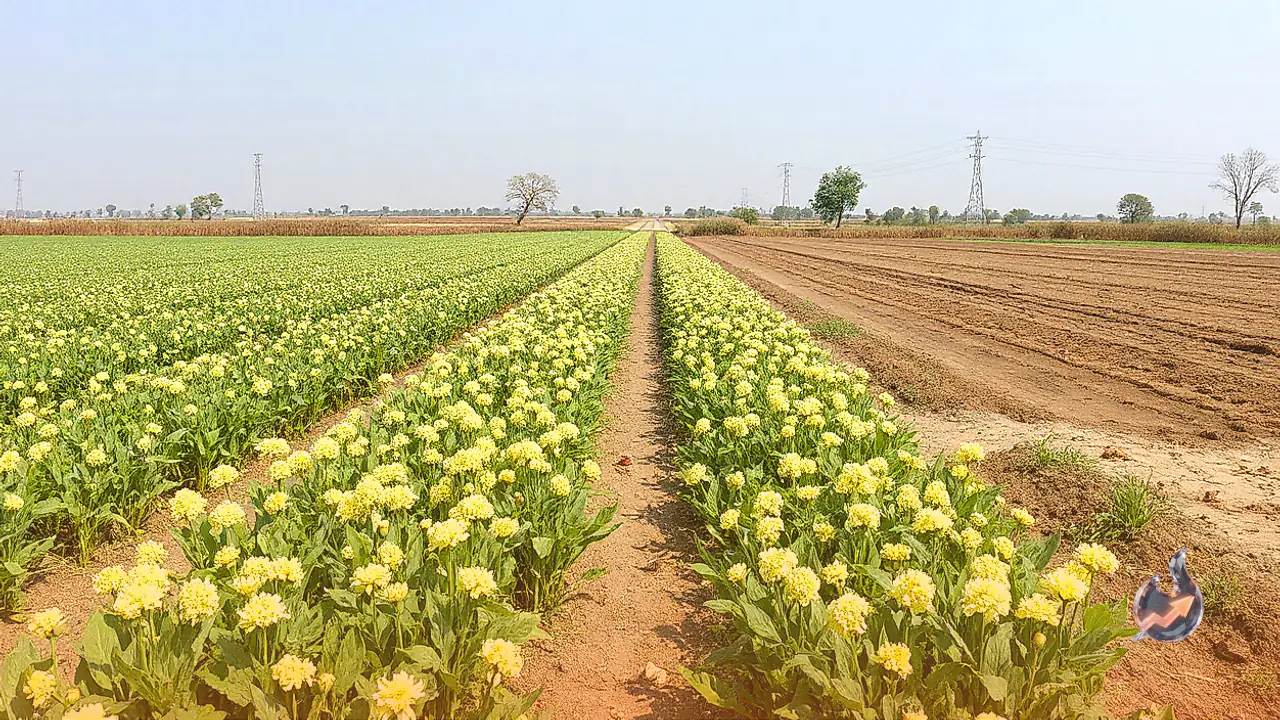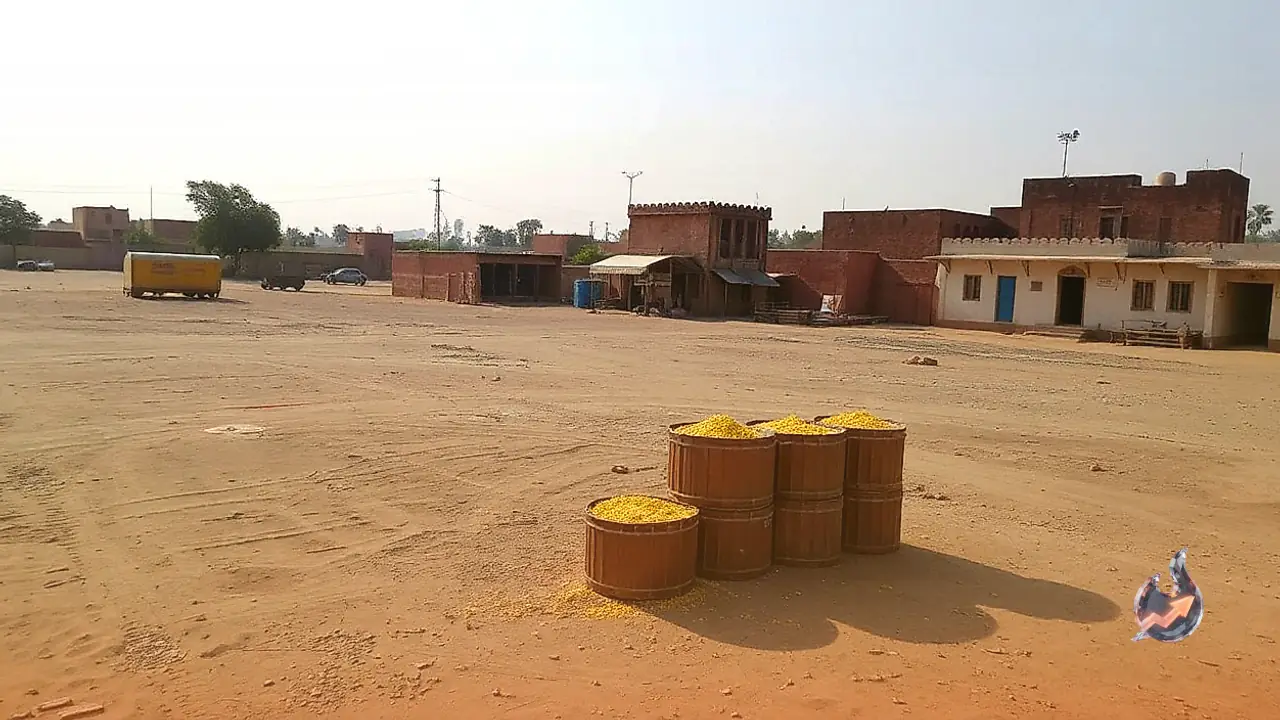























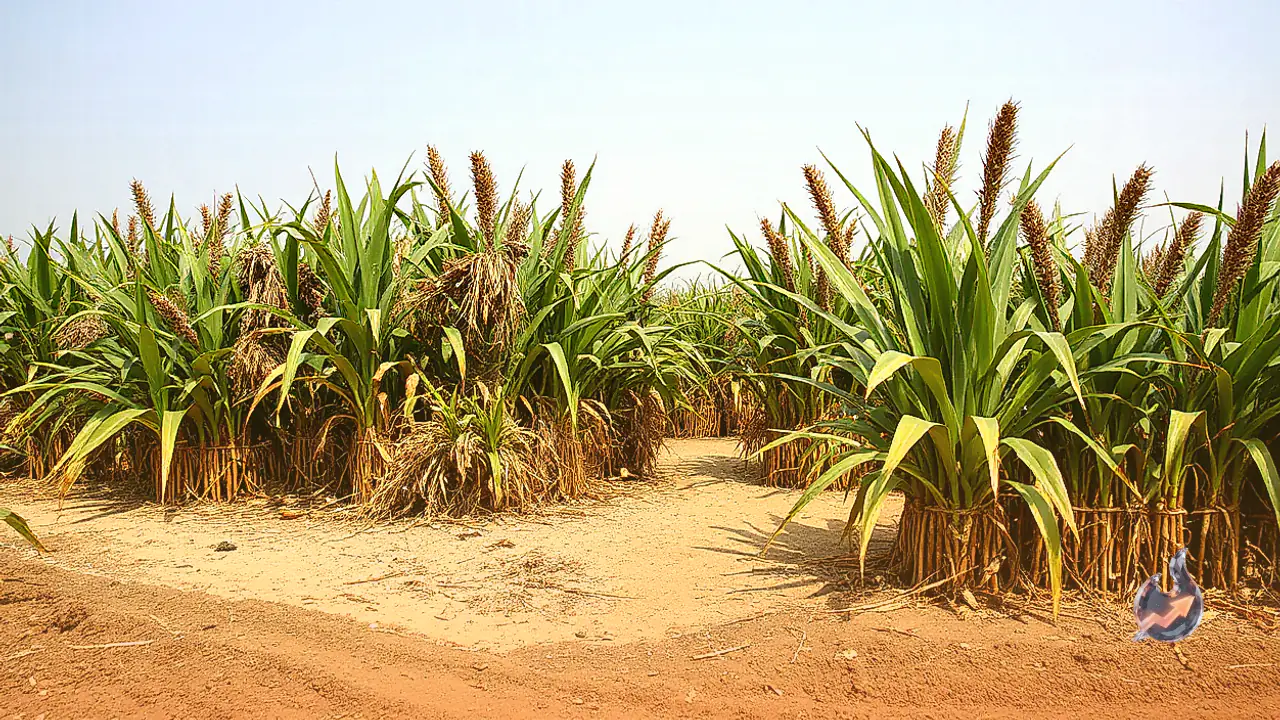

Rojda village, located in the rural belt of Jaipur in Rajasthan, has built a distinct identity for itself through widespread sugarcane cultivation. Today, the village is recognized across neighboring areas as a prominent hub of sugarcane production. More than half of the local farming community now grows sugarcane alongside customary regional crops, turning it into their primary stream of agricultural earnings. Modest input expenses, sturdy yields, and reliable market rates have made sugarcane farming an increasingly profitable avenue for growers across the locality.
Input Cost and Revenue Breakdown Per Bigha
Local farmer Ramdhan Kumawat points out that while sugarcane farming demands steady labor, the final financial return makes the investment of time worthwhile. Sowing a single bigha of agricultural land requires approximately 10 quintals of sugarcane seed. Once the crop reaches full maturity, that same single bigha produces a harvest of roughly 10 tonnes of sugarcane.
Detailing the production economics, he shared that preparing, maintaining, and bringing the crop to harvest on one bigha costs between 20000 and 25000 rupees. The sale of the harvested yield subsequently generates a gross income of 70000 to 80000 rupees. After deducting all operational and cultivation expenses, a farmer secures a net savings ranging from 45000 to 60000 rupees per bigha. These tangible margins explain why an increasing number of growers in the area are drawn toward sugarcane.
Angad Kumawat Cultivates Sugarcane for 40 Years
Another resident grower, Angad Kumawat, has been cultivating sugarcane continuously for approximately 40 years. Reflecting on four decades in the field, he affirms that sugarcane has consistently delivered dependable financial rewards for farming households. He notes that the village secures healthy harvests year after year, supported by sustained commercial demand in nearby markets.
Regarding market transactions, Angad Kumawat explained that a single sugarcane stalk sells in the market for approximately 15 rupees. Selling the produce on a per-stalk basis enables farmers to generate swift revenue from their harvest, providing immediate cash flow without prolonged payment delays.
Timely Sowing and Balanced Nutrition Drive Higher Margins
Experienced growers emphasize that achieving superior productivity in sugarcane depends heavily on timely sowing, planned irrigation schedules, appropriate fertilization, and continuous crop monitoring. Attentive field management strengthens crop health, directly boosting harvest volumes and providing farmers with higher profit margins.
Growers also observe that exact expenditure and net earnings can vary across individual holdings, influenced by local soil fertility, weather patterns, irrigation availability, and prevailing market rates. Nevertheless, the underlying production economics continue to present a lucrative alternative to lower-yielding crops.
Spurring Crop Diversification Across Neighboring Areas
The success demonstrated in Rojda is now encouraging cultivators across surrounding settlements to reconsider their agricultural practices. Where farmers once relied exclusively on conventional crop rotations, many are now adopting crop diversification to bolster household revenue. The healthy earnings generated from sugarcane in Rojda prove that selecting the right cash crop and applying dedicated management allows smallholders to generate strong returns even from modest landholdings.