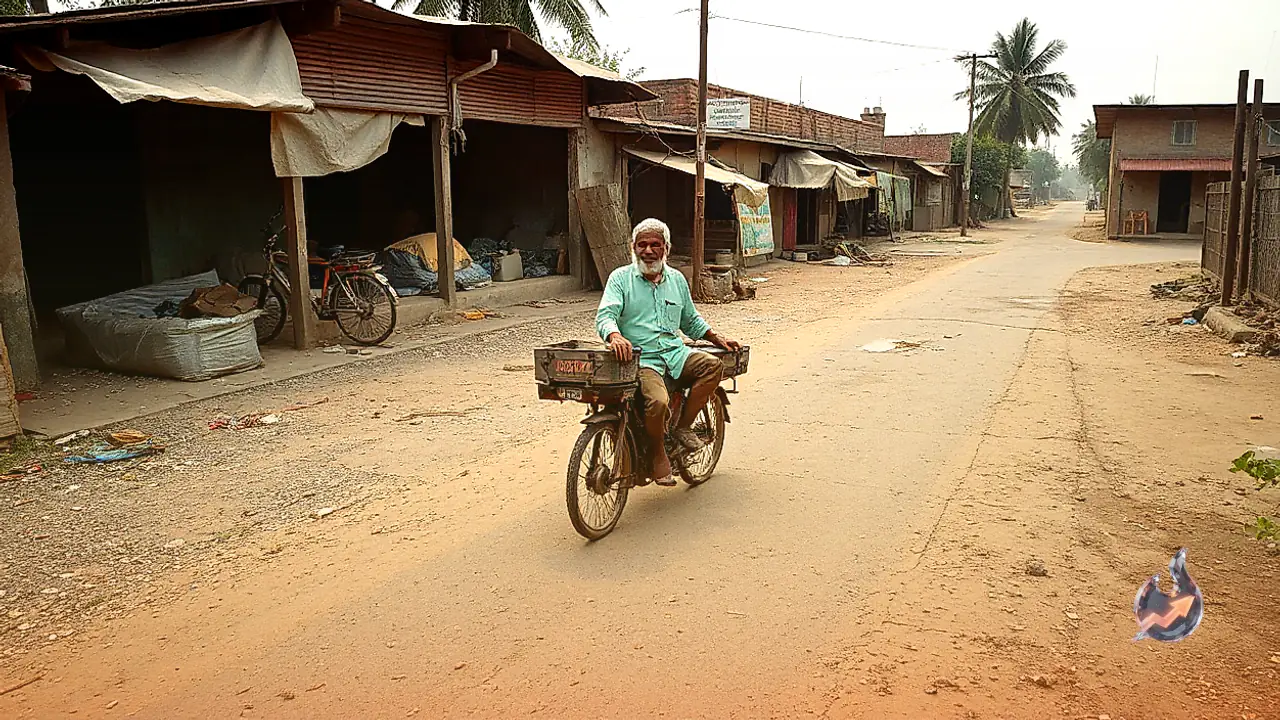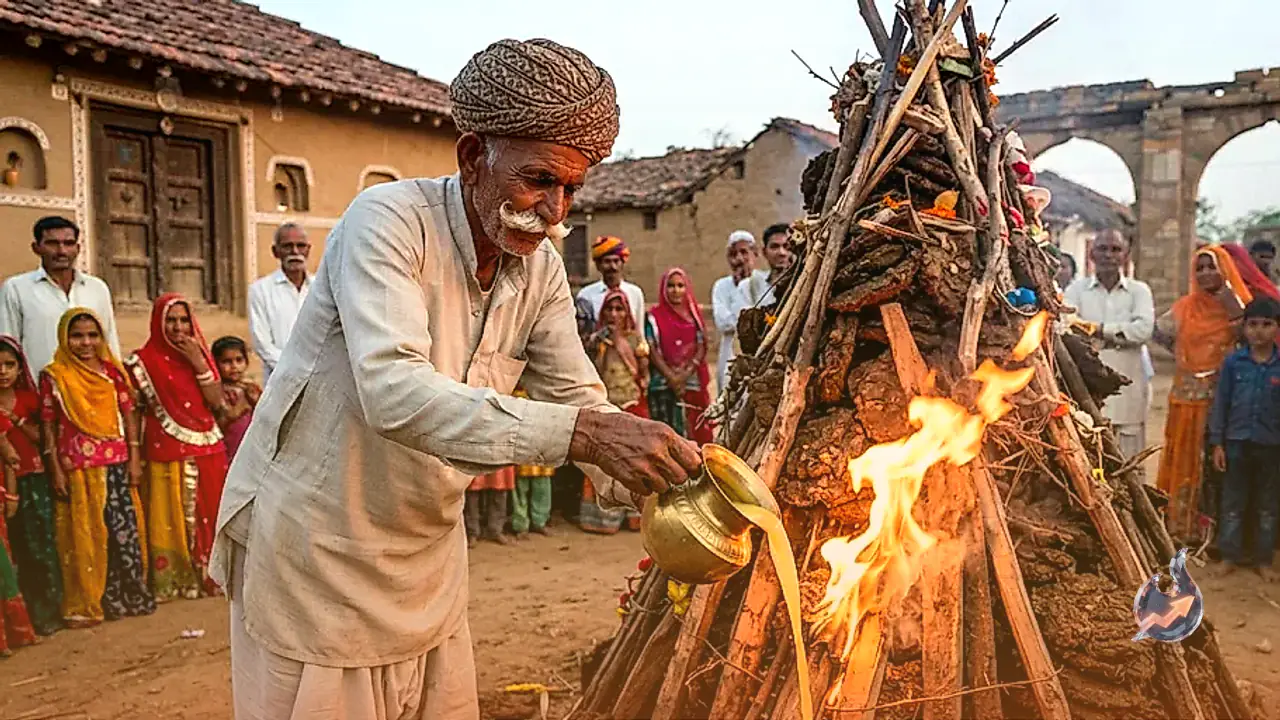

While modern times bring rapid changes to rural lifestyles and ancient customs, certain pockets of Rajasthan continue to cherish and fiercely protect their centuries-old heritage. Situated in the Malsisar tehsil of Jhunjhunu district, Niradhanu village stands out as a living example of this commitment, where a tradition dating back nearly 300 years is still practiced with unwavering devotion. What makes this village celebration unique is that the materials for Holika Dahan are not sourced from a single committee or prominent individual; instead, every household in the village contributes pure ghee according to their financial capacity. This collectively gathered ghee is then used exclusively to light the sacred bonfire, a practice rooted in deep community faith. Local residents firmly believe that upholding this ritual safeguards the entire village from fire hazards and unforeseen tragedies, while the collective participation fosters absolute unity among all villagers.
Three Centuries of History and Naming
Tracing the historical roots of Niradhanu reveals that the settlement is well over three centuries old, according to local accounts. During the era of Nawab rule, Neeru Khan Chhayal established a settlement here named Mohammadpur. Much later, during the subsequent reign of Rajput rulers, Thakur Harisingh renamed the locality as Niradhanu. As time progressed, the village expanded its boundaries, paving the way for the construction of several historical buildings, fort structures, and prominent landmarks that define the region's architecture.
Water Conservation and the Unique Village Well
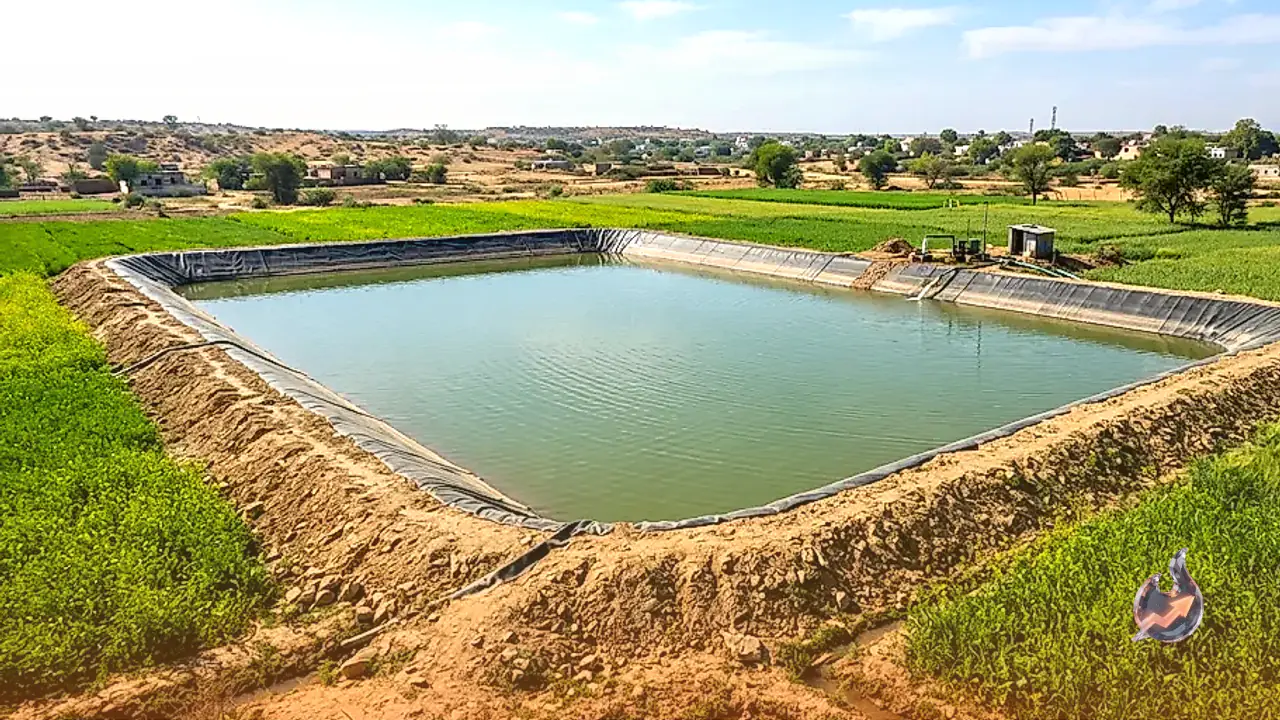
Historical accounts passed down through generations indicate that Thakur Rambax Singh constructed a large pond in the village, which served as the primary drinking water source for residents during earlier times. Because water was treated as a precious resource, villagers maintained round-the-clock guards to ensure the water remained clean, reflecting an early consciousness toward water management. Later on, Sultan Sagar commissioned the construction of a stepwell-style well within the area. Located in the main public square, the water from this historic well remains renowned today for its distinctive qualities. Local inhabitants assert that preparing lentils and khichdi using this specific water yields a unique and superior flavor. Furthermore, the water is traditionally considered beneficial for certain stomach-related ailments.
The Historic Fort and Military Legacy
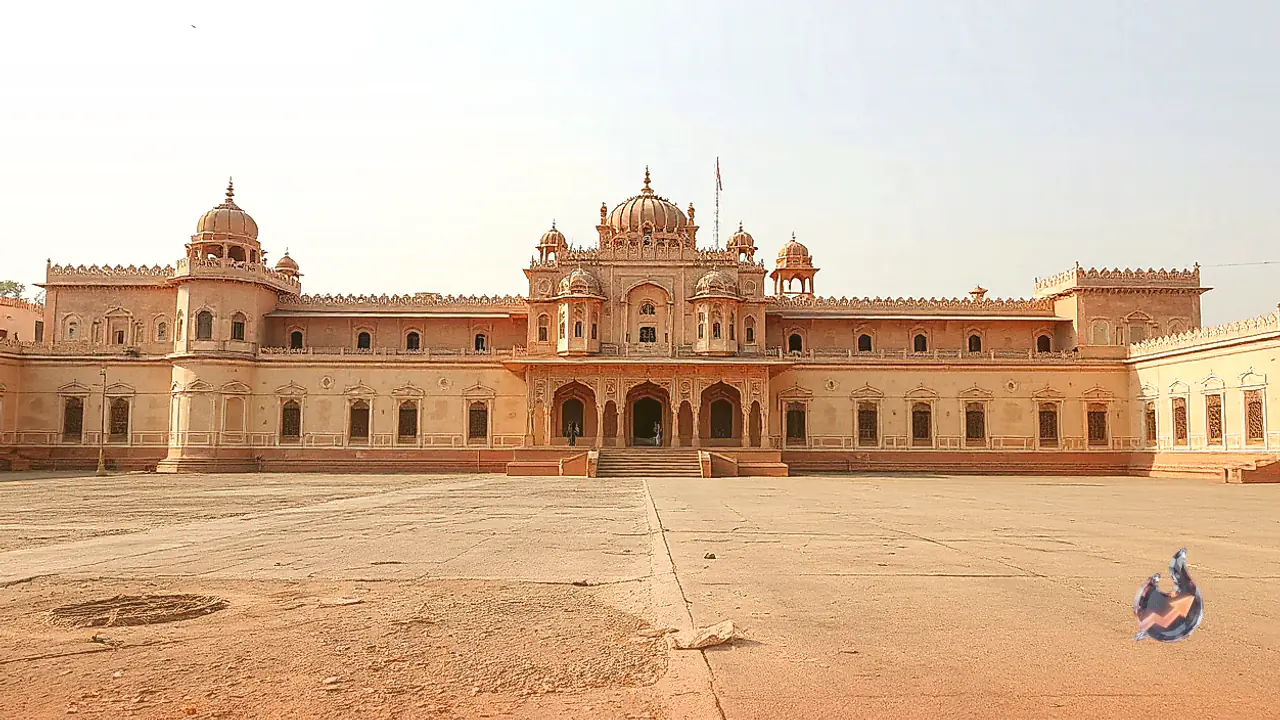
According to Panchayat member Iqbal Khokhar, Raja Shardul Singh originally built a fort within the village, though it has now crumbled into ruins due to a lack of maintenance and upkeep. In earlier eras, residents faced immense hardship as they had to travel all the way to Khetri to resolve local disputes and legal matters. Recognizing this daily struggle, the ruling ruler ordered the establishment of a dedicated police outpost right within the village, the remnants of which can still be witnessed today. Niradhanu has also made significant contributions to the defense and freedom of the nation. Nagarmal Darji from the village served as a freedom fighter, while Seduram, Kalu Singh, and Harisingh participated actively in the Second World War. Bhagwanaram Mahla sustained injuries while fighting in the 1971 India-Pakistan war. Continuing this proud tradition, Padamsingh Shekhawat (AVSM) currently serves in the Indian Army holding the rank of Lieutenant General. In recognition of his exceptional military service, an official announcement was made awarding him the Param Vishisht Seva Medal (PVSM), a milestone that fills the entire community with immense pride.
Infrastructure Growth and Public Transport Challenges
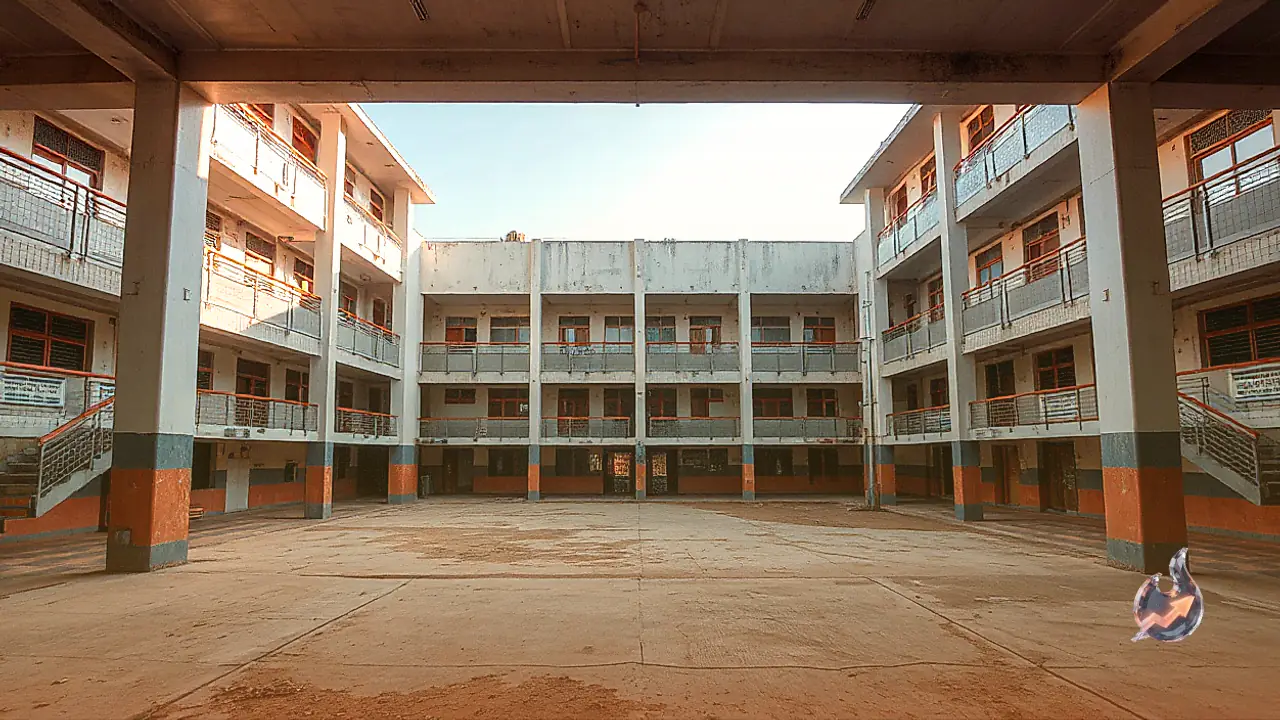
Following India's independence, the village witnessed notable improvements in education, healthcare, and other basic civic amenities, yet the shortage of adequate public transport remains a persistent grievance for the local populace. The village still suffers from an acute scarcity of regular state roadways buses and reliable public commuting options. However, Niradhanu is defined not merely by its historical monuments, but by the extraordinary solidarity of its residents. The ongoing tradition of gathering ghee from every single home for the Holi bonfire serves as a shining testament to this spirit. Spanning roughly three hundred years, this unbroken custom continues to connect the younger generation deeply with their native culture, ancestral heritage, and enduring brotherhood.