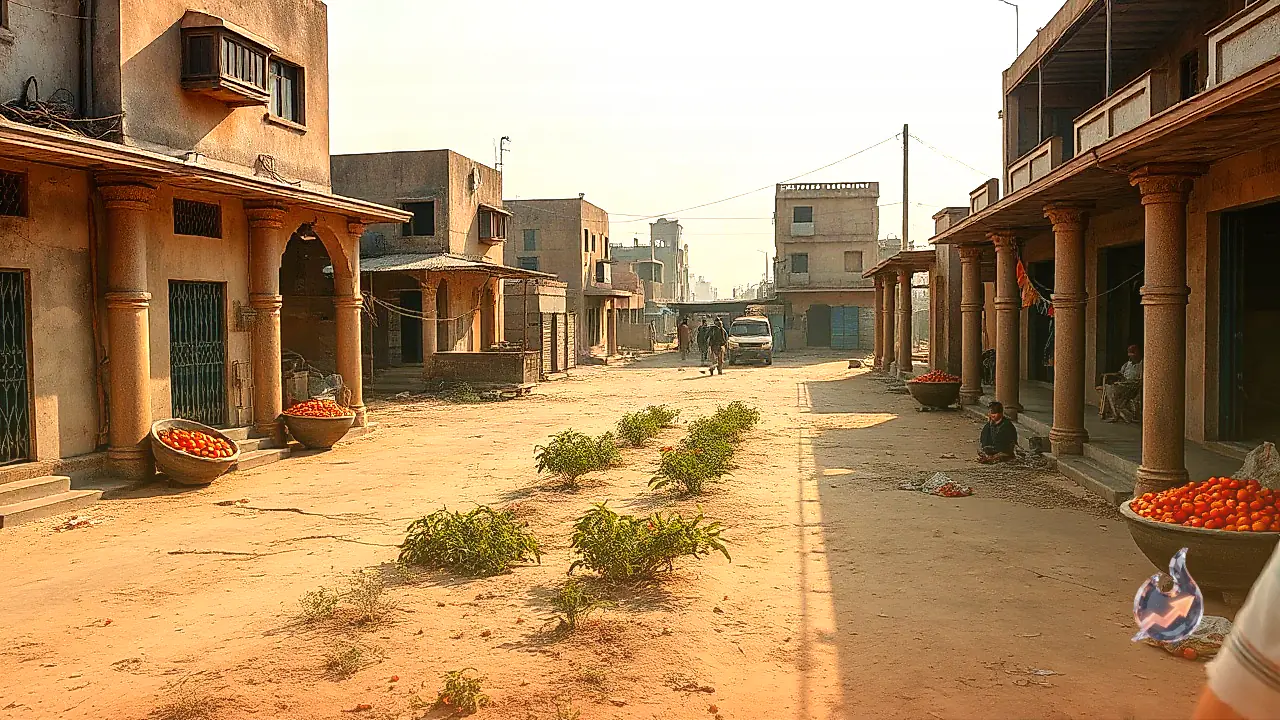





















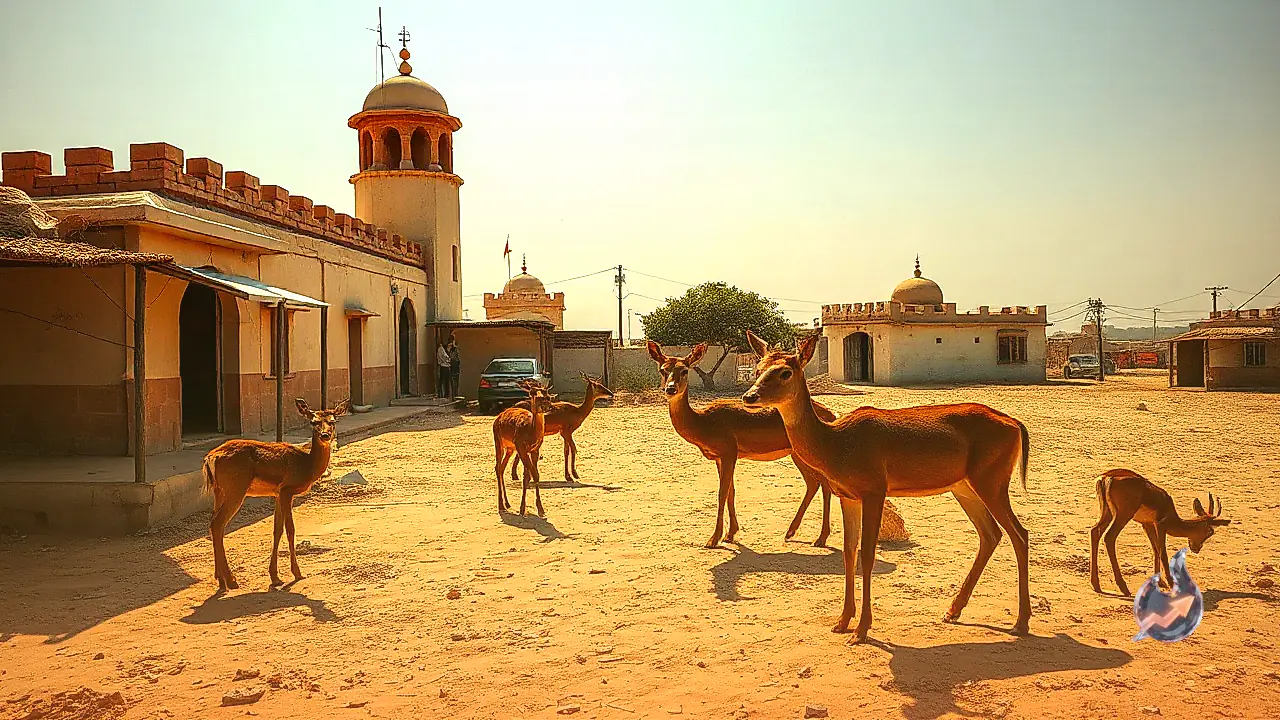

Across the sweeping sand dunes and sun-scorched terrain of the Thar desert, the sight of wild deer bounding over open plains defines the natural character of Rajasthan. In the village of Katarla, located in Barmer district, this dynamic between humans and wildlife extends far beyond admiring nature from a distance. The local community has integrated these creatures into the core of village life, treating them as members of their own households rather than wild inhabitants of the scrubland. Visitors arriving in this rural settlement immediately notice the prominent presence of deer roaming freely alongside residents, exhibiting none of the fear typically found in desert fauna while playfully leaping around people.
A Community Rescue Culture Rooted in Thar
This enduring bond between desert residents and indigenous deer represents a quiet conservation success sustained entirely by village vigilance. Whenever a deer is found injured or incapacitated in the surrounding countryside, villagers refuse to leave the animal stranded in the wilderness. Instead, they carefully transport the wounded animal back to the community, dress its cuts, administer remedies, and look after its nutritional needs until it fully regains the strength to run independently. This sustained climate of compassion has made the village an attractive destination for visitors travelling from Barmer, Jaisalmer, Jodhpur, Jalore, and across Rajasthan to witness people and wildlife coexisting in close harmony.
Amrita Devi Wildlife Rescue Centre Shelters Over 125 Deer
The institutional backbone of this initiative is the Amrita Devi Wildlife Rescue Centre, an initiative founded in 2020 through the collective drive of Katarla's younger generation. Today, the facility provides shelter and care to more than 125 deer. Ramjeevan, a dedicated volunteer at the rescue centre, points out that visitors can sit comfortably right next to these animals without prompting anxiety or panic. The deer routinely approach human visitors, eagerly feeding on offerings of gram and pearl millet directly from open palms, sometimes standing on their hind legs and leaning playfully against a person's waist. The community established the organisation primarily to address severe threats facing native fauna, particularly attacks from feral dog packs, poachers, vehicular accidents, and debilitating illnesses.
Comprehensive Care for Desert Birds and Small Mammals
Beyond caring for indigenous deer, the rescue centre extends veterinary attention and sheltered recuperation to a broad spectrum of injured creatures, including blue bulls, rabbits, tortoises, peacocks, and pigeons. While tourists and urban visitors frequently capture these gentle encounters on mobile cameras, caregivers often encourage people to set aside digital screens to experience this unmediated relationship with nature directly. As caretaker Ramjeevan explains, the caretakers do not view the animals as detached wildlife, but as an integral part of their extended home circle, bringing the same degree of personal concern, daily diligence, and protective care that one would extend to family kin.