








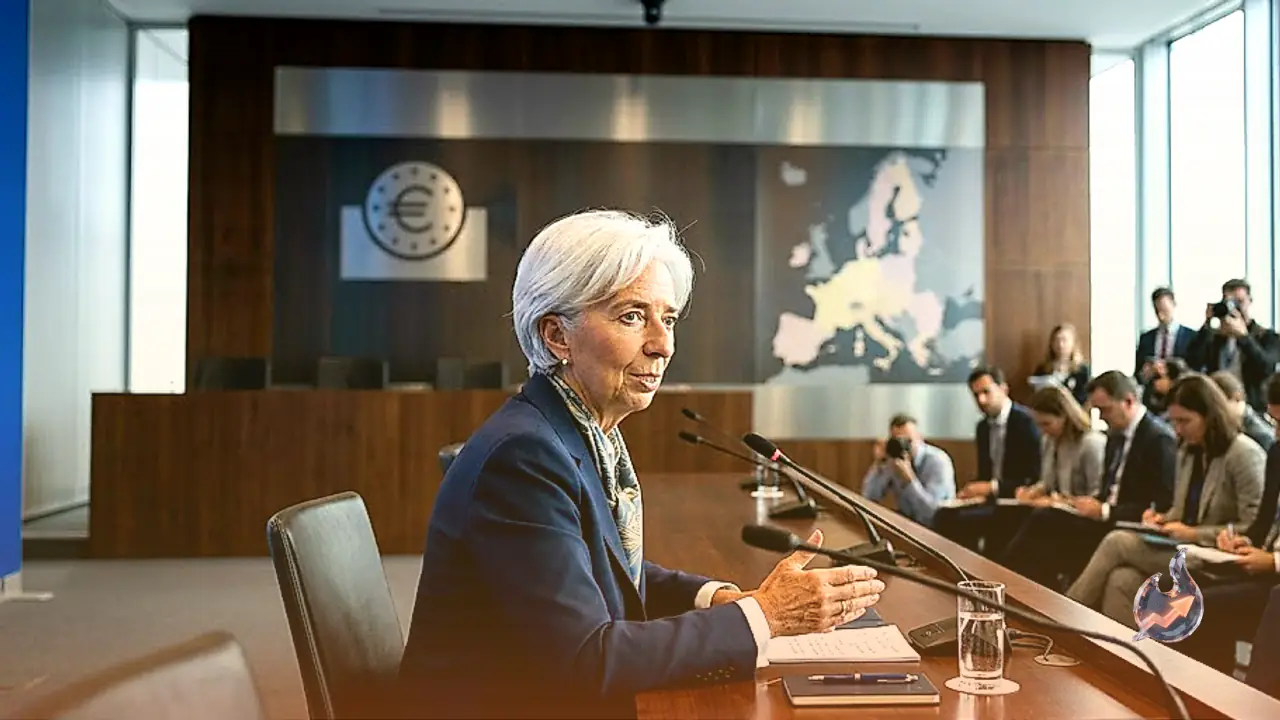














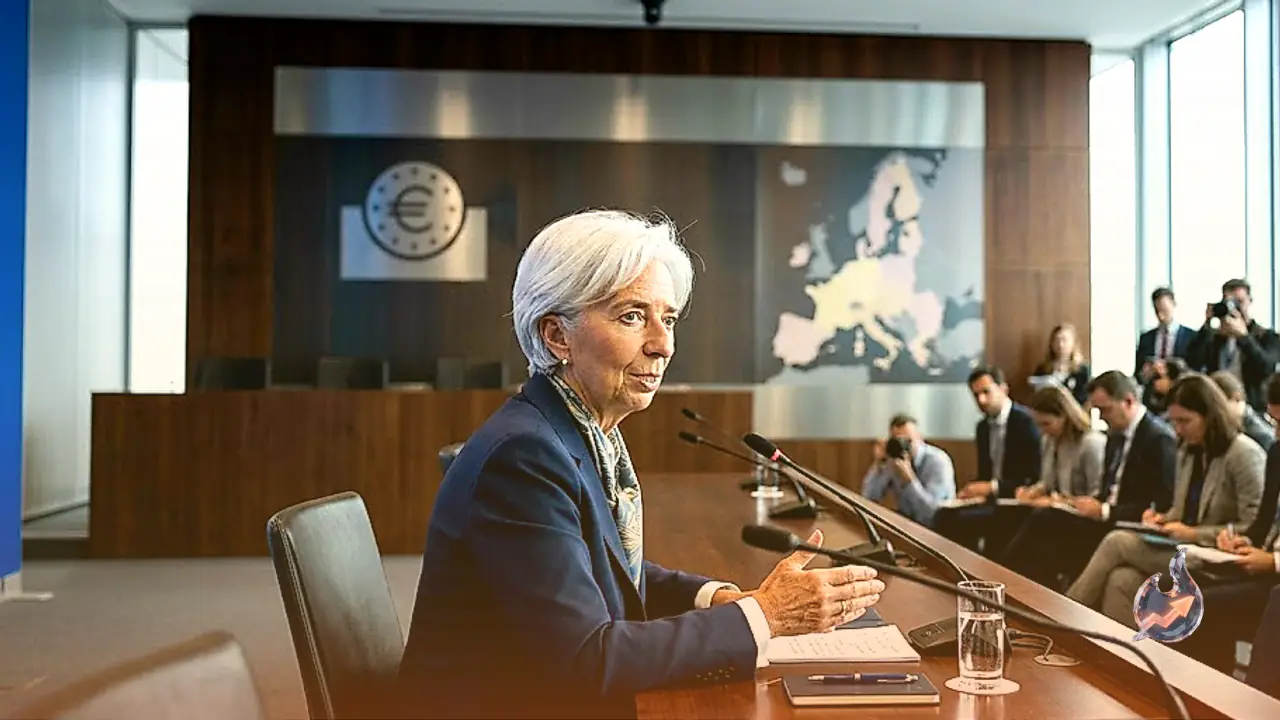

European Central Bank President Christine Lagarde has outlined a prudent approach to navigating mounting inflation hurdles across the eurozone. Economic expansion has demonstrated a broad-based character across most member countries and industrial sectors, with expectations that this resilient momentum carried forward through the third quarter. The manufacturing industry continues to post solid results, while the broader employment landscape remains fundamentally sound. Technological shifts and artificial intelligence developments have not exerted downward pressure on overall job numbers so far, though the final verdict on the long-term impact of AI on employment remains unsettled.
Central Bank Balances Long-Term Inflation Projections
Despite pockets of stability, the overall economic horizon is shrouded in significant uncertainty. Central bankers anticipate persistent upward pressure on consumer prices in the periods ahead, although clear evidence that higher inflation has permanently embedded itself into the broader economy is yet to materialize. Nevertheless, forward-looking inflation projections for both 2027 and 2028 are now positioned higher than estimates formulated just a few months prior.
Addressing these economic dynamics, Lagarde stressed that while the scale of the current price shock is far too substantial to ignore or look past, the central bank intends to adhere strictly to the middle path for monetary policy mapped out earlier this year. Monetary authorities judge that a deliberate, measured response serves as the most effective instrument to rein in price pressures without destabilizing broader economic activity.
Dollar Surge Weighs on Major Currency Pairs
The broader foreign exchange landscape remains dominated by strong upside momentum in the US Dollar, creating headwinds across competing currencies. The AUD/USD pair opened the week fiercely contesting the 0.7000 threshold, hovering around its weakest valuation since August 4. Sovereign bond yields in the United States remain entrenched near multi-year peaks, propelled by stubborn inflation risks linked to elevated crude oil and growing bets that the Federal Reserve will deliver another interest rate increase in October. Adding to the currency dynamics, the ongoing standoff between the United States and Iran has reinforced safe-haven bids for the greenback, intensifying pressure on the Australian Dollar just ahead of Tuesday's policy announcements from the Reserve Bank of Australia.
Concurrently, the USD/JPY cross found active dip-buyers, clawing back part of the sharp slide registered on Friday following market speculation regarding official interventions to bolster the Japanese Yen. However, the release of dovish minutes from the Bank of Japan effectively placed a ceiling on yen strength. Supported by higher oil costs, rekindled inflationary anxieties, and bets on Fed tightening, the dollar pushed USD/JPY upward back toward the 158.00 zone.
Precious Metals, Cryptocurrencies, and Energy Dynamics
Gold initiated the trading week firmly on the back foot, sliding toward the $4,100 per troy ounce threshold, territory not recorded since early August. The convergence of mounting geopolitical tensions, an aggressive US Dollar, and elevated Treasury yields kept bullion under considerable downward momentum on Monday.
In the digital asset sector, Bitcoin retreated beneath the $82,800 benchmark on Monday after securing gains in excess of 4% over the preceding week, with the prevailing rally losing upward momentum near recent peaks. Steady institutional participation, underscored by consistent capital inflows into spot Bitcoin Exchange Traded Funds, continues to provide underlying support to token valuations.
Across energy markets, diesel fuel in the United Kingdom reached a record high, amplifying widespread cost-of-living and economic worries. While immediate worries surrounding crude oil supply constraints have eased somewhat, oil prices remain structurally elevated. Market participants continue to debate the necessity of an aggressive tightening cycle from the Federal Reserve. Notably, both the Fed and the Bank of Japan implemented 25-basis-point interest rate hikes last week, with both monetary authorities grappling with persistent inflation threats and emphasizing that future policy adjustments will strictly depend on incoming economic indicators.