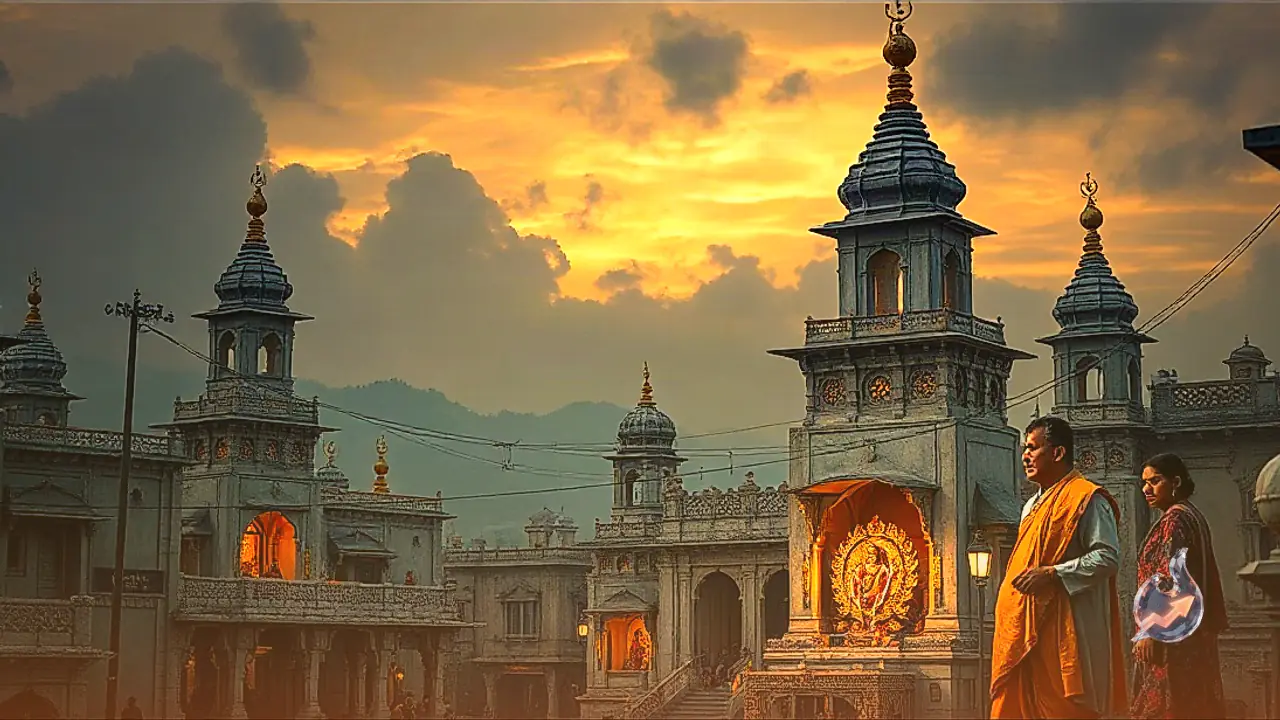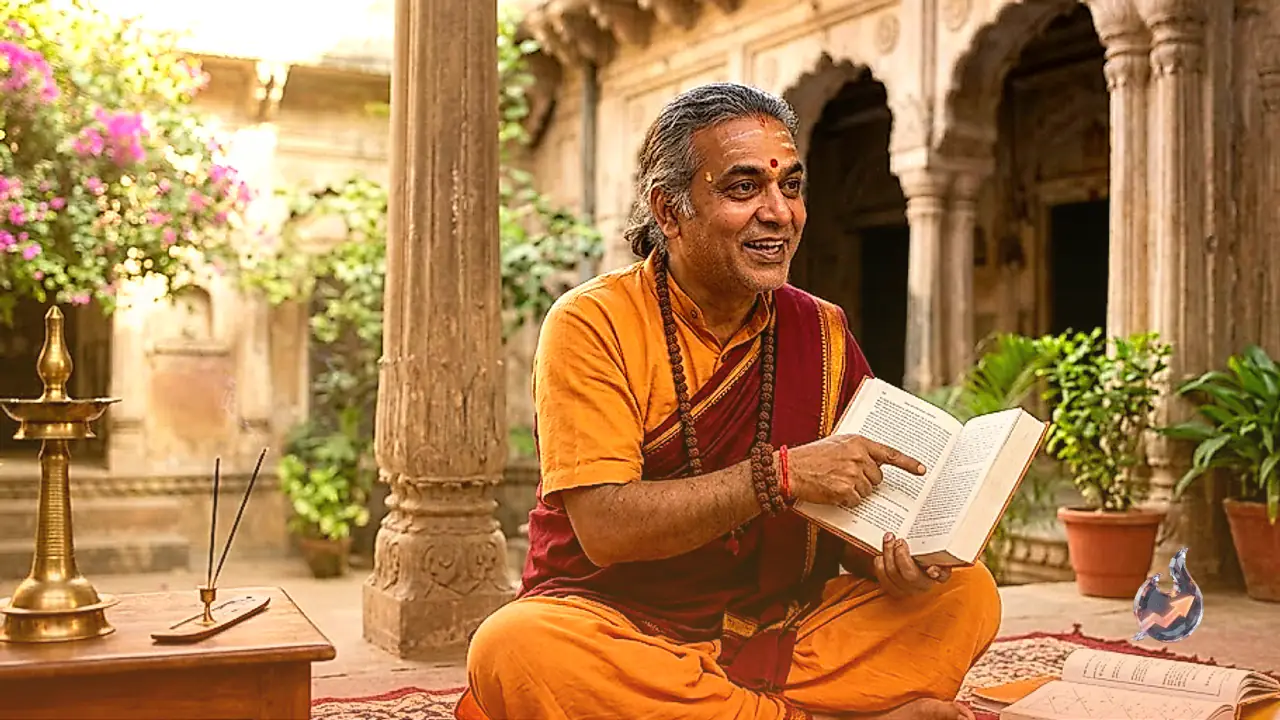







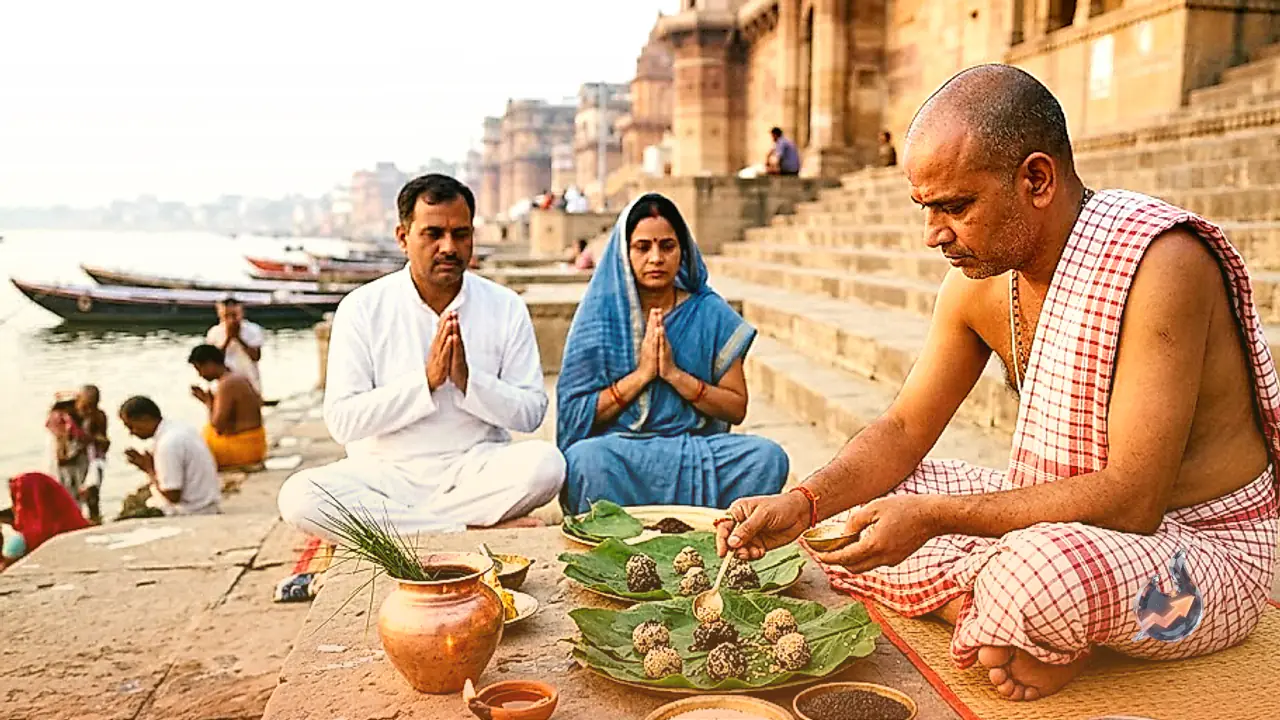















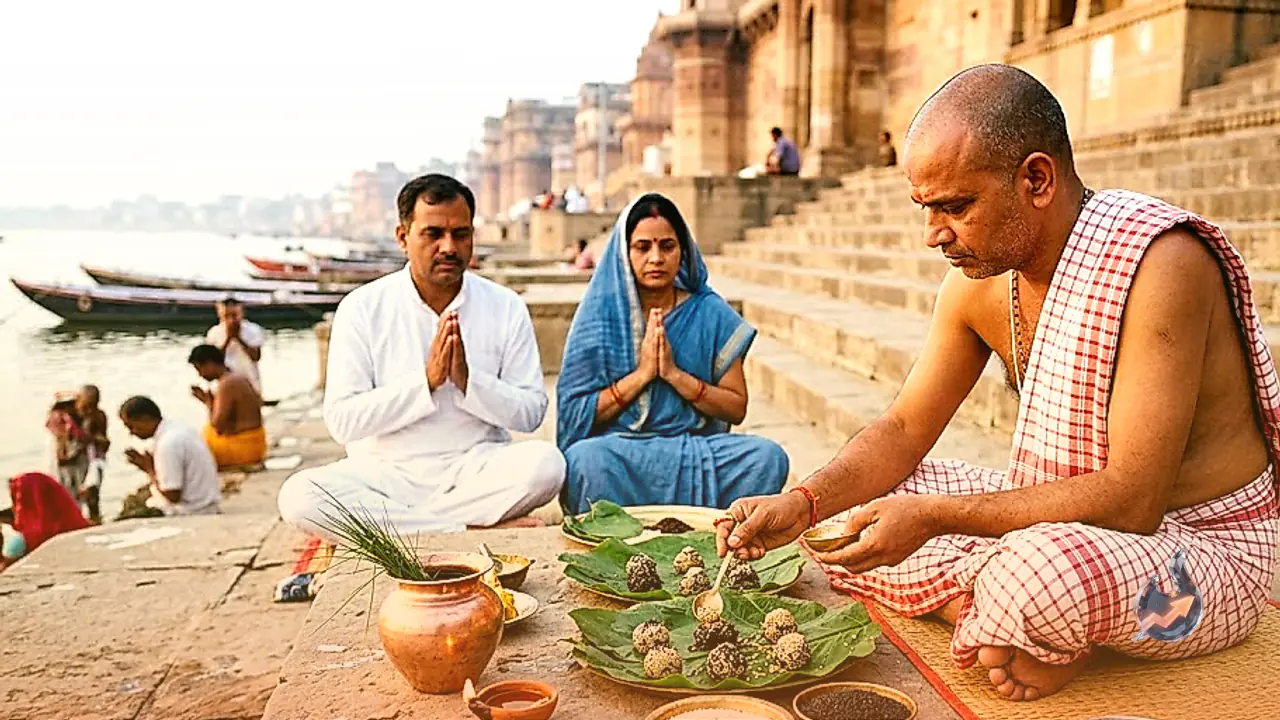

In Hindu religious traditions, the fortnight of Pitru Paksha holds profound significance as a sacred period dedicated to honoring ancestors and expressing deep gratitude toward lineage forebears. According to scriptural beliefs, ancestral spirits descend toward the earthly realm during these days, showering blessings upon their descendants who remember them with devotion. Devotees perform rituals such as Shradh ceremonies, Tarpan offerings, and Pind Daan to ensure the spiritual peace and liberation of their departed forebears. While many view Shradh as a singular, uniform ceremony, ancient texts such as the Bhavishya Purana reveal that these rituals are classified into twelve distinct forms based on differing situations, life stages, and specific human aspirations.
Daily Observances, Focused Motives, and Material Aspirations
The first form outlined in the text is Nitya Shradh, a daily ritual performed through the offering of water or food grains. Approaching the worship of deities, parents, and respected teachers with steadfast devotion and faith constitutes Nitya Shradh. When food offerings are unavailable, this rite can be performed using pure water alone. Observing this practice regularly is believed to help an individual make steady progress each day, stepping onto new rungs of personal advancement.
The second category is Naimittika Shradh, an observance undertaken with a specific individual or circumstance in mind. Performing this focused ritual is said to enhance memory power and sharpen intellectual capacity. The third classification is Kamya Shradh, which is executed with a designated desire or milestone in one's heart. By performing this rites-driven ritual with correct intent, a person can achieve significant milestones and attain formidable goals in worldly life.
Family Milestones, Social Standing, and Auspicious Occasions
The fourth category, known as Vriddhi Shradh, is conducted during major familial milestones such as weddings, auspicious celebrations, and festivals to invoke the blessings of elders and ancestors. This particular ceremony is traditionally recommended to ensure harmony, longevity, and success in married life.
The fifth form is Sapindita Shradh, a ceremonial observance carried out with the primary objective of earning and safeguarding honor. It is prescribed for those seeking to maintain respect and dignity within society, within the household, and among extended kin. The sixth form is Parvana Shradh, which is carried out on designated festive lunar milestones, such as the new moon day of Amavasya, accompanied by the chanting of sacred mantras. Successfully concluding Parvana Shradh is believed to usher joy, peace, and domestic happiness into the home.
Cow Sanctuary Rites, Self-Purification, and Lineage Blessings
The seventh variant is Goshtha Shradh, an observance performed within a cowshed or dairy sanctuary in the presence of cows. Completing this ritual is associated with gaining marital and domestic fulfillment involving a spouse. The eighth form is Shuddhi Shradh, undertaken to achieve self-purification and moral cleansing. Its spiritual benefits are said to shield individuals from backbiting, office politics, and covert criticism in professional settings.
The ninth category is Karmanga Shradh, which is directly tied to future progeny and lineage ceremonies. These rites are conducted during major life sacraments such as conception, Somayaga, and Simantonnayana. Observance of this practice carries the belief that one's children will grow to be dependable sources of care, shelter, and comfort in one's advanced years.
Divine Favor, Travel Undertakings, and Global Endeavors
The tenth category, Daivika Shradh, is conducted to please divine entities and obtain heavenly goodwill. Those who observe this ritual are said to be blessed with an enduring abundance of food grains and wealth, never experiencing scarcity in their domestic reserves. The eleventh form is Yatrartha Shradh, which is conducted specifically when preparing for travel, such as embarking on a sacred pilgrimage or venturing to foreign regions and distant lands. Performing this ceremony before departure is considered auspicious for ensuring the safe and profitable completion of business journeys.
Finally, the twelfth form is Pushti Shradh, which involves acts of charity, spiritual merit, and virtuous deeds offered for the nourishment and well-being of someone journeying abroad. It encompasses noble actions undertaken for the welfare of friends, brothers, sisters, husbands, wives, and close companions. Scriptural belief holds that observing Pushti Shradh creates fresh avenues for foreign travel, while those who are already living or working overseas experience sustained success in their international pursuits.