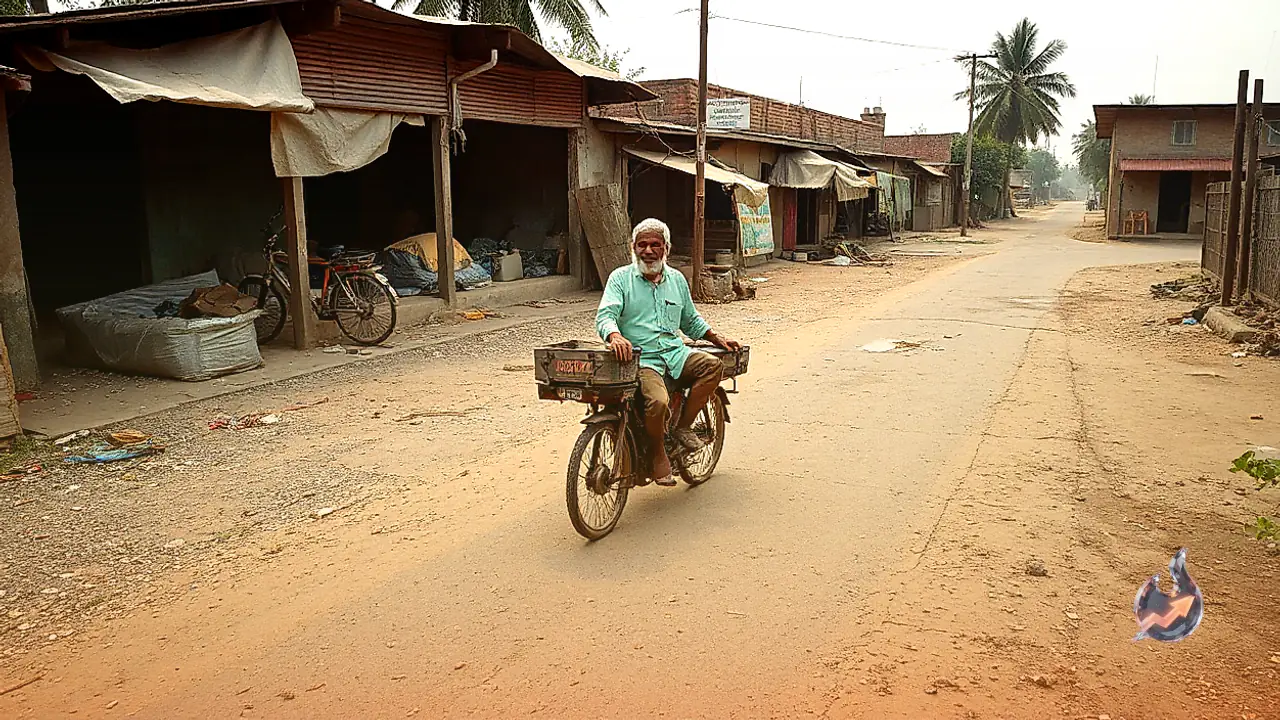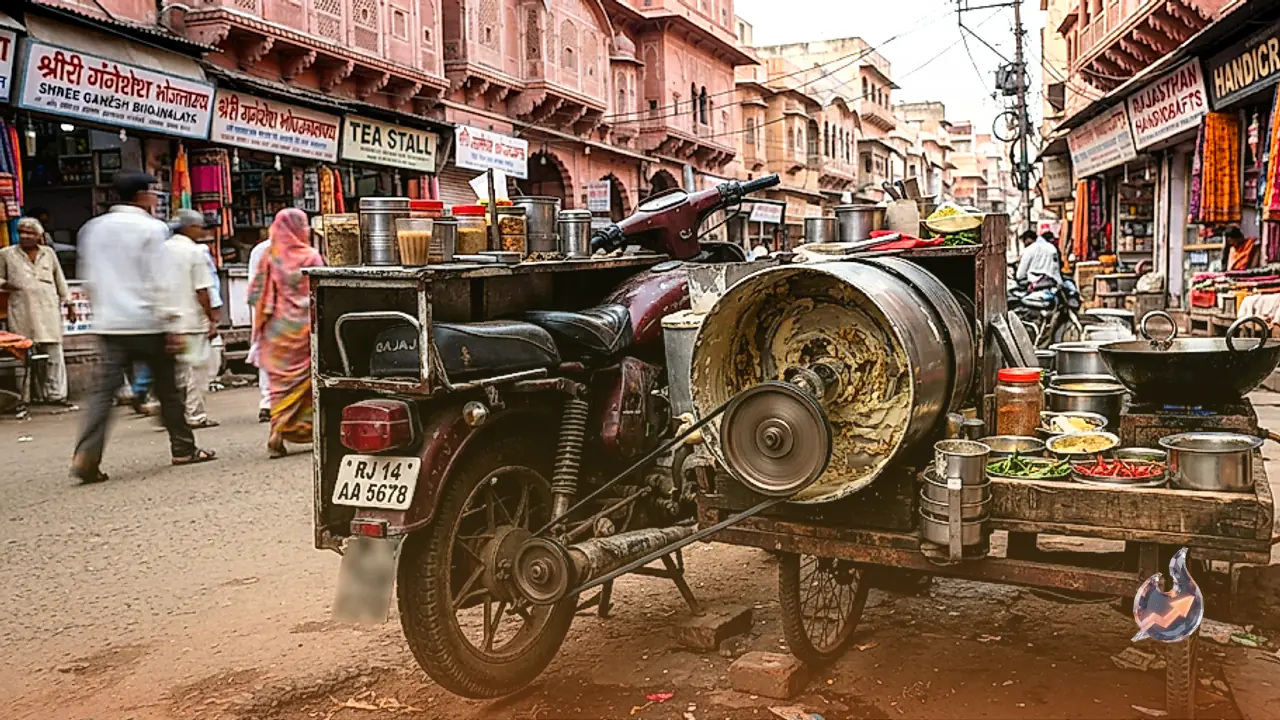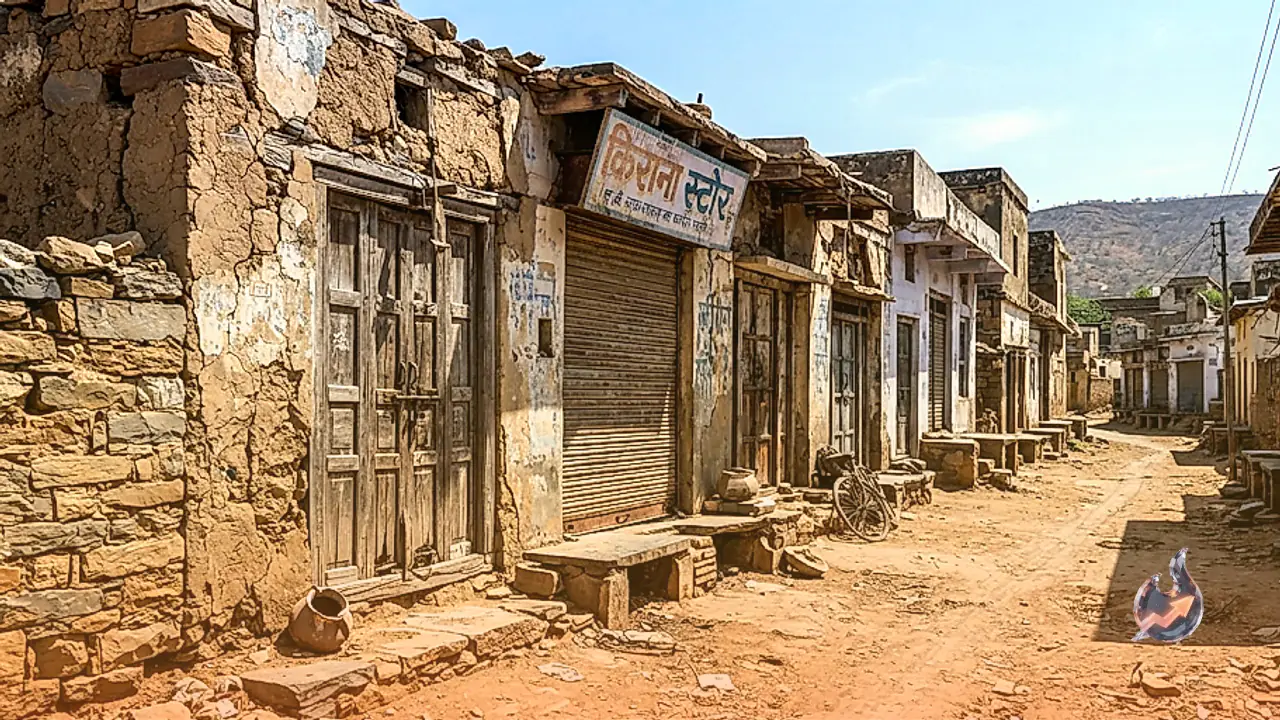

When people picture a traditional Indian village, they usually imagine bustling lanes, children playing outside, and elders gathering in the evenings. However, the reality of Somesar village in Rajasthan's Pali district stands in stark contrast to this idyllic image, greeting visitors with a heavy and profound silence instead of laughter.
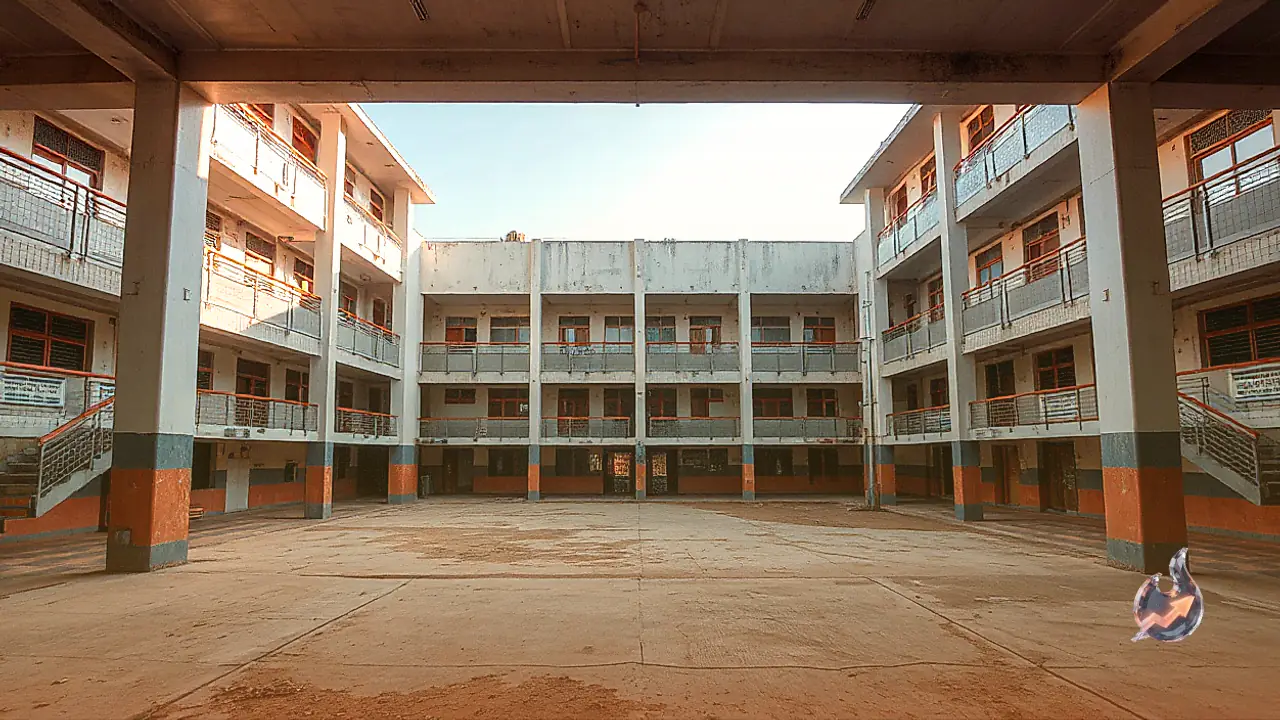
The most striking aspect of Somesar is that nearly 80 percent of its houses and shops remain permanently locked. In the main marketplace, eight out of every ten shops stay shut, and with no local means of employment, the settlement is gradually transforming into a desolate area where daily hustle and bustle belong strictly to the past.
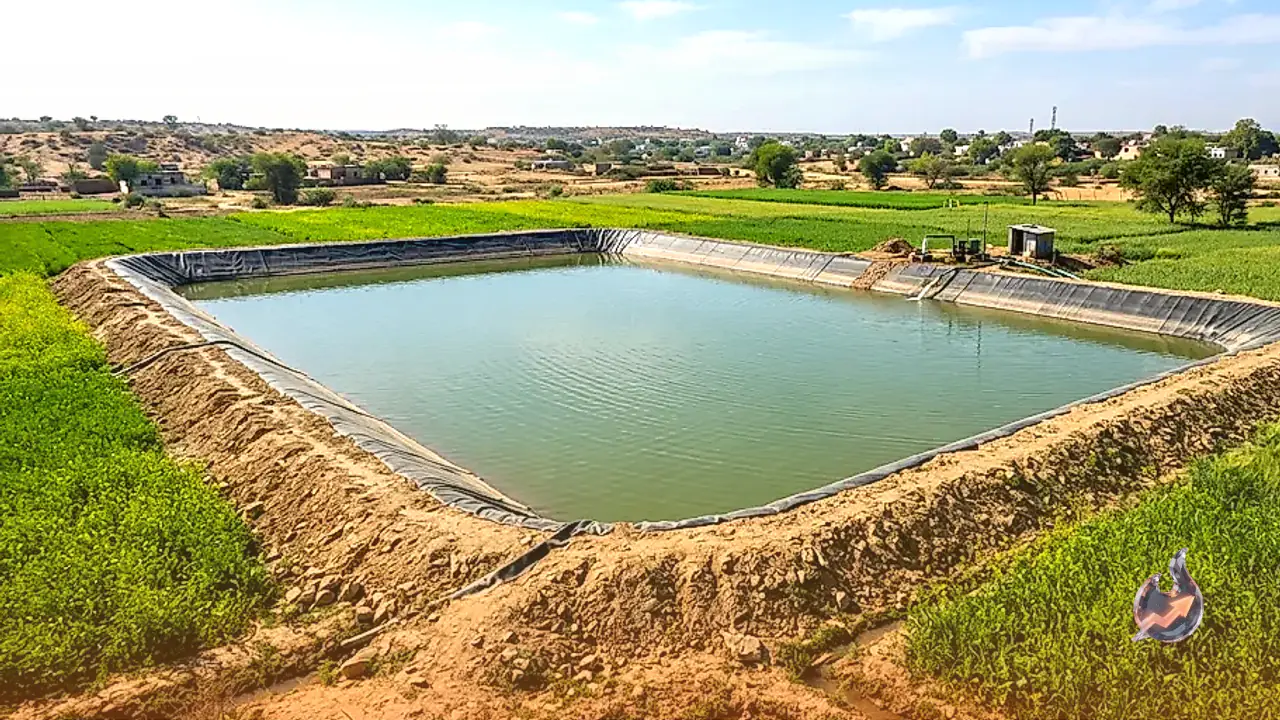
This severe desolation stems primarily from a decades-old water crisis and widespread joblessness. The village lacks irrigation water for farming as well as sweet drinking water for daily consumption, and the absence of any major industry or factory means residents have no local avenues to earn a living.
Faced with these harsh economic conditions, roughly 80 percent of Somesar's population has migrated in search of livelihoods. Families have relocated to major Indian metropolises including Mumbai, Pune, Bengaluru, Hyderabad, Chennai, Nashik, and Kerala, leaving behind a negligible working-age population and turning the settlement largely hollow from within.
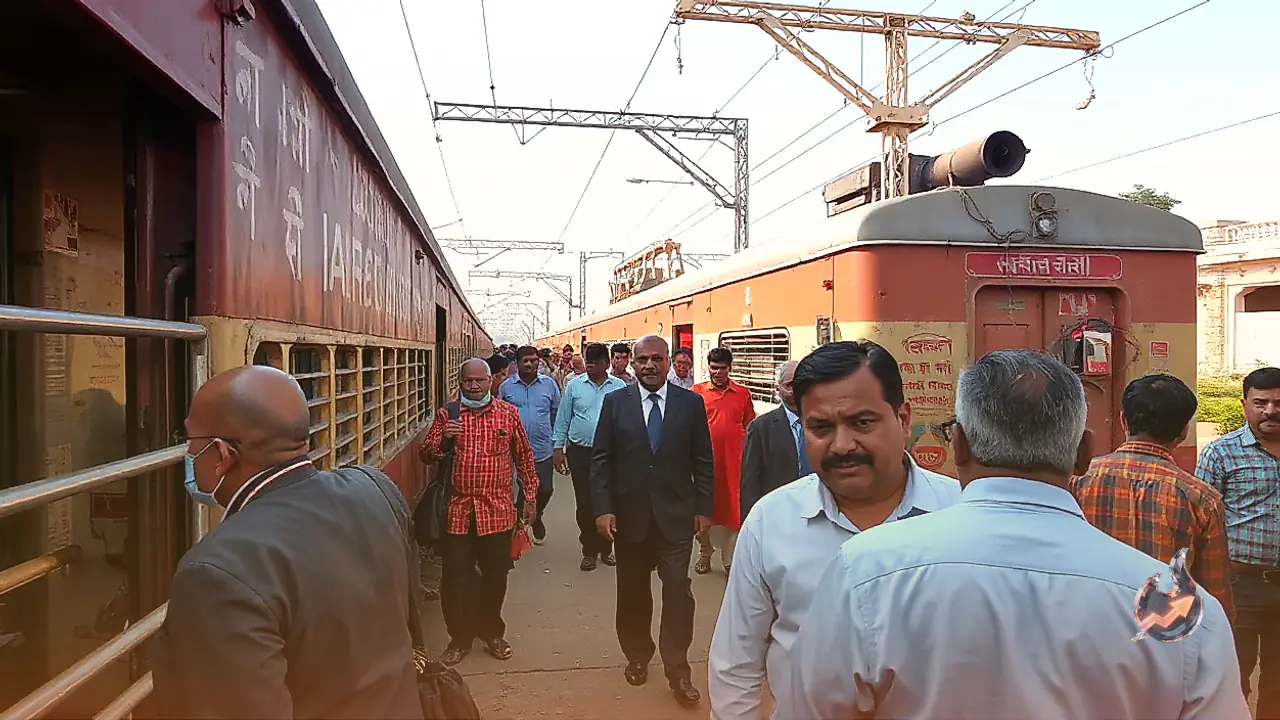
Amidst these overwhelming challenges, the local economy and remaining vitality of Somesar depend almost entirely on its railway station. Serving as a crucial junction for residents of about 120 surrounding villages, it handles daily travelers heading toward destinations like Mumbai, Pune, and Bengaluru due to direct train connections.
When trains halt at the Somesar railway station, passengers step onto the platform for a brief window to grab tea and snacks before continuing their journeys. Locals note that these few minutes of passenger activity are the sole reason a handful of shops manage to stay in business and keep the settlement's name alive.
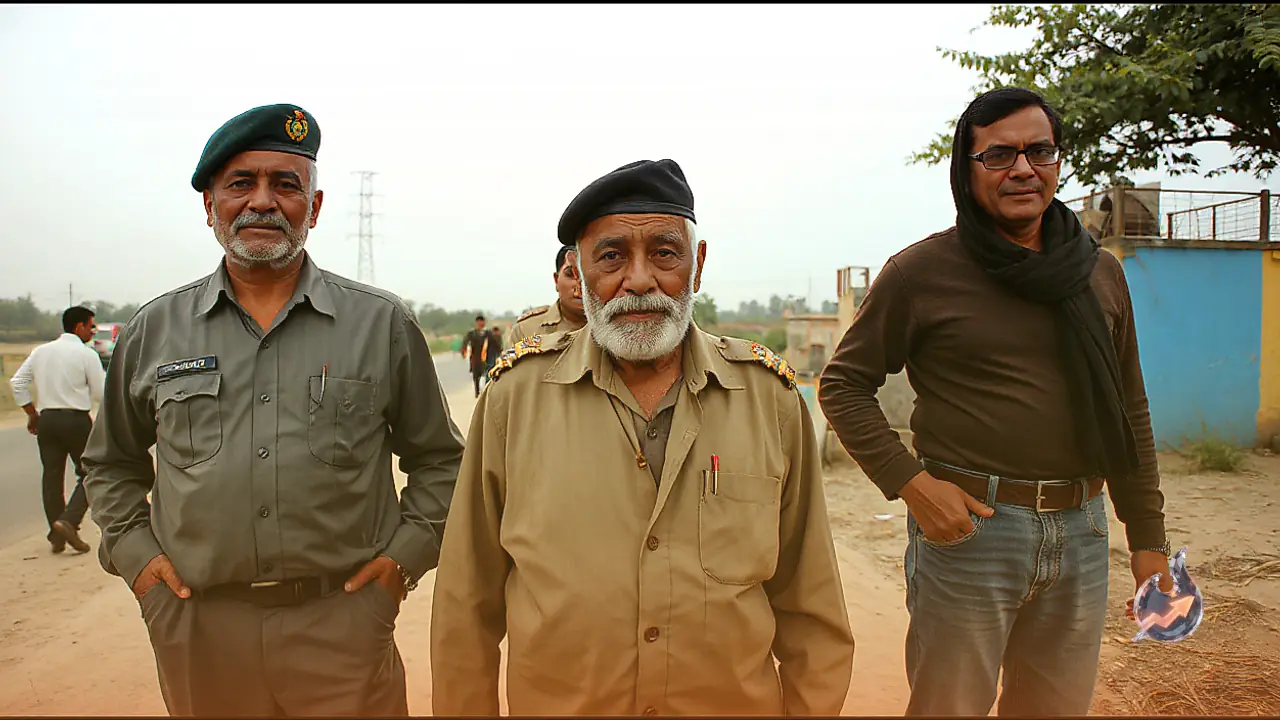
Hukamsingh Bhati, president of the Marwar Youth Committee, explains that many prominent Marwari businessmen running successful grocery, hardware, sweet, and clothing enterprises across major metropolitan cities originated from this very soil. When repeated droughts and erratic monsoons completely destroyed local agriculture, these families were forced to leave their homeland behind.
However, signs of change are beginning to emerge in the area. Through the efforts of Hukamsingh Bhati, the stoppage of major express trains such as those running to Mumbai and Pune has been successfully secured at the Somesar station, and he is now actively working to generate local employment opportunities so the migrating population can find reasons to return.