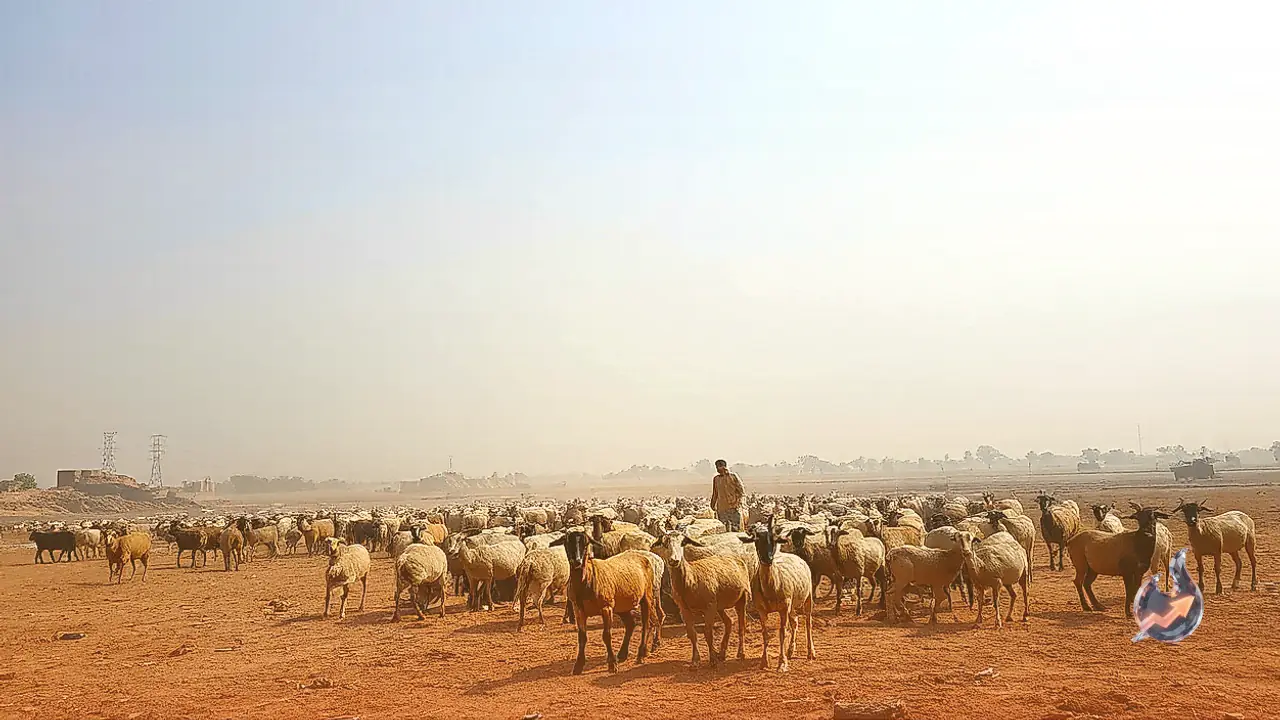

With the arrival of winter in Dholpur, the threat of various illnesses among sheep and goats has intensified significantly, with PPR disease emerging as one of the most severe health hazards. Commonly referred to as kata rog or goat plague in everyday language, this ailment spreads at an alarming pace and can easily engulf an entire animal herd starting from just a single infected animal. Livestock owners must remain extremely vigilant during this period, as timely vaccination stands out as the absolute best method to shield animals from this contagion. When sheep and goats contract the PPR infection, thick mucus or pus-like discharge begins to ooze from their eyes and nose.
Recognizing Symptoms and Health Complications
Infected animals frequently suffer from persistent coughing along with breathing difficulties, and in several instances, pneumonia-like symptoms also become visible. Furthermore, painful ulcers develop inside the mouths of the affected animals, particularly on their tongues and palates. These sores make chewing and swallowing fodder extremely agonizing for them, leading to a drastic drop in their food and water intake as they progressively grow weaker. As the disease advances to a more critical stage, sheep and goats start passing watery and foul-smelling droppings, with blood occasionally appearing in the stool. This continuous diarrhea results in severe dehydration within the animals' bodies.
Critical Care and Prevention Protocols
Without prompt medical intervention, their condition can deteriorate rapidly and even lead to mortality, making it vital never to ignore such warning signs in livestock. Because PPR is fundamentally a viral disease lacking any specific antiviral cure, initiating treatment immediately based on visible symptoms is mandatory. Owners must isolate the sick sheep and goats away from the healthy ones without delay. Additionally, regular sanitation of animal sheds using phenyl or other appropriate disinfectants is necessary to halt the transmission of the infection to other animals. Veterinary doctors advise that sheep and goats older than three months should be vaccinated against PPR to build immunity.
Vaccination Guidelines and Department Support
Under the standard immunization schedule, this particular vaccine is administered once every three years. The animal husbandry department is actively facilitating PPR vaccinations across various veterinary centers. Livestock owners are therefore urged to get in touch with their nearest veterinary facility to ensure their sheep and goats receive the protective shot on time. Exercising caution and adhering to timely vaccination schedules during the winter season can successfully safeguard livestock from this lethal affliction.