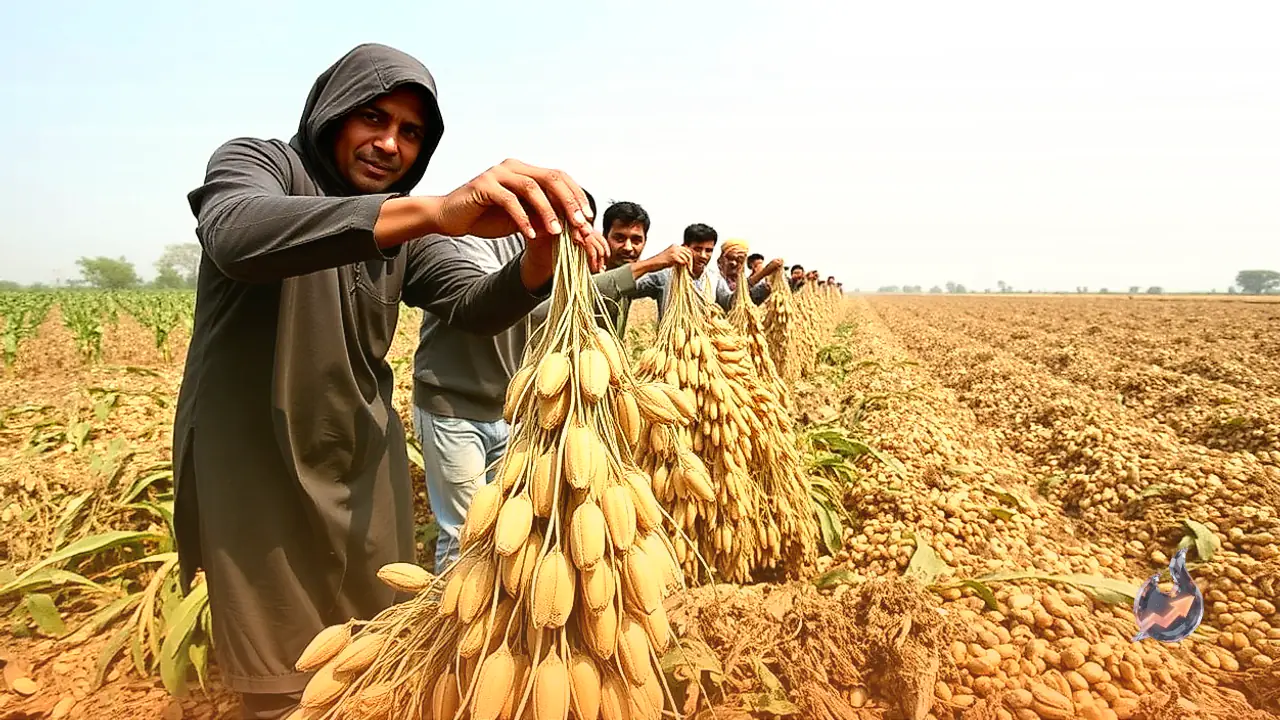




















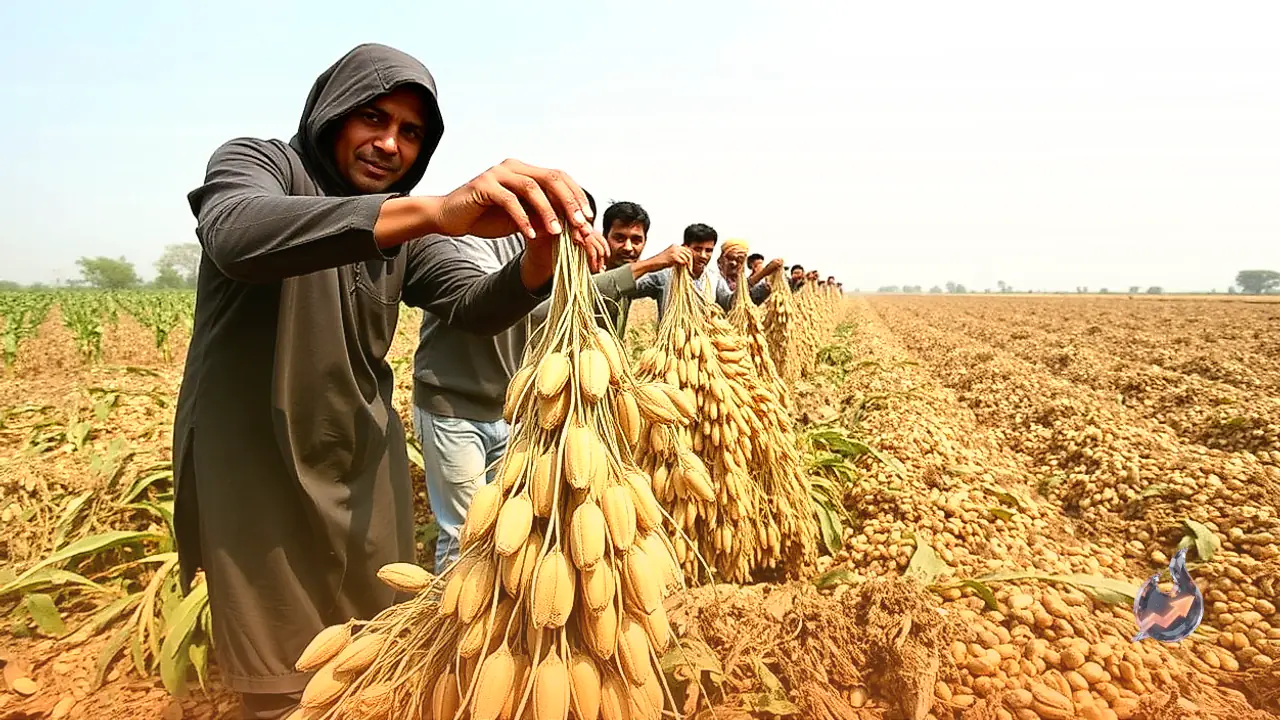

Across the rural stretches of Bhilwara, groundnut fields are reaching maturity, prompting farmers to step into their fields to begin digging and harvesting operations. After securing a bountiful harvest, the primary objective for growers is bringing the crop out of the soil safely so that the physical texture and market value of the kernels remain entirely uncompromised. Any slight oversight or haste during harvesting can cause the pods to crack or invite spoilage due to excessive moisture retention within the pods. For this reason, taking time to inspect the exact condition of the standing crop before digging begins is considered an essential farming practice.
Evaluating Soil Moisture Before Digging Out Plants
Checking the moisture level of the field soil stands as the primary requirement prior to lifting groundnut plants from the ground. If the field is allowed to turn overly dry and hard, pulling the plants becomes physically difficult, causing numerous pods to detach from the stems and remain buried in the hard dirt. Conversely, harvesting in excessively wet or muddy soil presents a different complication, as thick clods of wet earth stick tightly to the pods, significantly prolonging the post-harvest drying timeline. Farmers are therefore advised to carry out digging strictly when the soil holds an optimal balance of workable moisture, allowing plants to emerge smoothly with their cluster of pods intact.
Identifying Crop Maturity and Scheduling Harvest Time
Fixing the precise timing for harvest plays a decisive role in preserving the quality of groundnuts. Growers can determine whether the crop is fully mature by closely examining the plants in the field. As groundnuts reach maturity, visible changes emerge in the color of the outer shell and the firm development of the seeds inside. If the plants are uprooted prematurely, the seeds remain underdeveloped and shriveled, which reduces the total yield and overall weight. Delaying the operation for too long carries equal risks, as overripe pods weaken at the pegs and break away underground during pulling. Digging operations should thus be initiated solely after confirming proper maturity across the plot.
Proper Post-Harvest Drying Methods and Field Handling
Transporting freshly dug plants directly into storage containers or warehouses without adequate drying poses a severe threat to grain safety. Freshly harvested groundnuts retain substantial moisture, and sealing them away immediately creates an ideal environment for mold formation and kernel degradation. Plants need to be spread out in a clean, elevated, and dry outdoor area where they can receive sufficient exposure to natural air circulation and sunlight. Any dried clods of dirt clinging to the pods must be carefully brushed off without cracking the shells. Rather than exposing the crop to harsh drying extremes or improper piling, farmers should adjust the curing process in alignment with atmospheric weather and actual pod moisture.
Sorting Damaged Pods and Securing Dry Storage
Gentle handling of the harvested crop remains necessary throughout the processing stage to ensure shells do not fracture and seeds suffer no internal bruising. When gathering the harvested vines, workers must avoid applying heavy downward force or dragging piles along rough ground surfaces. Conducting an immediate sorting to remove rotten, discolored, or broken pods is recommended so that clean, healthy stock remains protected from contamination. Only after the pods have achieved complete dryness should they be cleaned and moved into their permanent resting place. The chosen storage facility must remain clean, well-aerated, dry, and thoroughly shielded from dampness.
Planning Ahead for the Subsequent Crop Cycle
As groundnut harvesting draws to a close, farmers can seamlessly transition their attention toward preparing the land for the upcoming agricultural cycle. Clearing remaining plant debris from the plot and evaluating the condition of the topsoil allows growers to map out the cultivation tasks required for their next crop. Carefully setting aside and preserving the premium, undamaged pods harvested during this phase minimizes financial losses and safeguards seed quality. Agricultural planning should take into account local weather forecasts, residual soil moisture, and regional agronomic advisories. Timely lifting, systematic drying, and dry storage collectively guarantee that the overall grade and commercial value of groundnuts remain intact.