






















Traditional Ayurvedic medicine has historically relied on a diverse range of naturally growing herbs to address common physiological ailments. Among these wild plants, Gokshura, frequently found along agricultural fields and open rural grounds, holds a notable reputation for managing urinary system complications. Vaidya Vishnu Dutt Prajapati explains that Gokshura has traditionally been administered to relieve painful burning sensations during urination and related urinary tract issues. Within traditional medicine, different botanical parts of the plant are utilized for specific therapeutic formulations.
Application in Kidney Stones and Recommended Dosage
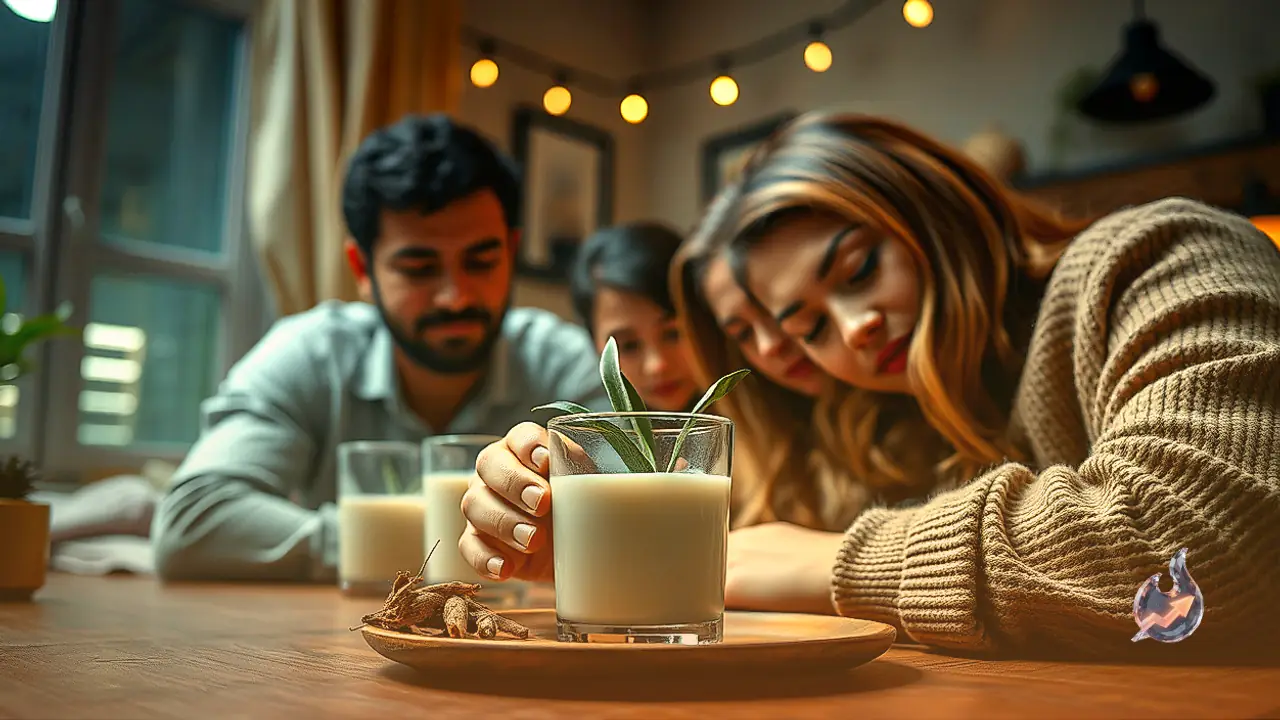
Beyond general urinary discomfort, Vaidya Vishnu Dutt Prajapati notes that Gokshura is also traditionally employed in cases of kidney stones. However, relying strictly on home-based self-treatment for renal conditions carries significant health risks. Anyone experiencing stone-related complications must consult a qualified doctor or practitioner before starting any herbal regimen. Traditionally, the powdered form of Gokshura is taken in quantities of 3 to 5 grams twice daily, ingested with either water or milk during morning and evening hours. Because appropriate dosage varies significantly based on an individual's age, physical condition, and the specific stage of illness, personalized professional advice is indispensable.
Habitat Availability and Important Safety Precautions
The local climate and environmental conditions in Gonda and adjacent rural territories create a favorable ecosystem for diverse medicinal plants, making Gokshura readily available across the countryside. Vaidya Vishnu Dutt Prajapati emphasizes that prior to utilizing any wild plant, proper botanical identification and an accurate understanding of its medicinal properties are crucial. He cautions that pregnant women, children, elderly individuals, and patients already on long-term medications must strictly avoid consuming Gokshura without qualified medical supervision. Unsupervised herbal intake can lead to adverse complications rather than therapeutic benefits.