














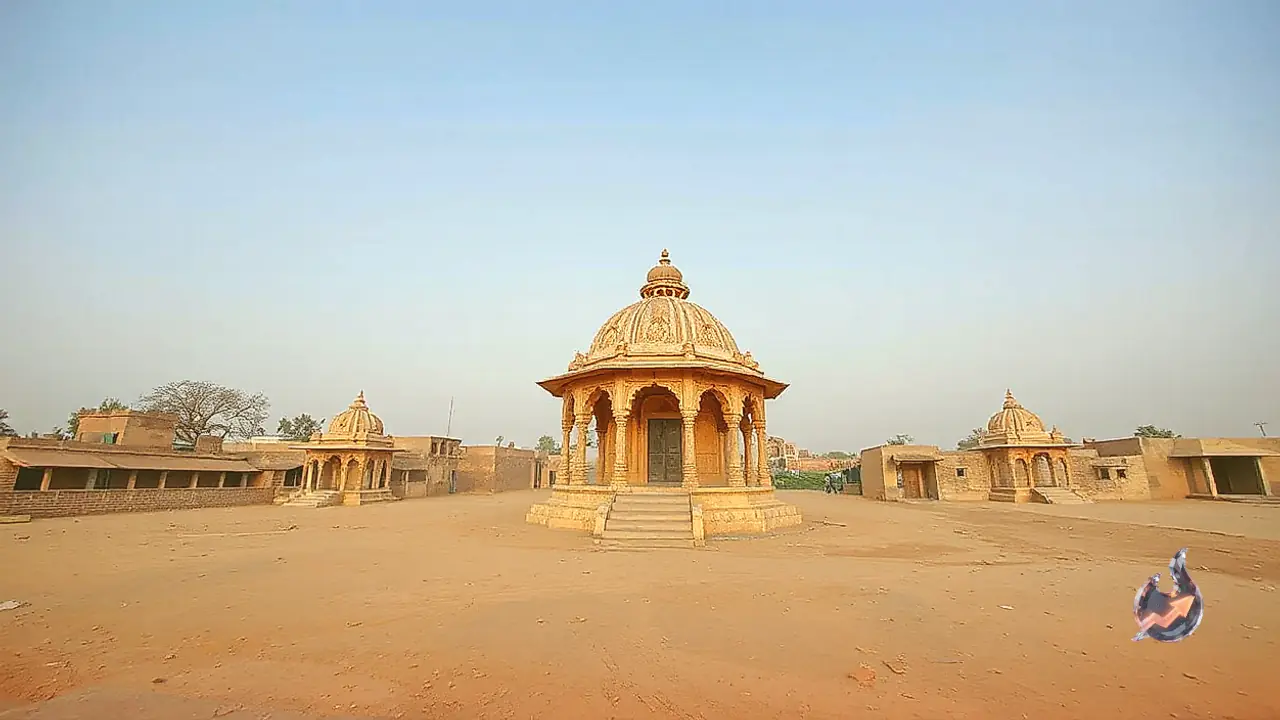

Hathal village, situated in the Sirohi district of Rajasthan, has carved an enduring identity on the spiritual map through its extraordinary temple architecture and ancient lineage. Located approximately 15 kilometres from the town of Revdar, near Anadra at the foothills of Mount Abu, this sacred destination represents one of the exceptionally rare temples dedicated to Lord Brahma outside Pushkar. The sanctum draws steady streams of pilgrims and curious travellers owing to its prominent lotus-inspired elevation, setting it apart as an architectural landmark in western India.
A 1,400-Year Chronicle Inscribed in Stone
Historical assessments trace the origins of this shrine back roughly 1,400 years. An ancient inscriptional tablet preserved on the premises documents that the primary consecration of the temple took place in Vikram Samvat 798, which corresponds to approximately 741 CE. Subsequent historical records indicate that in the year 1231 CE, major religious rituals were conducted here alongside an extensive physical expansion of the complex. Across subsequent centuries, incursions by foreign invaders inflicted severe physical destruction upon the site. In later years, German archaeologists and international heritage experts visited Hathal village to examine the remaining structural ruins. With prolonged periods of neglect, the historic monument had fallen into an advanced state of dilapidation.
Community Determination and a Fifteen-Year Rebuilding Effort
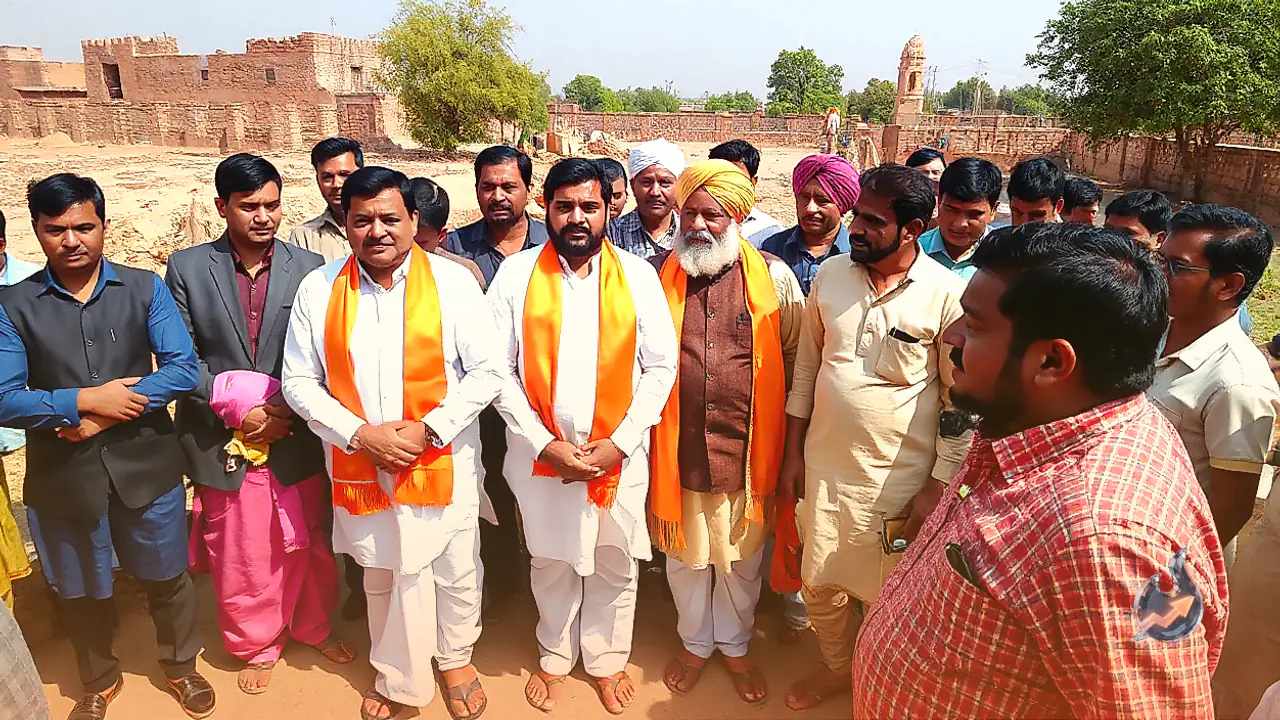
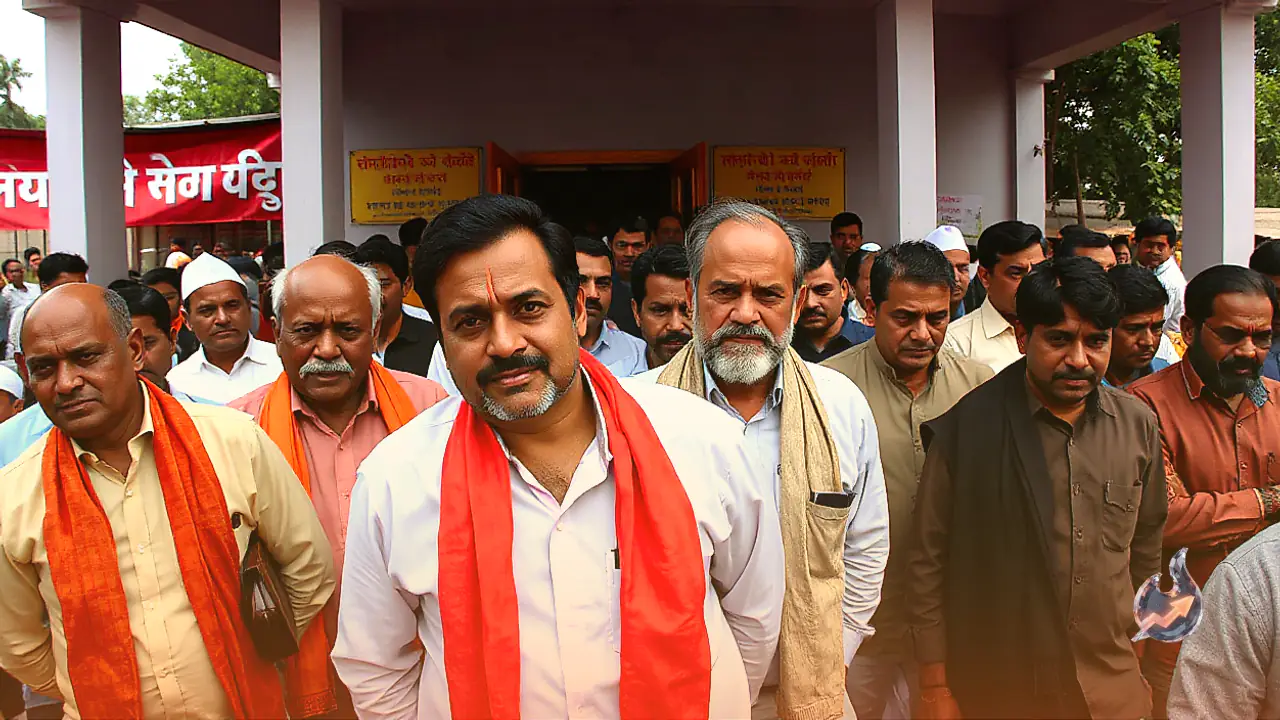
The movement to restore this cultural treasure began from the grassroots. According to local devotee Pooran Singh, youths from Hathal and neighbouring villages resolved to revive the heritage site and formed the Shri Brahmaji Mandir Jirnoddhar Samiti. Driven entirely by public support and collective contributions, reconstruction work commenced on November 27, 1995. Following 15 years of dedicated restoration labour, the grand newly reconstructed temple was brought to completion and formally reopened to worshippers on May 20, 2010.
Fifty-One-Foot Lotus Architecture and the Five Deities
The defining visual element of the restored shrine is its 51-foot-tall superstructure designed in the shape of a blooming lotus blossom. Built in strict accordance with classical Vastu Shastra principles, the central sanctum houses the murti of Lord Brahma, while smaller adjacent shrines within the complex enshrine Lord Vishnu, Lord Shiva, Mata Gayatri, and Surya Dev. This layout permits visiting devotees to pay homage to the Tridev and Panchdev within a single courtyard. The grounds feature a well-tended garden along with dharamshala lodging facilities established for visiting travellers from afar. Alongside daily rituals and traditional havan fire offerings, the complex hosts recurring meditation retreats and various community welfare initiatives.