
















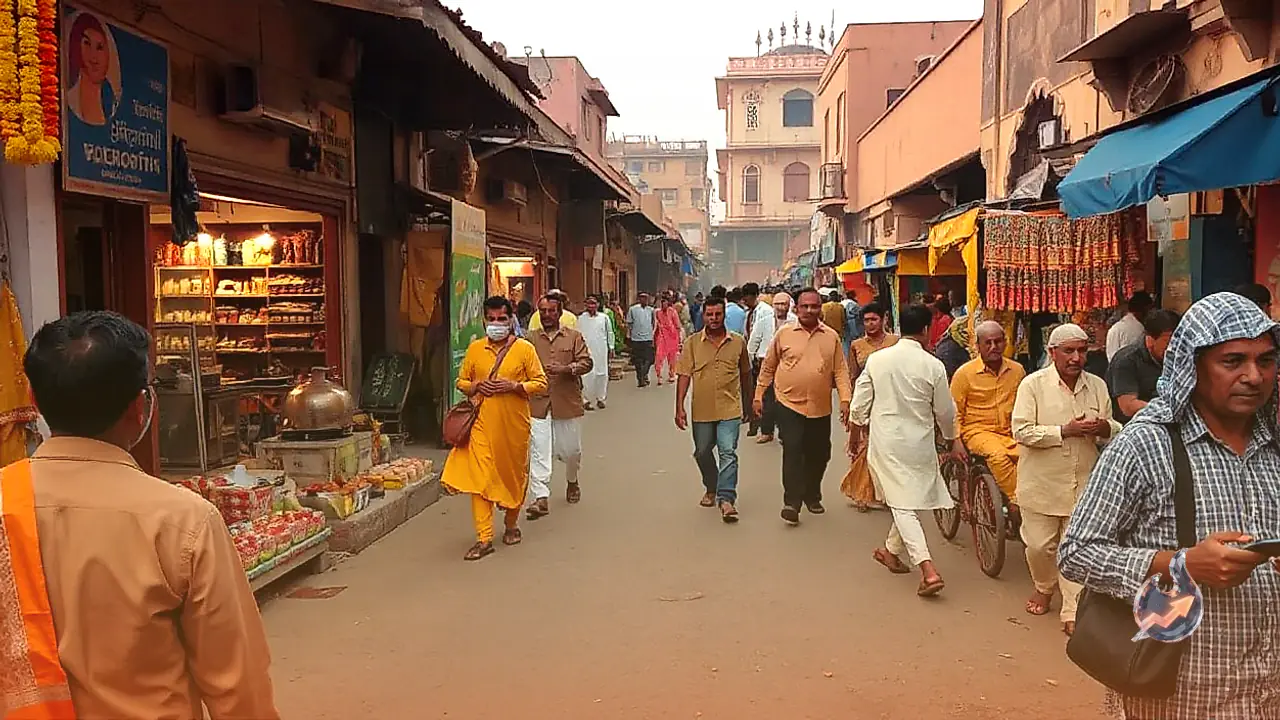

While Diwali is widely celebrated as a festival of lights and joy, for merchant communities it represents the sacred dawn of a brand-new commercial year. In Rajasthan's capital city Jaipur, the centuries-old custom of Chopda Pujan, also known as the veneration of financial account books, continues to be observed with deep devotion and lively enthusiasm. Commercial traders invoke the blessings of Lord Ganesha and Goddess Lakshmi before commencing their fresh accounting records. Although day-to-day transaction methods have witnessed massive transformation over the decades, the faith, reverence, and cultural devotion of business owners remain as steadfast as ever.
Setting the Ceremonial Platter with Pen and Inkwell in Auspicious Hours
Throughout the historic bazaars and traditional commercial establishments of Jaipur, traders show exceptional fervour when organising Chopda Pujan. Shopkeepers and business owners arrange ritual plates, classic pen-and-inkwell sets, and fresh account books on their desks to conduct time-tested rituals. Sacred prayers are dedicated to Lord Ganesha and Goddess Lakshmi, wishing for peace, harmony, and commercial prosperity for both family and enterprise. Business owners place tremendous value on beginning their financial calendars within an astrologically auspicious window, seeking steady growth, divine protection, and thriving trade throughout the coming months.
Saffron Swastika Marks the Beginning of Fresh Accounting Registers
Far beyond a conventional religious rite, Chopda Pujan stands as a cornerstone of Indian mercantile ethos. Following customary practices, entrepreneurs formally close all outstanding tallies and calculations from the departing year before opening new balance books. A sacred Swastika sign is carefully drawn on the inaugural page of each fresh register using saffron or vermilion, accompanied by the inscription of Shubha-Labha, signifying auspiciousness and profit. Once these markings are prepared, rituals to honour Goddess Lakshmi and Lord Ganesha take place. Historically, merchants performed these blessings over physical general journals, ledgers, and cashbooks, passing the practice down unbroken through family lineages.
From Red-Cloth Ledgers to Laptops and Digital Workstations
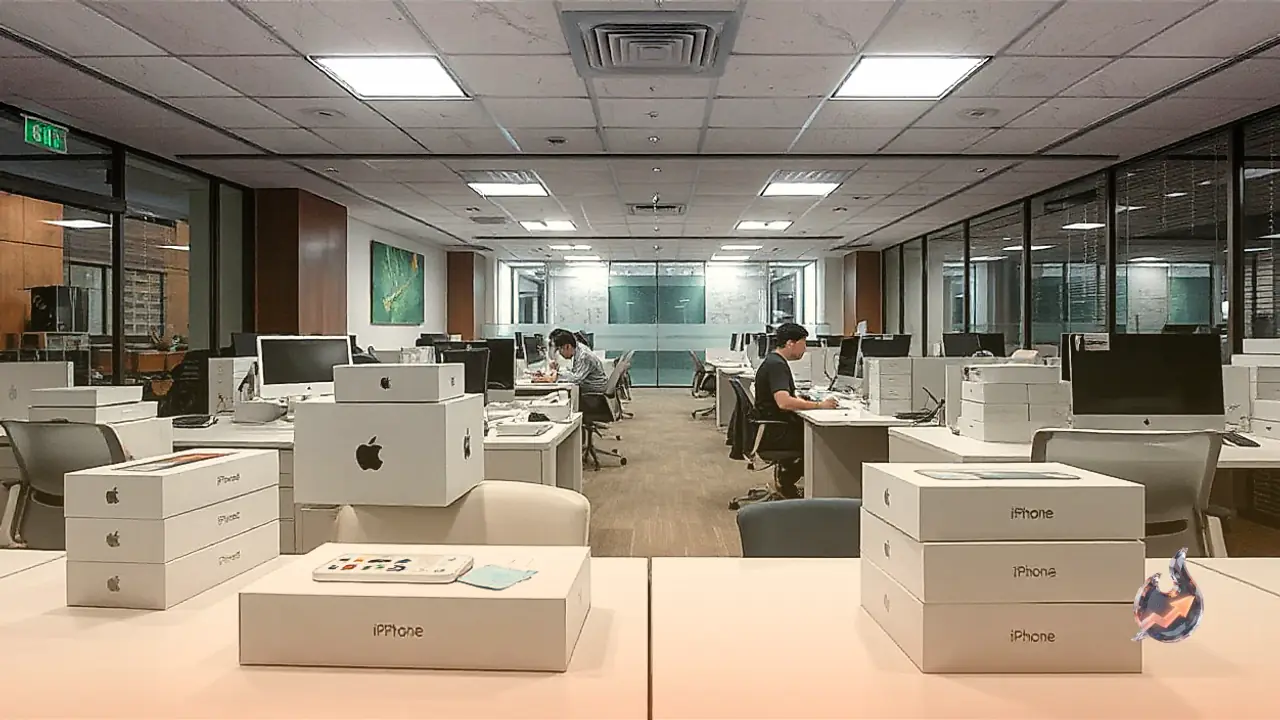
The operational landscape of modern commerce has experienced a fundamental transformation. Decades ago, merchants diligently entered every debit and credit by hand into thick registers bound in symbolic red fabric. In contemporary offices, those physical ledgers have largely been supplanted by desktop computers, laptops, and automated digital accounting solutions. Yet, the advent of microchips has not diminished the sanctity of Chopda Pujan in the slightest. Businesspersons now place sacred marks on their electronic terminals, laptops, and billing systems during the ceremony. By harmonising digital devices with ancestral rites, the business community continues to honor its heritage alongside state-of-the-art tools.
Bridging Generations by Passing Commercial Heritage to the Youth
Within long-standing merchant households of Jaipur, Chopda Pujan carries a profound emotional legacy. Senior family members and young entrepreneurs sit side by side during the rituals inside their firms. This close family involvement enables the younger generation to absorb their community's commercial heritage, trade ethics, and foundational values. Despite navigating the technological leap from handwritten parchment registers to complex digital spreadsheets, Jaipur's merchant community keeps its traditional legacy intact. This deep-rooted grounding ensures that Chopda Pujan remains a distinctive hallmark of traditional commerce in an increasingly automated world.