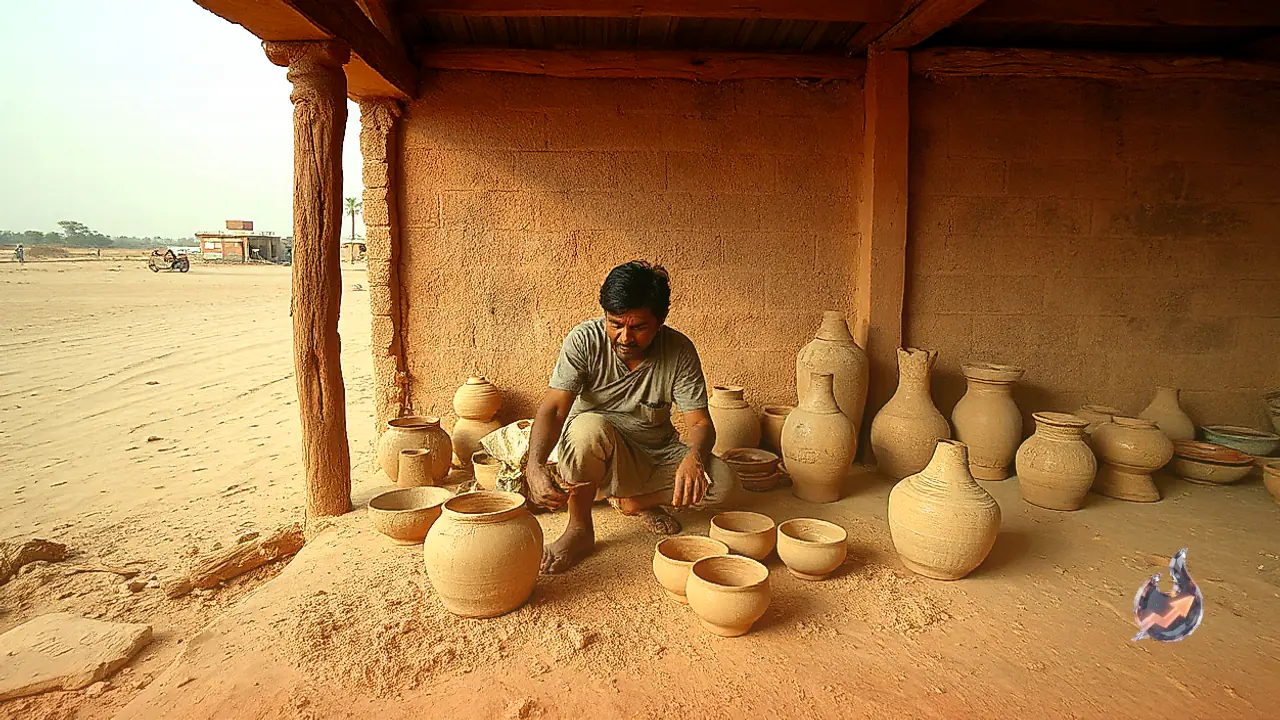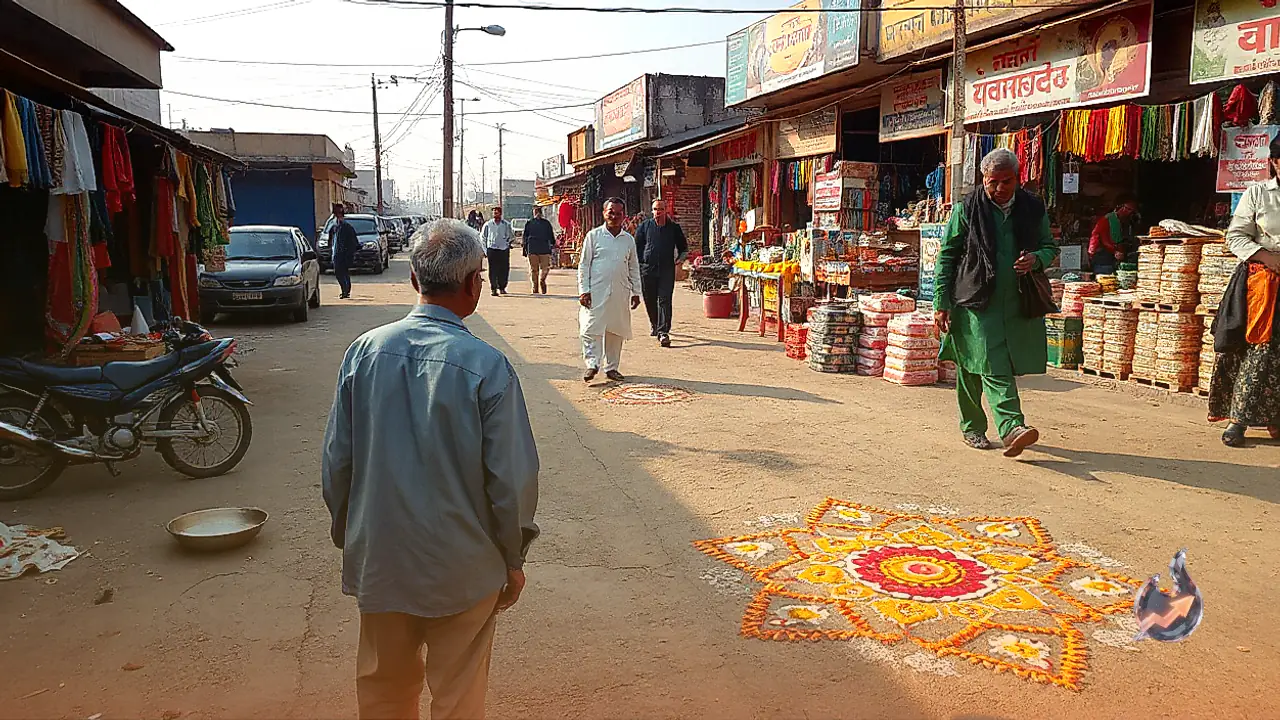





















With the festive season underway and Diwali just around the corner, marketplaces are buzzing with shoppers looking to decorate their homes. For residents seeking an eco-friendly and sustainable celebration, a dedicated seasonal market has come up at Gram Nala in Jamshedpur. Skilled craftsmen hailing from the well-known Chandankyari region of Jharkhand have arrived with intricately designed miniature houses, locally known as gharondas, sculpted entirely out of Ganga clay.
Multi-Tiered Designs Starting at Rs 200
The standout feature of these miniature houses is their completely pure clay construction, making them a natural centerpiece for festive home decoration as well as an engaging traditional element for children. Prices at this market begin at a modest Rs 200. Shoppers can choose from single-storey models up to elaborate four-storey structures depending on their aesthetic preferences and household budget.
Handcrafted Clay Diyas and Festive Decor
Alongside the decorative clay houses, the stallholders offer an array of earthen lamps and diverse festive home embellishments. The refined detailing and traditional craftsmanship have turned the market into a major draw for visitors. For families keen on preserving authentic festive customs, these clay items serve as an accessible and visually appealing choice.
Year-Round Dedication of Chandankyari Craftsmen
Subodh, one of the craftsmen from Chandankyari, shared that his family spends the entire year creating earthen products. The demand for these handcrafted miniature dwellings rises significantly around Diwali, and the residents of Jamshedpur have shown strong appreciation for their work. Each piece requires meticulous manual effort and steady precision to ensure the finished house is not only visually pleasing but also sturdy enough to handle.
Choosing Natural Clay Over Plastic and Thermocol
Subodh observed that while modern markets are flooded with cheap plastic and thermocol alternatives, traditional clay pieces retain an unmatched cultural authenticity. He urged parents to introduce children to natural clay gharondas rather than synthetic substitutes, noting that such choices help youngsters connect directly with their cultural heritage while supporting the livelihoods of traditional artisans. Embracing these natural clay pieces helps households maintain environmental consciousness while extending meaningful support to local cottage craftsmanship.