


















The outcomes of the local body elections in Rajasthan went far beyond simple wins and losses for political parties, bringing to light various fascinating, astonishing, and emotional incidents that captured public attention far more than standard statistics. In several places, Kinnar candidates carved out a unique identity by securing victories, while in others, margins of just one or two votes determined the ultimate winner. Independent contenders pulled off major upsets against heavyweights from major political parties in multiple wards. While tragedy struck a winning family just a day after the results, some candidates failed to garner even as many votes as the members of their own immediate families.
The Rise of Gen-Z and Young Faces
The triumph of young Gen-Z faces also remained a major talking point throughout these results. In Thanagazi and Ajmer, young female candidates secured victories, marking a fresh entry for the younger generation into active politics. Meanwhile, strong showings by independent candidates across regions like Bharatpur, Deeg, and Dholpur demonstrated the deep influence of local equations. These outcomes clearly established that in local elections, alongside party symbols, individual public standing, personal connect, social dynamics, and hyper-local ward issues play a massive role in shaping the final results.
Meenu Kinnar's Landmark Win in Lalsot
In Ward 34 of Lalsot, Meenu Kinnar secured a notable victory running on a Bharatiya Janata Party ticket. Popularly known among locals as 'Buaji', Meenu initially filed her nomination as an independent candidate before receiving the official party ticket. Her electoral contest drew heightened attention following a controversial remark made by a former minister during the campaigning phase. Ultimately, Meenu clinched the seat, marking a powerful presence for the Kinnar community in grassroots governance.
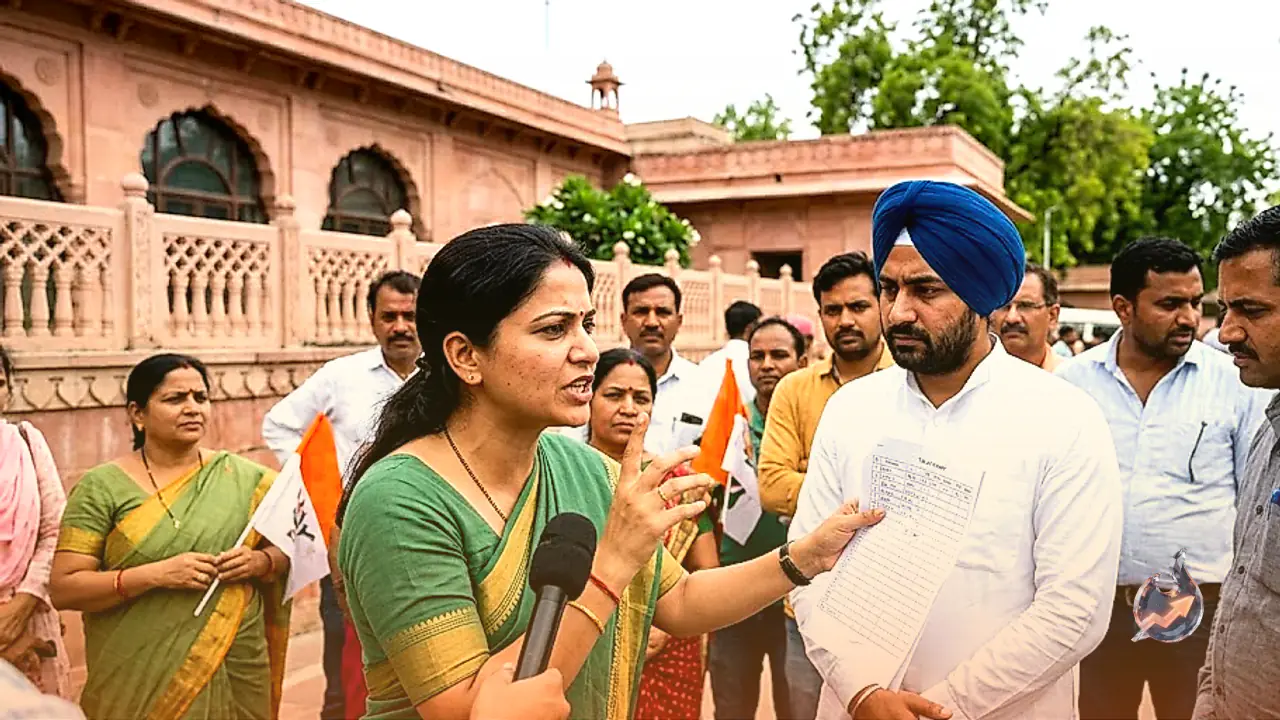
Pooja Bai Wins by Two Votes in LunsarThe election result in Ward 22 of Lunsar proved to be exceptionally gripping. Here, Pooja Bai Kinnar, running on a Congress ticket, defeated her BJP opponent Brijlal Puri by a margin of just two votes. The most striking detail of this contest was that the entire municipality officially lists only two transgender voters, both of whom reside in Ward 26. Thus, while Pooja Bai's victory came by a mere two-vote margin, its symbolic message resonated loudly across the entire region.
A Single Vote Flips the Outcome
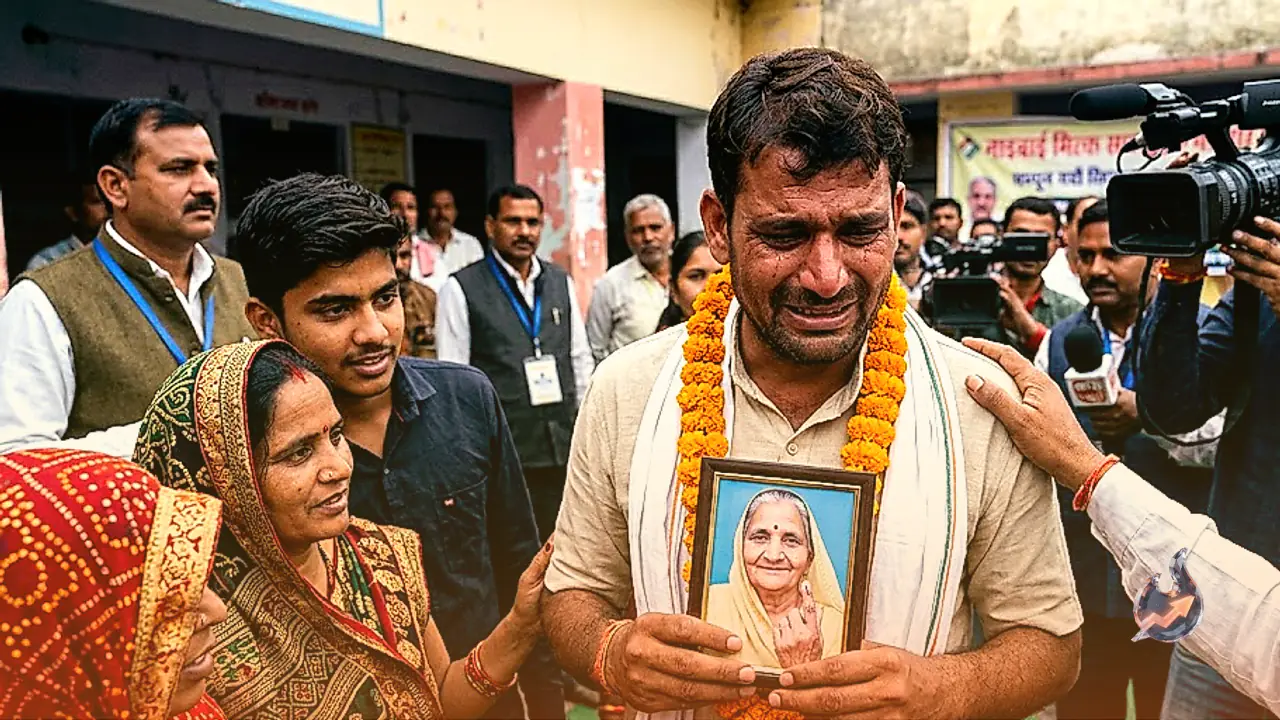
In Ward 6 of Nadbai, the contest was so fiercely contested that a solitary vote altered the entire outcome. Independent candidate Jagdish Prasad secured 151 votes, narrowly edging past BJP's Ramsharan who received 150 votes. However, a deeply emotional twist accompanied this victory; Jagdish Prasad's mother passed away just a day after the polling concluded, leaving the victory achieved through her final vote as a widely discussed topic throughout the neighborhood.
Candidates Receiving Only a Single Vote
Electoral outcomes in Didwana-Kuchaman and Sri Dungargarh, among other areas, produced equally startling revelations. Certain candidates managed to secure just a single vote each. Instances even surfaced where candidates failed to receive expected support even from themselves or their immediate family members. These results exposed the raw ground realities of grassroots politics and the intricate micro-equations operating at the ward level.
Local Faces Outshine Party Symbols in Bharatpur Division
Across the Bharatpur, Deeg, and Dholpur divisions, the results once again underscored the immense strength of local factors. Out of 645 wards spanning 20 civic bodies across these three districts, the BJP secured 194 seats, the Congress won 117, and other candidates claimed 333 seats, with independents accounting for 331 winning contenders. In the Bharatpur Municipal Corporation, the BJP emerged as the single largest party with 20 seats, yet 36 out of the 65 total wards went to independents, making their role critical for the formation of the municipal board.
Young Talents Make Strong Political Debuts
The local body polls in Rajasthan also witnessed youth and Gen-Z candidates making formidable inroads. In numerous locations, candidates with a strong localized grassroots connection overshadowed heavyweights backed by major national parties. In Ward 6 of Thanagazi, 21-year-old Neha Sharma of the BJP won by a margin of 101 votes, accumulating a total of 262 votes. Similarly, in Ward 80 of Ajmer, 21-year-old Kashyapi Sankhla of the BJP achieved a stellar victory. A BTEC student contesting her first election, Kashyapi secured 3,323 votes and triumphed by a massive margin of 1,275 votes. The success of these young women underscored a forceful arrival of a new generation in municipal politics.
Conclusion and Electoral Takeaways
Looking at these diverse election results collectively, the underlying picture remains unmistakable. Urban voters are no longer constrained strictly by party symbols. An individual candidate's grassroots connect, localized issues, social alliances, and direct engagement with residents redirected the outcome in multiple constituencies. Whether through a groundbreaking victory by a Kinnar candidate, history being written by a two-vote margin, or a single vote deciding fate, these local elections will be remembered less for traditional party sweeps and far more for compelling micro-narratives and massive electoral upsets at the ward level.