






















Global energy markets find themselves in a precarious position once again as a strategic pipeline attack has triggered a sharp surge in crude oil prices worldwide. While no single faction has officially claimed responsibility for the strike, the event is widely seen as an extension of the ongoing geopolitical friction involving the United States and Iran. Tehran's broader strategy had heavily relied on squeezing transit routes to exert pressure, and although early market disruptions had temporarily leveled off, this latest escalation has upended expectations of stability.
Crude Oil Prices Breach Key Thresholds
International benchmark crude, which previously hovered between 80 and 90 dollars per barrel even after initial conflict erupted, has now climbed past the 100 dollar mark and touched 108 to 110 dollars. Domestic consumers in nations like India have yet to feel the direct pinch because retail fuel companies have maintained existing pump prices for now, but the underlying global environment is shifting rapidly. The renewed fear of expensive diesel and petrol is once again rippling across international economies.
The Strategic Importance of the East-West Pipeline
The turning point in the current crisis centers on the targeted sabotage of Saudi Arabia's primary East-West pipeline. Spanning approximately 1200 kilometers across the Arabian desert, the infrastructure originates from oil fields in Abqaiq near the Persian Gulf and terminates at the Red Sea port of Yanbu. This corridor was specifically built to bypass the volatile Strait of Hormuz, allowing crude to flow directly westward. When the Hormuz route faced restrictions, this pipeline carried between 4 and 5 million barrels of oil daily—accounting for roughly 4 percent of global supply—out of its total operational capacity of 7 million barrels per day.
Satellite Imagery Reveals Devastation
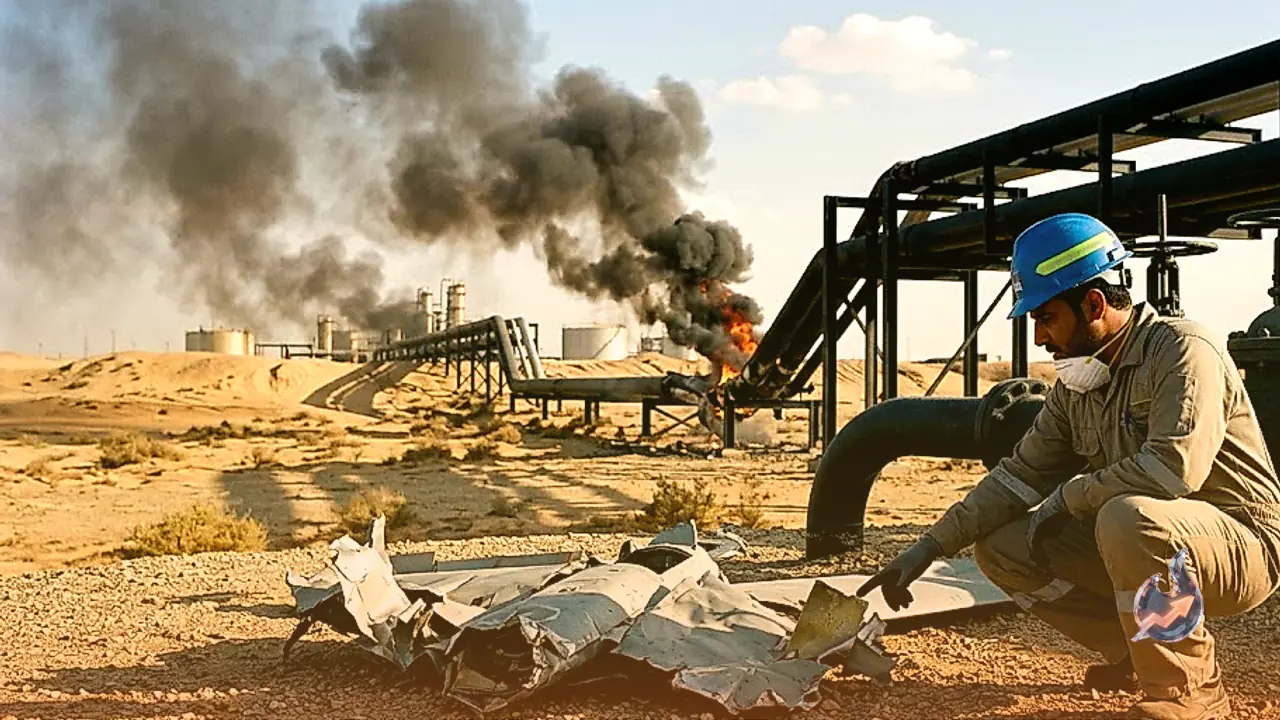
Pumping stations situated near Al-Masabah, southeast of Medina, sustained direct hits from multiple drones reportedly launched from the direction of Iraq. High-resolution satellite images reveal scorched earth and extensive fire damage surrounding the targeted facilities. The blasts injured personnel and forced authorities to completely halt operations along the entire corridor, cutting off a vital artery that sustained international energy distribution.
Regional Dynamics and Network of Alliances
Although no group has come forward to acknowledge the attack, analysts point to a wider network of regional actors backed by Tehran. From Houthi movements in Yemen launching persistent strikes to various armed factions operating across Iraq, Syria, and Lebanon, the collective pressure on Middle Eastern shipping and transit lanes continues to mount. This multi-front maneuvering has progressively narrowed export pathways from the Persian Gulf all the way to the Red Sea.
Resurgence of Market Panic
When hostilities first broke out in February, widespread panic gripped global trading floors over potential supply halts. Those fears had subsequently eased due to alternative overland pipelines operated by Saudi Arabia and the United Arab Emirates, leading markets to believe the worst had passed. However, the latest disruption has revived those exact anxieties, renewing fears that global energy security remains exceptionally vulnerable to sudden infrastructural sabotage.