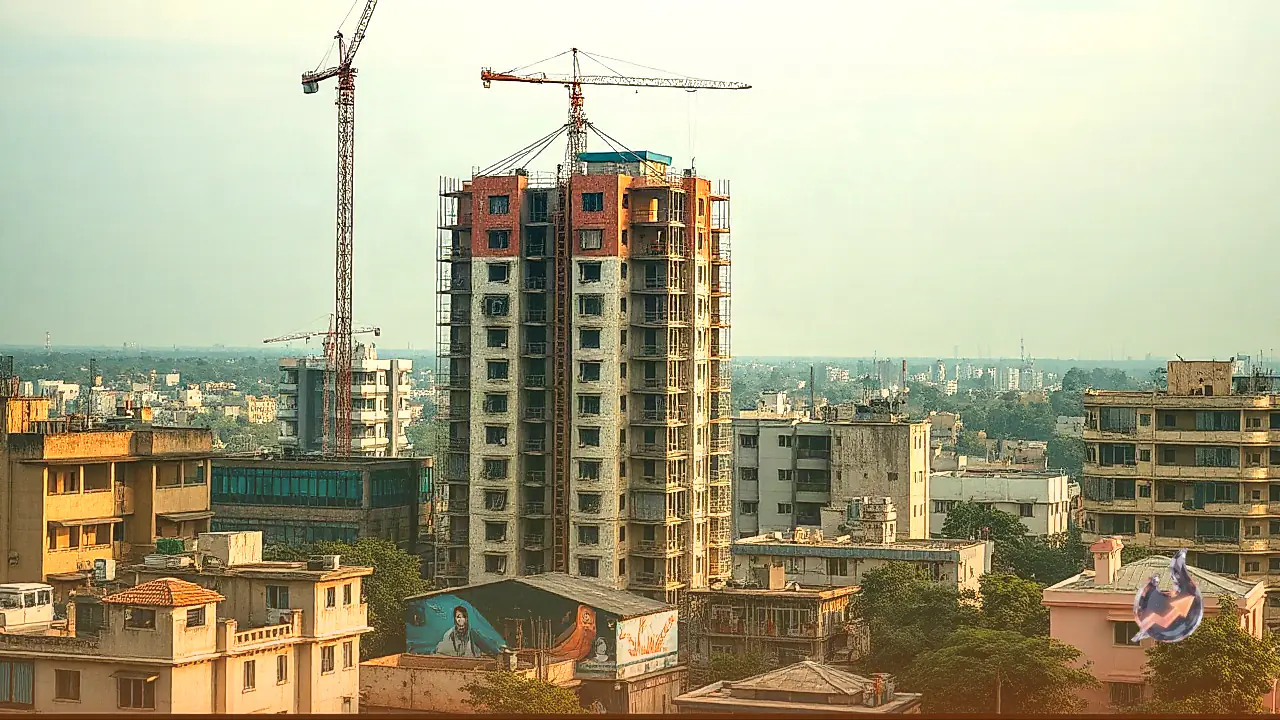

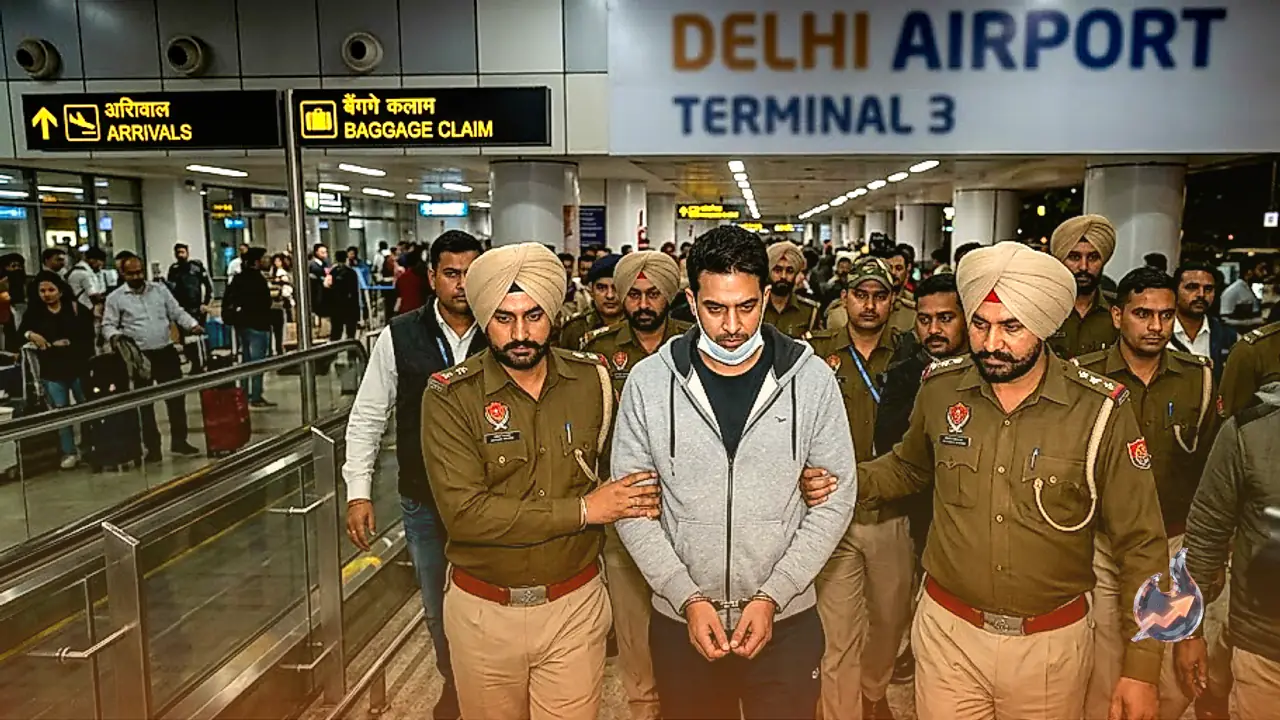


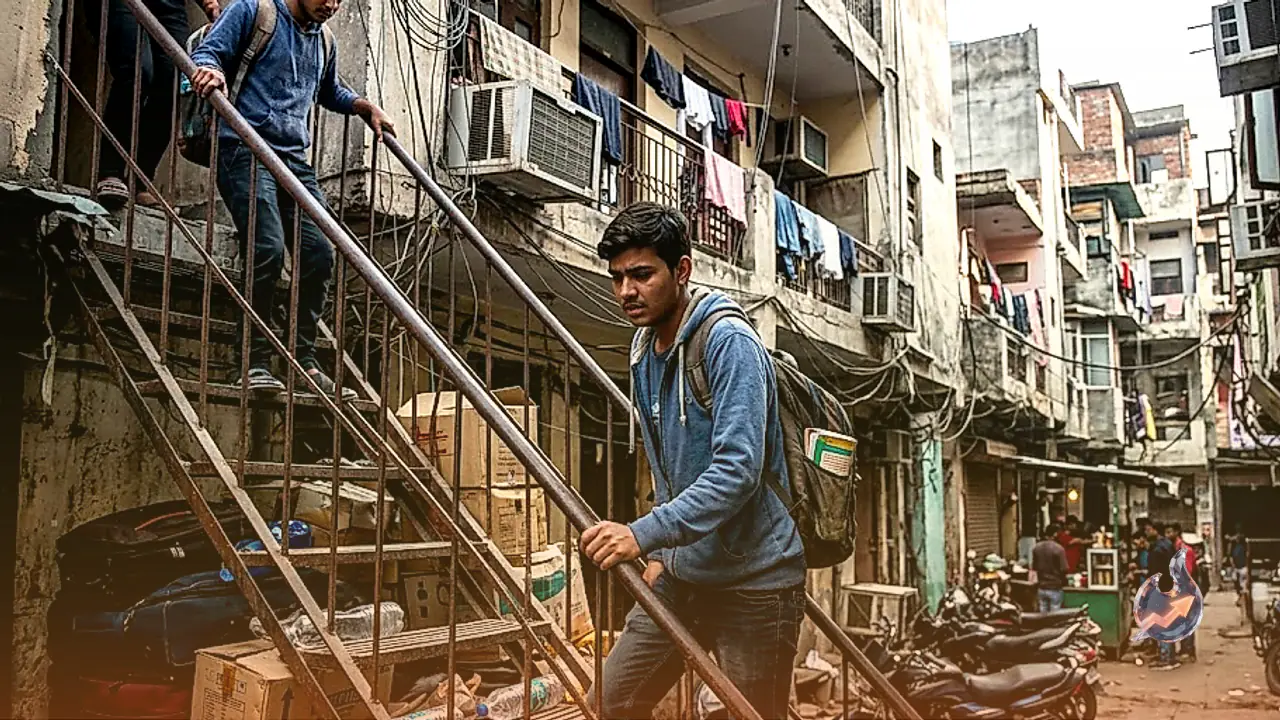


















Safety standards across student housing and paying guest accommodations in the national capital have come under intense scrutiny following a shocking municipal survey. The investigation was ordered immediately after a tragic building collapse at a boys' hostel in the Satya Niketan area claimed seven lives. The results compiled by the Municipal Corporation of Delhi have exposed a deeply unsettling reality regarding the infrastructure housing thousands of young scholars. According to the findings, approximately 99 percent of the operational paying guest facilities across the city are functioning entirely without mandatory fire safety clearances. Furthermore, nearly three out of every ten buildings lack even basic layout approvals from civic authorities, indicating that owners bypassed official sanctioning processes to raise multiple unauthorized floors.
Crackdown Prompted by High Court Intervention
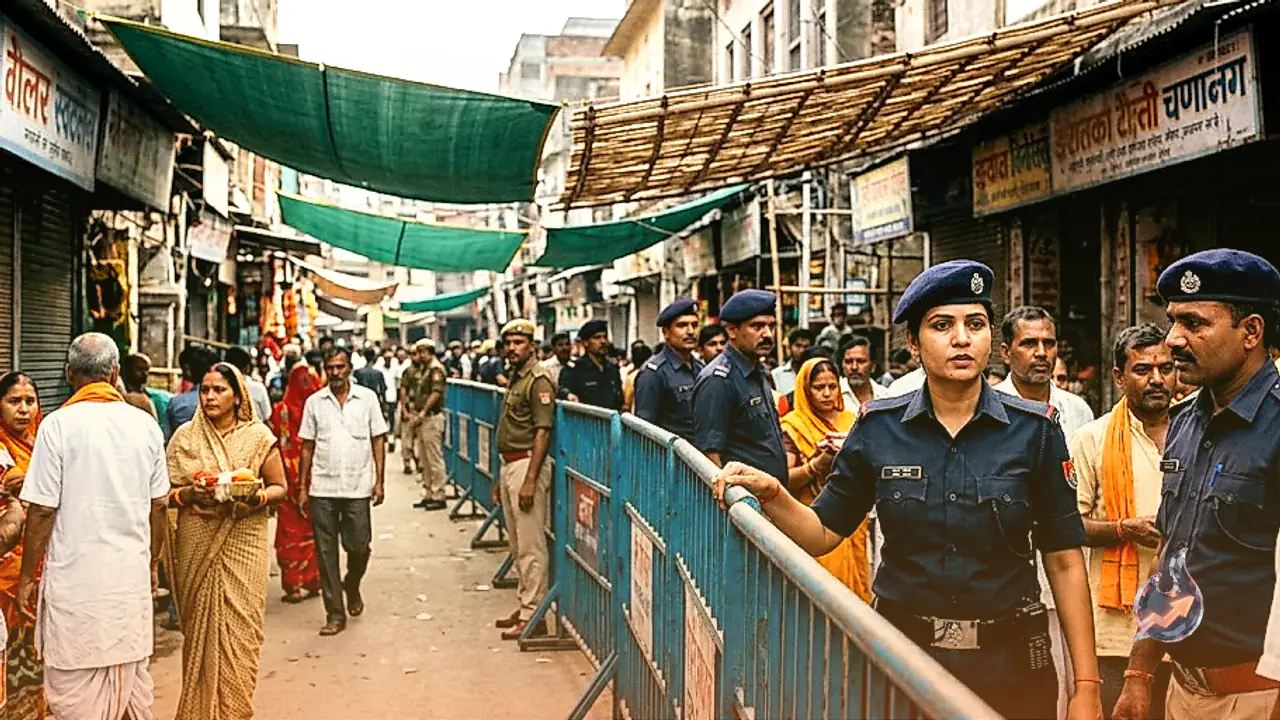
The swift release of these survey findings, coming merely a week after the Satya Niketan disaster, was propelled by strict directives from the Delhi High Court. The judiciary had expressed strong dissatisfaction over the initial laxity, prompting municipal authorities to initiate aggressive checks against illegal constructions across all twelve administrative zones. The verification drive scrutinized critical compliance parameters including structural stability certificates, occupancy certificates, and adherence to the Master Plan for Delhi. The resulting data laid bare the widespread disregard for safety regulations that puts countless young lives at continuous risk.
Massive Structures in Narrow Alleys Lacking Blueprints
Out of the total buildings surveyed, fewer than 30 percent, amounting to just 726 properties, possessed a legally sanctioned building plan. Even more concerning is the virtual absence of structural stability documentation, with only eight buildings across the entire city holding such certificates. In the event of a major natural calamity or structural stress, these densely populated structures standing deep within labyrinthine lanes could face catastrophic failure. The absence of foundational safety planning in the heart of the country's capital has triggered profound questions regarding urban governance and regulatory oversight.
Zone-Wise Breakdown Reveals Widespread Non-Compliance
A granular look at the zone-wise statistics highlights the depth of the crisis across educational hubs. The Civil Lines zone, which encompasses Delhi University's North Campus, recorded the highest concentration with 608 paying guest facilities. Within this jurisdiction, only 364 buildings held approved layout plans, a mere 28 possessed fire clearance certificates, and zero properties could produce a structural stability certificate. Similarly, the Keshav Puram zone harbored 410 such accommodations, out of which only 54 had sanctioned blueprints, two maintained fire safety clearances, and two held structural certificates, while occupancy documentation was completely absent. The situation in the South zone, home to prominent institutions like IIT Delhi, JNU, and the DU South Campus, proved equally alarming. Across all 390 registered facilities in this zone, not a single building possessed a fire clearance, structural certificate, building plan approval, or occupancy certificate, nor did any hold authorization under the master plan for commercial lodging.
Systemic Failures Driven by Acute Hostel Shortages
Standard municipal regulations mandate that commercial and residential conversions must secure proper layout sanctions alongside fire safety clearances from the Delhi Fire Service to guarantee emergency evacuation routes and functional firefighting apparatus. Yet, these mandatory protocols are routinely flouted to accommodate the massive influx of students arriving in Delhi annually for higher education. Because premier institutions like Delhi University and Jawaharlal Nehru University possess severely limited hostel capacities, students have little choice but to seek private lodging. This acute shortage of institutional housing has fueled an unregulated boom of makeshift paying guest accommodations operating covertly within residential neighborhoods.