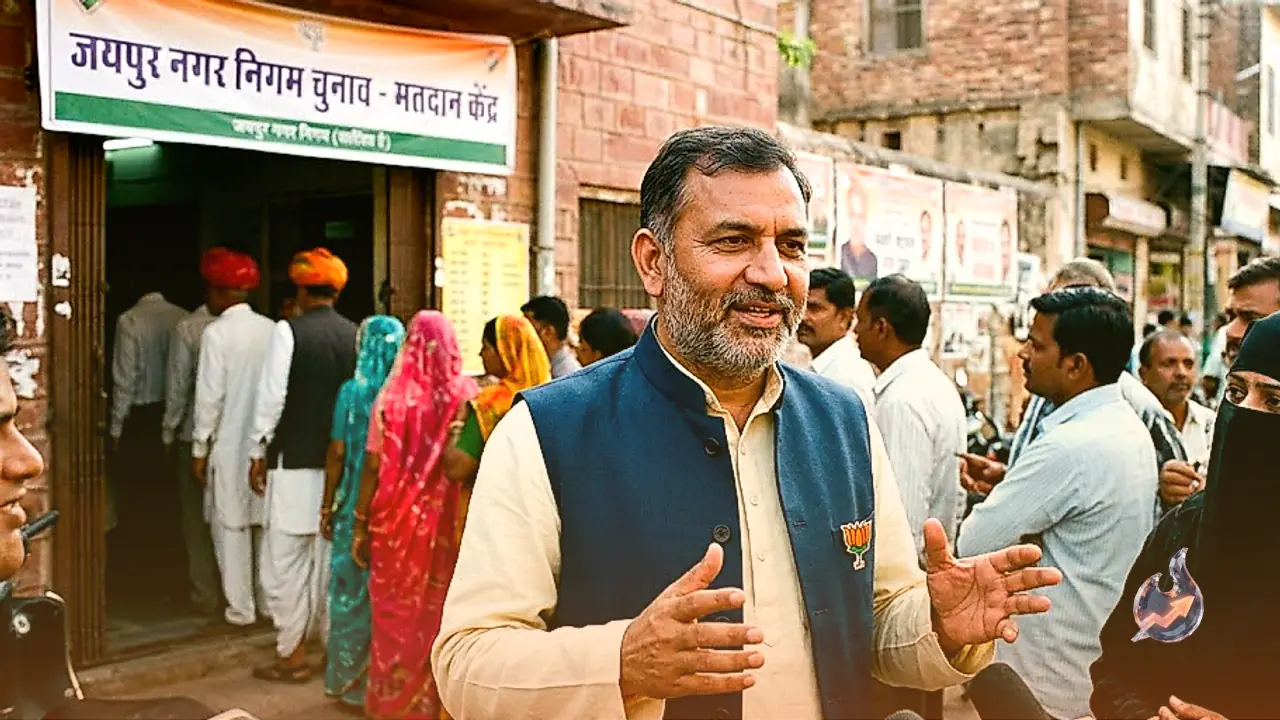



















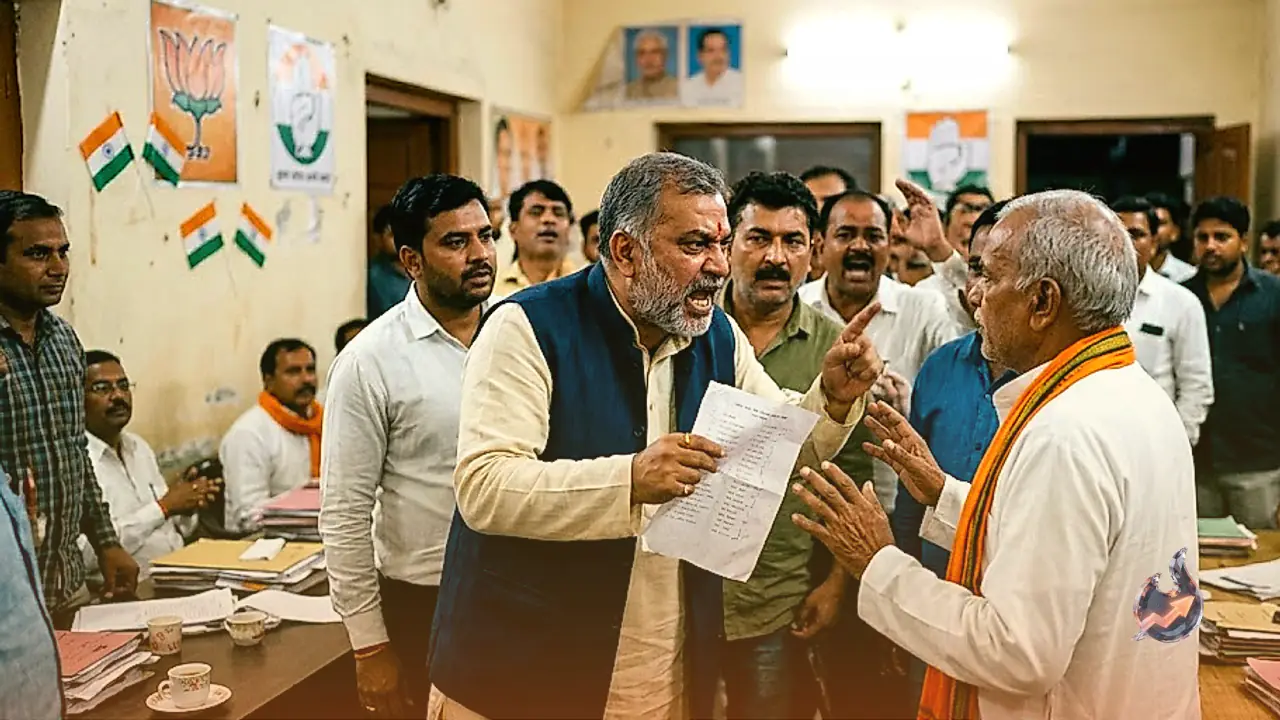

The 2026 Rajasthan local body elections are witnessing a battle that goes far beyond the traditional political duel between the Bharatiya Janata Party and the Congress. A fierce internal struggle is currently unfolding within both major parties, altering the political landscape. The distribution of electoral tickets has forged an entirely new dynamic among veteran councillors, fresh aspirants, relatives of prominent politicians, and disgruntled grassroots workers. With the candidate nomination process now concluded, the emerging picture clearly demonstrates that both major political parties have drastically curtailed their trust in familiar and veteran faces.
Jaipur Municipal Corporation Statistics Reveal the Reality
The electoral data from the Jaipur Municipal Corporation paints the starkest picture of this unfolding political reality. Out of the 137 total councillors who won seats representing the BJP and Congress in the 2020 municipal elections, a meager 19 have managed to secure party tickets to contest the upcoming polls once again. This mathematical reality indicates that roughly 118 winning councillors from the previous municipal term are entirely absent from the official party candidate lists this time around.
Massive Exodus of Veteran Faces
This single statistic speaks volumes about the dramatic shift in party strategies. Roughly eight out of every ten winning faces from the previous municipal term have been completely replaced for these elections. Naturally, these sweeping changes leave behind a series of compelling questions. A closer examination of every single factor lays bare the ground reality, making it inevitable for political observers to raise pertinent questions regarding the selection criteria.
The Core Reasons Behind Ticket Cuts
The decision to deny tickets to sitting councillors does not appear to rest solely on electoral performance or winning capability. The ongoing ward reorganization and redrawing of boundaries have substantially restructured traditional political equations. Several municipal wards have undergone territorial boundary shifts, which in turn have directly impacted localized social demographics and the traditional vote banks of veteran councillors. Consequently, both major parties found an opportune moment to test new local faces.
Performance and Accessibility as Metrics
Key considerations in ticket finalization included evaluating five-year developmental performance, local public standing, coordination with the party organization, and active grassroots engagement. This indicates that ticket denials were not universally reflective of a sitting councillor's weakness. In several instances, municipal boundaries shifted entirely. Furthermore, while certain veteran winners did receive tickets, they were reassigned to entirely different wards. Names like Vikas Bareth, Gajendra Singh Shekhawat, Piyush Kiradu, and Jayshree Garg form an integral part of this evolving scenario.
BJP Power Dynamics: MLAs Versus Organization
An analysis of ticket allocation across the 150 wards of Jaipur highlights the internal balance of power within the BJP. Available information indicates that approximately 100 tickets were finalized based on the preferences of local legislative assembly members, while around 50 tickets were decided directly by the party organization. Initially, local MLAs and ministers approached the leadership with single preferred names for every ward, but the organizational hierarchy demanded a panel of three names before reaching a final verdict.
Grassroots Discontent Over Preferential Treatment
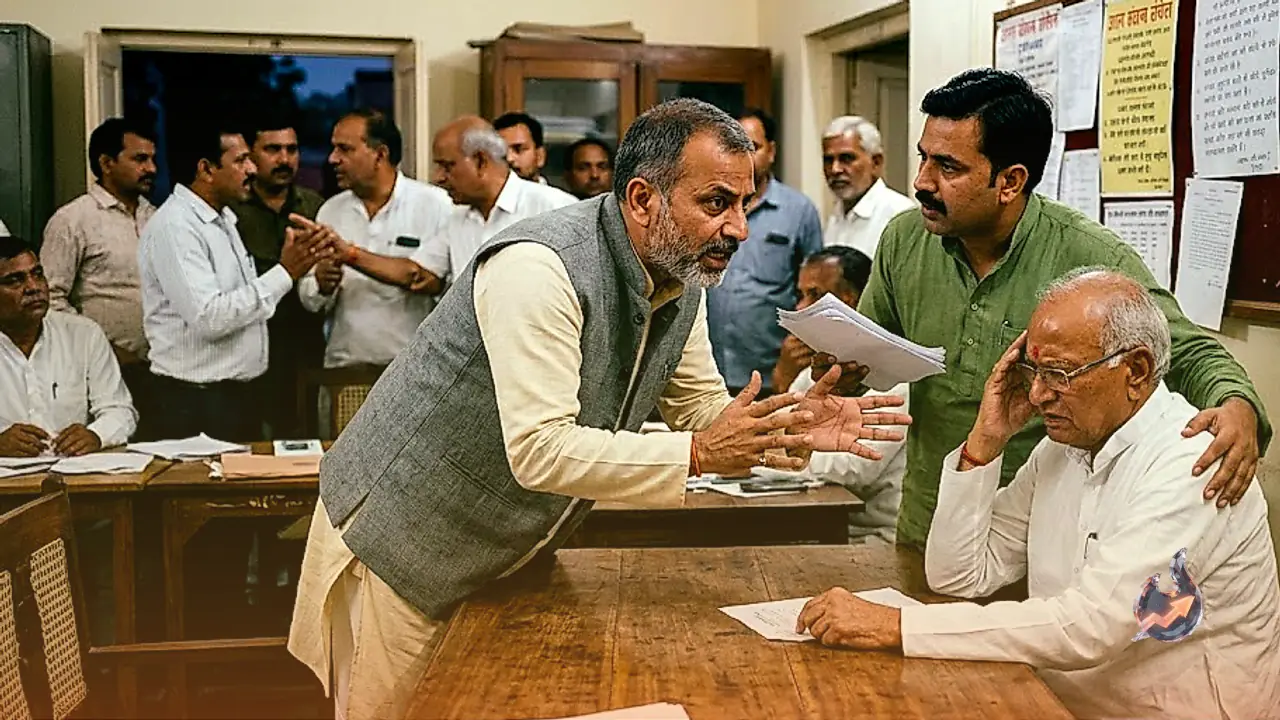
This procedural framework meant that local MLAs wielded immense influence over the ticket distribution process within the BJP. However, wherever specific leaders succeeded in securing tickets for their personal favorites, localized resentment among rank-and-file party workers immediately surfaced. Such internal friction poses a significant challenge, threatening to undermine cohesive campaigning efforts at the local booth level.
In contrast, the Congress party opted to withhold its final candidate lists until the absolute final deadline in a bid to forestall internal rebellions. In Jaipur, the official list was published at 5 PM, merely two hours before the formal expiration of the candidate nomination window. Similar strategies of distributing party symbols at the eleventh hour were adopted in several other cities across the state.
Kota Congress Strategy and Immediate Backlash
In Kota, the Congress party distributed its official party symbols immediately prior to the nomination deadline, thereby denying numerous hopeful aspirants even the window to file as independent candidates. Despite these calculated maneuvers, the formal announcement of candidates triggered instant and aggressive protests across multiple municipal wards. This hurried approach severely undermined internal party discipline.
Open Rebellions and Office Protests
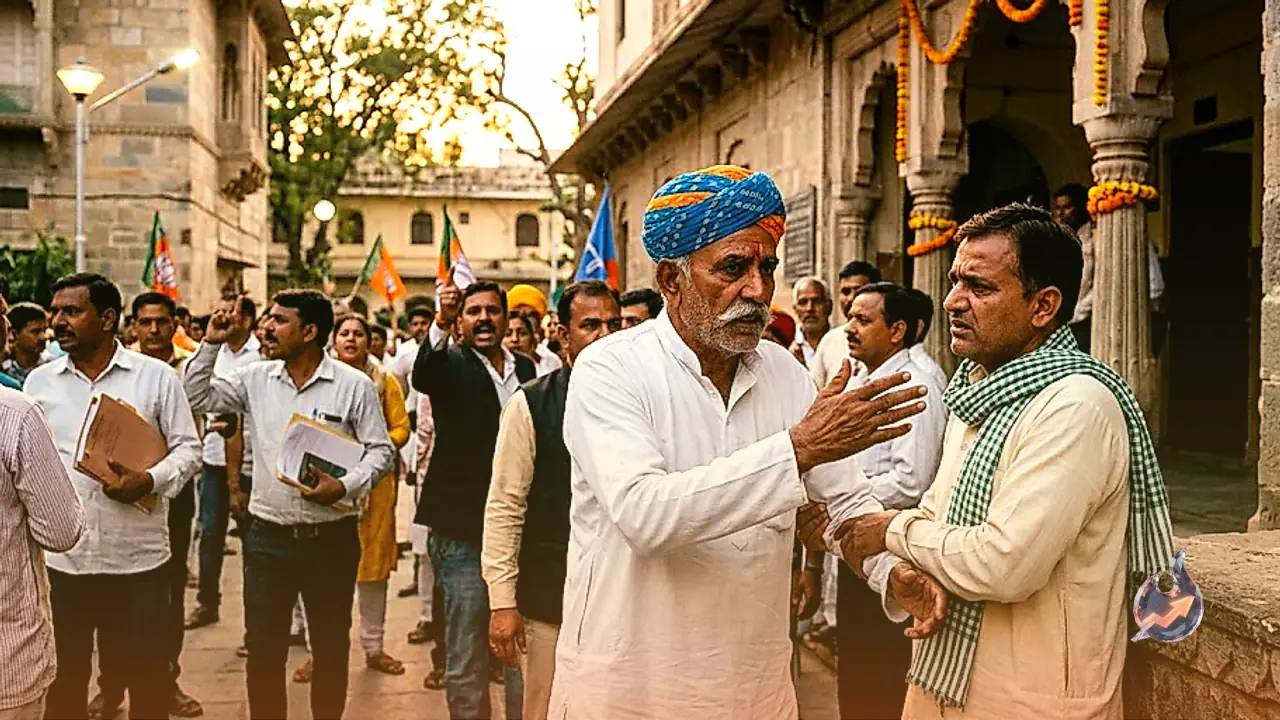
The denial of tickets rapidly translated into intense frustration reaching straight up to party offices. Open demonstrations and protests erupted in Kota, Barmer, Kuchaman City, and Pali. In several locations, angry party workers turned their wrath against their respective district party presidents. In Pali, disgruntled ticket aspirants openly accused the Congress district president of selling party tickets, sparking violent uproar.
Police Intervention and Independent Bids
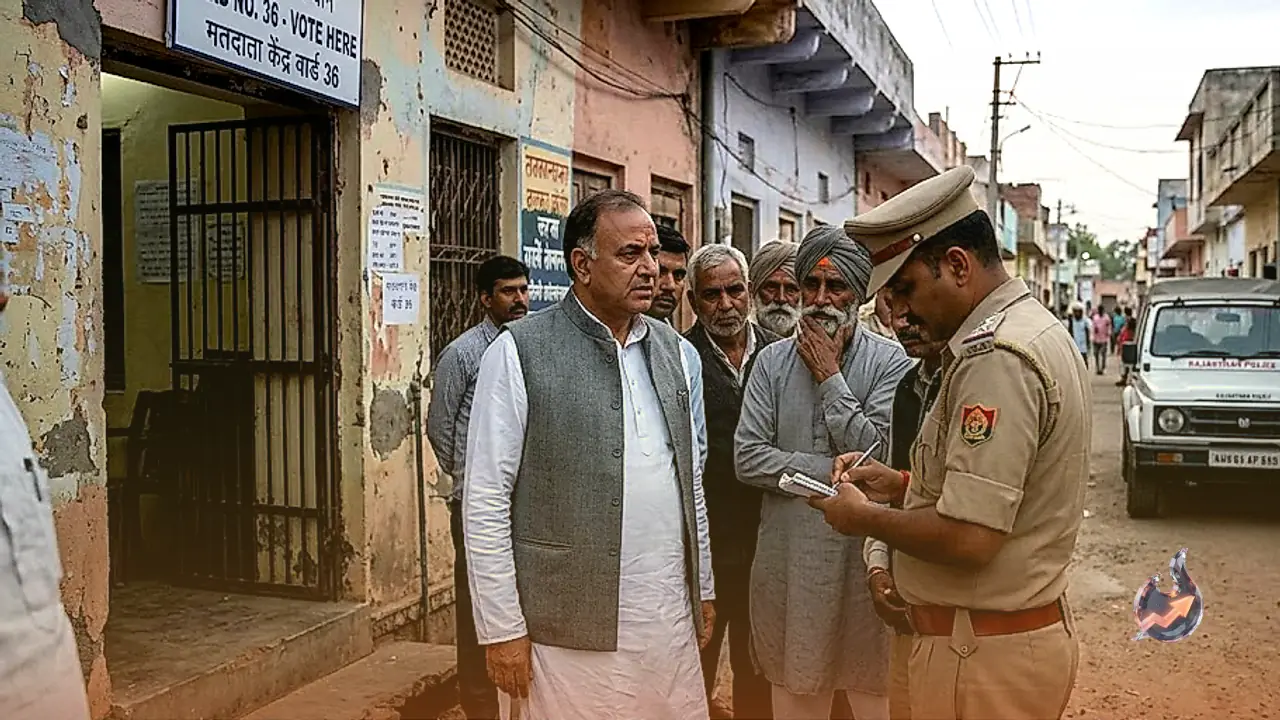
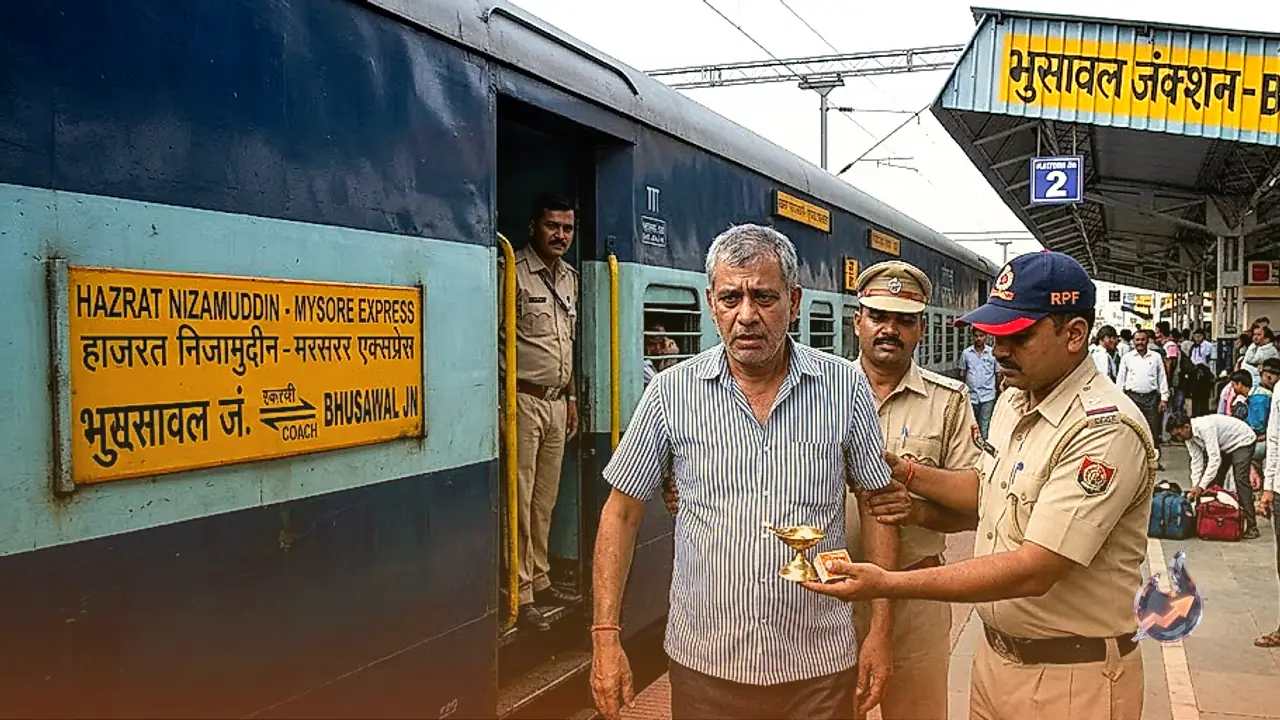
The situation in Pali escalated to the point where the district president had to be escorted out under active police protection. Similarly, in Kuchaman City, party workers raised strong objections against last-minute ticket alterations and arbitrary candidate replacements. The situation within the BJP mirrored these internal fractures, as seen in Dungarpur, where party workers marched to the local office to protest the allocation of tickets to external candidates.
In Bharatpur, BJP city mandala president Chandraveer Singh Jadhina chose to revolt openly after being denied a ticket, publicly announcing his candidacy as an independent contender for the upcoming civic polls.
Bhilwara Ticket Debacle and Technical Failure
The situation in Bhilwara proved even more severe and politically damaging for the opposition. The local Congress unit submitted its symbol allocation list for 18 candidates well past the officially mandated deadline. Citing strict electoral protocols, the returning officer flatly refused to accept the delayed documentation. Frustrated supporters immediately staged sit-in protests and sought official guidance from the State Election Commission, which ultimately dismissed their plea.
This particular controversy transcended routine disagreements over ticket distribution, directly compromising the mandatory symbol allocation and candidate nomination procedures. Such administrative failures highlighted profound organizational lapses.
Entry of Political Dynasties and Relatives
A striking feature of ticket allocation across both major political camps has been the prominent inclusion of candidates directly linked to influential political families and prominent leaders, thereby reigniting intense public debate surrounding political nepotism.
Notable Relatives in the Electoral Fray
A review of the candidate rosters highlights numerous prominent names. Krishna Murari दिलावर, the brother of Minister for Education and Panchayati Raj Madan Dilawar, has been fielded as a candidate. Additionally, Pratibha, the wife of Chief Minister's Officer on Special Duty Anand Sharma, has secured a party ticket. Sumanlata, the wife of former Congress candidate Ajay Agarwal, and Kamlesh, the wife of former district president Yogesh Mishra, also feature prominently.
Further Instances of Familial Preferencing
The list continues with Bina Gupta, the daughter-in-law of the outgoing Jaipur mayor, receiving a ticket. Former civic chairman Jiyavan Khan and his wife Khatija Bano both managed to secure positions within this electoral framework. Former deputy chairman Ashok Choudhary and his daughter-in-law also secured spots on the candidate manifestos. Furthermore, Yash Jhalandhari, the grandson of former MLA Ratan Jhalandhari, was handed an electoral ticket.
Marginalization of Grassroots Party Cadres
These specific examples underscore the reality that ordinary, long-serving party workers striving for grassroots recognition were not the sole contenders in the ticket distribution race. Instead, individuals connected to established political families and influential figures managed to secure coveted electoral opportunities across various municipal wards.
Multiple Tickets Within Single Families
Perhaps the most contentious aspect of this ticket allocation strategy was the granting of official party tickets to multiple members of the exact same family in several wards. Such distribution choices have severely alienated grassroots party loyalists. Party insiders warn that if this internal discontent remains unaddressed, it could significantly damage electoral prospects at the ballot box.