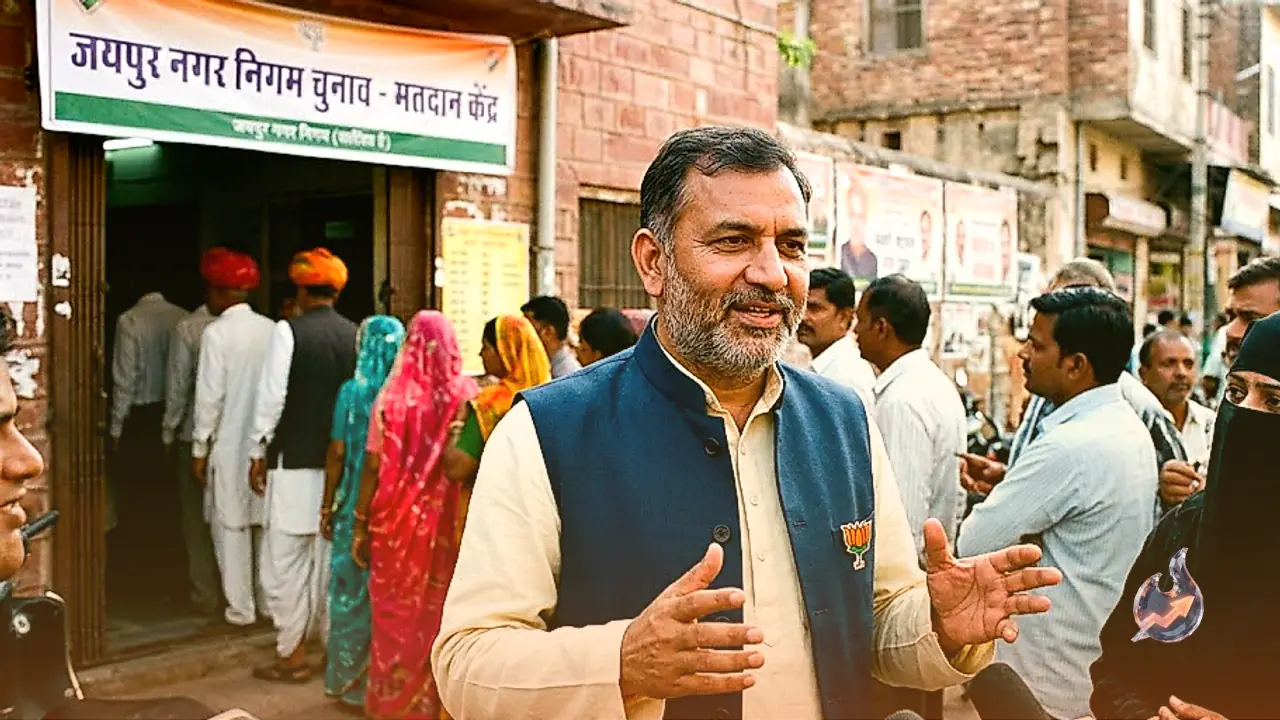





















Following the conclusion of the nomination process for the local body elections in Rajasthan, political temperatures have soared as both major political parties, the Bharatiya Janata Party and the Congress, face mounting internal friction. With both organizations officially distributing party symbols to their finalized candidates, deep-seated grievances regarding the ticket-allocation process have bubbled to the surface. Persistent accusations are being leveled from within the party ranks that leaders and their immediate family members were given undue preference during ticket distribution, while dedicated grassroots workers who have toiled for the party for years were pushed aside. This dynamic has fueled open resentment and full-scale rebellion across the region.
Spanning from Jaipur to Pratapgarh, numerous aspirants who were denied tickets have flatly refused to step down from the electoral arena. The very political leaders who boasted of absolute unity and solidarity prior to the filing of nominations are now scrambling to pacify the defiant rebel candidates. The very strategy behind ticket distribution has unexpectedly backfired on the leadership, turning routine administrative rollouts into high-stakes damage control operations.
The Backfiring Strategy Behind Secret Nominations
In anticipation of widespread internal backlash, both the BJP and the Congress had intentionally kept the names of their chosen candidates under wraps prior to the nomination phase. The core strategy of both parties was to hand over official party symbols directly to the election officers only after the formal nomination process concluded, thereby minimizing the window of opportunity for disgruntled hopefuls to stage a rebellion. However, astute aspirants anticipated this political maneuver well in advance. Rather than waiting for official party symbols, several candidates rushed to file their nomination papers ahead of the final deadlines. Consequently, when the parties finally released their official candidate lists and symbols, the uncontained fury of the sidelined aspirants exploded openly.
A Three-Tiered Formula to Placate Rebels
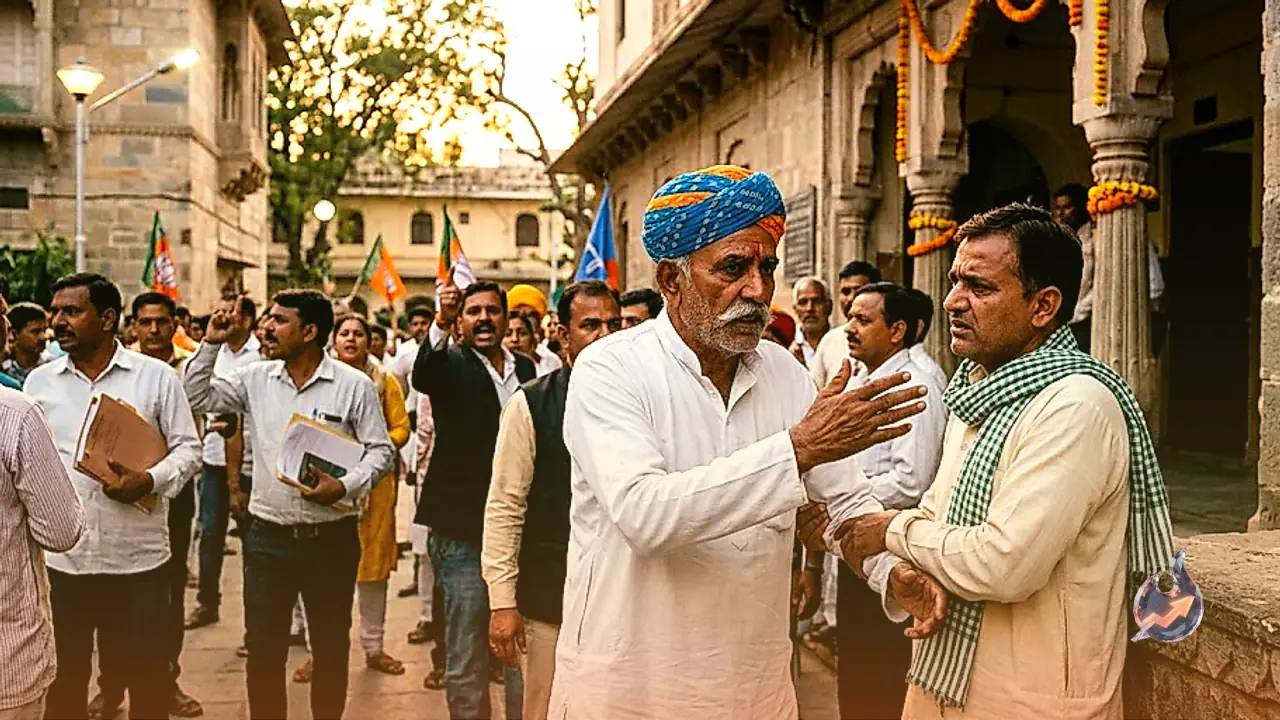
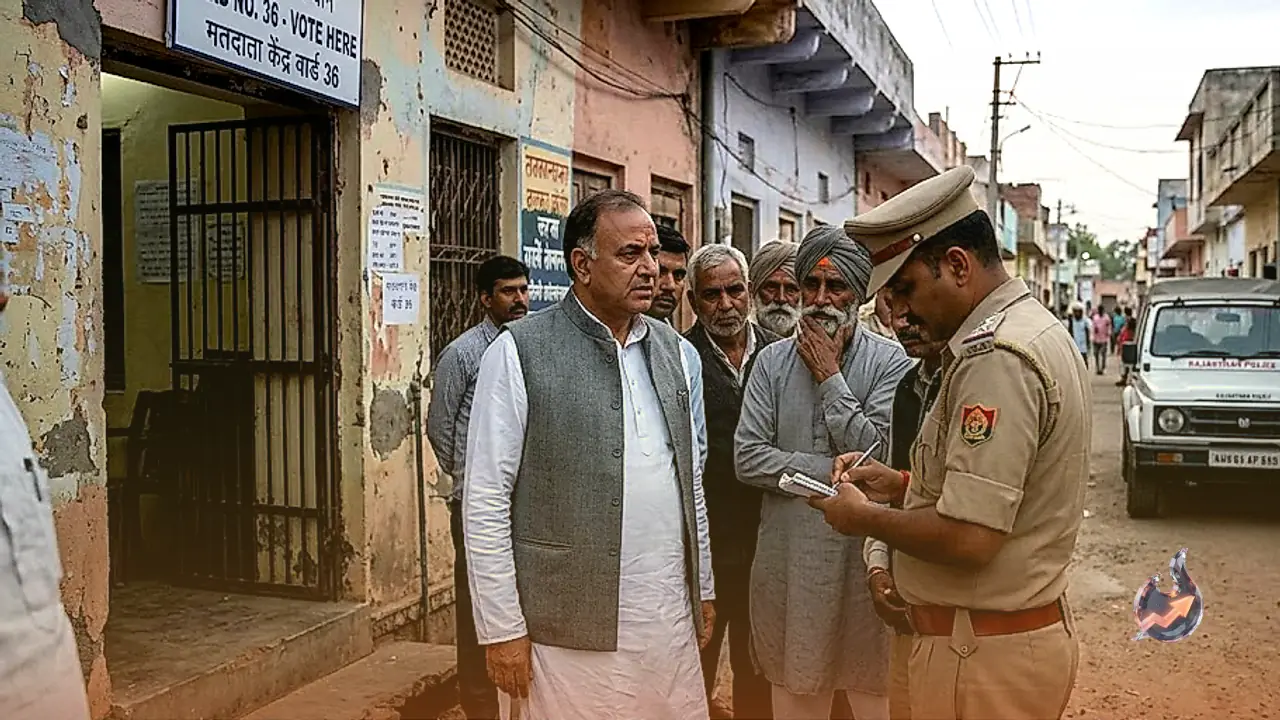
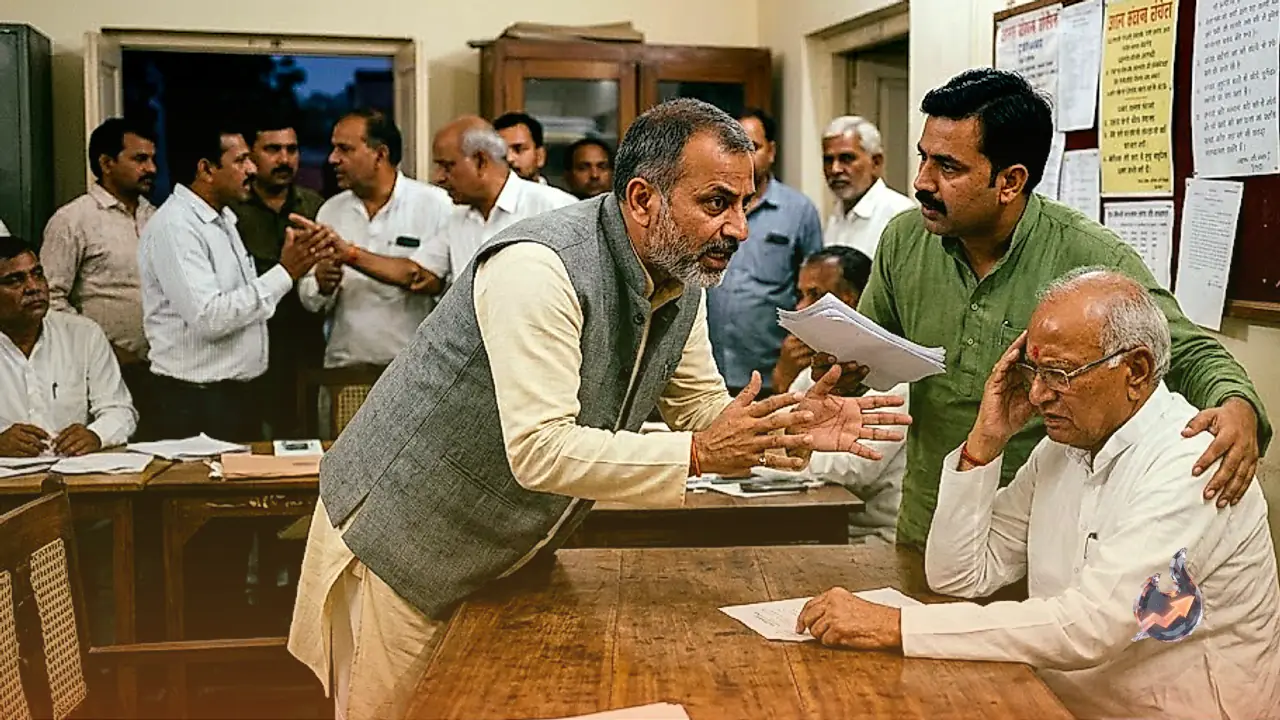
The topmost priority for both the BJP and the Congress leadership is now devising effective ways to manage and appease the rebels. Party organizations have deployed a multi-layered approach to tackle this crisis. Under the first method, the responsibility of persuading a specific rebel is handed over to the senior leader with whom that individual shares close ties. In essence, the party leader who holds the greatest personal clout over the rebel is dispatched to hold direct conciliatory talks.
At the second level, influential local community figures and ward elders are brought to the forefront. These mediators engage in direct dialogues with the dissenting aspirants, urging them to step down in favor of the official party nominee and extend their support to the organization. The third level involves leveraging social and community pressure. The primary objective here is to prevent rebel candidates from actively contesting and eroding the vote share of the official party representative. According to organizational insiders, highly influential rebels who command substantial local influence may even be extended assurances of future local political appointments or other administrative perks.
Ambition and the Pursuit of Power Fueling Unrest
Party insiders reveal that several rebel candidates are persisting in the electoral race purely to fulfill personal political ambitions. While some have their eyes set on future political appointments, others are harboring expectations of securing prominent organizational positions. This means the unfolding rebellion is not merely a reaction to being denied a ticket, but is increasingly being viewed as a calculated tactic of pressure politics. Several aspirants had begun laying the groundwork in their constituencies long before the elections were announced. When denial of tickets occurred, they seamlessly converted that pre-established groundwork into a direct electoral challenge. Although both parties withheld candidate names in advance precisely to preempt this type of defiance, the aspirants outmaneuvered the strategy by filing papers beforehand.
Sidelined Veterans and Grassroots Discontent
The aftermath of the ticket distribution has cast a sharp spotlight on the plight of veteran party workers. Across both political formations, numerous long-standing members who have dedicated years to building the organization find themselves bypassed while leaders and their close associates secure preferential treatment. This trend has ignited deep-seated frustration among the grassroots cadre. Their central grievance questions the fundamental value of ground-level toil if party nominations are repeatedly handed out exclusively to the relatives and cronies of influential figures.
Despite these grievances, senior leaders from both parties continue to downplay the unrest, framing it as a routine and expected outcome of electoral politics. Party representatives maintain that a ticket can only be awarded to a single individual, and that all remaining aspirants will be successfully reasoned with through internal channels at various levels.
Focus on High-Impact Rebel Contenders
Amidst the broader pool of dissenting candidates, both parties are currently concentrating their containment efforts primarily on those individuals who wield substantial local influence within their respective wards. While certain aspirants hold minimal electoral sway, several key rebels possess dedicated personal vote bases and robust local networks. If these influential independent contenders persist in the electoral fray, they possess the mathematical capacity to disrupt the prospects of the official party candidate. Especially in wards where the contest was already projected to be tight, stray votes captured by rebel candidates could dramatically alter election outcomes. Consequently, both party apparatuses have prioritized neutralizing these high-impact dissidents during the initial phase.
Post-Poll Complications Involving Independent Councilors
The ramifications of this widespread internal rebellion will not necessarily conclude with the casting of ballots. Should the BJP and the Congress fail to rein in their dissidents and a significant number of them secure victory as independent candidates, a complex political dilemma could emerge once election results are finalized. In the event that these independent councilors hold the decisive numbers required to establish a majority in local bodies, their political leverage will spike overnight. The very aspirants who recently pleaded with party leaders for tickets will suddenly find themselves in a position to dictate terms. Navigating the demands of these newly elected councilors will present a major challenge for party leadership, as pressure mounts regarding political appointments, organizational portfolios, or administrative concessions, potentially forcing leadership into difficult compromises.
Leadership Maintains Optimism Amid Turmoil
At present, despite the visible political turbulence, leadership figures across both the BJP and the Congress camps insist that the situation remains manageable and that all dissenting voices will ultimately be addressed. However, given the intensity of the defiance displayed on the ground, the risk remains high that this calculated gamble on ticket distribution could ultimately backfire on the established parties, with the final election results serving as the ultimate test of their damage control efficacy.