





















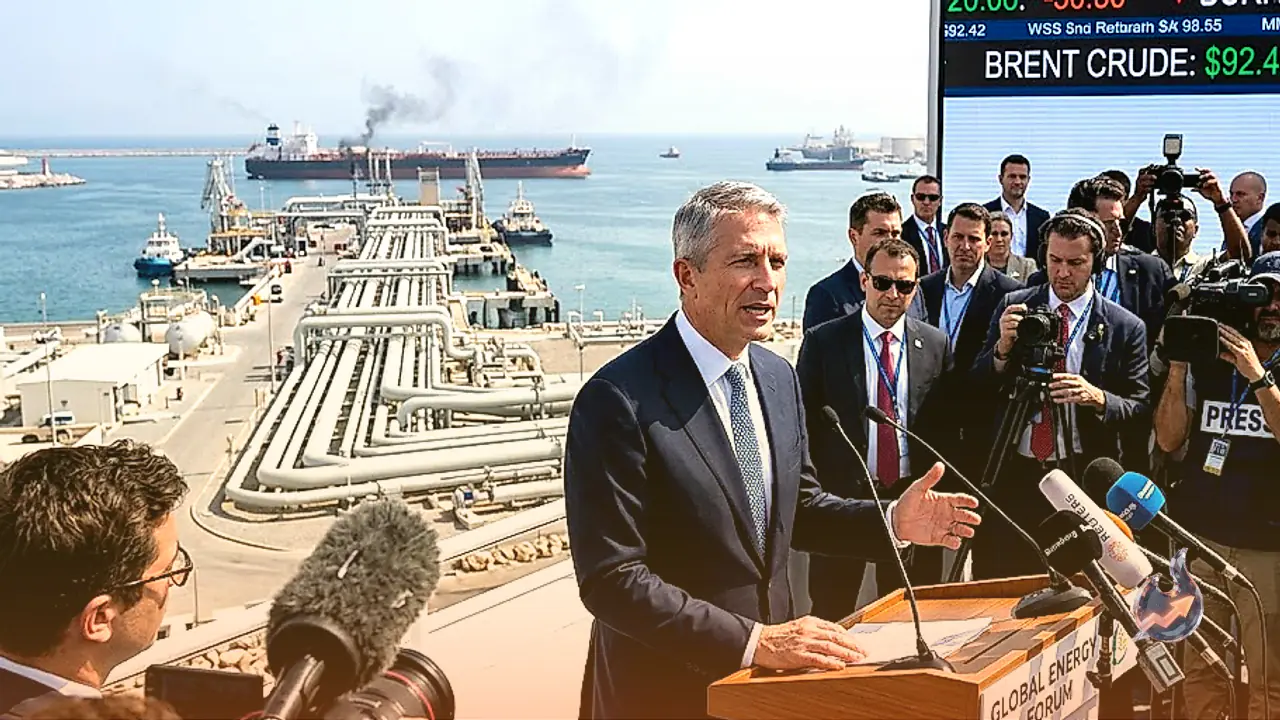

Speaking in Asheville, US Treasury Secretary Scott Bessent announced that the world will completely bypass the Strait of Hormuz within the next two years through an expanded network of land-based crude oil pipelines. According to Bessent, Iran routinely attempts to leverage this critical maritime chokepoint as a strategic pressure tool against the international community. Once these alternative transport pipelines become fully operational, the geopolitical significance of this strategic waterway will plummet entirely. He emphasized that in the near future, this vital maritime passage will be regarded as nothing more than a useless body of water.
Is the Hormuz Chokepoint No Longer a Threat to the United States?
Treasury Secretary Scott Bessent clarified that while the Strait of Hormuz remains exceptionally crucial for numerous foreign nations, it can never constitute a genuine chokepoint for the United States. Bessent noted that officials are clearly observing Iran's attempts to utilize the passage as a leverage point, which ultimately poses no barrier to the US economy while remaining a major vulnerability for other countries. He expressed absolute confidence that within a two-year window, this maritime corridor will be thoroughly sidelined, allowing oil originating from Gulf nations to travel via secure overland routes and permanently eradicating global reliance on this narrow Persian Gulf passage.
Maritime Security Crisis Erupts Following Oil Tanker Attack
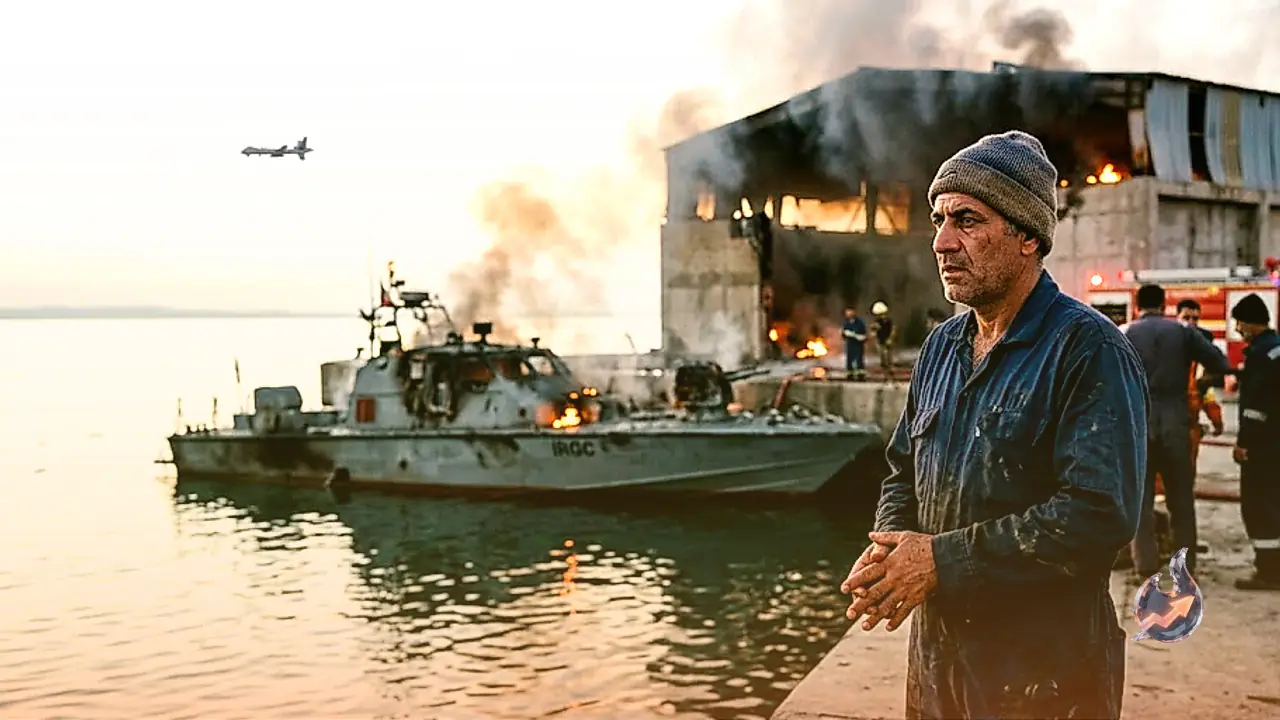
The strong statement from the American cabinet official arrived precisely as a commercial oil tanker came under a targeted strike near the Strait of Hormuz. According to the United Kingdom Maritime Trade Operations, known as UKMTO, a total of three unidentified missiles targeted the commercial vessel in open waters situated approximately thirty-one kilometers away from the city of Khasab in Oman. The hostile incident occurred just as the oil tanker was successfully navigating its way out of the Hormuz waterway. Fortunately, no crew members lost their lives in the attack, and no hazardous oil spills were reported in the surrounding waters. Nevertheless, the violent episode has triggered widespread panic and severe concerns regarding commercial vessel safety across the entire maritime region.
Geopolitical Conflict Triggers Massive Volatility in Global Crude Markets
The abrupt escalation of military tensions between the United States and Iran immediately triggered steep price surges across international crude oil markets. On Tuesday, benchmark Brent crude oil prices climbed by one point seven percent to reach ninety-two dollars and five cents per barrel. Simultaneously, US West Texas Intermediate crude, commonly referred to as WTI, registered a robust two point three percent increase, settling at eighty-seven dollars and seventy-seven cents per barrel. Market analysts suggest that ongoing Middle Eastern hostilities and mounting threats to vital shipping lanes will likely sustain energy market volatility in the near term.