




















Thousands of students in Rajasthan waiting on their government scholarship now have a hard deadline to clear one mandatory step, or the money will not reach their bank accounts.
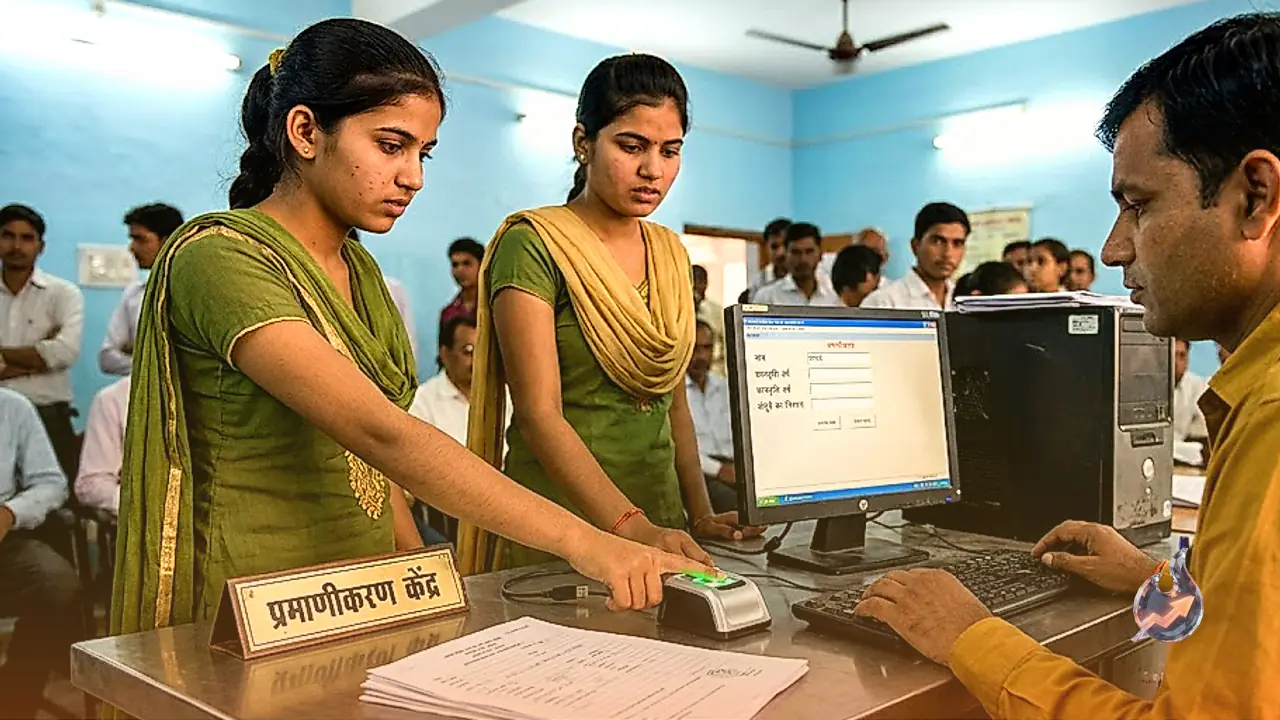
The Social Justice and Empowerment Department has made it clear that scholarship funds will only be released once a student's biometric attendance has been recorded on the scholarship portal. In other words, simply submitting an application is no longer enough, without biometric verification the file will not move forward and the payment process stops right there.
Two sessions, two separate deadlines
The department has fixed two different cut-off dates for pending applications from two academic sessions. Applications from the 2024-25 session that are stuck because of incomplete biometric verification must be cleared by 15 September 2026. Students from the 2025-26 session have until 15 October 2026 to finish the same step. The department has repeated that once either deadline passes, applications still pending purely because of missing biometric data will not be taken up any further, effectively shutting eligible students out of that year's scholarship altogether.
Why biometric matters, and where students need to go
Gaurav Sharma, Deputy Director of the Social Justice and Empowerment Department for Jaipur Rural, said students whose scholarship applications are stuck at the institution level because of incomplete biometric verification must get their attendance recorded before the deadline. To do this, students have to approach their own school or college administration directly, since the process is completed at the institution level and not through the department's own office. Simply waiting will not help, students themselves have to take the first step.
Over 13,500 applications stuck in Jaipur Rural alone
In the Jaipur Rural region alone, more than 13,500 scholarship applications for the 2025-26 session are currently pending at the institution level. These include applicants from the Scheduled Caste, Scheduled Tribe, Other Backward Classes and Economically Backward Classes categories, covering nearly every reserved group. Because biometric and other formalities have not been completed on time, a large number of otherwise eligible students are facing delays in receiving scholarship money, even though many of them need that support the most.
What happens after the deadline, and who is responsible
The department has directed all concerned institutions to finish processing every pending application from both the 2024-25 and 2025-26 sessions within the given timeframe. Only after biometric verification is complete will these applications move forward to the district office, from where eligible students will be paid according to the budget available. The department's goal is to settle every eligible application on time so that students can receive their scholarship out of the available budget. It has also made clear that if this process is not completed within the deadline, both the student and the institution will be held responsible. Students would therefore do well to track their own application status regularly rather than relying entirely on their institution.